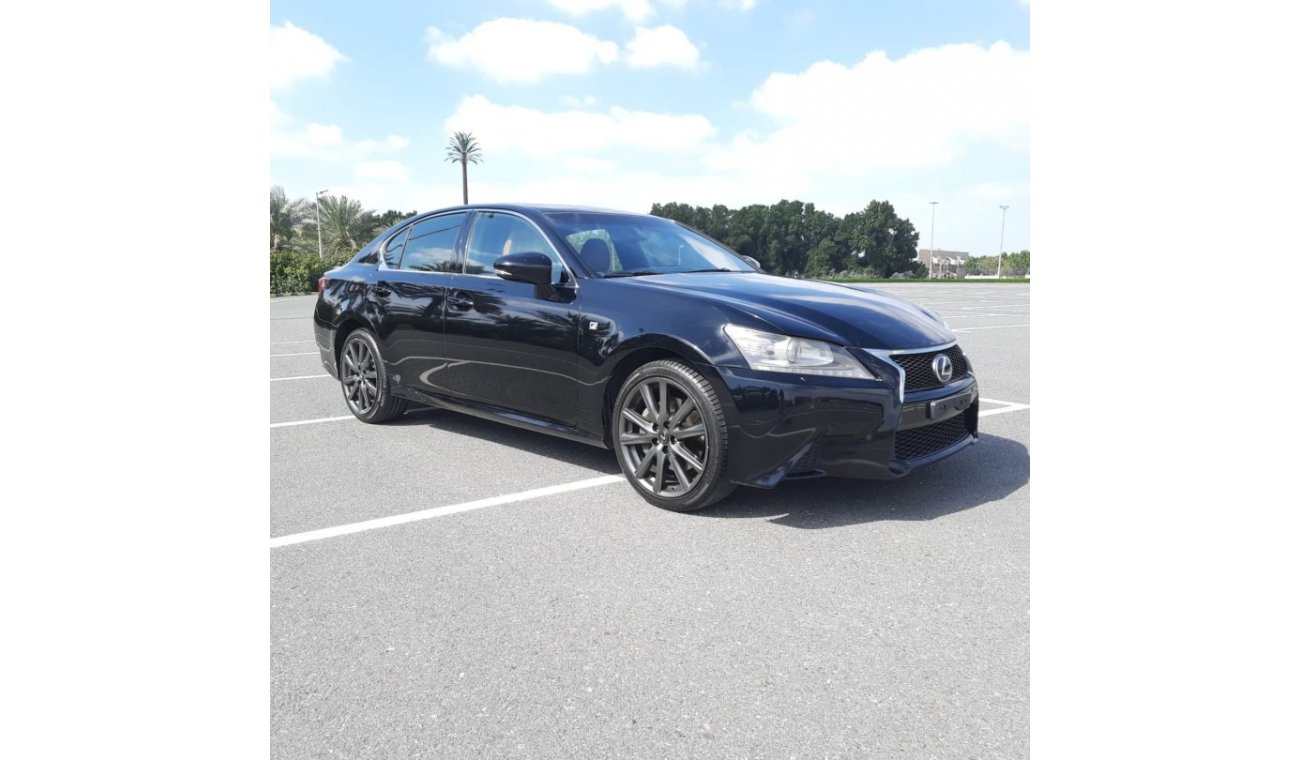
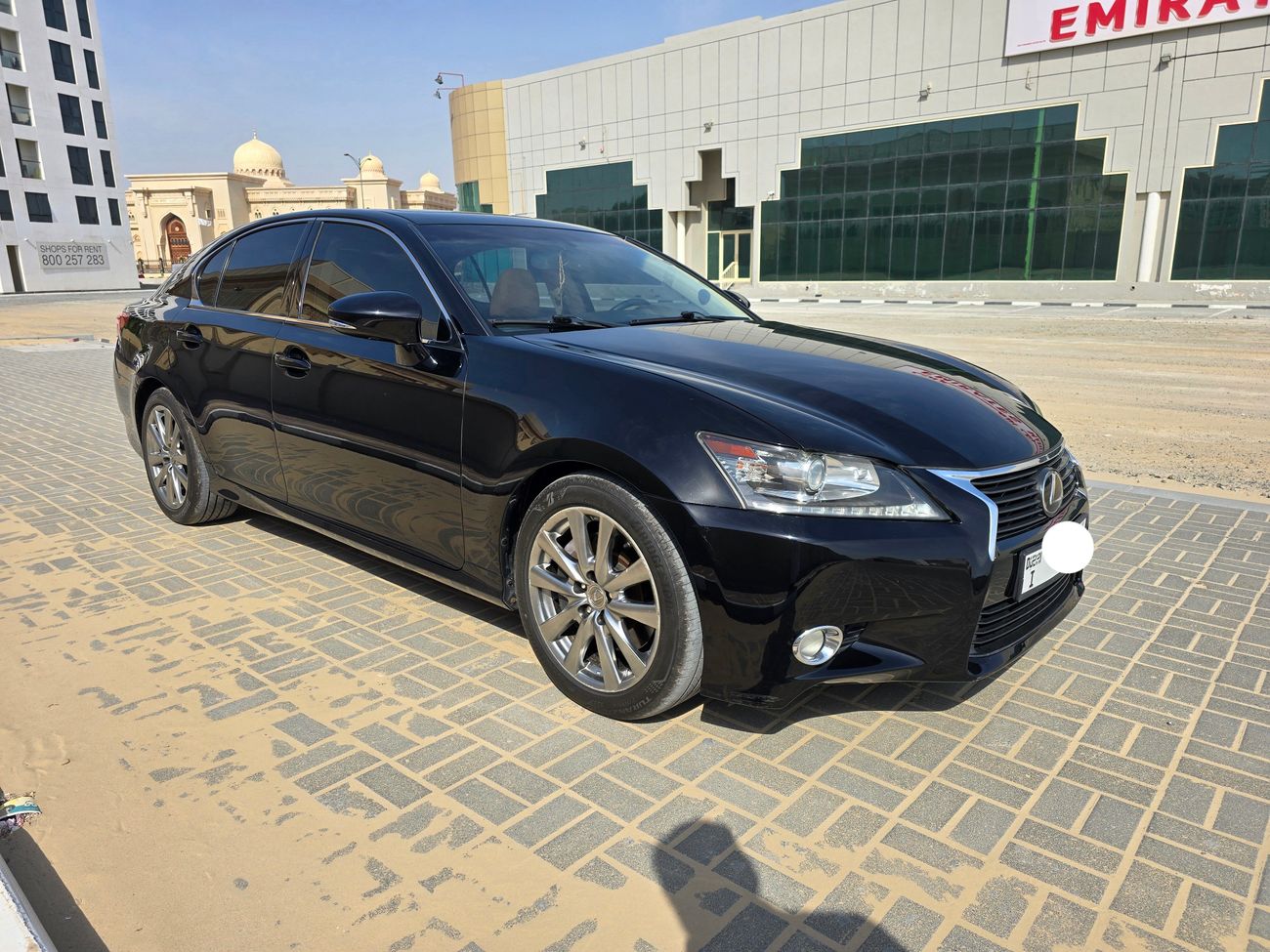
The 2013 Lexus GS 350 is powered by a 3.5-liter V6 engine that produces 306 horsepower at 6,400 rpm and 277 lb-ft of torque at 4,800 rpm. This naturally aspirated engine, known internally as the 2GR-FSE, utilizes a sophisticated dual-injection system to balance high-end power with idling stability and fuel efficiency.
The Engineering Behind the 306 Horsepower
To understand the horsepower of the 2013 Lexus GS 350, one must look closely at the 2GR-FSE engine architecture. This 3.5-liter, 60-degree V6 was a centerpiece of Lexus engineering during the early 2010s, winning multiple "Engine of the Year" accolades for its specific output and refinement.
The D-4S Dual Injection System
The defining technical feature that allows the GS 350 to reach 306 horsepower without the use of a turbocharger or supercharger is the D-4S (Direct-injection 4-stroke Superior version) system. Unlike traditional engines that use either port injection (fuel sprayed into the intake tract) or direct injection (fuel sprayed directly into the combustion chamber), the 2013 GS 350 uses both.
- High-Load Performance: Under heavy acceleration or high RPMs, the engine relies heavily on direct injection. This allows for a cooling effect within the cylinder as the fuel evaporates, which in turn permits a higher compression ratio (11.5:1) without the risk of engine knock. Higher compression is a direct contributor to the 306-hp rating.
- Low-Load Efficiency: At lower speeds or during cold starts, the system utilizes port injectors. This helps ensure a more homogeneous air-fuel mixture, improving idle quality and reducing emissions. It also serves a secondary purpose: the fuel flowing over the intake valves helps prevent the carbon buildup often seen in "pure" direct-injection engines from other manufacturers.
Dual VVT-i Technology
Variable Valve Timing with intelligence (VVT-i) is applied to both the intake and exhaust camshafts. By constantly adjusting the timing of the valve opening and closing, the engine can "breathe" more efficiently across the entire rev range. While the peak 306 horsepower isn't achieved until 6,400 rpm, the VVT-i ensures that torque remains accessible lower in the power band, making the car feel responsive during city driving even before the tachometer climbs.
Transmission and Drivetrain Impact on Power Delivery
In 2013, Lexus redesigned the GS from the ground up (the GRL10 generation). While the engine was an evolution of the previous year, the way that power reached the ground was significantly refined.
The Six-Speed Sequential-Shift Automatic
For the 2013 model year, all GS 350 variants—both Rear-Wheel Drive (RWD) and All-Wheel Drive (AWD)—utilized a six-speed automatic transmission. It is important to note that while some competitors had moved to eight-speed units by 2013, Lexus optimized the six-speed (A760 series) for faster shift speeds and earlier torque converter lock-up.
In Sport S+ mode, the transmission performs downshift rev-matching, which blips the throttle to synchronize engine speed. This doesn't change the peak horsepower, but it ensures the engine stays within the 4,000–6,400 rpm "sweet spot" where the 306 horses are most active.
RWD vs. AWD Power Loss
While the engine produces 306 hp at the crankshaft, the "at the wheels" horsepower differs based on the drivetrain.
- Rear-Wheel Drive: Generally experiences a 12–15% parasitic loss through the drivetrain.
- All-Wheel Drive: The 2013 GS 350 AWD uses an electronically controlled center differential that normally sends 70% of power to the rear and 30% to the front. Because of the extra transfer case and front drive shafts, parasitic loss is higher (roughly 18–22%), meaning an AWD GS 350 typically puts less actual power to the pavement than the RWD version despite having the same engine rating.
2013 GS 350 Performance Specifications Table
| Feature | Specification |
|---|---|
| Engine Type | 3.5L V6 (2GR-FSE) |
| Horsepower | 306 hp @ 6,400 rpm |
| Torque | 277 lb-ft @ 4,800 rpm |
| Compression Ratio | 11.5:1 |
| 0-60 MPH (RWD) | 5.7 Seconds |
| 0-60 MPH (AWD) | 5.8 - 6.0 Seconds |
| Top Speed | 142 mph (RWD) / 131 mph (AWD) |
| Fuel Requirement | Premium Unleaded (91 Octane or higher) |
| Valvetrain | DOHC 24-Valve with Dual VVT-i |
The Influence of Drive Modes on Horsepower Perception
A common question among 2013 GS 350 owners is whether the "Eco," "Normal," and "Sport" buttons change the actual horsepower. Technically, the answer is no; the engine is always capable of 306 hp. However, the mapping of that power changes significantly:
- ECO Mode: This mode dulls throttle response and modifies the transmission shift points to keep RPMs as low as possible. It also reduces the operation of the air conditioning system. In this mode, the car may feel like it has significantly less than 306 hp because it requires much deeper pedal travel to "wake up" the engine.
- Sport S Mode: This modifies the throttle mapping to be more aggressive. A small movement of the foot results in a larger opening of the throttle plate. It also changes transmission logic to hold gears longer.
- Sport S+ Mode: Found on the F Sport and Luxury packages, this mode adds adjustments to the Adaptive Variable Suspension (AVS) and the Variable Gear Ratio Steering (VGRS). While the horsepower remains 306, the chassis's ability to handle that power is heightened, making the output more usable in corners.
Fuel Requirements and Maintaining Peak Output
To maintain the advertised 306 horsepower, the 2013 GS 350 requires 91 octane premium fuel. Using lower-octane gasoline (87 or 89) will cause the engine's knock sensors to detect premature detonation. To protect the engine, the Electronic Control Unit (ECU) will retard the ignition timing. This adjustment results in a noticeable drop in horsepower and fuel economy.
As of 2026, many 2013 GS 350 models have high mileage. Maintaining peak horsepower in an older vehicle requires specific attention to:
- Spark Plugs: Lexus recommends replacement every 60,000 to 100,000 miles. Worn plugs can lead to incomplete combustion and power loss.
- Air Filtration: The 3.5L V6 is sensitive to air intake volume. A clogged engine air filter can starve the engine of oxygen, preventing it from reaching the high-RPM airflow needed for 306 hp.
- Clean Fuel Injectors: Because the D-4S system uses high-pressure direct injectors, using high-quality "Top Tier" gasoline helps prevent clogging of the fine injector nozzles.
Competitive Comparison: The 2013 Luxury Landscape
When the 2013 GS 350 was released, it was positioned to compete directly with German sport sedans. Its 306-horsepower rating was strategically chosen to remain competitive without requiring the complexity of turbocharging.
- BMW 535i (2013): Produced 300 hp from a turbocharged inline-six. While the GS 350 had more peak horsepower, the BMW offered more low-end torque (300 lb-ft) due to its turbocharger.
- Mercedes-Benz E350 (2013): Produced 302 hp from a 3.5L V6. The GS 350 and E350 were very closely matched in output, though the Lexus was often noted for having a more aggressive exhaust note in Sport modes.
- Audi A6 3.0T (2013): Produced 310 hp using a supercharged V6. The Audi was slightly faster in 0-60 sprints, largely due to the immediate boost of the supercharger and its Quattro AWD system.
The GS 350's advantage in this field was its reliability. As a naturally aspirated engine, it lacked the high-heat turbocharger components that often lead to expensive repairs in European rivals as the vehicles age into the 2020s.
Potential for Increasing Horsepower
For enthusiasts looking to exceed the factory 306-hp rating, the 2GR-FSE engine offers some modularity, though naturally aspirated engines are generally harder to tune than turbocharged ones.
- Cold Air Intake: Quality systems from brands like F-Sport or Takeda can improve throttle response and provide a slight increase (approx. 5-8 hp) by reducing intake restriction.
- Exhaust Systems: Replacing the factory mid-pipe and mufflers can reduce backpressure. This is particularly effective on the GS 350 because the factory exhaust is tuned heavily for cabin silence rather than maximum flow.
- ECU Tuning: Aftermarket tunes can recalibrate the fuel maps and VVT-i timing to take advantage of 93 octane fuel, potentially squeezing another 10–15 hp out of the platform and raising the speed limiter.
Summary of Horsepower Factors
The 306 horsepower in a 2013 GS 350 is the result of high-compression engineering and precision fuel delivery. It represents a "sweet spot" in automotive history where Lexus achieved high specific output (nearly 90 hp per liter) while maintaining the longevity that the brand is known for.
Frequently Asked Questions
Does the 2013 GS 350 F Sport have more horsepower?
No, the 2013 GS 350 F Sport has the same 306 horsepower as the base and Luxury trims. The F Sport package adds aesthetic changes, larger brakes, 19-inch wheels, and a sport-tuned Adaptive Variable Suspension (AVS), but the engine and transmission remain identical to the standard GS 350.
Can I run regular 87 octane gas in my GS 350?
While the car will run on 87 octane without immediate engine failure, it is not recommended. The ECU will detect the lower octane and retard timing to prevent knocking, which reduces horsepower and decreases fuel efficiency. For the engine to produce its rated 306 hp, 91 octane or higher is required.
How does the 2013 GS 350 horsepower compare to the GS 450h?
The 2013 GS 450h (the hybrid version) actually has a higher total system output of 338 horsepower. It uses a modified version of the 3.5L V6 (running the Atkinson cycle) paired with an electric motor. While more powerful on paper, the 450h is heavier due to the battery pack, resulting in 0-60 times that are very similar to the GS 350.
Is 306 horsepower enough for a luxury sedan in 2026?
By 2026 standards, 306 horsepower is considered "adequate" to "strong" for a mid-size sedan. While modern EVs and turbocharged performance cars often exceed 400 hp, the GS 350’s 0-60 time of 5.7 seconds remains faster than the average modern crossover and provides plenty of power for highway merging and spirited driving.
Why did Lexus use a 6-speed instead of an 8-speed in 2013?
Lexus prioritized the proven reliability and shift smoothness of the 6-speed A760 transmission for the 2013 launch. However, they did introduce an 8-speed transmission for the RWD model only one year later in 2014. The 2013's 6-speed is often praised for its durability, even if it lacks the fuel economy benefits of the extra two gears.
Practical Recommendation
If you are purchasing or maintaining a 2013 Lexus GS 350 in 2026, the best way to ensure you are actually getting the full 306 horsepower is to strictly adhere to the premium fuel requirement and perform a clean of the mass airflow (MAF) sensor. These engines are remarkably consistent, but they rely on accurate data from sensors to manage the complex D-4S injection system. If the car feels sluggish, check for vacuum leaks or carbon buildup on the intake valves, though the latter is less common on this engine than on its competitors.