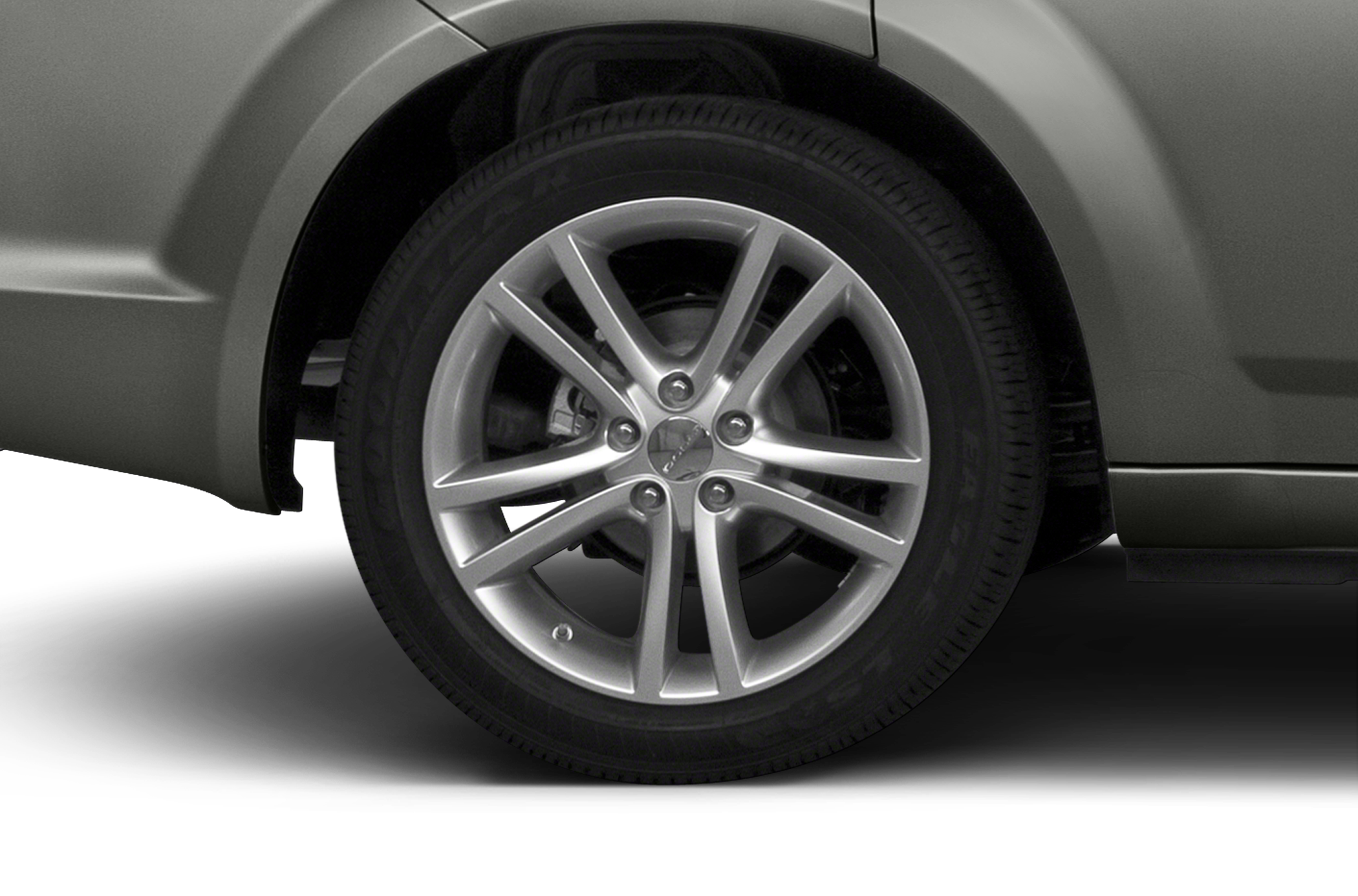
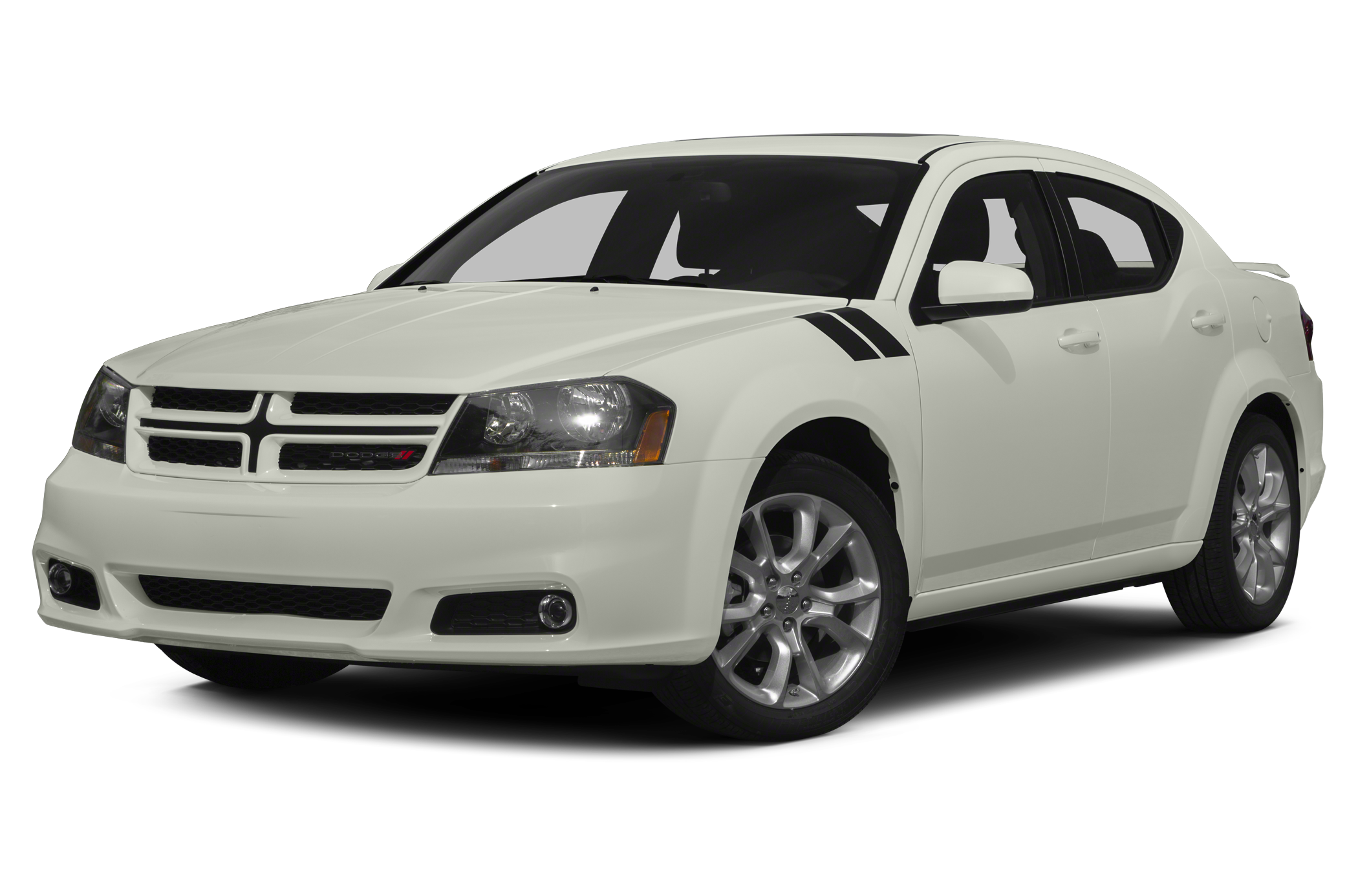
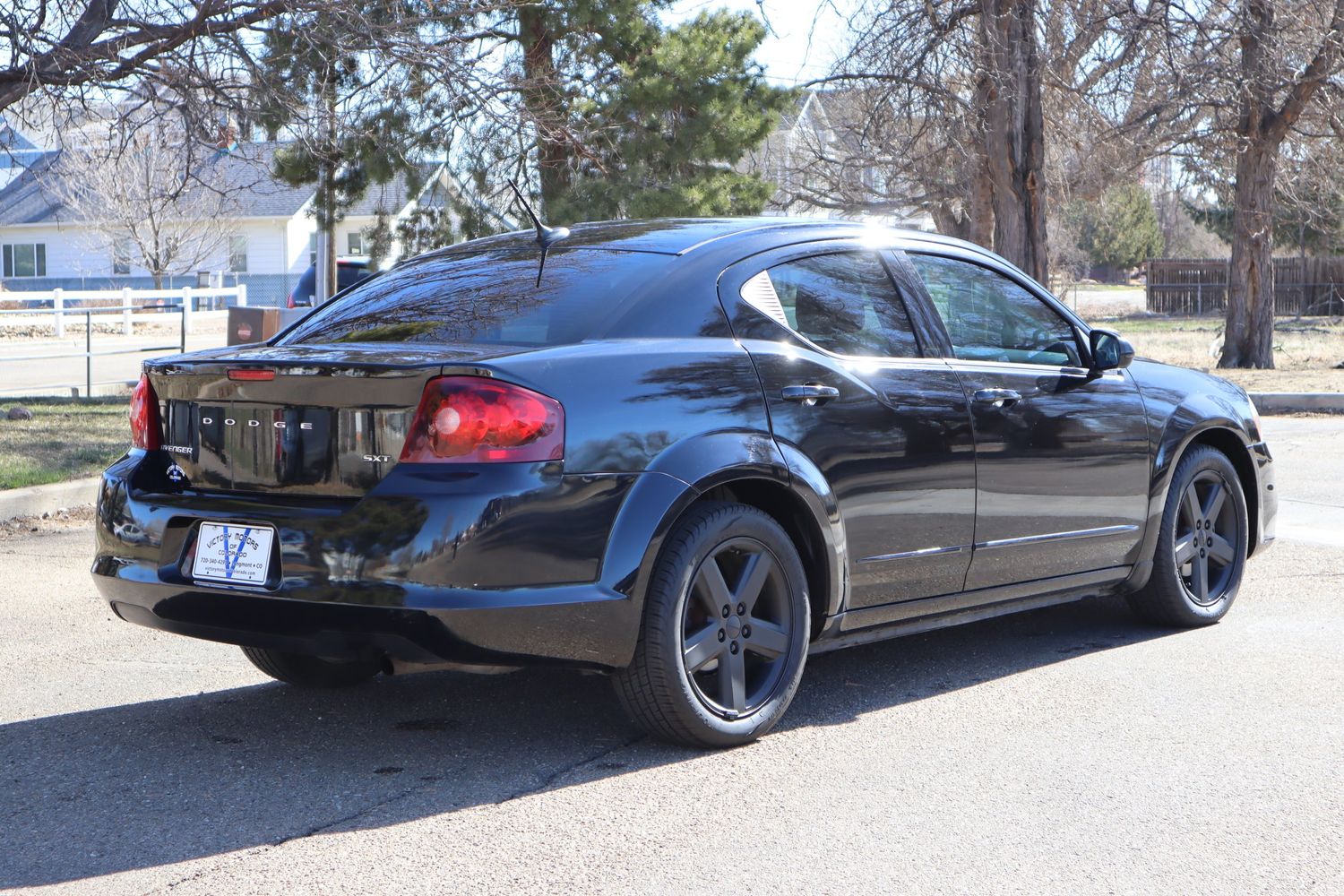
The 2013 Dodge Avenger utilizes two primary rim sizes depending on the trim level: 17-inch and 18-inch diameters. Standard models typically feature 17x6.5-inch wheels, while higher trims or those with the Rallye package move to 18x7-inch wheels. All 2013 Avenger models share a 5x114.3mm (5x4.5") bolt pattern and a 67.1mm center bore.
Understanding the nuances of these specifications is essential for maintaining vehicle safety, ensuring proper speedometer calibration, and preventing mechanical interference with suspension components. As we look at these vehicles in 2026, many owners are seeking replacement wheels due to age-related corrosion or aesthetic upgrades. This guide provides a deep dive into every technical dimension required for a perfect fit.
Understanding the 2013 Dodge Avenger Wheel Ecosystem
The 2013 Dodge Avenger was positioned as a mid-size sedan that balanced sporty aesthetics with practical daily driving. Because it was built on the Chrysler JS platform—which shared engineering DNA with the Mitsubishi GS platform—its wheel specifications are common across several Chrysler and Mitsubishi vehicles of that era.
When discussing rim size, we are not just looking at the diameter of the circle. We must consider the width, the offset (the distance from the hub mounting surface to the centerline of the wheel), and the backspacing. For the 2013 Avenger, these measurements were precision-engineered to clear the brake calipers and strut towers while maintaining the car's specific "scrub radius," which affects how the car steers and tracks on the road.
Trim Level Variations and Factory Standards
The 2013 Avenger was offered in three main trims: SE, SXT, and R/T. Each came with distinct wheel options that changed the vehicle's stance and handling characteristics.
- SE Trim: Generally came equipped with 17-inch steel wheels covered by plastic hubcaps. These are functional but heavy, contributing to more unsprung weight.
- SXT Trim: Usually upgraded to 17-inch aluminum alloy wheels. These provide better heat dissipation for the braking system and a significant reduction in weight compared to steel.
- R/T and Rallye Packages: These trims prioritized a more aggressive look and better cornering stability by utilizing 18-inch aluminum alloy wheels with a "polished with black pockets" or "satin carbon" finish.
Comprehensive Technical Specifications
When purchasing new rims—whether they are OEM (Original Equipment Manufacturer) replacements or aftermarket upgrades—you must adhere to the following technical parameters to ensure the vehicle remains safe to operate.
The Bolt Pattern: 5x114.3mm (5x4.5")
The bolt pattern, or lug pattern, is the most critical measurement. It consists of two numbers: the number of lug holes and the diameter of the circle they form. The 2013 Avenger uses a 5-lug configuration on a 114.3mm pitch circle diameter (PCD). This is arguably the most common bolt pattern in the automotive world, meaning there is a massive selection of compatible wheels available in 2026. However, you must ensure you do not accidentally purchase the 5x110mm pattern used by some other Chrysler/GM vehicles, as they will not fit.
Center Bore: 67.1mm
The center bore is the hole in the middle of the wheel that fits over the hub of the car. The Avenger is hub-centric, meaning the wheel is centered by the hub, not just the lug nuts. A 67.1mm center bore is the exact match for the Avenger’s hub. If you buy aftermarket wheels with a larger center bore (e.g., 73.1mm), you must use hub-centric rings to fill the gap. Failure to do so can lead to high-speed vibrations and increased stress on the wheel studs.
Offset (ET): High Positive
The offset determines how far the wheel sits in or out of the wheel well. For the 2013 Avenger, the factory offset typically ranges from +40mm to +45mm.
- Positive Offset: The mounting surface is toward the front (street side) of the wheel.
- Impact of Incorrect Offset: If the offset is too low (e.g., +20mm), the wheels will poke out past the fenders, potentially rubbing on the wheel arches during bumps. If it is too high (e.g., +55mm), the inside of the rim or tire may rub against the suspension struts or brake lines.
Lug Nut Specifications
The Avenger uses M12 x 1.5 threads. It is vital to use the correct seat type for your specific rims. Factory Chrysler wheels almost always use a conical (acorn) seat, but some aftermarket wheels require a different style. The recommended torque for these lug nuts is 100 lb-ft (135 Nm). Over-tightening can warp the brake rotors, while under-tightening can lead to the wheel loosening during flight.
| Feature | 17-inch Factory Specification | 18-inch Factory Specification |
|---|---|---|
| Rim Diameter | 17 inches | 18 inches |
| Rim Width | 6.5 inches | 7.0 inches |
| Bolt Pattern | 5x114.3mm (5x4.5") | 5x114.3mm (5x4.5") |
| Offset (ET) | +40mm to +45mm | +40mm to +45mm |
| Center Bore | 67.1 mm | 67.1 mm |
| Thread Size | M12 x 1.5 | M12 x 1.5 |
| Standard Tire Size | 225/55R17 | 225/50R18 |
| Load Index | 97 (Minimum) | 95 (Minimum) |
Performance Implications of Rim Sizes
Choosing between the 17-inch and 18-inch options is not merely an aesthetic decision; it changes how the 2013 Avenger interacts with the road.
The Case for 17-inch Rims
The 17-inch setup uses a tire with a taller sidewall (225/55R17). This extra rubber acts as a secondary cushion for the suspension.
- Pros: Better ride comfort, lower cost for replacement tires, and higher resistance to "pothole damage" because there is more air and rubber to absorb impacts.
- Cons: More "sidewall flex" during aggressive cornering, which can make the steering feel slightly less precise or "mushy."
The Case for 18-inch Rims
The 18-inch setup uses a lower-profile tire (225/50R18).
- Pros: Sharper steering response and a more modern, aggressive aesthetic. The wider 7-inch rim provides a slightly larger contact patch for improved grip.
- Cons: A noticeably firmer (stiffer) ride. Smaller sidewalls are more prone to pinch flats if you hit a deep pothole, and the replacement tires are generally more expensive.
Aftermarket Upgrades: Plus-Sizing the Avenger
As of 2026, many Avenger enthusiasts look to "plus-size" their wheels, moving to 19-inch or even 20-inch rims. While this is possible, it requires careful calculation to maintain the overall rolling diameter.
The total height of the tire and wheel together must stay within approximately 3% of the factory diameter. If the diameter changes too much:
- The speedometer will become inaccurate.
- The transmission shift points (controlled by the TCM) may be negatively affected.
- The Anti-lock Braking System (ABS) and Traction Control may throw error codes because the wheel speed sensors are reading unexpected rotations.
For a 19-inch upgrade, a 225/45R19 tire is usually the closest match. For a 20-inch upgrade, a 245/35R20 is common, though this often requires a wider rim (8.5 inches) and a carefully chosen offset (around +35mm to +38mm) to avoid hitting the strut housing.
Material Composition: Steel vs. Alloy
When replacing rims on a 2013 Avenger, you will likely choose between steel and aluminum alloy.
Steel Wheels
Steel wheels are primarily found on the base SE models. They are made by pressing pieces of steel together and welding them.
- Durability: They are incredibly tough. If you hit a curb, a steel wheel is more likely to bend than crack, and it can often be hammered back into shape.
- Weight: They are heavy. This increases the unsprung weight, making the suspension work harder and slightly reducing fuel economy.
- Winter Use: In colder climates, steel wheels are the preferred choice for winter tires because they are cheap to replace if salt and grime cause surface rust.
Aluminum Alloy Wheels
Found on SXT and R/T models, these are cast or forged from aluminum.
- Performance: They are significantly lighter than steel. Lower unsprung weight allows the suspension to react faster to bumps, improving both comfort and handling.
- Aesthetics: Alloys allow for complex spoke designs and finishes (machined, painted, or polished).
- Fragility: While strong, an alloy wheel is more brittle than steel. A severe impact is more likely to cause a crack or a "chunk" to break off, which usually requires a total replacement of the rim.
Maintenance and Safety Considerations
Proper wheel maintenance is paramount for a car that is over a decade old. For the 2013 Avenger, there are three specific areas to monitor:
TPMS (Tire Pressure Monitoring System)
The 2013 Avenger uses battery-powered TPMS sensors mounted inside the rim on the valve stem. By 2026, many original sensors will have reached the end of their 5-to-10-year battery life. If you are buying new rims, it is the perfect time to install new sensors. The car uses a 433 MHz frequency. Once installed, the vehicle usually requires a short drive at speeds over 15 mph to "re-learn" the new sensor IDs.
Corrosion and Bead Leaks
On older alloy wheels, "bead corrosion" is a common issue. Oxidation builds up where the tire's rubber bead meets the metal rim, creating microscopic gaps that lead to slow air leaks. When mounting tires on older Avenger rims, ensure the technician cleans the inner rim flange with a wire brush and applies a bead sealant.
Hub-Centric Integrity
Always inspect the vehicle's hub for heavy rust. If the hub surface is uneven due to corrosion, the rim will not sit flush. This creates a "wobble" that feels like an unbalanced tire but is actually a mounting failure. Use a wire brush to clean the hub surface and apply a very thin layer of anti-seize lubricant to the flat face of the hub (avoiding the studs) to prevent the wheel from "seizing" to the car.
Frequently Asked Questions
Can I put 18-inch R/T wheels on my SE model that currently has 17-inch wheels?
Yes. Since the bolt pattern (5x114.3) and center bore (67.1mm) are identical across all trims, the 18-inch wheels are a direct bolt-on upgrade for an SE or SXT model. You must, however, ensure you use the corresponding 225/50R18 tire size to maintain the correct rolling diameter.
What happens if I use the wrong offset?
If you use a wheel with too much negative offset (a low ET number like +15), the wheel will move outward. This increases the load on your wheel bearings, shortening their lifespan, and can cause the tires to rub against the fender liner when you turn the steering wheel to full lock.
Does the 2013 Dodge Avenger use lug nuts or lug bolts?
The Avenger uses lug nuts. The studs are pressed into the wheel hub, and the nuts are threaded onto them. The thread pitch is M12 x 1.5, which is a standard metric size.
Will wheels from a Dodge Charger fit my Avenger?
Generally, no. Most modern Dodge Chargers (2006–present) use a 5x115mm bolt pattern. While 5x115 is very close to the Avenger's 5x114.3, they are not interchangeable. Attempting to force 5x115 wheels onto an Avenger will stress the studs and can lead to wheel failure while driving.
Why is my steering wheel shaking after I installed aftermarket rims?
The most likely cause is a mismatch in the center bore. If the new rims have a larger center bore than 67.1mm and you did not install hub-centric rings, the wheel is not perfectly centered on the hub. Even a fraction of a millimeter of offset can cause significant vibration at highway speeds.
Final Recommendation for 2013 Dodge Avenger Owners
If you are looking to replace or upgrade the rims on your 2013 Dodge Avenger in 2026, the best balance of performance, cost, and comfort remains the factory 18x7-inch alloy specification. This size offers the most modern look without sacrificing too much ride quality.
Before purchasing, always verify the 5x114.3mm bolt pattern and the 67.1mm center bore. If you choose aftermarket wheels, prioritize those with an offset between +38mm and +45mm. Finally, always replace your TPMS sensors during a wheel swap to avoid the annoyance of a dashboard warning light six months down the road.