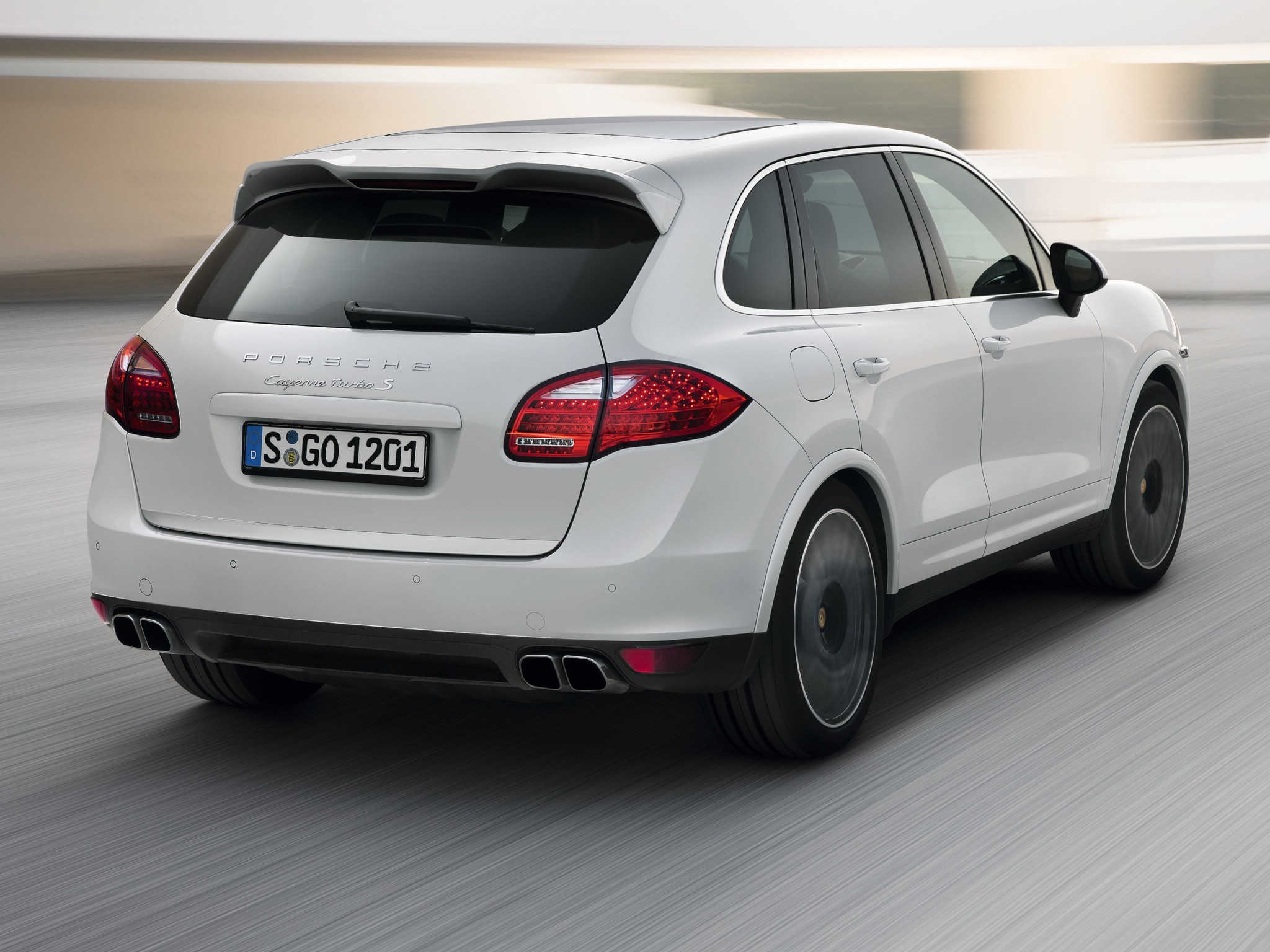
The 2012 Porsche Cayenne represents a pivotal moment in the evolution of the luxury performance SUV, balancing Porsche’s sports car heritage with the practical demands of a premium family vehicle. As part of the second-generation "958" platform, it offers a lighter chassis, improved fuel efficiency, and a driver-centric interior that significantly refined the SUV's market standing.
In the landscape of 2026, the 2012 Porsche Cayenne remains a highly sought-after model on the secondary market for enthusiasts who value tactile mechanical feedback over the digital complexity of newer iterations. When it debuted, the 958.1 generation (2011–2014) signaled a shift from the heavy-duty off-road focus of the original Cayenne toward a more agile, road-biased performance profile. This transition allowed Porsche to dominate the luxury crossover segment by offering a vehicle that genuinely felt like a Porsche sports car despite its high center of gravity and 4,400-plus pound curb weight.
Engineering and Technical Specifications
The 2012 model year was characterized by a diverse range of powertrains designed to capture different segments of the luxury market. Porsche’s engineering team focused heavily on weight reduction for this generation, shedding nearly 400 pounds compared to the preceding 957 generation. This was achieved through the extensive use of aluminum in the hood, doors, and fenders, as well as a lighter active all-wheel-drive system.
Engine Lineup and Power Delivery
At the base level, the Cayenne utilized a 3.6-liter V6 engine producing 300 horsepower and 295 lb-ft of torque. While this was the entry-point model, it provided a balanced entry into the brand, often paired with an eight-speed Tiptronic S automatic transmission, though a rare six-speed manual was technically available for purists.
Stepping up to the Cayenne S introduced the 4.8-liter naturally aspirated V8. This engine produced 400 horsepower and 369 lb-ft of torque, delivering the classic V8 soundtrack and linear power delivery that many enthusiasts still prefer in 2026 over modern downsized turbocharged units.
The Cayenne S Hybrid was a significant technical achievement for 2012. It paired a 3.0-liter supercharged V6 with an electric motor to produce a combined 380 horsepower. This parallel hybrid system allowed the vehicle to "sail" or coast at high speeds with the internal combustion engine turned off, a precursor to the sophisticated E-Hybrid systems seen in the mid-2020s.
For those seeking peak performance, the Cayenne Turbo featured a twin-turbocharged 4.8-liter V8, churning out a massive 500 horsepower and 516 lb-ft of torque. This model utilized an air suspension system as standard, allowing for variable ride height and stiffness.
Chassis and Suspension Dynamics
The 2012 Cayenne utilized several proprietary Porsche technologies to manage its mass. The Porsche Active Suspension Management (PASM), an electronic damping control system, adjusted the shock absorbers in real-time based on road conditions and driving style. Additionally, the Porsche Dynamic Chassis Control (PDCC) used active anti-roll bars to virtually eliminate body roll during cornering, a feature that set the Cayenne apart from its more cumbersome rivals at the time.
Performance Metrics and Driving Experience
Performance in the 2012 Porsche Cayenne is defined by "The Porsche Way"—prioritizing steering feel, braking confidence, and throttle response. Despite its SUV dimensions, the 2012 model manages to feel shrink-wrapped around the driver, a feat achieved by the 958’s revised geometry and lighter weight.
Acceleration and Speed
The Cayenne Turbo was the undisputed king of the 2012 lineup, capable of sprinting from 0 to 60 mph in just 4.4 seconds. This put it in the same performance bracket as many dedicated sports cars of its era. Even the Cayenne S was no slouch, reaching 60 mph in roughly 5.6 seconds.
- Cayenne (Base): 0–60 mph in 7.1 seconds; Top Speed: 143 mph.
- Cayenne S: 0–60 mph in 5.6 seconds; Top Speed: 160 mph.
- Cayenne S Hybrid: 0–60 mph in 6.1 seconds; Top Speed: 150 mph.
- Cayenne Turbo: 0–60 mph in 4.4 seconds; Top Speed: 172 mph.
Handling and Braking
The move to an active AWD system with a multi-plate clutch (replacing the heavier low-range transfer case of the first generation) improved turn-in and agility. The Cayenne’s steering, though transitionally moving toward electric assistance in various industry segments, maintained a hydraulic-assisted feel in most 2012 configurations, providing the mechanical feedback that 2026 drivers often find missing in contemporary vehicles.
Braking performance was equally impressive. Porsche offered the Porsche Ceramic Composite Brake (PCCB) as an expensive but highly effective option, identifiable by yellow calipers. These brakes provided fade-free performance and reduced unsprung weight, further enhancing the vehicle's handling characteristics.
Interior Design and Technology
The interior of the 2012 Cayenne was a radical departure from its predecessor, drawing heavy inspiration from the Porsche Panamera. This "cockpit" approach placed the driver behind a rising center console filled with tactile buttons, a design language that defined the brand for a decade.
Craftsmanship and Ergonomics
The use of materials in the 2012 model—ranging from high-quality leathers to real carbon fiber, wood, or aluminum trim—established a benchmark for the segment. The five-round-gauge instrument cluster, with a high-resolution 4.8-inch TFT color screen in one of the dials, provided essential vehicle data, navigation maps, and audio information directly in the driver’s line of sight.
The seats, particularly the 18-way Adaptive Sport Seats found in many Turbo models, offered exceptional lateral support for spirited driving while remaining comfortable for transcontinental journeys. Rear-seat passengers also benefited from the 958’s design, as the bench could slide forward or back by 6.3 inches, allowing owners to prioritize either legroom or cargo space.
Infotainment and Connectivity
In 2012, the Porsche Communication Management (PCM) system was the hub for navigation, audio, and communication. While it lacked the smartphone integration (like Apple CarPlay or Android Auto) that became standard years later, it was advanced for its time, featuring a hard-drive-based navigation system and Bluetooth connectivity. By 2026, many owners have opted to update these head units with aftermarket "PCCM Plus" style retrofits to bring modern connectivity to the classic interior.
Market Position and Competition
In 2012, the Porsche Cayenne occupied the top tier of the luxury SUV market. It wasn't just a vehicle; it was a profit engine for Porsche, allowing the company to continue investing in the 911 and its racing programs.
The Competitive Landscape
The Cayenne faced stiff competition from several key rivals, each emphasizing different strengths:
- BMW X5 (E70): Often cited as the Cayenne’s closest rival in terms of driving dynamics, though the X5 leaned more toward "sport-activity" than "pure performance."
- Range Rover Sport: Offered superior off-road capability and British luxury but lacked the on-road precision and reliability record of the Porsche.
- Mercedes-Benz ML-Class (W166): Focused on comfort and safety tech, appealing to a more traditional luxury buyer rather than a driving enthusiast.
- Audi Q7: Shared a platform with the Cayenne but focused on three-row utility and a more muted driving experience.
Pricing and Value Proposition
When new, the 2012 Cayenne ranged from approximately $48,000 for a base model to over $110,000 for a well-optioned Turbo. Porsche's extensive options list meant that rarely were two vehicles identical. In the 2026 used market, the Cayenne’s value is dictated largely by maintenance history and the presence of "must-have" performance options like PASM and the Sport Chrono package.
| Feature | Cayenne (Base) | Cayenne S | Cayenne S Hybrid | Cayenne Turbo |
|---|---|---|---|---|
| Engine | 3.6L V6 | 4.8L V8 | 3.0L SC V6 + Electric | 4.8L Twin-Turbo V8 |
| Horsepower | 300 hp | 400 hp | 380 hp (Combined) | 500 hp |
| Torque | 295 lb-ft | 369 lb-ft | 427 lb-ft (Combined) | 516 lb-ft |
| Transmission | 6-speed M / 8-speed A | 8-speed Tiptronic S | 8-speed Tiptronic S | 8-speed Tiptronic S |
| Drive Type | Active AWD | Active AWD | Permanent AWD | Active AWD |
| Curb Weight | 4,400 lbs | 4,553 lbs | 4,938 lbs | 4,784 lbs |
| Fuel Tank | 26.4 Gallons | 26.4 Gallons | 26.4 Gallons | 26.4 Gallons |
Long-Term Reliability and Ownership in 2026
For those considering a 2012 Cayenne in 2026, the focus has shifted from initial performance to long-term durability. The 958.1 is generally regarded as a robust platform, but like any high-end German vehicle, it requires meticulous maintenance.
Common Issues and Maintenance
Prospective owners should be aware of several documented issues common to this generation:
- Transfer Case: This is the most notorious issue for the 958.1. Hesitation or "jerking" during acceleration often points to a failing transfer case. Many were replaced under an extended warranty, but it remains a critical inspection point.
- Cooling System: The V8 engines (S and Turbo) utilized plastic cooling pipes that can become brittle and leak over time. Many owners proactively replace these with metal versions.
- Air Suspension: While providing a sublime ride, the air bellows and compressors in the Turbo (and optional on others) can fail after 10–14 years of service.
- Variable Valve Timing (VarioCam): Early 2011–2012 V8 models had bolts in the camshaft controllers that were prone to shearing. Most affected vehicles have been repaired under recall, but verification via VIN is essential.
Ownership Costs
Maintaining a 2012 Cayenne in 2026 is not for the budget-conscious. Routine oil changes, brake jobs (especially on the Turbo), and specialized tire fitments carry the "Porsche tax." However, for many, the cost is justified by the vehicle’s ability to outperform brand-new luxury SUVs that cost three times as much but offer half the personality.
Frequently Asked Questions
Is the 2012 Porsche Cayenne a reliable used car in 2026?
The 2012 Cayenne is relatively reliable for a high-performance SUV, provided it has a documented service history. The most critical items to check are the transfer case and the V8 cooling pipes. If these have been addressed, the powertrain is known to exceed 150,000 miles with proper care.
Which 2012 Cayenne model is the best for daily driving?
The Cayenne S is often considered the "sweet spot." It offers the emotional appeal of a naturally aspirated V8 and 400 horsepower without the mechanical complexity and higher maintenance costs of the Turbo or the Hybrid. For those prioritizing fuel economy, the Diesel (available in some markets) or the Hybrid are options, though the Hybrid's battery health is a major concern in 2026.
How does the 2012 Cayenne's towing capacity compare to modern SUVs?
The 2012 Cayenne features a maximum towing capacity of 7,716 lbs when properly equipped. This remains competitive even in 2026, out-towing many modern mid-sized luxury crossovers and matching the capabilities of several body-on-frame SUVs.
What are the main differences between the 2011 and 2012 Cayenne?
There were very few mechanical changes between 2011 and 2012, as 2011 was the debut year for the 958 generation. However, the 2012 model year benefited from some minor software updates to the PCM system and the resolution of very early production "teething" issues.
Does the 2012 Cayenne have ISOFIX for child seats?
Yes, the 2012 Cayenne comes standard with ISOFIX (LATCH) anchors on the outer rear seats. The spacious back seat and high safety ratings from its era make it a viable, albeit sporty, family transport option.
Recommendation for Buyers and Enthusiasts
The 2012 Porsche Cayenne remains a benchmark for the "sport-utility" segment. For a buyer in 2026, the recommendation is clear: prioritize the Cayenne S or Cayenne Turbo with a comprehensive service history. Avoid high-mileage Hybrid models unless the traction battery has been recently replaced, as the replacement costs can exceed the vehicle's market value.
The 958.1 generation is arguably the last Cayenne to offer a truly mechanical feel before Porsche moved toward more digitized interiors and steering systems. It bridges the gap between the ruggedness of the first generation and the polished, car-like manners of the third. Whether used as a spirited commuter, a luxury family hauler, or a weekend tow vehicle, the 2012 Cayenne remains a testament to Porsche’s engineering prowess.