The 2.3-liter four-cylinder engine has served as a foundational powertrain for the Ford Ranger across multiple generations, evolving from the legacy Lima pushrod motor to the modern EcoBoost direct-injection turbocharged platform. This powerplant defines the quintessential light-duty compact and mid-size truck experience, balancing fuel efficiency with dependable utility.
The 2.3L four-cylinder engine family in the Ford Ranger represents one of the most enduring powertrain configurations in compact and mid-size truck history. Spanning distinct eras—most notably the naturally aspirated Lima engine produced from the 1980s through the late 1990s and the modern EcoBoost turbocharged engine found in contemporary models—this displacement has consistently met the demands of truck owners seeking a balance of mechanical simplicity, everyday drivability, and respectable fuel economy. Understanding the mechanical differences, maintenance protocols, common failure points, and performance parameters across these iterations helps owners, restorers, and mechanics maximize the lifespan and capability of their vehicles.
Historical Context and Evolution of the 2.3L Ranger Powertrain
To understand the 2.3L four-cylinder Ford Ranger, one must examine its lineage. The engine did not remain static; rather, Ford adapted the displacement to meet shifting regulatory standards, consumer expectations, and technological advancements in internal combustion engineering.
The Lima Era (1983–1997)
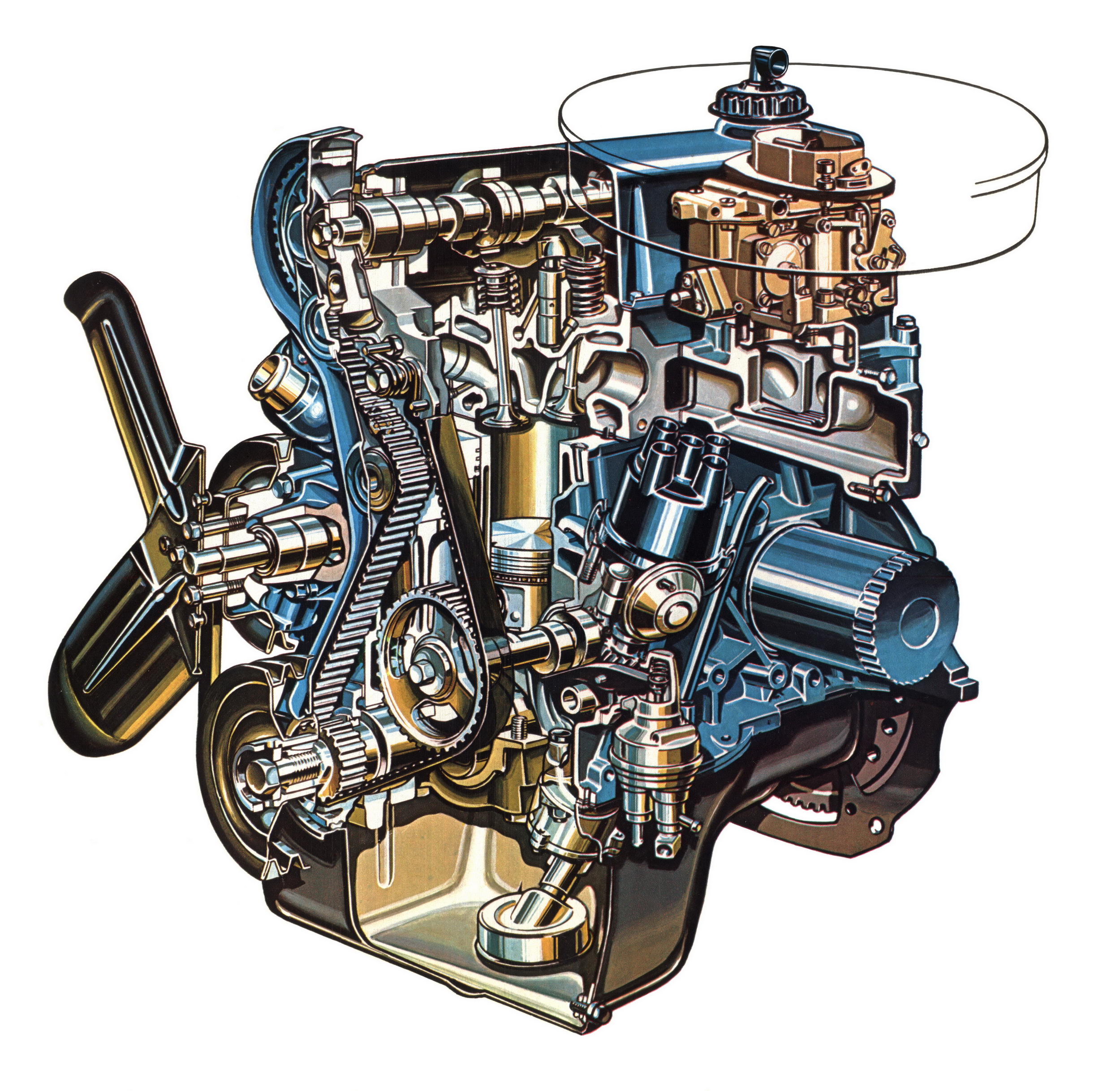
When the Ford Ranger debuted for the 1983 model year as a replacement for the Courier, it utilized a version of the Lima engine family, originally designed in the 1970s. This engine featured a cast-iron block and a cast-iron cylinder head, utilizing a belt-driven single overhead camshaft (SOHC) configuration with two valves per cylinder.
Initially carbureted, the engine quickly transitioned to fuel injection, specifically Ford’s EEC-IV electronic engine control system. During this era, the 2.3L Lima was prized for its ruggedness. It featured a non-interference design in many of its early configurations, meaning that a snapped timing belt would not result in piston-to-valve contact, saving the engine from catastrophic internal damage.
The 2.3L DOHC Duratec Era (2001–2011)
After a brief hiatus where the base four-cylinder displacement was bumped to 2.5 liters, Ford reintroduced a 2.3-liter four-cylinder engine to the Ranger lineup in 2001. This was part of the Mazda-derived L-engine family, commonly known as the Duratec 23.
Unlike the older Lima engine, the Duratec featured an aluminum block and an aluminum cylinder head, dual overhead cams (DOHC), and four valves per cylinder. It utilized a maintenance-free timing chain rather than a rubber belt and incorporated balance shafts to smooth out the inherent vibrations of a large displacement inline-four engine. This iteration produced 135 horsepower and 153 lb-ft of torque, offering a significant refinement in smoothness and high-RPM power compared to its pushrod predecessor.
The Modern EcoBoost Era (2019–Present)
When the Ford Ranger returned to the North American market for the 2019 model year, it featured a single engine option: the 2.3-liter EcoBoost GTDI (Gasoline Turbocharged Direct Injection) inline-four. Derived from the global Ford EcoBoost architecture, this engine utilizes a twin-scroll turbocharger, high-pressure direct fuel injection, and dual independent variable cam timing (Ti-VCT).
Generating 270 horsepower and a substantial 310 lb-ft of torque, the modern 2.3L EcoBoost completely redefines what a four-cylinder Ranger can achieve, offering towing and hauling capabilities that rival historical V6 configurations while maintaining high fuel efficiency.
Mechanical Specifications and Performance Comparison
Evaluating the technical specifications across the primary iterations of the 2.3L engine highlights the dramatic shifts in automotive engineering over four decades.
| Generation | Years Active | Block/Head Material | Valvetrain | Induction | Horsepower | Torque |
|---|---|---|---|---|---|---|
| Lima (2.3L) | 1983–1997 | Cast Iron / Cast Iron | SOHC, 2 Valves/Cylinder | Naturally Aspirated | 85–100 hp | 120–135 lb-ft |
| Duratec 23 | 2001–2011 | Aluminum / Aluminum | DOHC, 4 Valves/Cylinder | Naturally Aspirated | 135 hp | 153 lb-ft |
| EcoBoost | 2019–Present | Aluminum / Aluminum | DOHC, 4 Valves/Cylinder | Turbocharged Direct Injection | 270 hp | 310 lb-ft |
Fuel Economy and Operational Efficiency
Fuel economy has always been a primary selling point for the 2.3L Ranger. While the older Lima engines achieved respectable gas mileage for carbureted or early fuel-injected trucks, they were hindered by three-speed automatic or five-speed manual transmissions with limited overdrive ratios.
The Duratec 23 models paired with a 5-speed manual or 5-speed automatic transmission typically achieved EPA ratings in the low-to-mid 20s combined. The modern EcoBoost, paired with a 10-speed automatic transmission, maximizes its efficiency band, delivering strong EPA ratings near 21 mpg city and 26 mpg highway for rear-wheel-drive configurations, even while outputting more than double the torque of the original 1983 models.
Common Maintenance Requirements and Troubleshooting
While all three iterations of the 2.3L engine are generally regarded as reliable workhorses, each has specific maintenance intervals and known mechanical quirks that owners must address to ensure longevity.
Lima 2.3L Maintenance
- Timing Belt Replacement: The Lima engine uses a rubber timing belt that requires replacement every 60,000 miles. Failing to change this belt can leave you stranded, though early non-interference versions protect internal components from damage.
- Valve Clearances: Early Lima engines utilize mechanical valve lifters that require manual clearance adjustments using shims or an adjustable rocker arm setup depending on the exact year. Neglecting this leads to noisy valve train operation and potential valvetrain wear.
- Oil Leaks: Common sources of oil weeping include the valve cover gasket and the front crankshaft or camshaft seals.
Duratec 23 Maintenance
- Timing Chain Guides: While the Duratec uses a durable timing chain, the plastic chain guides and tensioners can wear out over high mileage (typically past 150,000 miles). Listen for rattling noises on cold startups.
- Intake Manifold Runners: The Duratec intake manifold features swirl control flaps controlled by electronic actuators. Carbon buildup or actuator failure can cause rough idling or check engine lights related to runner control codes.
- Spark Plug Wells: The valve cover gasket design includes spark plug tube seals. If these seals degrade, oil can pool in the spark plug wells, leading to misfires.
EcoBoost 2.3L Maintenance
- Direct Injection Carbon Buildup: Because fuel is sprayed directly into the combustion chambers rather than washing over the back of the intake valves, intake valves can accumulate carbon deposits over time, potentially requiring walnut blasting or chemical cleaning past 100,000 miles.
- Turbocharger Intercooler Condensation: Early models of the modern EcoBoost experienced issues with moisture accumulating in the intercooler during high-humidity, high-load towing conditions, which could cause a momentary stumble upon heavy acceleration.
- Oil Change Intervals: Direct injection engines subject engine oil to fuel dilution under heavy stop-and-go driving. Adhering to strict 5,000-mile synthetic oil change intervals is critical for turbocharger longevity.
Applications, Utility, and Practical Real-World Performance
The utility of a 2.3L-powered Ford Ranger depends heavily on the generation. Understanding the payload and towing limits prevents mechanical strain and safety hazards.
- 2.3L Ranger Capability Hierarchy
- Modern EcoBoost (2019+) -> Towing up to 7,500 lbs
- Duratec 23 (2001-2011) -> Light Utility / Towing up to 1,500 lbs
- Lima SOHC (1983-1997) -> Basic Commuter / Payload hauling
The Vintage Workhorse (Lima and Duratec)
Rangers equipped with the Lima or Duratec engines are fundamentally light-duty utility vehicles. They excel as farm trucks, tradesman runabouts, and affordable fuel-efficient commuters. However, towing heavy loads with these naturally aspirated four-cylinders requires patience. With outputs under 155 lb-ft of torque, highway merging with a loaded bed or a small trailer demands careful planning, and steep grades will require dropping down a gear or two to maintain momentum.
The Modern Powerhouse (EcoBoost)
Conversely, the modern 2.3L EcoBoost Ranger bridges the gap between mid-size utility and full-size capability. With 310 lb-ft of torque peaking low in the RPM band (typically around 3,000 RPM), it pulls trailers and hauls payloads with authority. When properly equipped with the trailer tow package, a modern 2.3L Ranger can tow up to 7,500 pounds, making it a viable option for towing campers, boats, and equipment trailers without stepping up to a larger V6 or diesel platform.
Frequently Asked Questions
Is the 2.3L Lima engine an interference engine?
Most versions of the 2.3L Lima engine produced for the Ford Ranger are non-interference designs. If the timing belt snaps while driving, the pistons will generally not strike the open valves, allowing owners to simply install a new belt and timing components to restore operation. However, late-model variants or modified high-compression builds should always be verified individually.
How many miles can a Ford Ranger 2.3L engine last?
With proper maintenance—including regular oil changes, coolant flushes, and timely replacement of wear items like timing belts or spark plugs—both the vintage Lima and Duratec engines easily exceed 200,000 to 250,000 miles before requiring major internal rebuilding. The modern EcoBoost platform shares this robust bottom-end durability, provided the turbocharger and direct-injection fuel system are properly maintained.
Can I tow a trailer with a naturally aspirated 2.3L Ranger?
Yes, but within strict weight limits. Models equipped with the 2.3L Lima or Duratec 23 are best suited for light utility trailers, small pop-up campers, or utility beds under 1,500 to 2,000 pounds. Exceeding these limits significantly degrades braking performance, transmission life, and highway safety.
What is the difference between the Lima 2.3L and the Duratec 23?
The primary differences lie in their architecture and metallurgy. The Lima is a heavy cast-iron pushrod-style SOHC engine designed for durability and low-end grunt in early trucks. The Duratec 23 is a lightweight aluminum DOHC engine designed for better breathing, higher revving, improved fuel efficiency, and smoother power delivery in later compact Rangers.
Why does the modern 2.3L EcoBoost require premium fuel?
While the modern 2.3L EcoBoost engine can run safely on standard 87-octane regular unleaded fuel due to its advanced knock sensors and ECU tuning, using 91-octane or higher premium fuel unlocks its maximum advertised horsepower and torque figures. The engine management system automatically retards ignition timing on lower octane fuel to prevent engine knock, resulting in a minor reduction in peak output.
Conclusion and Next Actions
Whether you are restoring a classic 1980s square-body Ranger with a Lima four-banger, maintaining a daily-driver Duratec from the 2000s, or operating a modern turbocharged EcoBoost model, the 2.3L displacement remains a cornerstone of the Ford Ranger identity. To ensure optimal performance, verify your specific engine generation, consult your owner's manual for precise fluid specifications, and prioritize preventative maintenance on timing components and cooling systems. Inspect your vehicle's service records today to establish a reliable baseline for oil changes and spark plug replacements.