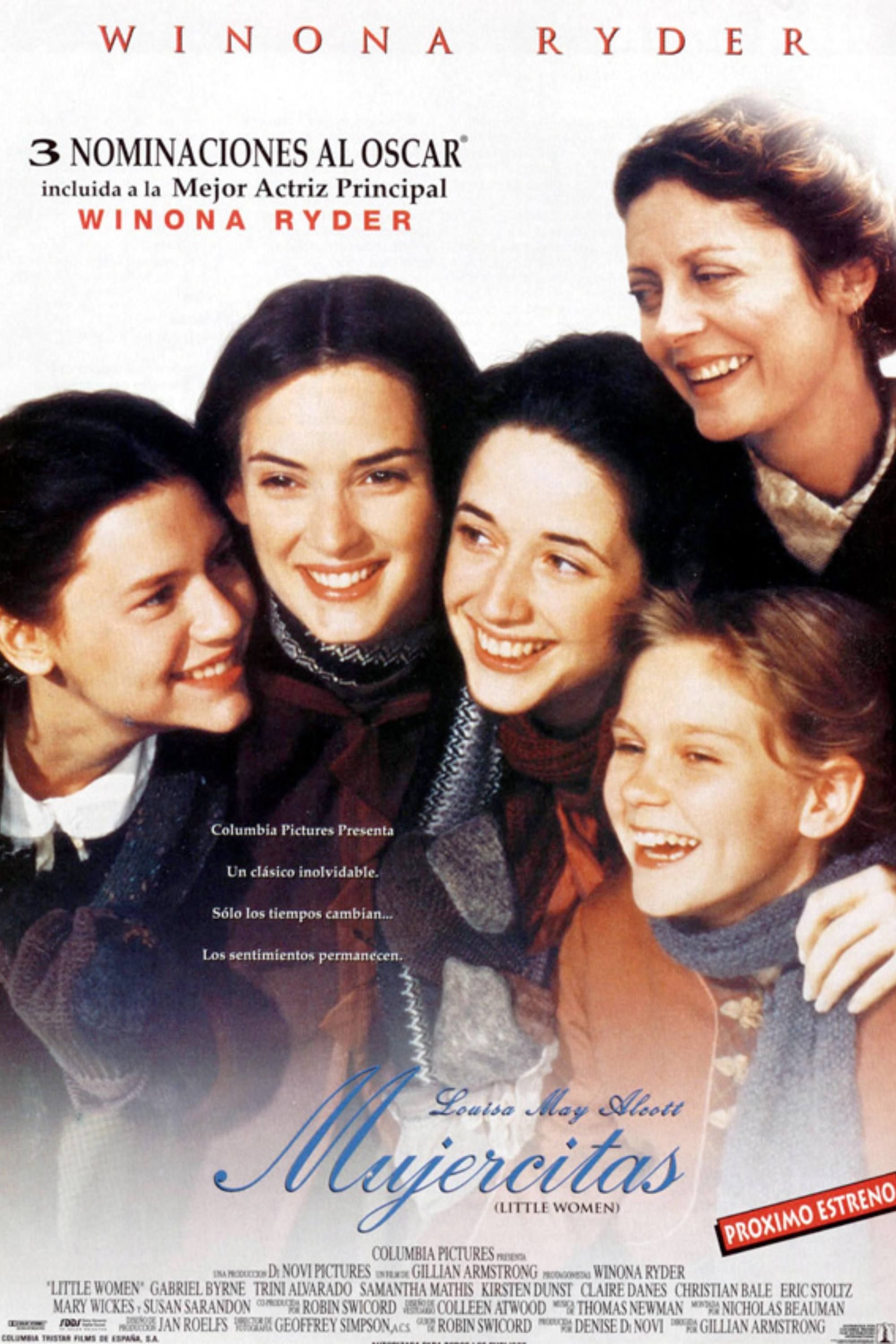
The 1994 film adaptation of Little Women, directed by Gillian Armstrong, features a celebrated ensemble cast including Winona Ryder as Jo March, Christian Bale as Laurie, Susan Sarandon as Marmee, and Kirsten Dunst as young Amy March. This version is widely praised for its authentic performances, capturing the warmth and feminist undertones of Louisa May Alcott's classic novel.
Released in December 1994, this adaptation remains a touchstone of 1990s cinema. Unlike previous versions, the 1994 film emphasized the intellectual and creative pursuits of the March sisters, bolstered by a cast that transitioned from established Hollywood veterans to rising stars who would define the next three decades of film. As we look back from 2026, the 1994 production stands as a pivotal moment for several "A-list" careers, particularly those of Winona Ryder and Christian Bale.
The March Sisters: Heart and Soul of the Film
The casting of the four March sisters was critical to the film’s success. Director Gillian Armstrong sought to create a believable domestic environment where the bond between the siblings felt lived-in and genuine.
Winona Ryder as Josephine "Jo" March
At the time of filming, Winona Ryder was one of the most sought-after actresses in Hollywood. Her portrayal of Jo March earned her an Academy Award nomination for Best Actress. Ryder brought a modern, spirited energy to the role, balancing Jo’s fierce independence with her deep vulnerability. In 2026, critics still point to Ryder’s performance as the definitive Jo for Gen X and Millennials, noting how she captured the specific frustration of a female writer in the 19th century.
Trini Alvarado as Margaret "Meg" March
Trini Alvarado played Meg, the eldest sister who grapples with the transition from girlhood to the responsibilities of marriage and poverty. Alvarado’s performance provided a necessary groundedness to the group. Her chemistry with Eric Stoltz (who played John Brooke) underscored the film's exploration of traditional vs. radical domesticity.
Claire Danes as Elizabeth "Beth" March
In her first major film role, a young Claire Danes delivered a hauntingly fragile performance as Beth. Danes, who would soon go on to star in Romeo + Juliet and Homeland, was praised for her ability to convey Beth’s quiet strength and tragic fate without resorting to sentimentality. The scenes between Danes and Winona Ryder remain some of the most emotionally resonant moments in the film.
The Two Amys: Kirsten Dunst and Samantha Mathis
One of the most discussed casting decisions in the 1994 version was the split of the Amy March role.
- Kirsten Dunst: Playing young Amy, Dunst was a breakout star in 1994 (the same year she appeared in Interview with the Vampire). She captured Amy’s precociousness and occasional vanity with a charm that made the character likable despite her flaws.
- Samantha Mathis: As the adult Amy, Mathis stepped into the role during the film's later European sequence. She portrayed a more refined, artistically ambitious version of the character, successfully managing the transition of Amy from a bratty child to a sophisticated woman.
The Supporting Cast: Wisdom and Romance
The world of the March sisters was populated by a supporting cast that provided the necessary historical and emotional context for their growth.
Susan Sarandon as Abigail "Marmee" March
Susan Sarandon’s Marmee was a departure from earlier, more "saintly" portrayals of the March matriarch. Sarandon played her as a social activist and a weary but resilient mother who encouraged her daughters' radical self-expression. This performance aligned with the film’s feminist lens, highlighting the labor and philosophy behind Marmee’s parenting.
Christian Bale as Theodore "Laurie" Laurence
Before he was an Oscar winner or the Dark Knight, Christian Bale was the definitive Laurie for a generation. Bale brought a sense of brooding longing and playful camaraderie to the role. His chemistry with Winona Ryder was so palpable that it fueled decades of fan debate regarding Jo's decision to reject Laurie’s proposal. By 2026, Bale’s transformation from the "boy next door" in Little Women to a physical chameleon in his later career remains a significant point of cinematic study.
Gabriel Byrne as Friedrich Bhaer
Gabriel Byrne provided a mature, intellectual counterpart to Winona Ryder’s Jo. As the German professor in New York, Byrne’s Bhaer was portrayed with a gentle gravity. The film took care to show their relationship as a meeting of minds, which helped justify Jo's eventual romantic shift away from the youthful passion of Laurie.
Eric Stoltz and Mary Wickes
- Eric Stoltz: Playing John Brooke, Stoltz represented the humble, hardworking ideal of the era.
- Mary Wickes: As Aunt March, the legendary character actress Mary Wickes provided the film’s comic relief and structural tension. This was one of Wickes’ final roles, and she delivered the character’s sharp-tongued pragmatism with perfection.
Comparative Cast Overview: 1994 vs. 2019
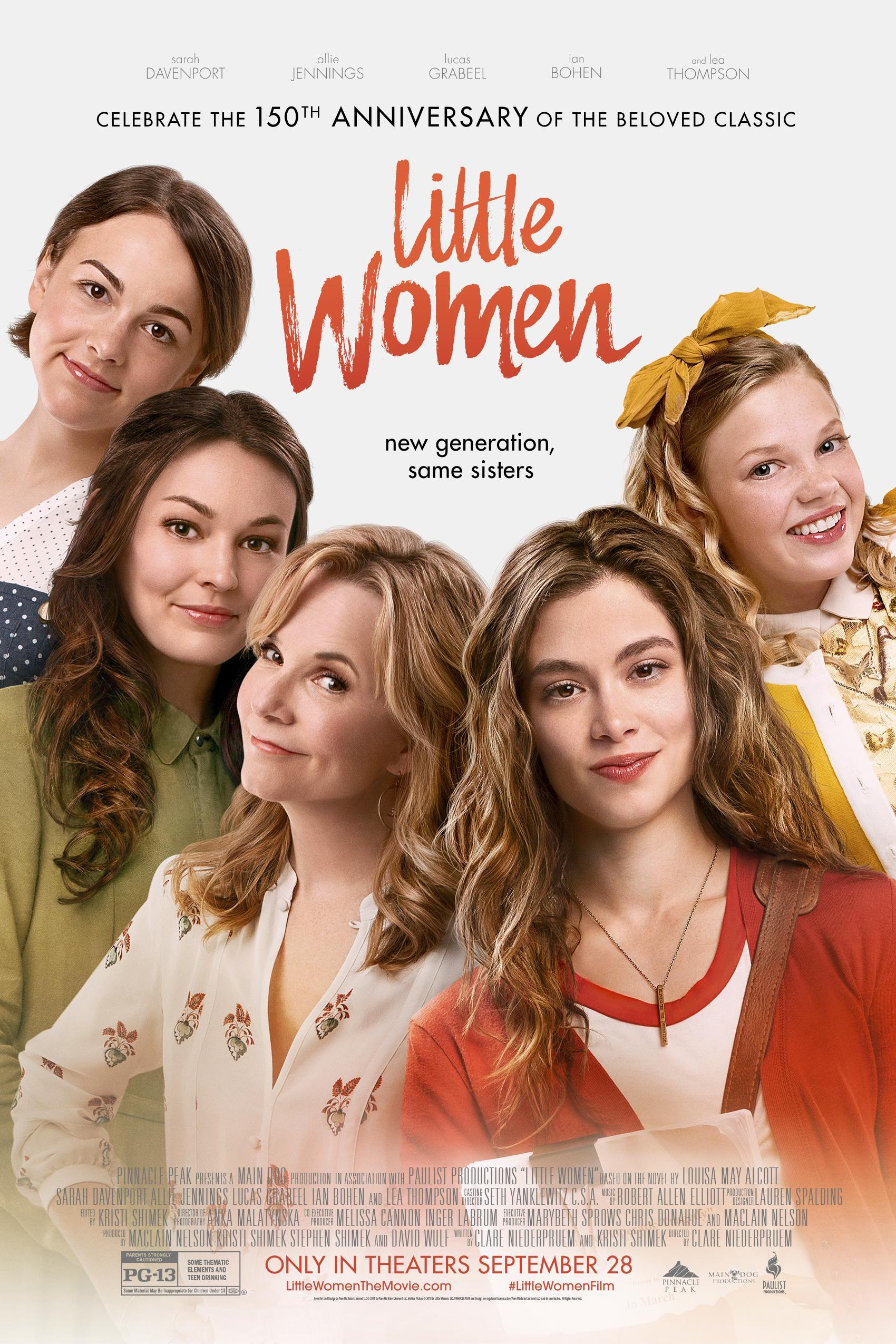
For viewers comparing the 1994 version with Greta Gerwig's 2019 adaptation, the casting differences highlight the evolving styles of Hollywood ensembles.
| Role | 1994 Cast Member | 2019 Cast Member | Impact of 1994 Performance |
|---|---|---|---|
| Jo March | Winona Ryder | Saoirse Ronan | Set the standard for the modern, "tomboy" Jo. |
| Laurie | Christian Bale | Timothée Chalamet | Emphasized Laurie’s transition from boy to man. |
| Marmee | Susan Sarandon | Laura Dern | Introduced a more politically active, vocal Marmee. |
| Amy (Young) | Kirsten Dunst | Florence Pugh* | Established Amy as a character with her own agency. |
| Beth March | Claire Danes | Eliza Scanlen | Focused on the internal life and shyness of Beth. |
| Aunt March | Mary Wickes | Meryl Streep | Provided a classic, stern Victorian interpretation. |
*Note: Florence Pugh played both young and adult Amy in the 2019 version, whereas the 1994 version used two different actresses.
Behind the Scenes: The Creative Vision
The excellence of the cast was supported by a technical crew that prioritized historical accuracy and atmospheric beauty.
Gillian Armstrong’s Direction
As an Australian director, Armstrong brought a fresh perspective to this quintessential American story. She focused on the "hand-made" feel of the 19th century, ensuring the costumes and sets felt worn and real rather than theatrical. Her ability to manage such a high-profile ensemble cast was a major factor in the film's critical acclaim.
Screenplay and Score
The screenplay by Robin Swicord integrated dialogue from Alcott’s letters and other writings, giving the cast more depth to work with than previous scripts. This allowed actors like Susan Sarandon to voice more progressive ideas. Furthermore, the musical score by Thomas Newman became an instant classic, often cited as one of the best film scores of the 90s for its ability to evoke both nostalgia and hope.
The Long-Term Career Impact of the 1994 Cast
As of 2026, the legacy of the 1994 Little Women cast is visible in the enduring careers of its stars.
- Winona Ryder: After a career hiatus in the early 2000s, Ryder saw a massive resurgence through Stranger Things. However, Little Women remains her most critically respected leading role in a period drama.
- Christian Bale: Bale used the momentum from Little Women to transition into more adult roles, eventually becoming one of the most acclaimed actors of his generation.
- Kirsten Dunst: Dunst parlayed her success as young Amy into a prolific career, moving from teen hits like Bring It On to serious dramatic work in Melancholia and The Power of the Dog.
- Claire Danes: Following Little Women, Danes became a television powerhouse, winning multiple Emmys and Golden Globes.
Why the 1994 Cast Still Matters in 2026
Despite the success of the 2019 version, the 1994 cast is often viewed as the most "faithful" in terms of capturing the specific coziness of the March household. The 1994 version relies less on non-linear storytelling and more on the raw, chronological development of the characters. This makes the performances feel more traditional, which many fans of the original novel prefer.
The casting of Winona Ryder and Christian Bale, in particular, created a cultural archetype for the "Jo and Laurie" relationship. Their screen presence captured a specific type of adolescent longing that remains timeless. Even three decades later, their performances are the metric by which new adaptations are measured.
Frequently Asked Questions
Why did they use two actresses for Amy in the 1994 version?
Director Gillian Armstrong felt that the physical and emotional gap between a 12-year-old Amy and a 19-year-old Amy was too significant for one actress to portray convincingly at the time. Kirsten Dunst provided the youthful energy needed for the first half of the film, while Samantha Mathis brought the necessary maturity for the scenes in Europe and the eventual romance with Laurie.
Was the 1994 version of Little Women filmed in Concord?
While the story is set in Concord, Massachusetts, the 1994 movie was primarily filmed in British Columbia, Canada. Specifically, the town of Cobble Hill on Vancouver Island was used to recreate the 1860s New England setting. The production design was so meticulously handled that it earned an Academy Award nomination.
Did Winona Ryder win an Oscar for Little Women?
Winona Ryder was nominated for the Academy Award for Best Actress for her role as Jo March, but she did not win. The award that year went to Jessica Lange for Blue Sky. However, the nomination solidified Ryder’s status as a top-tier dramatic actress.
Is the 1994 version considered better than the 2019 version?
"Better" is subjective. The 1994 version is often praised for its "cozy," linear, and traditionally heartfelt approach. The 2019 version, directed by Greta Gerwig, is lauded for its innovative non-linear structure and modern thematic depth. Many viewers find that the 1994 cast captures the "spirit" of the book's time period more effectively.
How old were the actors during filming?
During the 1994 production, Winona Ryder was 22, Christian Bale was 19, Claire Danes was 14, and Kirsten Dunst was 11. The relative youth of the cast helped contribute to the film's authentic feeling of coming-of-age.
Final Recommendation for Viewers
For those looking to experience the most emotionally resonant and aesthetically "classic" version of Louisa May Alcott's story, the 1994 Little Women remains the primary choice. Its cast represents a unique moment in Hollywood history where established legends and future superstars converged to create a definitive piece of cinema. Whether you are a student of film history or a casual viewer, focusing on the performances of Winona Ryder and Christian Bale provides the best entry point into why this specific adaptation has endured for over 30 years.