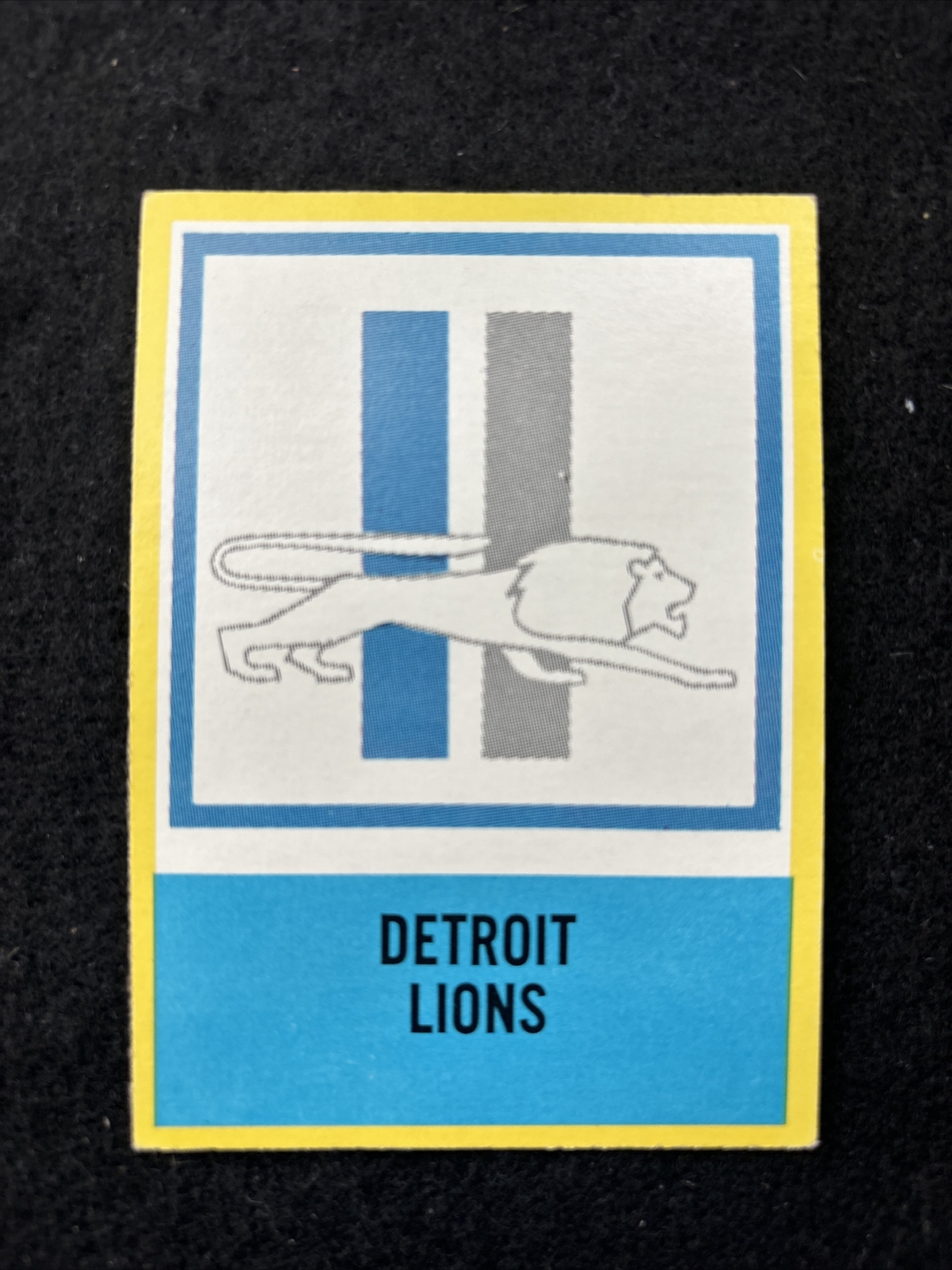
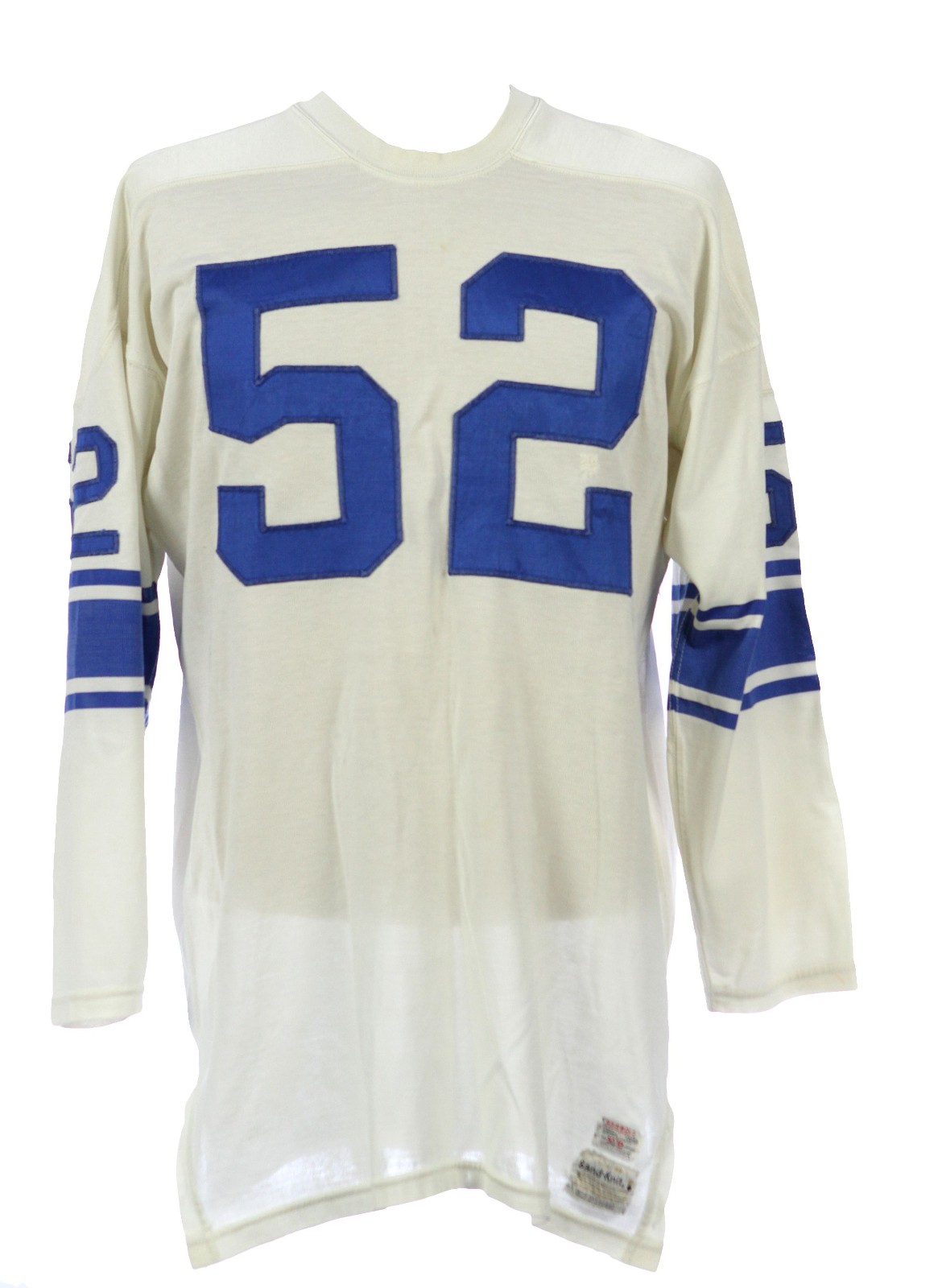
The 1967 Detroit Lions season marked a pivotal turning point for a historic National Football League franchise navigating generational shifts, front-office re-alignment, and the dawn of a new era of professional football competition just as the AFL-NFL merger agreement began to take visible shape across the league landscape.
The Historical Context of the 1967 NFL Landscape
To understand the 1967 Detroit Lions, one must examine the macro-level shifts occurring across professional football. The 1967 season was the first in NFL history featuring a newly expanded 16-team alignment split into two conferences and four divisions, a direct consequence of the 1966 AFL-NFL merger agreement. The Lions were placed in the newly formed Western Conference's Central Division, alongside the Green Bay Packers, Chicago Bears, and Minnesota Vikings—a brutally physical grouping often referred to as the "Black and Blue Division."
For Detroit, the late 1960s represented a desperate search for identity following the departure of legendary personnel from their dominant 1950s championship era. The franchise was transitioning away from aging veterans toward a younger core of players drafted to match the evolving tactical demands of modern head coaches. Management recognized that maintaining competitiveness in a rapidly modernizing league required sweeping structural updates, ranging from scouting pipelines to training methodologies and playbook complexity.
Coaching Leadership and Front Office Strategy
Entering the 1967 campaign, head coach Harry Gilmer faced immense pressure to stabilize a roster searching for consistency. Gilmer, a former star player himself, emphasized discipline, conditioning, and a more aggressive tactical approach on both sides of the ball. However, the front office, led by general manager Russ Thomas and ownership under William Clay Ford Sr., understood that sustainable success required more than short-term fixes.
The coaching staff implemented significant strategic adjustments during the 1967 training camp. Offensively, the team sought to diversify its play-calling, moving away from predictable formations to exploit mismatches against increasingly sophisticated defensive schemes. Defensively, the Lions focused on bolstering their front seven to contend with elite running attacks fielded by division rivals like Green Bay and Chicago. This strategic pivot laid the groundwork for the fearsome defensive units that would define the franchise in the early 1970s.
Roster Composition and Key Personnel
The 1967 Detroit Lions roster featured an intriguing blend of gritty veterans and promising young talent. The quarterback position underwent careful evaluation, with management attempting to balance immediate execution against long-term stability. The offensive line underwent notable shuffling to protect the backfield and establish a reliable running game capable of controlling the clock in hostile outdoor stadiums across the Midwest.
Defensively, the team relied heavily on seasoned leadership to anchor a unit tasked with stopping some of the most prolific offenses of the era. The integration of high-draft picks and agile rookies injected much-needed speed into the secondary and linebacker corps.
Key Roster Dynamics
- Quarterback Stability: The coaching staff tested multiple signal-callers to find a reliable leader who could execute the playbook under heavy pass rush pressure.
- Defensive Front Seven: Emphasized disciplined gap control and aggressive pass-rushing fundamentals to disrupt opposing pocket passers.
- Special Teams Integration: Placed a renewed focus on field position battle strategies, recognizing the thin margins in the competitive Central Division.
- Rookie Contributions: First- and second-year players were thrust into meaningful game action, accelerating their development despite occasional growing pains.
Season Breakdown: Key Games and Turning Points
The 1967 schedule was a grueling gauntlet. Playing in the Central Division meant facing Vince Lombardi’s powerhouse Green Bay Packers twice, alongside fierce home-and-away contests against traditional rivals.
The Lions demonstrated flashes of brilliance, stunning analysts with disciplined defensive stands and explosive offensive plays. Yet, consistency remained an elusive quarry. Close losses in the fourth quarter highlighted depth issues and the challenges of executing a complex playbook against elite, veteran-laden opponents. These contests served as valuable crucible moments for a young roster learning how to win tight, high-stakes professional football games.
| Week / Opponent | Division Context | Strategic Focus | Result / Significance |
|---|---|---|---|
| Early Season Matchups | Central Division Opener | Establishing defensive identity | Highlighted early structural improvements in stopping the run. |
| Mid-Season Tests | Inter-conference / Division | Offensive rhythm and turnover reduction | Exposed vulnerabilities in passing game execution under pressure. |
| Late-Season Clashes | Division Rematches | Fourth-quarter execution and depth | Tested physical resilience against elite conference opponents. |
Tactical Evolution: Offense and Defense
The strategic transformation of the 1967 Lions is best observed through their tactical playbook adjustments. On offense, the coaching staff experimented with formation shifts designed to isolate linebackers in pass coverage and create running lanes off tackle. While execution was occasionally hindered by personnel limitations, the conceptual foundation previewed modern offensive philosophy.
On the defensive side, the Lions began adopting zone-blitz concepts and more versatile coverage shells to counter the West Coast precursors and vertical passing attacks emerging across the league. Linebackers were asked to shoulder greater coverage responsibilities, requiring higher athletic versatility than what had been demanded of defenders in previous decades.
Legacy and Impact on the Franchise's Future
Though the 1967 Detroit Lions did not capture a division title or secure a postseason berth, the campaign cannot be judged solely by its final win-loss record. It was a foundational season of transformation. The lessons learned during the 1967 trials forced management to refine their draft board strategies, upgrade training facilities, and commit to a patient, systematic rebuilding process.
Many of the structural changes implemented during this period bore fruit in subsequent years, helping transform the Lions into consistent playoff contenders during the turbulent and exciting era of 1970s NFL football. For historians and dedicated fans of the franchise, 1967 remains a vital chapter—the bridge between an fading past and a hard-fought modern era.
Frequently Asked Questions
What made the 1967 Detroit Lions season a period of transformation?
The season marked a major structural shift as the franchise adjusted to the new NFL divisional alignment following the AFL-NFL merger agreement. Management and coaches overhauled tactical approaches, integrated younger talent, and modernized training philosophies to compete in the rugged Central Division.
Who was the head coach of the Detroit Lions in 1967?
Harry Gilmer served as the head coach of the Detroit Lions during the 1967 NFL season, guiding the team through a challenging schedule while implementing key roster and tactical adjustments.
Which division did the Detroit Lions play in during 1967?
The Lions played in the newly formed Western Conference Central Division, alongside the Green Bay Packers, Chicago Bears, and Minnesota Vikings—a grouping widely known for its physical brand of football.
How did the 1967 season impact the future of the franchise?
While the immediate win-loss record reflected a team in transition, the experiences of the 1967 roster exposed critical personnel needs and tactical flaws. This data guided front-office decisions in subsequent drafts and free-agent periods, laying groundwork for future competitiveness.
Where can researchers find official historical records of the 1967 NFL season?
Official historical records, box scores, and statistical archives are maintained by the Pro Football Hall of Fame and official NFL historical documentation portals, offering verified game-by-game data.
Conclusion
To fully appreciate the trajectory of professional football in Detroit, one must look closely at the crucible of the 1967 season. By embracing tough tactical changes and committing to a long-term vision, the organization weathered immediate growing pains to build a competitive foundation. Reviewing historical archives and official game logs offers deeper insights into how the franchise navigated this critical crossroads.