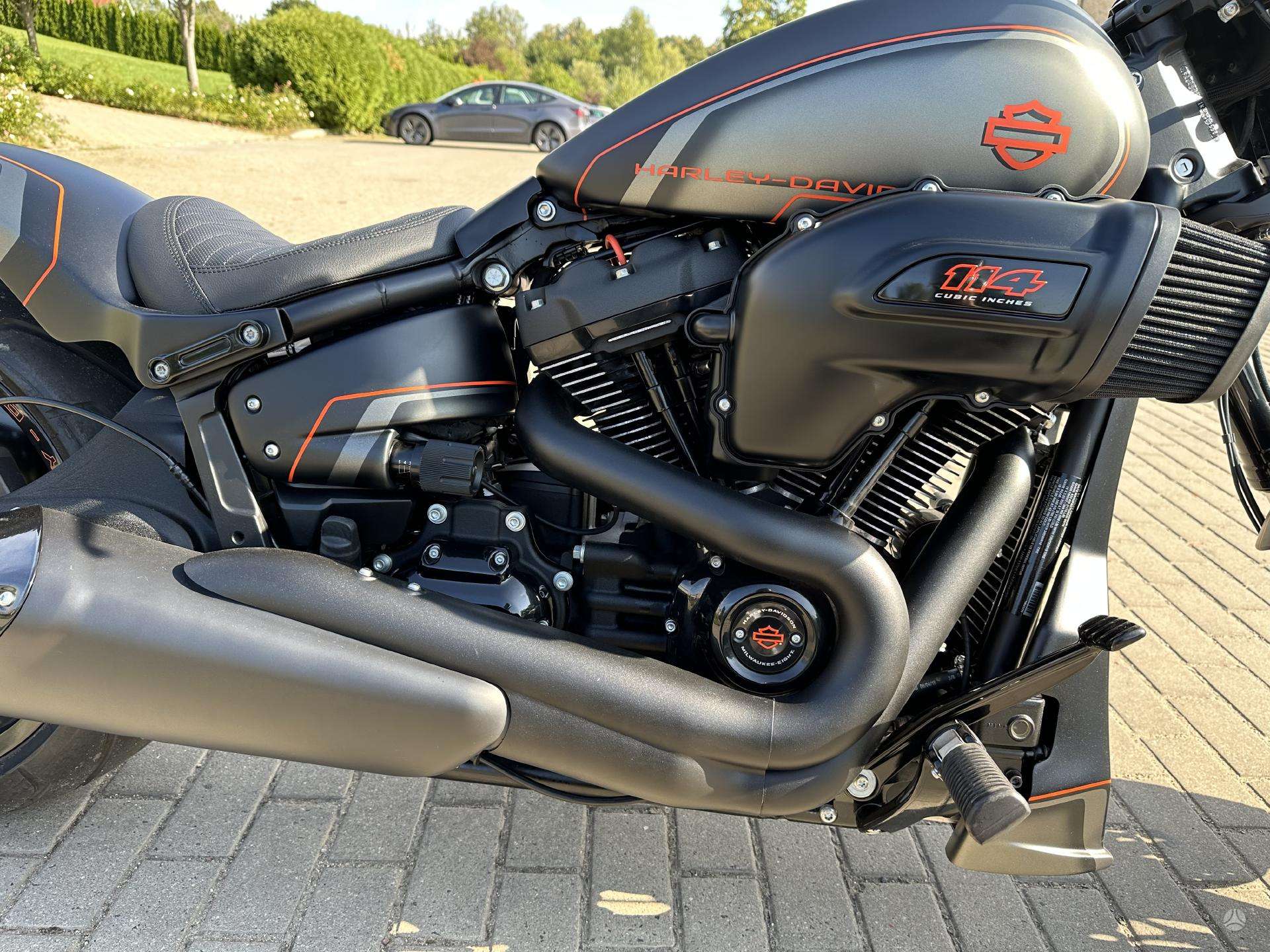
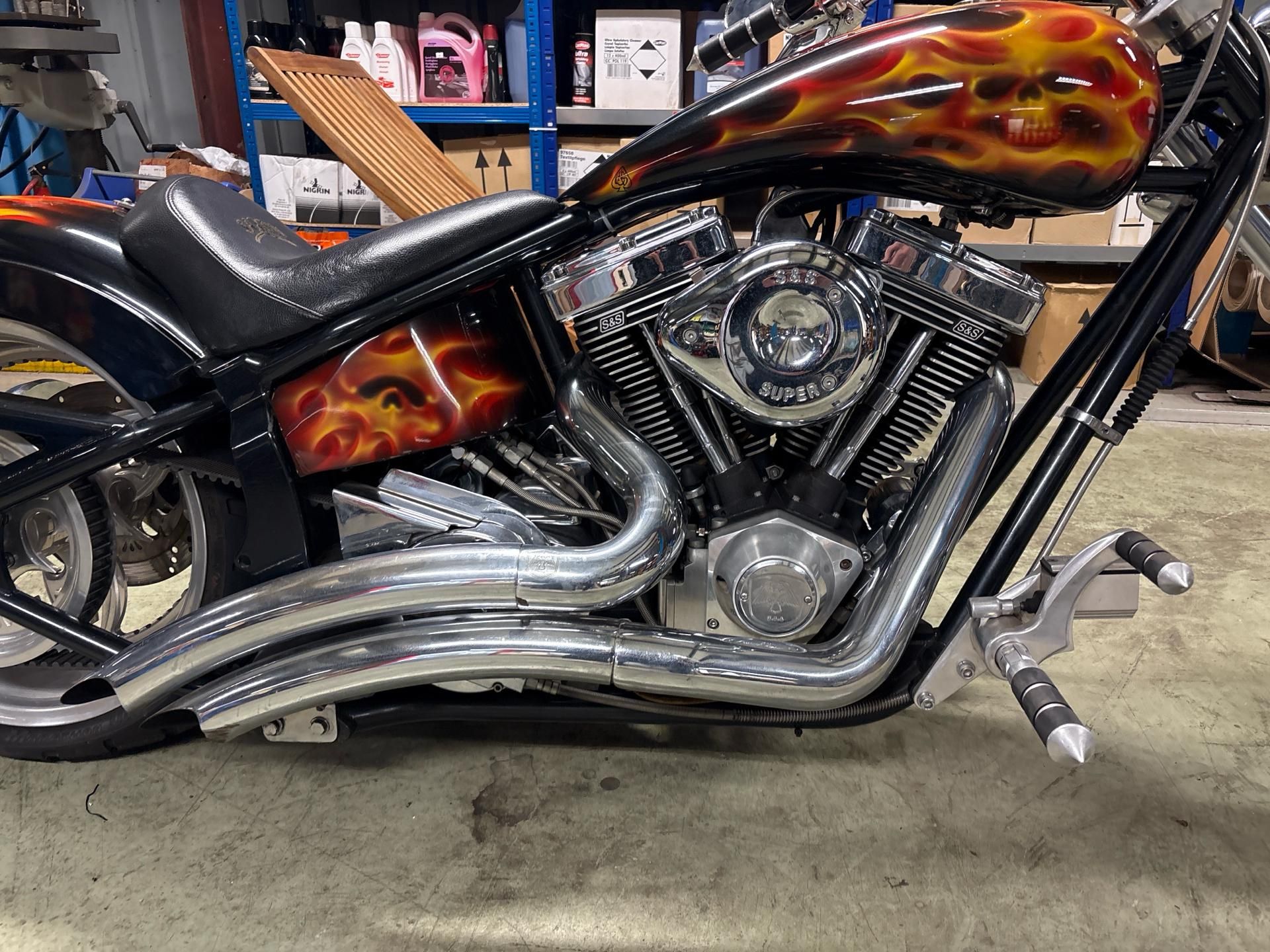
The 1800cc Harley-Davidson engine category primarily encompasses modern large-displacement V-twin powerplants like the Milwaukee-Eight 114 and 117 cubic inch engines, which displace approximately 1,868cc to 1,923cc. These engines deliver high torque, modern thermal management, and four-valve cylinder heads to meet performance and regulatory standards.
Evolution of Modern Harley-Davidson Large-Displacement Powerplants
The landscape of Harley-Davidson’s large-displacement V-twin engines has transformed significantly over the past two decades. For generations, the brand relied heavily on air-cooled architectures such as the Evolution and Twin Cam engines. While these powerplants defined the classic cruiser aesthetic and sound, shifting market demands, higher consumer expectations for reliability, and increasingly stringent global emissions regulations necessitated a complete engineering overhaul.
When Harley-Davidson introduced the Milwaukee-Eight engine family, it marked a departure from traditional design parameters while honoring the iconic 45-degree V-twin cylinder angle. Displacing roughly 1,868cc (114 cubic inches) and 1,923cc (117 cubic inches), these engines sit squarely in the modern 1,800cc-plus tier. They bridge the gap between traditional cruiser character and modern mechanical refinement. By integrating four-valve cylinder heads, dual spark plugs per cylinder, and advanced electronic engine management systems, engineers unlocked a new era of volumetric efficiency and thermal control.
Understanding this lineage requires looking at how displacement scaling affects power delivery. As riders demand heavier touring chassis loaded with infotainment systems, safety electronics, and luggage, the engine must haul greater gross vehicle weight ratings (GVWR) without sacrificing the low-end roll-on acceleration characteristic of American cruisers. The 1800cc class represents the sweet spot for these heavy touring and performance cruiser platforms, balancing massive displacement with everyday rideability.
Core Architectural and Mechanical Specifications
At the heart of any 1800cc-class Harley-Davidson engine is a meticulously engineered lower and upper end designed to withstand high torque loads. The Milwaukee-Eight 114, which measures 114 cubic inches (1,868cc), utilizes a bore of 4.016 inches (102 mm) and a stroke of 4.5 inches (114.3 mm). The larger 117 cubic inch variant pushes displacement to 1,923cc by expanding the bore to 4.075 inches (103.5 mm) while maintaining the same stroke.
| Engine Variant | Displacement | Bore x Stroke | Compression Ratio | Valvetrain Configuration | Cooling System |
|---|---|---|---|---|---|
| Milwaukee-Eight 114 | 1,868 cc (114 ci) | 102.0 mm × 114.3 mm | 10.5:1 | Single Cam, 4 Valves / Cylinder | Precision-Cooled / Air-Oil |
| Milwaukee-Eight 117 | 1,923 cc (117 ci) | 103.5 mm × 114.3 mm | 10.2:1 to 10.5:1 | Single Cam, 4 Valves / Cylinder | Precision-Cooled / Twin-Cooled |
| S&S Cycle T111 / T124 (Aftermarket) | ~1,810 cc to 2,032 cc | Varies by build | 10.8:1 | Pushrod, High-Lift | Air/Oil Cooled |
The valvetrain architecture relies on a single chain-driven camshaft that actuates four valves per cylinder via pushrods and rocker arms. This layout reduces mechanical complexity compared to overhead-cam designs while doubling the breathing capacity of traditional two-valve Harley engines. Dual spark plugs per cylinder ignite the compressed air-fuel mixture from opposite sides of the combustion chamber, ensuring a more complete and rapid burn. This dual-plug setup reduces detonation risks, allows for higher compression ratios, and improves fuel efficiency during cruising conditions.
Lower-end durability is managed through a heavy-duty single-piece crankshaft and robust connecting rods, housed within a stiff aluminum crankcase. Internal balancing systems are critical in these large displacement engines; internal counterbalancers eliminate roughly 75 percent of primary vibration at idle, smoothing out the riding experience while retaining the distinct pulsing rhythm expected from a 45-degree V-twin.
Cooling Strategies: Air, Oil, and Precision Cooling
Managing thermal energy is one of the greatest engineering challenges in a high-displacement, air-cooled or semi-liquid-cooled V-twin operating in heavy traffic or hot ambient temperatures. Harley-Davidson addresses this in the 1800cc tier through sophisticated thermal management configurations, often split between Precision-Cooled and Twin-Cooled systems depending on the specific model tier (such as standard Softail versus premium Grand American Touring bikes).
Precision cooling utilizes targeted liquid jackets surrounding the hottest areas of the cylinder heads—specifically around the exhaust ports. By circulating coolant through these high-stress zones before routing it to hidden radiators, the engine maintains tighter mechanical tolerances, reduces oil degradation, and improves rider comfort by lowering radiant heat hitting the legs. Twin-Cooled variants expand this liquid cooling to manage thermal spikes more aggressively under sustained heavy loads, such as riding two-up across desert environments or navigating prolonged bumper-to-bumper city traffic.
- Ambient Air Intake
- Cylinder Head Thermal Zones (Liquid Coolant Loop)
- Hidden Radiator
- Air & Oil Fin Cooling Surfaces
- Exhaust & Crankcase Dissipation
- Cylinder Head Thermal Zones (Liquid Coolant Loop)
Complementing the liquid-assisted heads are deep-finned aluminum cylinders that rely on ambient airflow to shed heat from the lower cylinder walls and crankcase. Furthermore, integrated electronic strategies like Enhanced EITMS (Engine Idle Temperature Management System) automatically shut off fuel injection to the rear cylinder when the motorcycle is idling at a standstill in elevated ambient temperatures. This transforms the rear cylinder into an air pump, cooling the engine block rapidly until the rider rolls the throttle.
Performance Characteristics and Power Delivery
The defining trait of an 1800cc Harley-Davidson engine is its torque curve. Rather than chasing high-rev horsepower peaks typical of multi-cylinder sportbikes, these large-displacement V-twins are engineered to generate immense pulling power at low rpm. Peak torque for a stock Milwaukee-Eight 114 typically arrives well below 3,000 rpm, often exceeding 115 to 120 foot-pounds of torque.
This low-end grunt translates to instantaneous throttle response. When a rider twists the grip in fifth or sixth gear at highway speeds, the motorcycle accelerates without requiring a downshift. The four-valve layout allows the engine to breathe efficiently at higher operational speeds, preventing the power fall-off that plagued older, two-valve powerplants. As a result, power delivery remains linear and predictable from idle up to the electronic rev limiter, which sits around 5,500 rpm.
Exhaust tuning also plays a vital role in shaping this power delivery. Factory headers and mufflers are engineered to balance backpressure for low-end scavenging while adhering to strict sound and emissions regulations. Riders looking to alter this character frequently turn to Screamin’ Eagle performance components or aftermarket slip-on mufflers, though proper electronic re-mapping (ECM calibration) is necessary to maintain optimal air-fuel ratios and prevent lean running conditions.
Maintenance Requirements and Long-Term Reliability
Maintaining an 1800cc Harley-Davidson engine requires strict adherence to factory service intervals to ensure longevity and reliable operation. Because these engines operate under high thermal and mechanical loads, oil quality and change frequency are paramount.
- Engine Oil and Filter Replacement: Recommended every 5,000 miles (or annually) using manufacturer-approved synthetic or semi-synthetic 20W-50 motorcycle oil.
- Primary Chaincase Inspection and Fluid Change: Required at regular intervals to inspect tensioner wear and replace primary lubricant.
- Valvetrain Maintenance: The modern single-cam design utilizes self-adjusting hydraulic lifters, eliminating the need for manual valve clearance adjustments during routine service intervals.
- Spark Plug Inspection and Replacement: Dual-plug setups require checking and replacing all four plugs every 30,000 miles to maintain optimal combustion efficiency.
- Air Filter Servicing: High-flow synthetic or paper air cleaner elements should be inspected every 5,000 miles and cleaned or replaced depending on operating environment dust levels.
Common long-term wear points across large-displacement V-twins include intake manifold seals (which can dry out and cause vacuum leaks, leading to erratic idling), primary chain tensioner shoes, and battery health, given the high electrical draw of modern touring accessories and high-compression starter motors. Using high-octane fuel (91 octane or higher) is mandatory to prevent pre-ignition and engine knock due to the engine's compression ratios.
Common Modifications and Aftermarket Upgrades
While factory 1800cc engines provide robust performance out of the crate, a massive aftermarket industry exists for riders seeking enhanced power, altered exhaust notes, or customized engine aesthetics. Upgrades generally fall into three distinct tiers: stage tuning, internal engine rebuilding, and cosmetic enhancements.
Stage I upgrades represent the most common entry point, consisting of a high-flow air cleaner, free-flowing exhaust system, and an electronic fuel tuner. This modification optimizes volumetric efficiency, resulting in modest horsepower and torque gains while deepening the exhaust tone. Stage II upgrades build upon this by swapping the factory camshaft for an aftermarket performance cam (such as a torque-focused or high-lift profile), improving mid-range pull and top-end breathing.
For riders seeking maximum displacement and output, Stage III and IV kits increase displacement further (such as boring a 114ci engine up to 119 or 128 cubic inches) and incorporate ported cylinder heads, higher compression pistons, and larger throttle bodies. When undertaking deep internal modifications, professional dyno tuning is essential to match fuel delivery and ignition timing, ensuring engine durability and preventing catastrophic component failure.
Frequently Asked Questions
What is the exact displacement of a Harley-Davidson 1800cc engine?
Engines categorized in the 1800cc class typically refer to the Milwaukee-Eight 114, which displaces 1,868 cubic inches (114 cubic inches), or the Milwaukee-Eight 117, which displaces 1,923 cubic inches (117 cubic inches). Exact displacement varies slightly depending on manufacturing bore tolerances and aftermarket over-boring kits.
Are 1800cc Harley engines air-cooled or liquid-cooled?
They utilize a hybrid approach. Standard models use air and oil cooling, featuring deep cooling fins paired with an oil cooler. Premium touring models utilize Precision Cooling or Twin-Cooled technology, which circulates liquid coolant specifically around the exhaust valve areas of the cylinder heads to manage extreme heat.
How often should the oil be changed on a Milwaukee-Eight 114 or 117?
Harley-Davidson recommends changing the engine oil and filter every 5,000 miles or once a year, whichever comes first. High-performance riding, heavy stop-and-go city commuting, or dusty environments warrant more frequent fluid changes to protect internal bearings and valvetrain components.
What fuel octane is required for an 1800cc Harley Davidson engine?
These high-compression V-twin engines require premium unleaded gasoline with a minimum rating of 91 octane (RON 95 or higher in international markets). Using lower octane fuel can trigger engine knock, activate knock-retard sensors, and reduce overall performance and fuel efficiency.
Can a stock 1800cc engine be upgraded for more power?
Yes. Harley-Davidson offers a range of Screamin’ Eagle performance parts—from Stage I air filters and exhausts to complete Stage IV big-bore engine upgrade kits—alongside an extensive aftermarket ecosystem of cams, exhaust systems, and electronic tuners designed to safely increase horsepower and torque.
Conclusion
The 1800cc Harley-Davidson engine platform represents a refined evolution in American V-twin engineering. By combining traditional cruiser aesthetics and low-end torque delivery with modern four-valve cylinder heads, advanced thermal management, and robust internal balancing, these powerplants meet contemporary performance and emissions demands. Whether navigating cross-country highways on a heavy touring chassis or cruising city streets, proper maintenance and understanding of their mechanical architecture ensure long-term reliability and satisfaction.