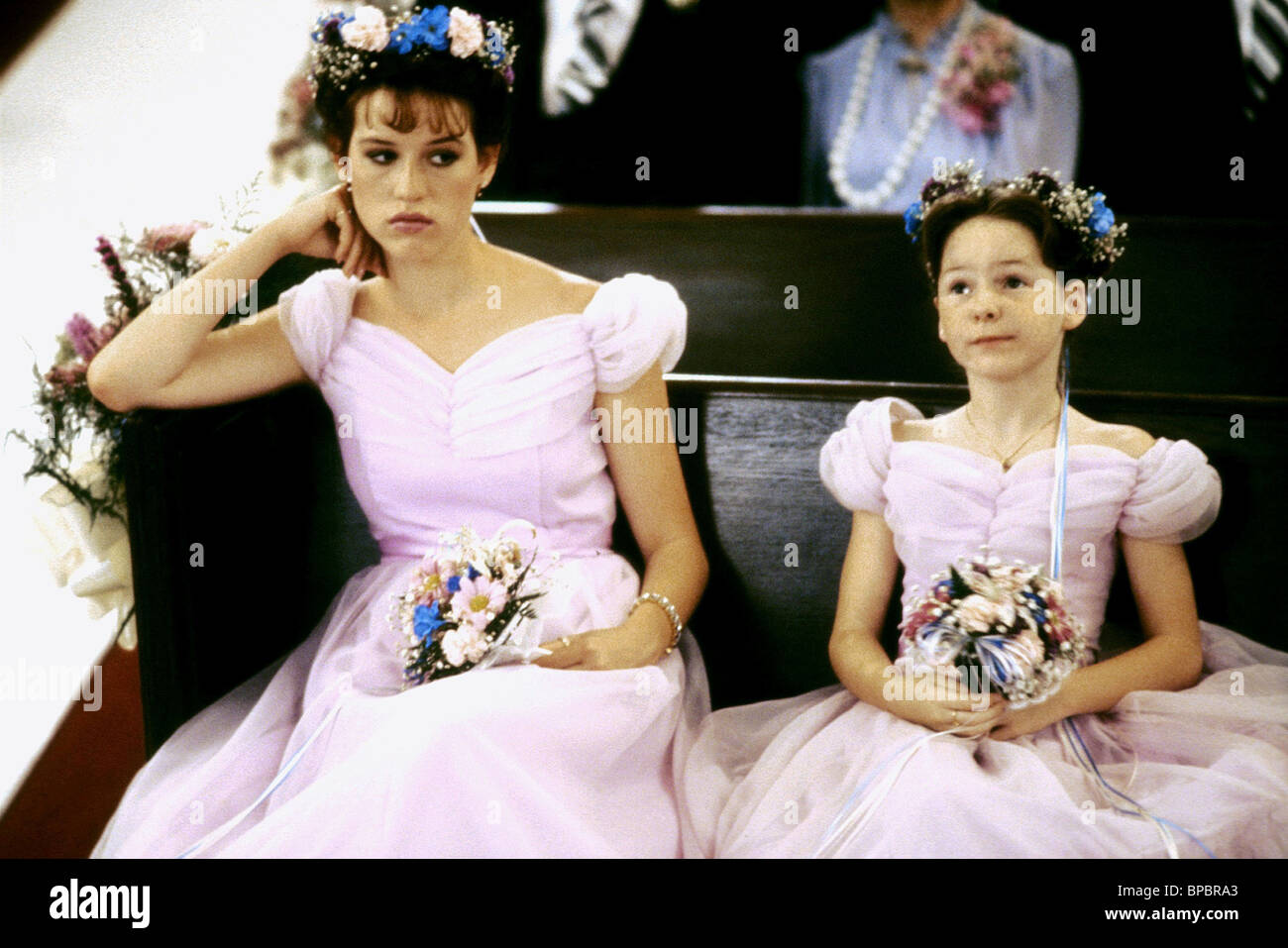
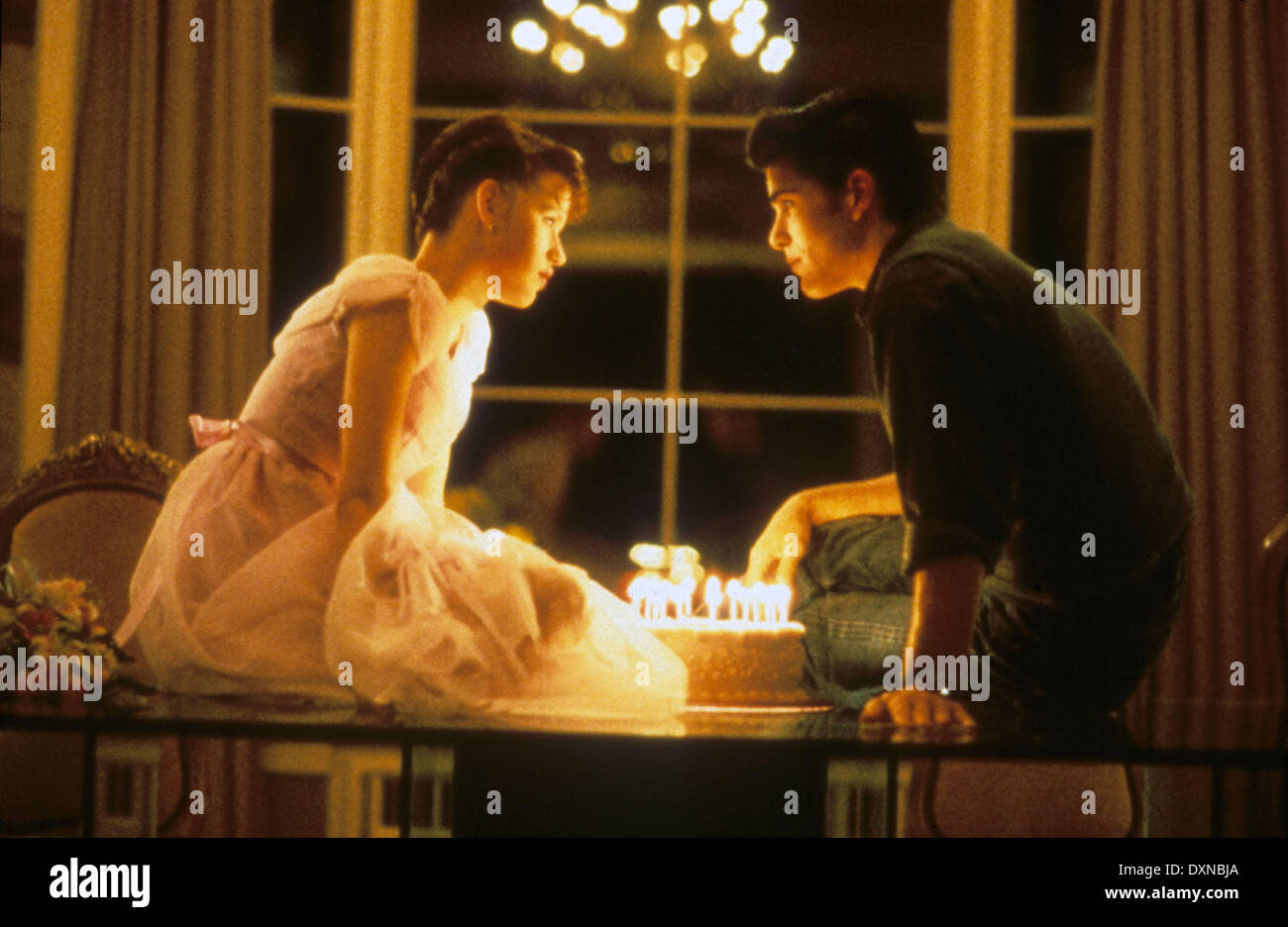
Caroline Mulford, portrayed by actress Haviland Morris, serves as a pivotal character in the 1984 John Hughes classic Sixteen Candles. As the high school’s popular "queen bee" and the long-term girlfriend of the protagonist's crush, Jake Ryan, Caroline represents the unattainable social peak of the 1980s teen hierarchy. While the film primarily focuses on Samantha Baker’s (Molly Ringwald) struggle with her forgotten sixteenth birthday, Caroline’s subplot provides essential narrative friction, a source of comedic relief, and, in recent years, a centerpiece for discussions regarding 1980s cinematic ethics and consent.
As of 2026, over four decades after the film’s initial release, the character of Caroline Mulford remains a subject of intense analysis. Viewers and film historians continue to dissect her transformation from a seemingly untouchable socialite to a character caught in the middle of a highly controversial "trade" between two male leads. Understanding Caroline requires looking beyond the surface-level archetype of the "popular girl" to examine her function within the script and the performance that brought her to life.
The Role of Caroline Mulford in the Narrative
Caroline Mulford is introduced as the primary obstacle to Samantha Baker's romantic desires. She is wealthy, beautiful, and holds the highest possible social standing at their suburban Chicago high school. Within the structural framework of a John Hughes film, Caroline represents the "establishment" of the high school social order.
Her primary narrative function is to contrast with Samantha. Where Samantha is awkward, overlooked, and self-conscious, Caroline is polished, celebrated, and confident. However, as the film progresses, Hughes peels back the layers of her perfection through a series of increasingly chaotic and humiliating events. This "deconstruction of the idol" is a recurring theme in 1980s teen cinema, used to humanize the popular characters or to provide a sense of justice for the underdog protagonist.
The Relationship with Jake Ryan
In the beginning of Sixteen Candles, Caroline and Jake Ryan (Michael Schoeffling) are the school's "power couple." However, the film quickly establishes that the relationship is hollow. Jake is shown to be disillusioned with the superficiality of his social circle, specifically mentioning that he is tired of Caroline's behavior. This dissatisfaction is what prompts Jake to notice Samantha.
Caroline, conversely, appears oblivious to Jake’s growing distance. She represents the static nature of high school popularity—satisfied with the status quo and unaware that her "perfect" boyfriend is seeking something more authentic. Her role is to be the person Jake must leave in order to achieve his character growth, making her the "antagonist" of the romance, even if she isn't intentionally villainous.
The Performance of Haviland Morris
Haviland Morris’s portrayal of Caroline is often cited as one of the highlights of the film's ensemble cast. Morris brought a specific blend of poise and vulnerability to the role that prevented Caroline from becoming a one-dimensional caricature. Unlike the "mean girl" tropes that would dominate later decades, Morris played Caroline with a certain degree of obliviousness that made her more sympathetic, particularly during the film’s more chaotic sequences.
Morris, a classically trained actress, navigated the physical comedy of the film with precision. The scene where her character gets her hair caught in a door, requiring it to be cut off, is a masterclass in 1980s slapstick. It serves as a literal and symbolic shearing of her "crown," marking her transition from the untouchable queen to a participant in the film's broader absurdity.
Career Trajectory After Sixteen Candles
While Sixteen Candles was a breakout role for Morris, she went on to have a diverse career in film, television, and theater. By 2026, she is remembered for several iconic roles:
- Marla Bloodstone in Gremlins 2: The New Batch (1990).
- Elise Pruitt in Home Alone 3 (1997).
- Numerous appearances in the Law & Order franchise.
- A successful transition into real estate in New York City, which she balanced with occasional acting work for many years.
The Party at Jake’s House and the Turning Point
The central event for Caroline’s character development—and the most debated sequence in the film—takes place during the massive party at Jake’s parents' house. After drinking heavily, Caroline becomes incapacitated. This leads to the infamous interaction between Jake Ryan and "The Geek" (Ted, played by Anthony Michael Hall).
Jake, wanting to be rid of the responsibility of caring for his intoxicated girlfriend so he can pursue Samantha, gives Ted the keys to his Rolls Royce and "permits" him to take Caroline home. The dialogue in this scene is particularly stark to modern ears:
- Jake: "You can take her."
- Ted: "In your car?"
- Jake: "Yeah, and you can have her too."
This exchange sets the stage for the film's resolution of Caroline's storyline, where she wakes up in the back of the car with Ted the following morning.
Comparison: Caroline vs. Samantha Baker
| Feature | Samantha Baker | Caroline Mulford |
|---|---|---|
| Social Status | Marginalized/Middle Class | Elite/Wealthy |
| Self-Perception | Invisible, insecure | Confident, socially dominant |
| Primary Conflict | Being forgotten by family | Losing social status and boyfriend |
| Outcome | Finds romance with Jake | Finds a "new" experience with Ted |
| Key Symbol | The birthday cake | Her long hair (eventually cut) |
The "Morning After" and Modern Controversy
In the final act of Sixteen Candles, Caroline wakes up in the back of the Rolls Royce with Ted. To the surprise of the audience, she is not angry. Instead, she is portrayed as being charmed by Ted’s bravado (and the fact that he was "gentle" with her). She even asks, "I'm not a virgin anymore, am I?" to which Ted implies they had sex.
In 1984, this was framed as a "win-win" scenario: Ted gets the girl of his dreams, and Caroline finds a guy who (in the film's logic) treats her with more "excitement" or "novelty" than Jake did. However, from the perspective of 2026, this scene is the most criticized aspect of the film.
The Question of Consent
Modern film critics and audiences frequently point to this subplot as an example of the "rape culture" prevalent in 80s cinema. Caroline was visibly intoxicated and unable to give informed consent. Jake "giving" her to Ted treats her as property rather than a person. The fact that the film treats her eventual happiness as a justification for the encounter is a point of significant academic and social debate.
Despite the problematic nature of the writing, the character of Caroline remains interesting because she doesn't hold a grudge. She is one of the few characters in the film who experiences a total shift in perspective, moving from the pinnacle of the "jock/prep" social circle to embracing the "geek" circle by the time the credits roll.
Technical Execution of the "Hair Scene"
One of the most memorable physical moments for Caroline is the "hair caught in the door" incident. This scene required specific technical coordination. The character is trapped because her hair is caught in the latch of a bedroom door during the party.
To achieve this:
- Practical Effects: Morris had to be physically positioned in a way that looked convincing without causing actual injury.
- The Cut: When Ted "rescues" her by cutting her hair with a pair of scissors, it represents the final loss of her "perfect" image.
- The Wig: A specialized hairpiece was used to ensure the "cut" looked jagged and amateurish, furthering the comedic effect of her downfall.
This scene is crucial because it humbles the character. Once she loses her hair—a primary symbol of her beauty—she is forced to interact with characters like Ted on a more human, albeit chaotic, level.
Historical and Social Context (1984 vs. 2026)
When Sixteen Candles debuted, it was hailed as a breakthrough in teen realism. John Hughes was praised for "understanding" teenagers. Caroline Mulford was seen as a standard "rich girl" who got a funny, slightly edgy happy ending.
By 2026, the lens through which we view Caroline has changed significantly:
- The 1980s: Caroline was a "trophy" to be passed between the lead male characters. Her autonomy was secondary to the "coming of age" of the boys.
- The 2020s: Scholarly reviews of the film focus on the "erasure of Caroline’s agency." Retrospectives often interview Haviland Morris about her feelings on the scene, with the actress often noting that the industry and social standards were vastly different at the time.
Why Caroline Mulford Still Matters
Despite the controversies, Caroline remains an essential part of the Sixteen Candles legacy for several reasons:
- Archetype Subversion: While she starts as a "Mean Girl" archetype, she doesn't end as one. She ends up being one of the most adaptable characters in the story.
- Fashion and Style: Caroline’s outfits, including her iconic floral dresses and headbands, remain staples of 80s nostalgia fashion.
- The "Ted" Dynamic: The chemistry (however problematic) between Haviland Morris and Anthony Michael Hall provided the film with some of its most quotable and memorable "morning after" moments.
- A Lesson in Cinematic History: She serves as a primary case study for how portrayals of women and consent have evolved in Hollywood.
Frequently Asked Questions
Who played Caroline in Sixteen Candles?
Caroline Mulford was played by Haviland Morris. She is also well-known for her roles in Gremlins 2: The New Batch and Home Alone 3. Morris provided a nuanced performance that balanced the character's initial vanity with the physical comedy required for the film's later scenes.
What happened to Caroline's hair in the movie?
During the party at Jake’s house, Caroline gets her long blonde hair caught in a closet door. Because she is intoxicated and no one has a key, "The Geek" (Ted) uses a pair of scissors to cut her free. This results in a short, jagged haircut that symbolizes her loss of status and her "descent" into the chaotic world of the other characters.
Did Caroline and Ted end up together?
The film implies that Caroline and Ted had a romantic encounter and suggests they might continue to see each other. In the final scenes, Caroline is seen looking happy and smitten with Ted, even though the circumstances of their meeting were highly questionable by modern standards.
Why is Caroline's character considered controversial today?
The controversy stems from the "trade" scene where Jake Ryan gives Ted permission to take his intoxicated girlfriend home. Because Caroline was not in a state to consent to being with Ted, or to the sexual encounter that follows, the film's lighthearted treatment of the situation is often criticized in modern film studies as being insensitive or promoting non-consensual behavior.
Is Caroline Mulford considered a villain?
In the context of the story, she is a romantic rival to Samantha, but she is not a true villain. She doesn't actively try to hurt Samantha; rather, she is simply "in the way" of Samantha's goals. By the end of the film, she is portrayed more as a victim of the night's circumstances who makes the best of a strange situation.
Practical Legacy: Viewing Sixteen Candles Today
For those watching Sixteen Candles in 2026, it is recommended to view the character of Caroline Mulford with a balance of historical appreciation and critical awareness. To fully understand her role, one should:
- Watch for the subtle cues: Observe how Haviland Morris uses facial expressions to show Caroline’s internal confusion during the party scenes.
- Analyze the social hierarchy: Look at how her interactions with the "nerds" change from the beginning of the movie to the end.
- Consider the director’s intent: John Hughes often used "perfect" characters as canvases for chaos to show that everyone, regardless of social status, is struggling with the messiness of being a teenager.
Caroline Mulford is more than just "Jake Ryan's girlfriend." She is a complex representation of 1980s social dynamics, a victim of the era's writing tropes, and a testament to Haviland Morris’s ability to make a potentially unlikable character memorable and human.