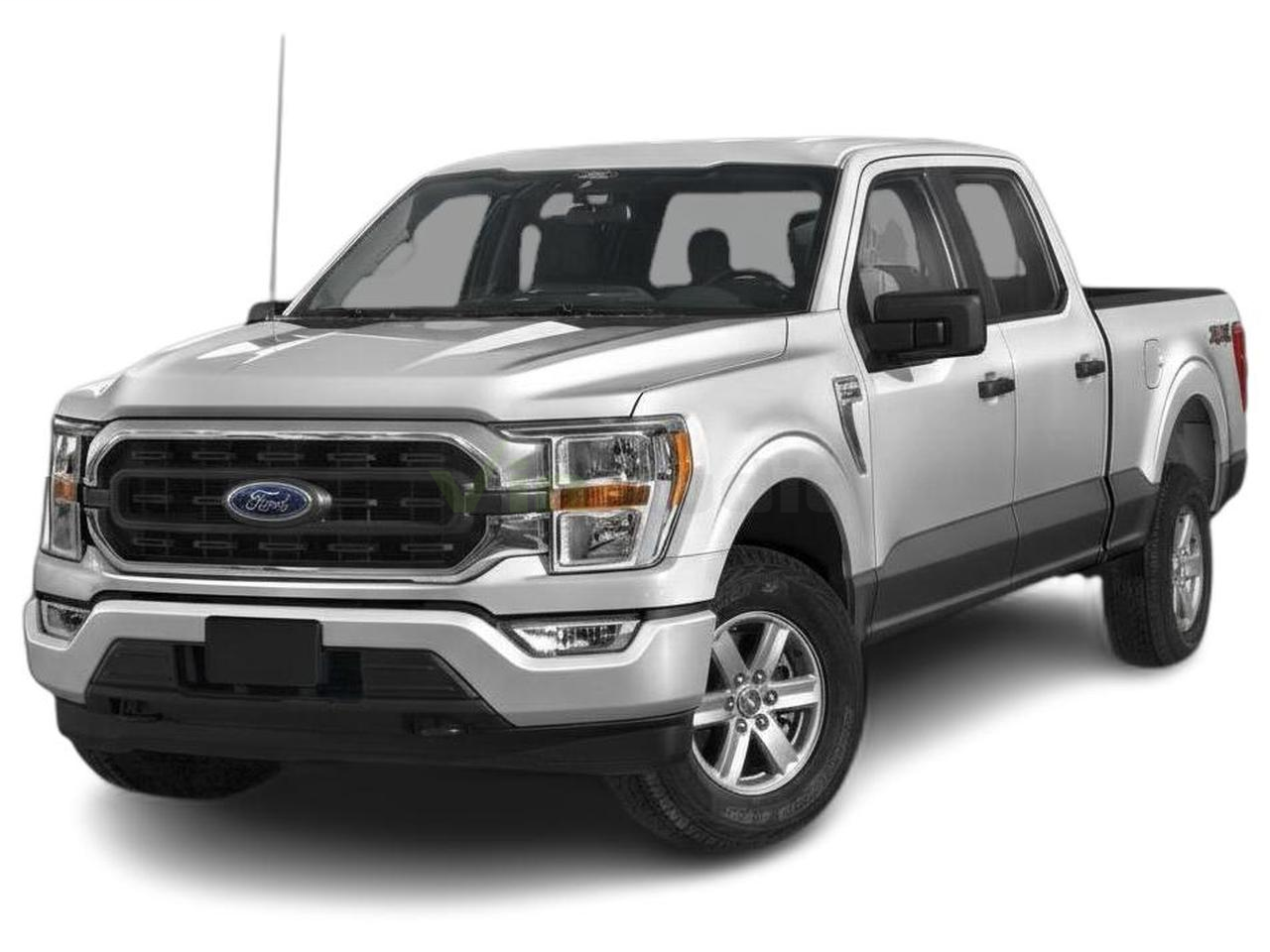
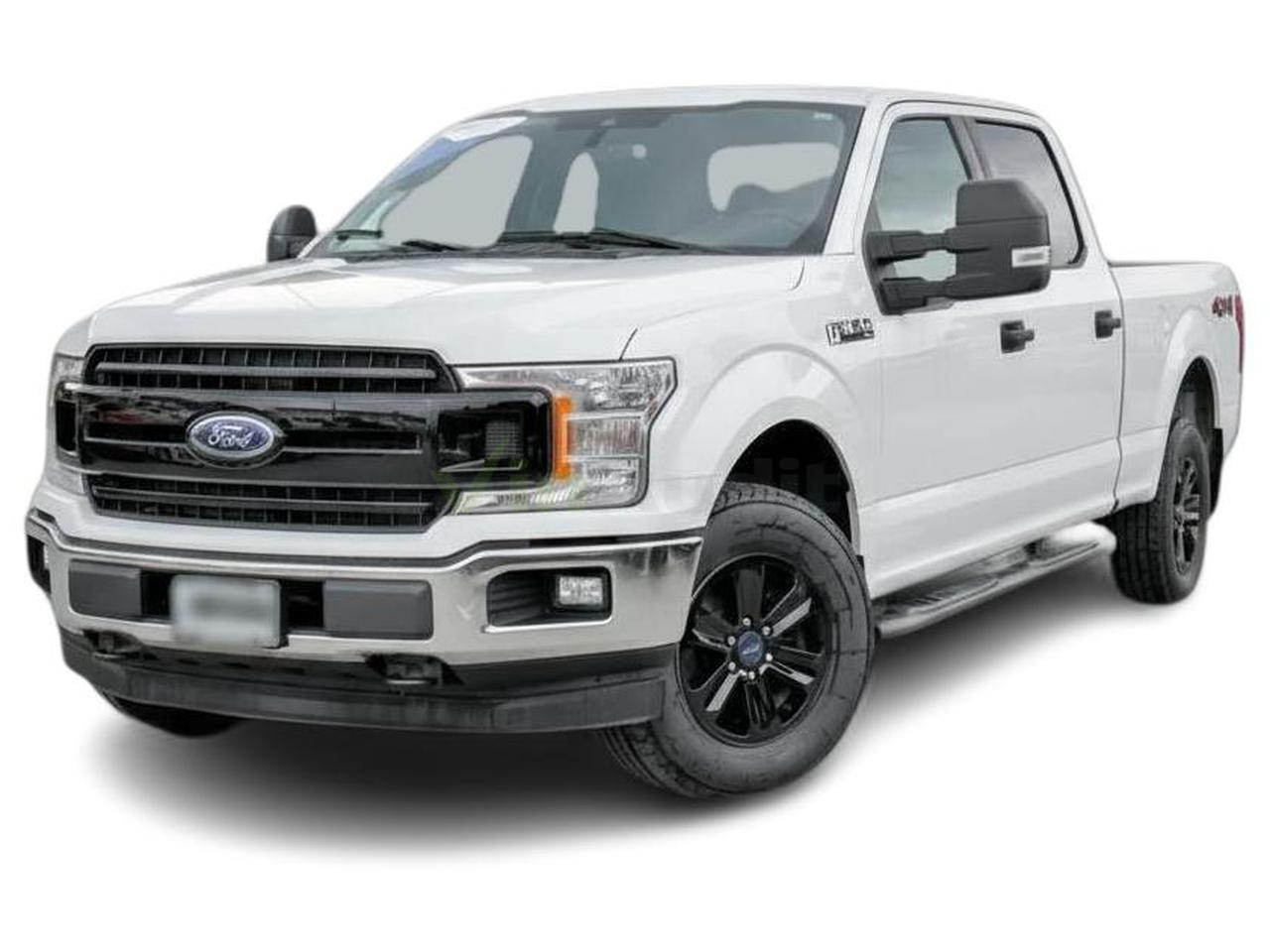
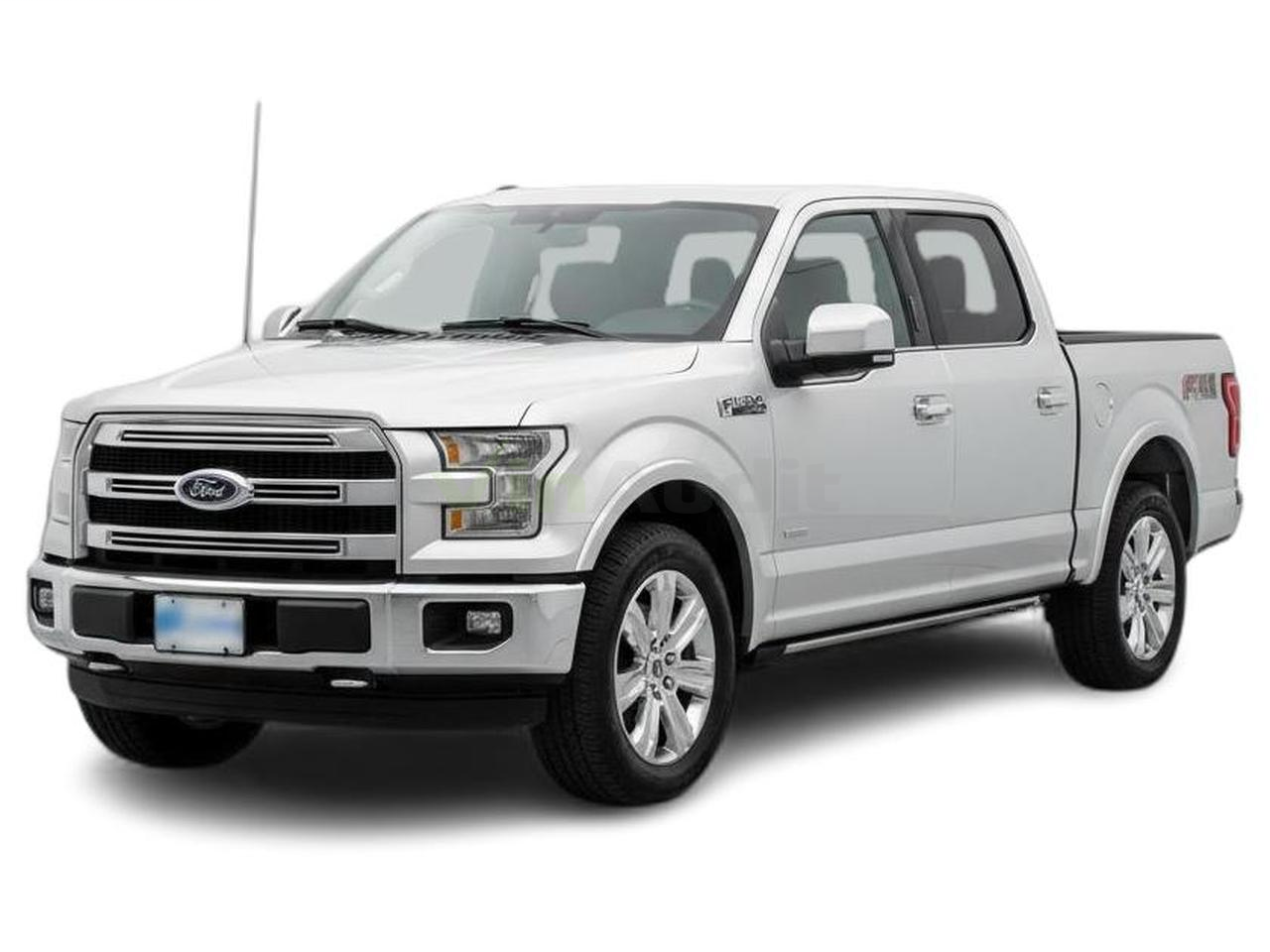
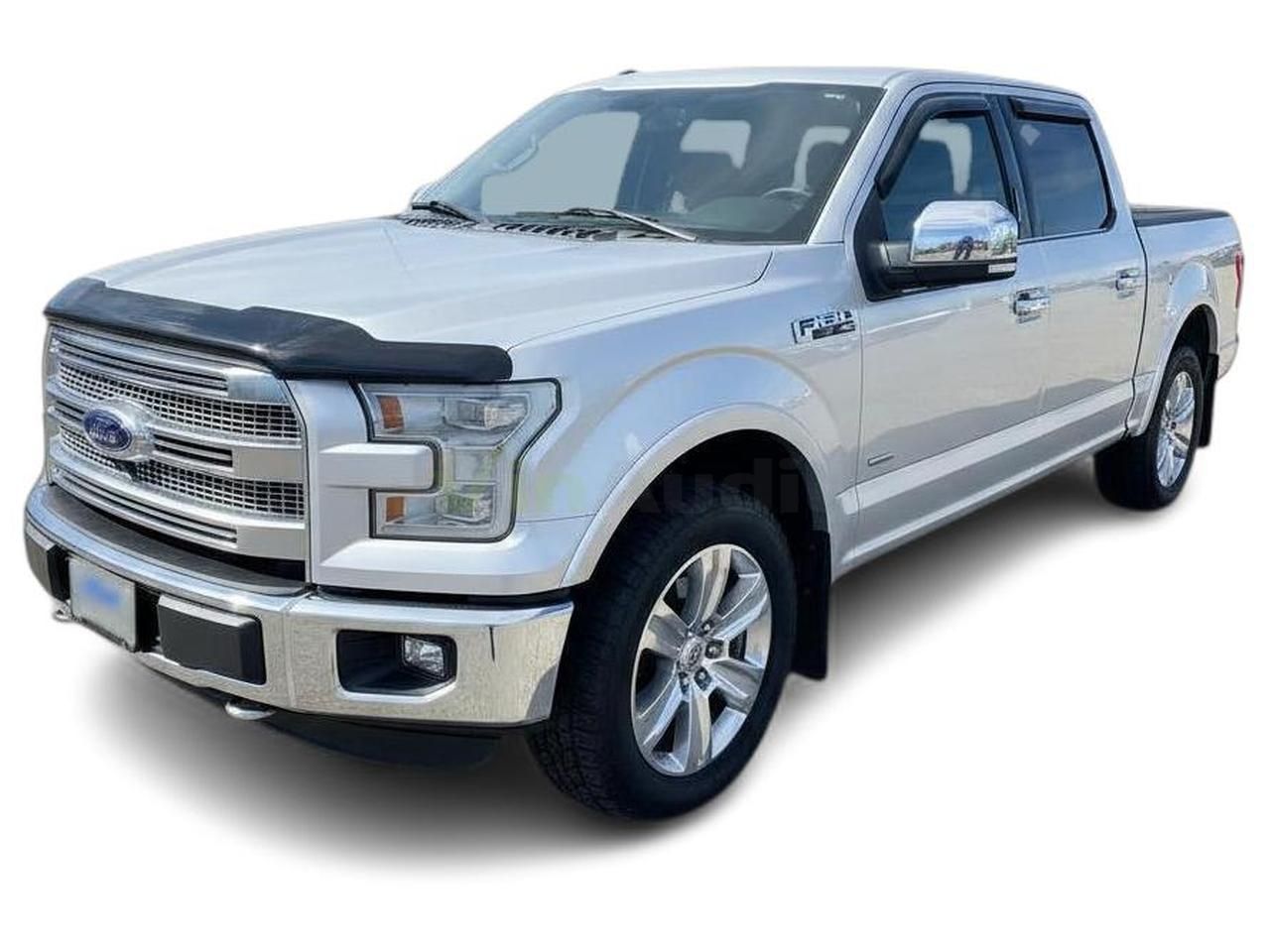
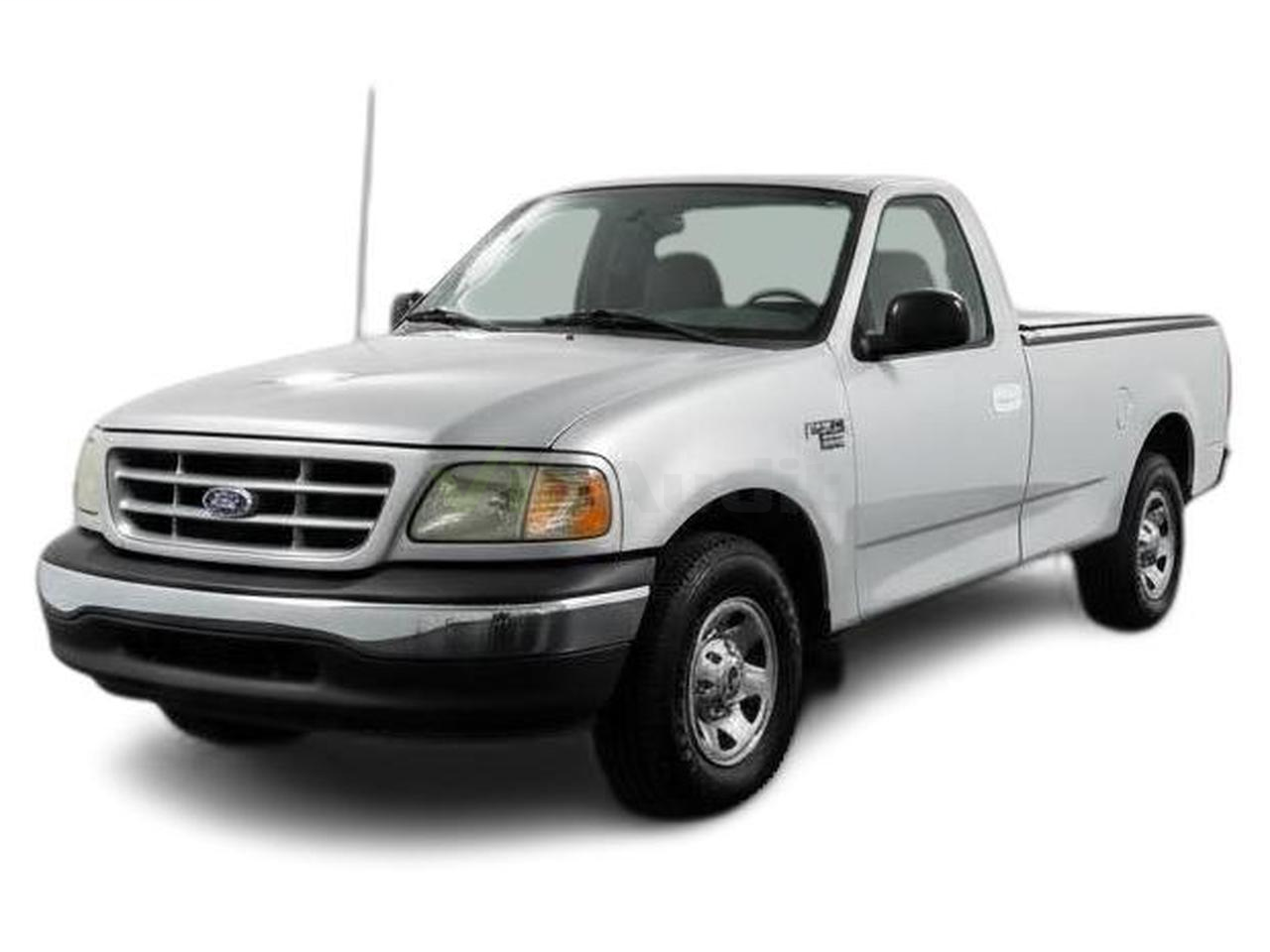
A Ford F-150 can reliably last between 200,000 and 300,000 miles, translating to roughly 15 to 20 years of service. Achieving this longevity depends on a combination of rigorous maintenance, the specific powertrain configuration, and the severity of the operating environment the vehicle faces during its lifecycle.
Understanding the F-150 Longevity Baseline
The Ford F-150 has long been the benchmark for the American pickup truck, but "life expectancy" is a variable metric rather than a fixed guarantee. In 2026, we look back at decades of engineering evolution, from the transition to aluminum-alloy bodies to the introduction of high-output turbocharged engines. While the average vehicle on the road is roughly 12 years old, F-150 owners frequently target the two-decade mark.
Life expectancy is generally defined as the period before the cost of a single repair (such as an engine or transmission replacement) exceeds the fair market value of the vehicle. To maximize this window, owners must navigate a complex landscape of mechanical, environmental, and behavioral variables.
1. Powertrain Architecture: V8 vs. EcoBoost vs. PowerBoost
The engine is the primary determinant of a truck's lifespan. Ford offers a diverse lineup, each with distinct longevity profiles.
- 5.0L Coyote V8: Historically, the naturally aspirated V8 is praised for its simplicity. Without the added heat and pressure of turbochargers, the internal components often face less stress. Owners who prioritize a 300,000-mile goal often gravitate toward this engine due to its predictable wear patterns and lack of complex forced-induction plumbing.
- EcoBoost (2.7L and 3.5L) V6: These twin-turbocharged engines provide immense torque but operate under higher internal pressures and temperatures. While they are engineered for durability, the turbochargers themselves are wear items that may require replacement or service around the 150,000-mile mark. The 2026 perspective shows that with modern synthetic oils, these engines are reaching high mileages, but they are less forgiving of neglected oil changes.
- PowerBoost Hybrid: The hybrid powertrain adds an electric motor and a lithium-ion battery. While the gasoline engine may see fewer "run hours," the long-term expectancy of the high-voltage battery (typically 8–10 years or 100,000–150,000 miles) is a factor that could impact the truck's economic viability in its second decade.
2. Transmission Thermal Management
The Ford 10-speed automatic transmission (10R80), co-developed with GM, is standard across most modern F-150s. Heat is the primary enemy of automatic transmissions. The life expectancy of the F-150 is heavily tied to how well the transmission fluid is cooled, especially during heavy towing.
Fluid oxidation begins to occur rapidly once temperatures exceed 220°F. Modern F-150s utilize sophisticated thermal management systems to bring the transmission up to operating temperature quickly (for efficiency) and keep it there. However, frequent "hunting" between gears or heavy loads in stop-and-go traffic can degrade the fluid faster than the standard service interval suggests. Owners who change their transmission fluid every 60,000 miles, rather than the 100,000+ miles sometimes suggested in manuals, often see significantly longer component life.
3. Rigorous Adherence to Maintenance Schedules
There is a measurable difference between "required" maintenance and "preventative" maintenance. The F-150’s Intelligent Oil-Life Monitor (IOLM) calculates oil change intervals based on driving conditions, but the most long-lived trucks are those where the owner stays ahead of the curve.
Critical maintenance factors include:
- Oil Quality: Using full synthetic oil that meets Ford’s WSS-M2C961-A1 (or updated 2026 equivalents) standards is essential for protecting the timing chains and cam phasers, which are historically sensitive areas in Ford’s OHC (Overhead Cam) engines.
- Differential and Transfer Case Fluids: Often overlooked, these lubricants prevent metal-on-metal wear in the 4WD system.
- Spark Plug Intervals: In turbocharged EcoBoost engines, spark plugs wear faster due to high cylinder pressures. Replacing them every 40,000 to 50,000 miles prevents ignition coils from overworking and maintains fuel efficiency.
4. Corrosion and Chassis Preservation
In 2015, Ford shifted to a high-strength, military-grade aluminum-alloy body. This effectively eliminated "body rot" or rusted-out fenders—a common death sentence for older steel-bodied trucks. However, the frame remains high-strength steel.
In "Salt Belt" regions where road brine is used in winter, the frame is susceptible to galvanic corrosion and traditional oxidation. If the steel frame loses structural integrity, the truck is considered "totaled" regardless of how well the engine runs. Applying a lanolin-based or oil-based undercoating annually is a decisive factor in whether an F-150 lasts 10 years or 25 years in northern climates.
5. Operating Environment and Climate
The geography of the truck plays a silent role in its degradation. Extreme heat (Arizona/Texas) accelerates the degradation of rubber seals, plastic cooling system components, and battery life. Conversely, extreme cold (Alaska/Canada) increases wear during "dry starts" when oil is thick and slow to circulate.
Humidity also plays a role in electrical longevity. Constant moisture can lead to "green crusties" or corrosion in electrical connectors, leading to intermittent sensor failures that can be difficult and expensive to diagnose as the vehicle ages.
6. Payload and Towing Frequency
The F-150 is a "half-ton" pickup, and while it is highly capable, consistently operating near its maximum Gross Combined Weight Rating (GCWR) will shorten its lifespan. Frequent heavy towing puts immense strain on:
- Rear Axle Bearings: Heavy tongue weight wears down bearings over time.
- Braking Systems: Increased heat leads to rotor warping and premature caliper seal failure.
- Engine Cooling: Constant high-load operation keeps the engine at the upper limit of its thermal range, potentially stressing head gaskets and cooling hoses.
A truck used primarily as a daily commuter with occasional light hauling will almost always outlast a dedicated work truck used for towing heavy construction equipment daily.
7. Engine Idle Time vs. Mileage
A critical factor often ignored by second-hand buyers is engine idle hours. One hour of idling is roughly equivalent to 30 miles of driving in terms of engine wear. Fleet-used F-150s may have low mileage but high idle hours, which leads to carbon buildup on valves (especially in direct-injection engines) and unnecessary wear on the oil pump and valvetrain. Modern F-150s allow owners to check "Total Engine Hours" and "Total Idle Hours" in the digital instrument cluster; a healthy ratio is vital for predicting remaining life.
8. Fuel and Lubricant Quality
The advent of Direct Injection (DI) and high-compression engines has made the F-150 more sensitive to fuel quality. Low-quality gasoline can lead to "LSPI" (Low-Speed Pre-Ignition), which can cause catastrophic piston failure in turbocharged engines.
Using "Top Tier" gasoline helps maintain the cleanliness of the fuel injectors. Additionally, in the 2026 landscape, ensuring that the fuel contains adequate detergents is essential for preventing carbon deposits on the intake valves—a common issue in earlier DI engines that could lead to power loss and expensive walnut-blasting cleaning procedures.
9. Cooling System Integrity
The cooling system in an F-150 does more than just cool the engine; it often regulates the temperature of the engine oil and transmission fluid via heat exchangers. A minor leak or a failing water pump can lead to a rapid overheat, which can warp cylinder heads in seconds.
Ford’s "Orange" or "Yellow" (OAT/P-OAT) coolants are designed for long life, but they can become acidic over time. Testing the pH of the coolant and performing a flush every 5 to 7 years ensures that the internal radiator passages don't clog and that the water pump seal remains lubricated.
10. Suspension and Drivetrain Geometry
The longevity of the F-150 isn't just about the engine; it's about the "ride." Over time, bushings, ball joints, and tie-rod ends degrade. If the suspension is allowed to sag or operate with worn components, it places uneven stress on the tires and the CV (constant velocity) joints in 4WD models. Replacing shocks and struts every 100,000 miles can prevent "vibration wear" from shaking other components loose, effectively extending the rattle-free life of the cabin and the structural integrity of the chassis.
11. Electronics and Sensor Reliability
Modern F-150s are essentially rolling computers. Factors shaping life expectancy now include the longevity of the Electronic Control Units (ECUs) and various sensors (MAFs, O2 sensors, knock sensors).
As a truck enters its second decade, the failure of a specific, discontinued sensor or a short in the main wiring harness can become a "soft" failure point. While not a mechanical breakdown, the inability to pass emissions testing or the presence of a "limp mode" can render the truck unusable. Keeping the battery fresh is the best defense here; low voltage from a dying battery is the leading cause of "phantom" electronic glitches that frustrate long-term owners.
12. Aftermarket Modifications
The F-150 is one of the most modified vehicles in the world. However, significant modifications often have a negative correlation with life expectancy.
- Lift Kits: Change the angle of the driveshaft and CV axles, leading to premature failure.
- Oversized Tires: Add significant rotational mass, which taxes the brakes, transmission, and wheel bearings.
- Engine Tunes: Increasing boost or changing timing to gain horsepower often eats into the safety margins engineered by Ford, potentially shortening the life of the pistons and turbos.
| Component | Expected Lifespan (Standard Care) | Expected Lifespan (Neglected) | Common Failure Point |
|---|---|---|---|
| 5.0L V8 Engine | 250,000 - 300,000 Miles | 150,000 Miles | Oil Consumption / Water Pump |
| 3.5L EcoBoost | 200,000 - 250,000 Miles | 120,000 Miles | Turbo Seals / Cam Phasers |
| 10-Speed Trans | 180,000 - 220,000 Miles | 100,000 Miles | Valve Body / CDF Clutch Drum |
| Steel Frame | 20+ Years (Inland) | 8-12 Years (Coastal/Salt) | Rear Crossmembers |
| Hybrid Battery | 10 - 12 Years | 7 - 8 Years | Cell Degradation |
Frequently Asked Questions
Which Ford F-150 engine lasts the longest?
The 5.0L "Coyote" V8 is generally regarded as the longest-lasting engine option for the F-150. Its naturally aspirated design means it operates with lower internal temperatures and pressures compared to the turbocharged EcoBoost variants. Without the complexity of turbochargers and the associated plumbing, there are fewer high-stress components that can fail as the truck exceeds 200,000 miles.
Is the 10-speed transmission reliable for high mileage?
The 10R80 10-speed transmission is durable but requires more frequent fluid service than the manual suggests to reach 250,000 miles. Early versions (2017–2020) had some reports of harsh shifting, but later refinements and software updates in the 2020s have improved its long-term outlook. Regular fluid and filter changes every 60,000 miles are the most effective way to ensure its longevity.
How does the aluminum body affect life expectancy?
The switch to an all-aluminum body in 2015 significantly increased the "useful life" of the F-150. In the past, many trucks were retired because the body panels rusted away, even if the engine was still strong. Since aluminum does not rust like steel, the F-150 can now remain aesthetically and structurally sound for decades, provided the underlying steel frame is protected from corrosion.
Does towing heavy loads frequently shorten the truck's life?
Yes, frequent towing near the maximum capacity will inevitably shorten the lifespan of various components. The engine works harder, the transmission generates more heat, and the rear suspension and bearings are under constant stress. If you tow regularly, you should expect to perform more frequent maintenance and may need to replace wear items like brakes and suspension components 30–50% sooner than a truck used for light duty.
Are there specific years of the F-150 to avoid for longevity?
Early iterations of new technology often have more issues. For example, the first generation of the 3.5L EcoBoost (2011–2012) and the first year of the 10-speed transmission (2017) had more reported teething issues than subsequent years. Generally, the "mid-cycle" refreshes (like 2018–2020 and 2024–2026) are the most reliable as Ford has had time to address initial production flaws.
Expert Recommendation for Maximum Longevity
To ensure your Ford F-150 reaches the 300,000-mile mark, adopt a "proactive" rather than "reactive" maintenance strategy. In 2026, with the increasing complexity of vehicle systems, the best action you can take is to change your engine oil every 5,000 to 7,500 miles using full synthetic lubricants, regardless of what the dashboard monitor says. If you live in a region that uses road salt, apply a high-quality oil-based undercoating every autumn. Finally, treat the cooling system as a priority; a single overheat can do more damage to a modern aluminum-head engine than 50,000 miles of hard driving.