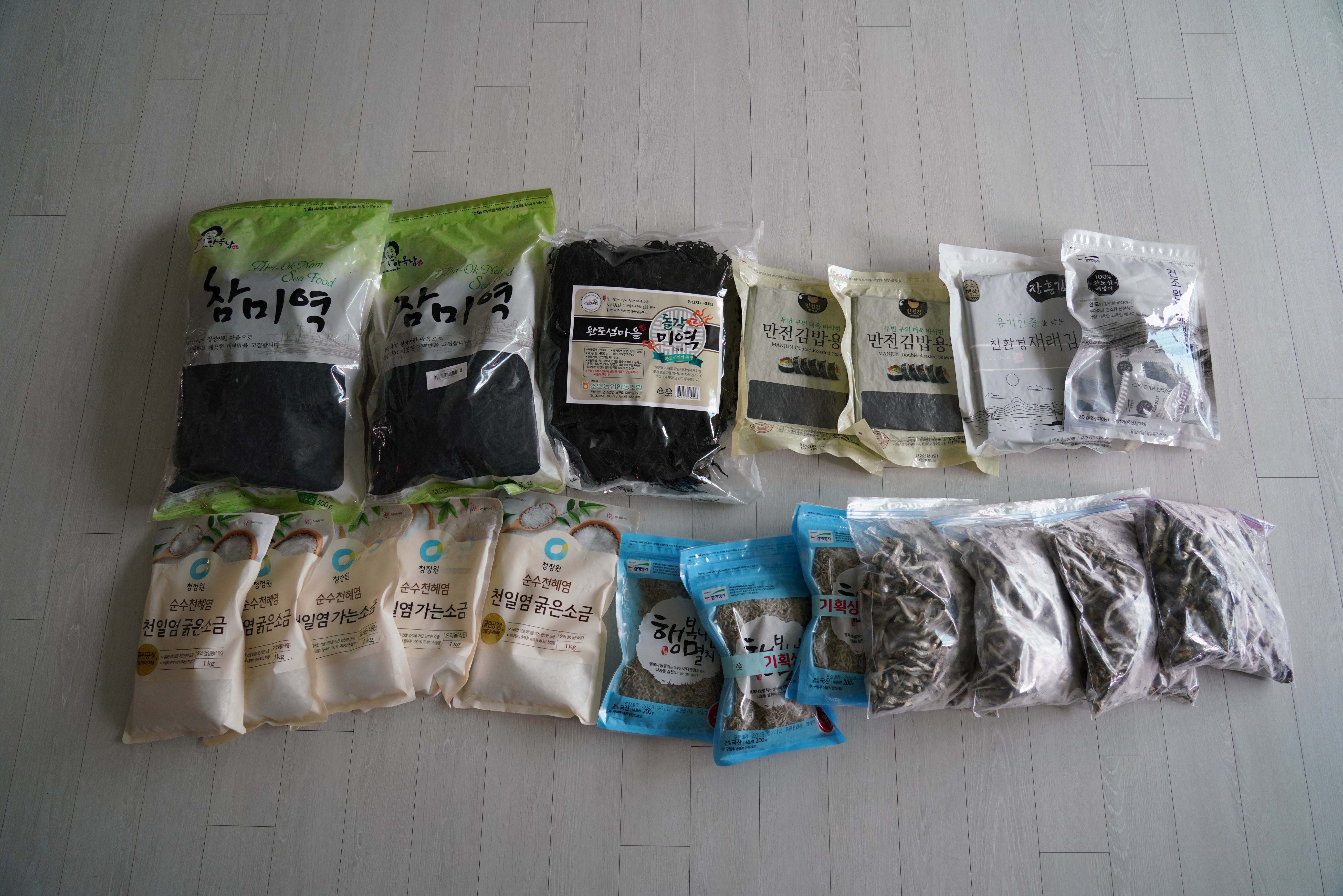
Salt-based water treatment systems utilize precise chemical releases to either remove mineral hardness through ion exchange or generate chlorine for pool sanitation. In 2026, these devices have evolved beyond simple timers to include AI-driven brine management and high-efficiency electrolytic cells. This guide examines 11 industry-leading salt releases and devices, focusing on their mechanical specifications, release mechanisms, and operational efficiency for residential and commercial applications.
The Mechanics of Salt Release in Modern Water Systems
To understand these devices, one must distinguish between the two primary ways "salt" is utilized and released in water treatment. In water softeners, the "release" refers to the brine draw—a process where a saturated salt solution is pulled into a resin tank to displace calcium and magnesium ions. In salt-water pool systems, the device releases chlorine gas into the water through the electrolysis of dissolved sodium chloride (NaCl).
By 2026, the industry has shifted toward "demand-initiated regeneration" and "variable brine ripening." These technologies ensure that salt is only released when the system’s resin bed is nearly exhausted, significantly reducing environmental runoff and salt consumption.
Top Salt-Based Water Softening Devices
1. Fleck 5600SXT Digital Control Valve
The Fleck 5600SXT remains a cornerstone of the industry due to its robust mechanical brine release valve. Unlike cheaper alternatives, the 5600SXT uses a piston-driven displacement system. This allows for a precise "brine draw" phase where the salt solution is released into the mineral tank at a controlled flow rate, typically measured in gallons per minute (GPM).
In 2026, the updated SXT firmware supports advanced salt-saving modes that calculate the exact volume of brine needed based on real-time hardness sensors. This prevents "salt bridging," a common issue where salt forms a hard crust, preventing the release of the brine solution.
2. Culligan HE (High-Efficiency) Water Softener
The Culligan HE series is noted for its "Smart Sensor" technology. Most softeners release salt based on a fixed schedule or a simple flow meter. The Culligan HE, however, monitors the conductivity of the resin bed itself. It triggers a brine release only when the resin's ion-exchange capacity is depleted.
According to Culligan’s technical specifications, this device can reduce salt usage by up to 46% compared to traditional time-clock softeners. Its "Salt Monitoring" feature also sends alerts to a smartphone when the brine tank level is low, ensuring the system never misses a regeneration cycle.
3. Kinetico Premier Series (Non-Electric)
The Kinetico Premier Series is unique because it uses the kinetic energy of moving water—rather than electricity—to manage its salt release cycles. This dual-tank system ensures a continuous supply of soft water. While one tank is in service, the other can undergo a brine release.
The "release" mechanism here is a complex ceramic disc valve that measures water volume to the drop. Because it is non-electric, it is immune to power surges and clock resets, making it one of the most reliable devices for rural areas with unstable power grids in 2026.
4. EcoWater ECR3700 Series
EcoWater’s flagship device focuses on "predictive salt release." Using machine learning, the ECR3700 tracks the household’s water usage patterns. If the system predicts that the resin bed will be exhausted during a high-usage period (like a holiday weekend), it will initiate a "proportional" salt release.
Instead of a full regeneration, it releases just enough brine to get through the peak period, saving both salt and water. This is a critical feature in 2026 as municipal water costs and salt-discharge regulations become stricter.
5. Harvey TwinTec S5
Popular in European markets and gaining traction in North America, the Harvey TwinTec S5 utilizes block salt instead of granular pellets. The release mechanism is governed by a highly sensitive displacement meter. As water flows over the salt blocks, they dissolve at a uniform rate, creating a consistent brine saturation.
The S5 is prized for its compact footprint. The "release" of salt is entirely gravity-fed into the brine well, which simplifies maintenance and eliminates the need for complex electronic brine injectors.
6. BWT Perla Silk
The BWT Perla Silk is an intelligent softener designed for the modern smart home. Its primary innovation is the "Aquadial" brine release system. It uses a high-precision brine valve that adjusts the salt dosage based on the actual volume of water treated since the last cycle.
In 2026, the Perla Silk's integration with the Matter smart home protocol allows users to see exactly how many grams of salt are released per regeneration, providing unprecedented transparency into the device's operating costs.
Salt-Water Pool Chlorination Devices
7. Hayward AquaRite 940
The Hayward AquaRite 940 is a gold standard for salt-water pool conversion. The "release" in this context is the production of free chlorine from salt. The device uses a T-Cell-15 electrolytic cell, which is rated to produce up to 1.47 lbs of chlorine per day.
The 940 model features an "Omni" upgrade, allowing it to act as a central hub for pool automation. It monitors salt levels (PPM) and adjusts the electrolytic release to maintain a consistent chlorine residual, preventing the "peaks and valleys" of sanitation common with manual dosing.
8. Pentair IntelliChlor IC40
The Pentair IntelliChlor is famous for its "cell-based" data release. Most salt devices hide their data in a separate control box, but the IC40 has all controls and displays built directly into the cell. It tracks the remaining life of the electrolytic plates and provides a real-time readout of salt levels.
The "release" mechanism utilizes ruthenium-coated titanium plates. In 2026, these plates have been engineered for higher durability, resisting the "scaling" (calcium buildup) that typically hinders salt release and chlorine production in hard-water regions.
9. CircuPool RJ-60 Plus
For large residential or light commercial pools, the CircuPool RJ-60 Plus offers one of the highest chlorine release rates in the industry. It can handle pools up to 60,000 gallons. The device features a clear "Senses" housing, allowing owners to visually inspect the salt release process and check for debris or scale.
The RJ-60 Plus is often cited for its "Oversize" philosophy; by using a larger cell than necessary, the device can run at a lower power setting to achieve the same chlorine release, significantly extending the lifespan of the salt cell.
10. Zodiac Jandy TruClear
The Jandy TruClear is a compact salt chlorinator designed for easy retrofitting. Its "release" innovation is the J-Box connection and its transparent window for cell inspection. It is specifically designed to work at lower flow rates, making it compatible with modern variable-speed pumps.
As of 2026, the TruClear remains a top choice for smaller pools (up to 35,000 gallons) because its salt release technology is optimized for "low-salt" environments, operating effectively at levels as low as 3,000 PPM.
11. Solaxx Saltron Retro
The Saltron Retro represents a different category of salt device: the "drop-in" chlorinator. It does not require plumbing. The electrolytic cell is suspended directly into the pool water. This device "releases" chlorine directly into the pool basin, making it an ideal solution for above-ground pools or spas where traditional plumbing isn't feasible.
Technical Comparison of Salt Devices (2026 Standards)
The following table compares the 11 devices based on their primary application, release mechanism, and key efficiency metric.
| Device Name | Application | Release Mechanism | Efficiency/Output Metric |
|---|---|---|---|
| Fleck 5600SXT | Water Softener | Piston-driven Brine Draw | 15% less salt than manual valves |
| Culligan HE | Water Softener | Smart Sensor Conductivity | Up to 46% salt savings |
| Kinetico Premier | Water Softener | Non-electric Water Turbine | Zero electricity consumption |
| EcoWater ECR3700 | Water Softener | Predictive AI Modeling | Proportional regeneration |
| Harvey TwinTec S5 | Water Softener | Gravity-fed Block Salt | Twin-tank 24/7 soft water |
| BWT Perla Silk | Water Softener | Aquadial Smart Metering | Real-time salt tracking (grams) |
| Hayward AquaRite | Pool Chlorinator | Electrolytic T-Cell | 1.47 lbs Chlorine/Day |
| Pentair IntelliChlor | Pool Chlorinator | Integrated Ti-Plates | Tracking of cell life % |
| CircuPool RJ-60 | Pool Chlorinator | High-Output Electrolysis | 2.5 lbs Chlorine/Day |
| Jandy TruClear | Pool Chlorinator | Low-Flow Electrolysis | 3,000 PPM low-salt operation |
| Solaxx Saltron | Pool/Spa | Drop-in Electrolysis | No plumbing required |
Troubleshooting Salt Release Issues
Even the most advanced devices in 2026 face operational hurdles. Understanding why a salt release fails is key to maintaining water quality.
Salt Bridges and Mushing
In water softeners, a "salt bridge" occurs when a hard crust forms in the brine tank, creating a void between the water and the salt. The device may cycle, but no salt is released because the water cannot reach the salt to create brine. "Mushing" occurs when salt pellets break down into a sludge, clogging the brine draw tube.
- Solution: Use high-purity evaporated salt pellets and periodically clean the brine tank.
Calcification of Electrolytic Cells
In pool chlorinators, the "release" of chlorine is hindered by calcium deposits on the cell plates. When the plates are coated in white scale, electricity cannot flow between them, and chlorine production stops.
- Solution: Most 2026 models feature "reverse polarity," which helps shed scale automatically. However, manual cleaning with a mild acid solution (like muriatic acid) is still required annually.
Venturi/Eductor Clogs
In systems like the Fleck 5600SXT, the salt release relies on a "venturi" (a nozzle that creates a vacuum). If a tiny piece of sediment enters the injector, the vacuum fails, and the brine tank will eventually overflow because water is being put in but not pulled out.
- Solution: Inspect and clean the injector and screen every 12-24 months.
Environmental Impact and 2026 Regulations
As of 2026, several jurisdictions have implemented stricter rules regarding "salt release" into municipal sewer systems. Excess chloride can be difficult for wastewater treatment plants to remove.
Modern devices like the EcoWater ECR3700 and Culligan HE are designed to comply with these regulations by minimizing discharge. When selecting a device, homeowners should check for the NSF/ANSI 44 certification, which ensures the softener meets specific salt efficiency standards (at least 3,350 grains of hardness removed per pound of salt used).
Frequently Asked Questions
What is the difference between a salt release and a salt-free system?
A salt release device (softener) physically removes hardness minerals (calcium and magnesium) by replacing them with sodium ions. A salt-free system, or "conditioner," does not remove the minerals; instead, it uses Template Assisted Crystallization (TAC) to prevent the minerals from sticking to pipes. Softeners are generally more effective for protecting appliances and providing the "slick" feeling of soft water.
How much salt should a standard device release per month?
For a family of four with average water hardness (10 grains per gallon), a high-efficiency water softener like the Culligan HE or Fleck 5600SXT will typically use about 40 to 50 pounds of salt per month. Pool chlorinators do not "consume" salt in the same way; salt is only lost through splash-out, leaks, or filter backwashing.
Can I use any type of salt in these devices?
No. Water softeners require high-purity pellets or blocks (99.6% pure NaCl). Using rock salt or solar salt with high impurity levels can clog the release valves. Pool chlorinators require "Pool Grade" salt, which is finely ground to dissolve quickly and prevent staining on the pool floor.
Why is my salt-water pool chlorinator showing a "Low Salt" light when I just added salt?
This is often a sign of a "cold water" issue or a failing cell. In water temperatures below 60°F (15°C), the electrolytic release of chlorine becomes inefficient, and many sensors will give a false "low salt" reading. Alternatively, if the cell is old or scaled over, it cannot accurately measure the salt concentration.
Are these devices difficult to install?
Water softeners require plumbing into the main water line and a drain connection. Many homeowners can install a Fleck 5600SXT or a Jandy TruClear with basic DIY skills, but professional installation is recommended to ensure the "salt release" timing is correctly calibrated to the local water hardness.
Final Recommendation: Choosing the Right Device
Selecting the appropriate salt-based device depends on your specific water chemistry and usage needs.
- For maximum water efficiency and smart home integration in 2026, the EcoWater ECR3700 or Culligan HE are the premier choices.
- For unmatched reliability in off-grid or remote locations, the Kinetico Premier Series remains the industry leader.
- For pool owners looking for the best balance of automation and durability, the Hayward AquaRite 940 provides a comprehensive solution for total pool chemistry management.
Before purchasing, always perform a water hardness test or a pool salt level test. Knowing your baseline numbers will allow you to calibrate the device for the most efficient salt release possible, saving money and protecting the environment.