Understanding how your partner receives and processes affection can transform emotional intimacy, reduce misunderstandings, and build a more resilient partnership. By examining specific real-world examples of each love language, couples can move beyond abstract concepts and implement practical daily habits that truly resonate with one another.
Introduction to the Five Love Languages
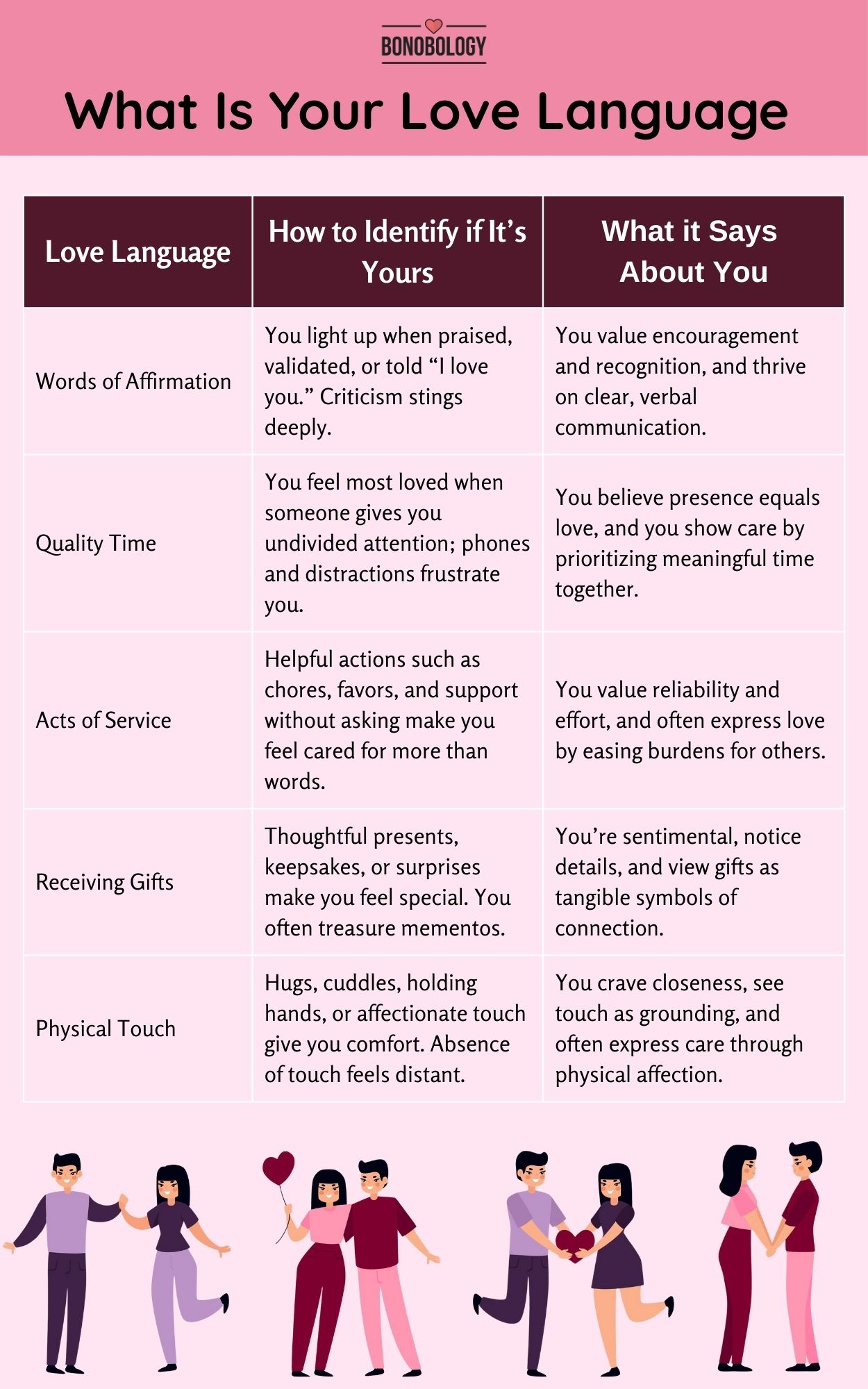
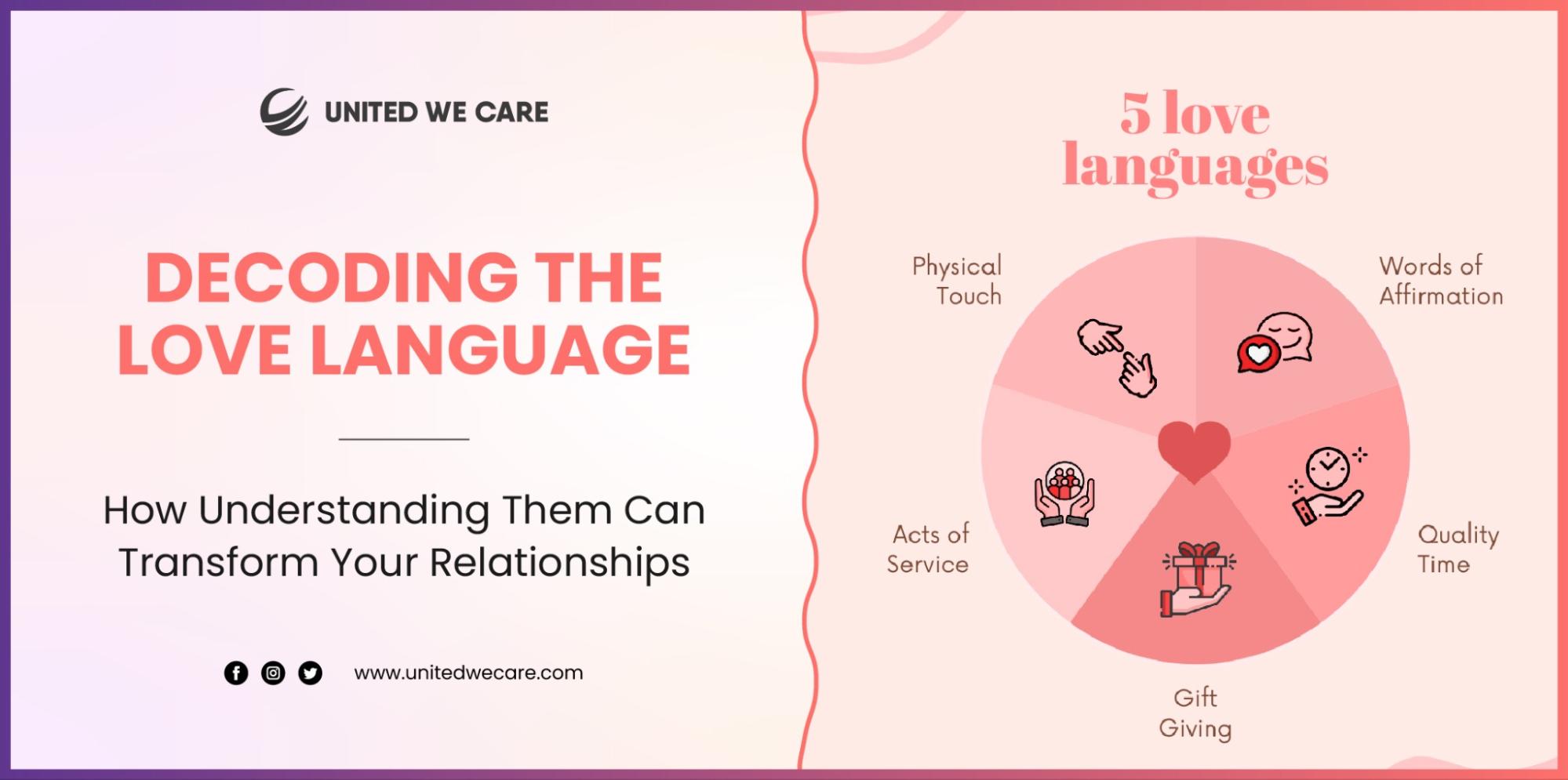
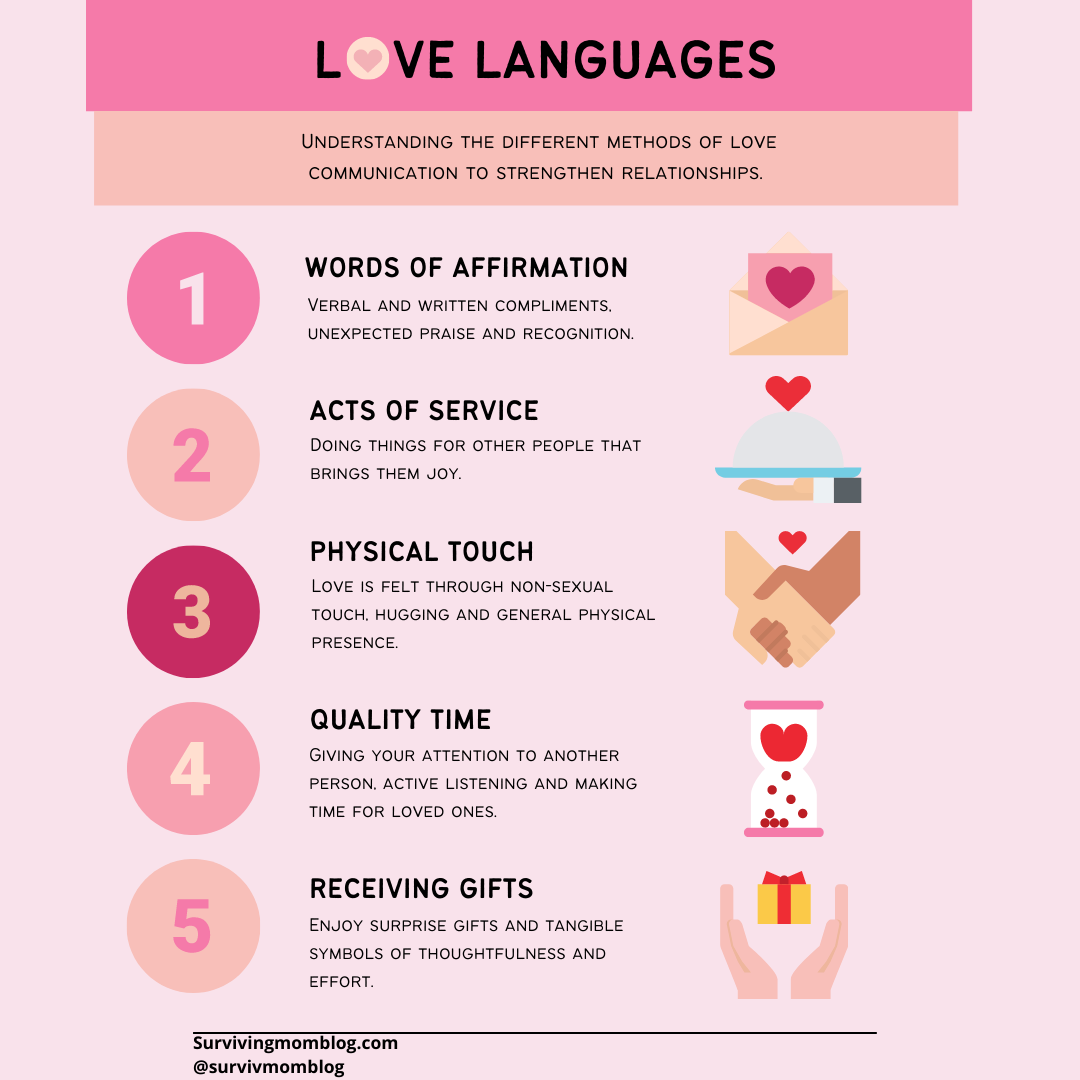
The concept of love languages, originally introduced by Dr. Gary Chapman, posits that individuals express and receive emotional affection in distinct ways. These five categories—Words of Affirmation, Acts of Service, Receiving Gifts, Quality Time, and Physical Touch—serve as a framework for decoding interpersonal communication. Recognizing that two people can deeply care for one another yet feel entirely unloved due to a mismatch in delivery is often the first step toward lasting relational harmony.
Misunderstandings frequently arise when partners default to showing love the way they prefer to receive it, rather than adapting to their partner's emotional native tongue. For instance, an individual who values Quality Time might plan elaborate weekend getaways, while their partner, whose language is Acts of Service, simply wishes the lawn had been mowed or dinner prepared after a grueling workday. Bridging this gap requires conscious observation, empathy, and a willingness to step outside one's comfort zone. The following sections explore concrete, actionable examples of each love language in everyday relationship dynamics, divided into two distinct examples per category to provide a comprehensive roadmap for connection.
Love Language 1: Words of Affirmation
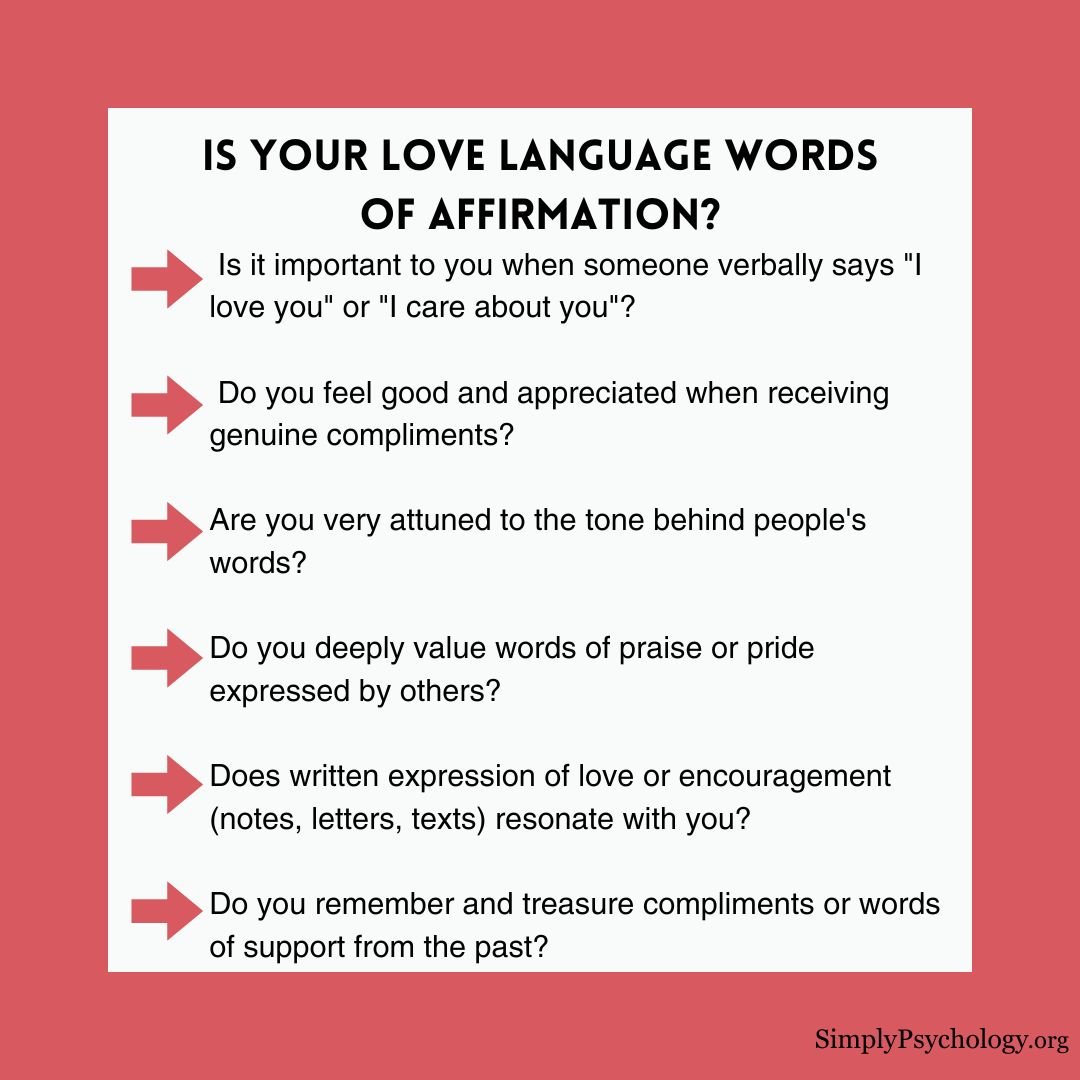
Words of Affirmation center on verbal compliments, appreciation, encouragement, and vocalized expressions of love. For people who prioritize this language, spoken or written validation carries immense weight, whereas harsh words or lingering silence can cause deep emotional wounds.
Example 1: Delivering Specific, Unprompted Compliments
Generic praise like "You look nice" or "Good job" is pleasant, but specific affirmation targets a partner's unique character traits or efforts.
- The Practice: Instead of a routine compliment, take a moment to notice a specific action or quality. Say something like, "I really admire how patient you were with your team during that difficult call today; it showed incredible leadership."
- The Impact: This demonstrates active attention and deep appreciation, making the recipient feel truly seen and valued for who they are beyond physical appearance.
Example 2: Leaving Thoughtful Written Notes
Spoken words can sometimes slip away in the rush of daily life, but written affirmations offer a tangible reminder of affection that can be revisited during stressful moments.
- The Practice: Slip a small sticky note into your partner's lunchbox, car visor, or laptop bag with a brief message such as, "Just wanted to remind you how much I love doing life with you. You've got this today!"
- The Impact: It provides a sudden burst of emotional security and warmth, proving that they are on your mind even when you are physically apart.
Love Language 2: Acts of Service
For individuals with Acts of Service as their primary love language, actions speak significantly louder than words. Anything you do to ease the burden of their daily responsibilities is interpreted as a direct expression of love and care.
Example 1: Proactively Handling Dreaded Chores
Chores are a routine part of cohabitation, but taking over a task your partner openly dislikes shows high-level consideration.
- The Practice: If your partner routinely complains about taking out the trash, doing the evening dishes, or pumping gas in the freezing morning cold, quietly take care of that task before they have to ask.
- The Impact: It communicates, "I see how tired you are, and I want to protect your peace and energy." This reduces mental fatigue and builds profound gratitude.
Example 2: Creating Comfort During High-Stress Periods
When life gets overwhelming—such as during tax season, a major work deadline, or a family crisis—service-oriented partners feel loved through practical logistical support.
- The Practice: Wake up ten minutes early to brew their coffee precisely how they like it, or prep their lunch and leave it on the counter with a clean kitchen waiting for them.
- The Impact: These friction-reducing gestures remove minor obstacles from their day, allowing them to focus on high-stress demands without worrying about domestic upkeep.
Love Language 3: Receiving Gifts
Receiving Gifts is frequently misunderstood as materialism, but in the context of love languages, it is entirely about the thought, effort, and symbolic meaning behind the item. The gift acts as a physical token of remembrance.
Example 1: Bringing Home "Just Because" Small Tokens
Gifts do not need to be expensive or reserved exclusively for birthdays and anniversaries; in fact, unexpected small items often carry more emotional resonance.
- The Practice: Pick up their favorite specialty snack, a unique postcard from a place you visited during your day, or a book by an author they enjoy while running errands.
- The Impact: The underlying message is, "I was away from you, yet you remained on my mind." It proves that your awareness of their preferences extends far beyond your shared living space.
Example 2: Selecting Commemorative Anniversary and Milestone Surprises
When special occasions arise, putting genuine thought into a personalized gift demonstrates that you cherish your shared history.
- The Practice: Instead of buying a generic gift card, commission a custom illustration of the venue where you had your first date, or create a photo album detailing your favorite memories from the past year.
- The Impact: It shows that you value the milestones of your relationship and invest emotional labor into celebrating your unique journey together.
Love Language 4: Quality Time
Quality Time is defined by undivided, focused attention. Being in the same room while scrolling on separate smartphones does not satisfy this need; meaningful eye contact, shared activities, and active listening are essential.
Example 1: Engaging in Deep, Uninterrupted Conversations
In long-term relationships, conversations often devolve into logistical check-ins about bills, groceries, and schedules. Quality time requires moving past logistics into emotional territory.
- The Practice: Schedule a weekly device-free dinner date or evening walk where you ask open-ended questions like, "What is something you're looking forward to this week, and what is weighing on you?" Then, practice active listening without immediately offering unsolicited advice.
- The Impact: This fosters deep emotional intimacy and ensures both partners feel heard, understood, and prioritized amidst busy modern schedules.
Example 2: Learning a New Skill or Hobby Together
Shared novelty bonds couples by creating fresh experiences and breaking up the monotony of routine domestic life.
- The Practice: Sign up for a beginner’s pottery class, learn a foreign language app together, or try a new hiking trail every month.
- The Impact: Working through the challenges of learning something new side-by-side generates shared laughter, teamwork, and lasting positive memories that strengthen the relational foundation.
Love Language 5: Physical Touch
Physical Touch encompasses everything from holding hands and embracing to affectionate back rubs and sexual intimacy. For these individuals, touch communicates safety, connection, and reassurance on a visceral level.
Example 1: Initiating Micro-Connections Throughout the Day
Physical affection does not always need to be grand or intimate; small, everyday touches can dramatically shift the emotional tone of a home.
- The Practice: Gently brush past your partner to kiss their neck while they are cooking, hold their hand while driving, or offer a reassuring squeeze on the shoulder when walking past them in the hallway.
- The Impact: These micro-moments maintain a continuous physical baseline of connection, signaling warmth and accessibility throughout ordinary daily routines.
Example 2: Offering Comforting Contact During Emotional Distress
When a partner is sad, anxious, or overwhelmed, words can sometimes feel inadequate compared to physical grounding.
- The Practice: Offer a long, secure embrace without trying to "fix" their problem immediately, or gently massage their scalp and back while they decompress on the couch.
- The Impact: Physical presence and touch regulate the nervous system, reducing stress hormones and communicating deep, unwavering solidarity during difficult moments.
Comparing the Five Love Languages
To better understand how these distinct approaches operate within a relationship, review the following comparison matrix outlining their primary focus, expression style, and common pitfalls.
| Love Language | Core Focus | Practical Example | Common Pitfall |
|---|---|---|---|
| Words of Affirmation | Verbal validation & encouragement | Leaving a sweet note in a lunchbox | Using sarcastic or harsh criticism during arguments |
| Acts of Service | Practical help & reducing burdens | Taking out the trash without being asked | Assuming good intentions replace verbal gratitude |
| Receiving Gifts | Thoughtful token-giving & memory anchors | Bringing home a favorite snack "just because" | Equating financial cost with depth of love |
| Quality Time | Undivided attention & shared experiences | Going on a device-free weekly walk | Being physically present while mentally distracted |
| Physical Touch | Non-verbal reassurance & bodily connection | Offering a long, comforting hug after a hard day | Neglecting touch outside of sexual intimacy |
Frequently Asked Questions
Can your love language change over time?
Yes, love languages can evolve due to life stages, major transitions like parenthood, or changing personal needs. A busy parent might temporarily shift from valuing Quality Time to needing Acts of Service because domestic tasks have multiplied exponentially. Regularly checking in with your partner ensures you stay aligned with their current emotional requirements.
What if my partner and I have completely different love languages?
Having different love languages is completely normal and rarely an obstacle to a happy relationship. The key lies in practicing "emotional bilingualism"—learning to speak your partner's love language even when it does not come naturally to you, while also communicating your own needs clearly without resentment.
How do I find out what my partner's love language is?
Observe how your partner naturally shows affection to you and others, as people often give love the way they wish to receive it. Additionally, pay attention to what they complain about most frequently; complaints often highlight unmet needs. Alternatively, you can take official quizzes together as a fun conversation starter.
Can a love language be expressed too much?
While affection is generally positive, expressing love in a way that your partner does not value can feel performative or exhausting. For example, bombarding a partner who values Quality Time with excessive physical gifts may feel like you are trying to buy affection rather than investing your time and attention.
Next Actions and Recommendations
To put these insights into immediate practice, sit down with your partner this week and discuss your respective love languages. Identify one specific action from this guide that aligns with your partner's language and commit to implementing it over the next seven days. Small, consistent shifts in how you express daily appreciation can fundamentally transform the emotional climate of your relationship.