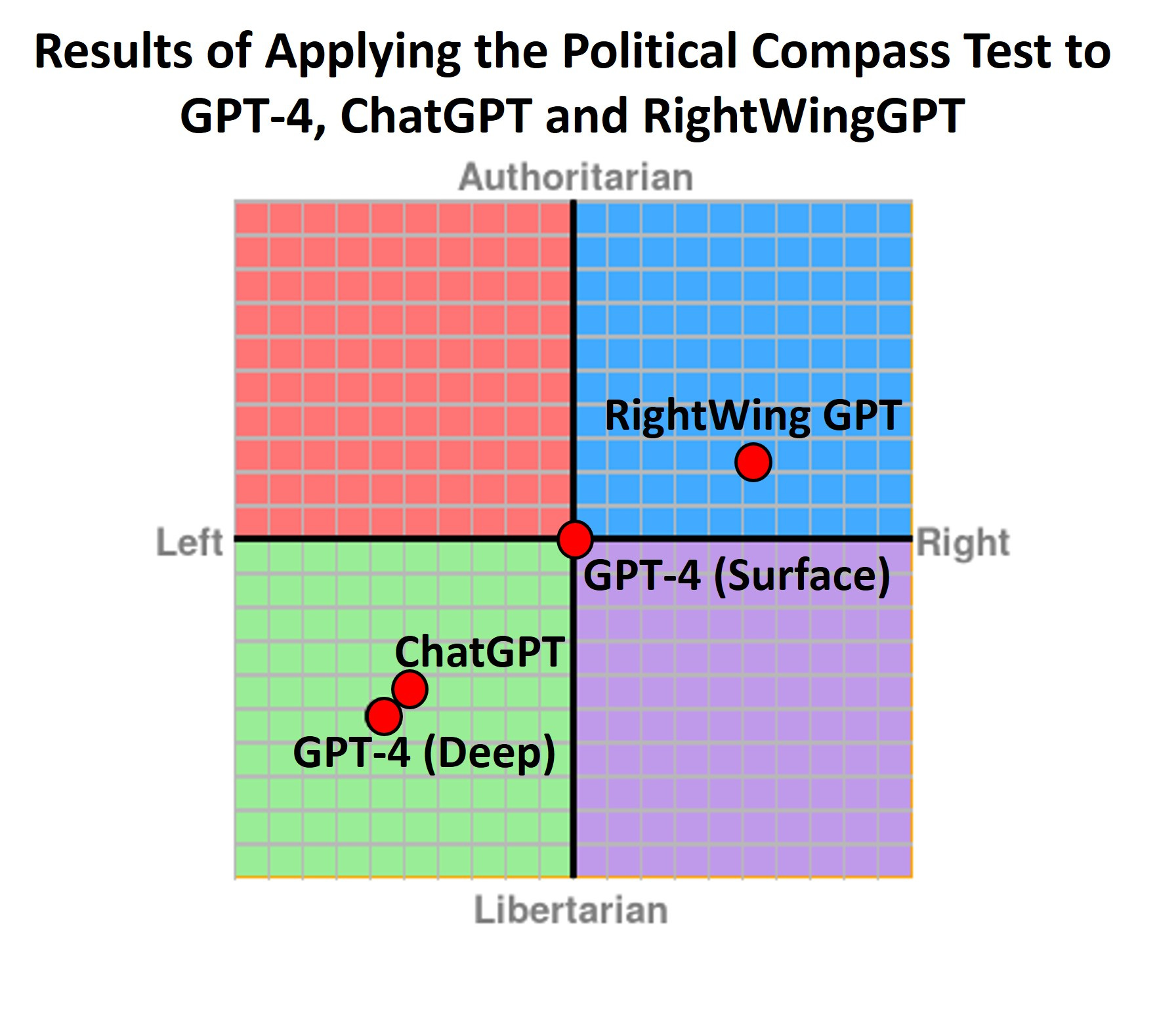
Political bias refers to the systematic slanting of information, perspective, or coverage in favor of specific ideologies, political parties, or candidates. It manifests through selective reporting, loaded language, and the omission of critical context, which can distort public perception of policy and governance. Recognizing these patterns is essential for maintaining media literacy and engaging in informed civic participation in 2026.
1. Selection and Omission (Gatekeeping)
Selection and omission represent the most powerful form of bias, as they dictate what the public sees and what remains hidden. This occurs when an outlet chooses to cover certain stories while ignoring others that might contradict a preferred narrative. For example, a media organization might dedicate hours of coverage to a minor scandal involving a political opponent while simultaneously ignoring significant legislative achievements or corruption allegations regarding their favored candidate. By controlling the "gate," editors create a distorted reality where only one side of an issue receives visibility.
2. Bias Through Placement
The placement of a story within a newspaper, website, or broadcast sequence acts as a signal of its perceived importance. A story placed on the front page or the "above the fold" section of a website carries immediate weight, while a story buried in the back pages or deep within a news feed is framed as peripheral. If a publication consistently places reports regarding positive economic indicators for one administration on the front page, but moves news regarding high inflation or unemployment statistics to the bottom of the digital feed, the reader is conditioned to prioritize the success of the favored party and discount its failures.
3. Spin and Loaded Language
Spin involves the interpretation of events through a specific, subjective lens, often utilizing emotive or "loaded" language to influence the reader's emotional response. Rather than reporting neutrally—describing a tax policy simply as a "revenue adjustment"—a biased source might label it as either a "job-killing burden" or a "necessary investment in equality." This technique transforms objective reporting into advocacy. By choosing adjectives that elicit fear, anger, or moral approval, the author directs the audience toward a predetermined conclusion before they have even processed the factual elements of the report.
4. Bias by Labeling
Labeling bias occurs when a media outlet attaches tags or descriptors to individuals or groups that inherently frame them in a positive or negative light. This often involves the use of euphemisms or pejoratives. For instance, referring to a group of protesters as "freedom fighters" versus "insurgents" or "rioters" completely changes the public’s moral judgment of their actions without requiring any additional evidence. This shorthand creates an immediate, subconscious categorization that makes it difficult for readers to view the subjects through a neutral, objective lens.
5. False Balance (The "Both Sides" Trap)
While objectivity is a goal of journalism, it can be abused through "false balance," where an outlet provides equal weight to two sides of an argument even when one side lacks factual or expert support. If a scientific consensus exists on a climate policy but an outlet insists on giving an equal number of minutes to a conspiracy theorist to maintain "balance," they are effectively misrepresenting the truth. This creates the illusion that the debate is still settled, preventing the public from understanding the actual state of evidence or expert consensus.
6. Use of Anonymous Sources
The reliance on anonymous sources can be a tool for investigative journalism, but it is frequently abused to leak information that serves a specific political agenda. When a story cites "senior officials" or "insiders" who cannot be named, the reader has no way to verify the motives behind the information. Political actors often use this as a shield to influence the news cycle without the accountability of being on the record, effectively spreading narratives that might be self-serving or misleading while maintaining a veneer of institutional credibility.
7. Bias Through Headlines and Graphics
In the digital era of 2026, the headline and the accompanying graphic are often the only parts of an article that the average user consumes. Headlines frequently use sensationalist language or take quotes entirely out of context to generate clicks. Similarly, a photograph chosen to accompany an article—such as a picture of a politician looking frustrated or unkempt compared to one where they look poised—can manipulate the reader’s perception of that individual’s competence. This visual bias often leaves a deeper, more lasting impression than the text of the article itself.
8. Framing and Contextual Neglect
Framing involves presenting a story within a specific context that limits the range of interpretation. Contextual neglect occurs when an author provides facts that are technically accurate but omits the necessary background to make those facts meaningful. For example, reporting that a specific government spending bill cost $500 billion without explaining the 10-year timeline or the potential long-term revenue gains frames the expenditure as a single, massive burden. By removing the frame of reference, the outlet steers the reader toward a specific political reaction.
9. Source Selection Bias
Reputable journalism relies on a diversity of expert sources, but source selection bias limits these experts to those who share the outlet's ideological goals. If a news segment on a healthcare bill interviews only those experts funded by organizations with a known partisan affiliation, the segment appears authoritative while ignoring the complexity of the debate. By consistently choosing sources who agree with a pre-established thesis, the author creates an echo chamber that reinforces the reader's existing biases.
10. Direct Advocacy and Editorializing
The final and most transparent form of bias is the blending of news and opinion. When news anchors, reporters, or writers include personal moralizing or advocacy within a factual report, they abandon the role of an objective observer. This manifests as "we" statements ("We must address this threat") or direct exhortations to the reader. When opinion pieces are not clearly labeled and are instead presented as news, the line between information and propaganda disappears, confusing the audience and undermining the trust in the reporting institution.
Comparing Methods of Bias
| Type of Bias | Mechanism | Primary Goal |
|---|---|---|
| Selection/Omission | Controlling volume of coverage | Set the agenda |
| Spin/Language | Emotional manipulation | Influence sentiment |
| False Balance | False equivalency | Blur factual truth |
| Labeling | Defining groups/subjects | Trigger bias shortcuts |
| Visual/Headlines | Attention engineering | Control first impressions |
Frequently Asked Questions
How can I identify political bias in a news article? Start by looking for loaded language and checking if the article includes a range of perspectives. If you find yourself having a strong emotional reaction, pause and see if the article provided facts or mainly used emotive descriptions.
Is it possible to find completely unbiased news? Absolute neutrality is difficult to achieve because humans write the news. However, you can find high-quality reporting by seeking outlets that adhere to strict editorial standards, provide clear transparency regarding their sources, and explicitly separate opinion content from factual reporting.
Does social media contribute to political bias? Yes. Algorithms are designed to prioritize engagement, which often means showing users content that aligns with their pre-existing beliefs. This creates "filter bubbles" that insulate users from opposing viewpoints and exacerbate confirmation bias.
What is the difference between an opinion piece and news? News is intended to provide objective facts and context about events. Opinion pieces, such as editorials or columns, are intended to persuade and advocate for a specific interpretation. In 2026, media literacy requires verifying whether an article is labeled as an "Editorial," "Analysis," or "Opinion."
Why does media bias persist? Bias often persists because it is profitable. Outlets that cater to a specific, passionate audience often see higher engagement and subscription rates. While this serves a business model, it often comes at the expense of comprehensive, objective public discourse.
Next Steps for Media Literacy
To navigate the current media landscape, implement a "triangulation" strategy. When you encounter a significant political claim, read reports on the same event from three different outlets with differing editorial stances. By comparing how each source presents the facts, you can identify the underlying narratives and arrive at a more accurate understanding of the event. Furthermore, verify primary sources—such as actual legislative text, government records, or full interview transcripts—whenever possible, rather than relying solely on secondary interpretations.