Finding top auto insurance coverage in the Steeplebrook neighborhood of San Antonio, Texas, requires balancing state-mandated liability limits with neighborhood-specific risk factors, vehicle types, and household budgets. Securing the right policy involves evaluating major carriers licensed by the Texas Department of Insurance, understanding local driving conditions across San Antonio's major corridors, and utilizing available discounts for safe drivers, homeowners, and multi-vehicle households.
Understanding the San Antonio Auto Insurance Landscape
Shopping for vehicle coverage in a major metropolitan area like San Antonio means navigating a competitive insurance market shaped by Texas state regulations, regional traffic patterns, and local economic factors. Texas operates under a "fault" system for auto insurance, which means the driver who causes an accident is financially responsible for resulting injuries and property damage. Drivers must carry minimum liability insurance, but relying solely on these statutory limits often leaves motorists financially vulnerable.
Steeplebrook, a residential neighborhood situated in the northern sectors of San Antonio, presents a distinct environment compared to the dense inner core of downtown or the fast-paced highway loops like Loop 410 and Loop 1604. While Steeplebrook offers quieter residential streets, residents frequently commute along major thoroughfares such as US-281 or Wurzbach Parkway. These high-speed corridors experience heavy commuter congestion, construction zones, and weather-related hazards like sudden flash flooding during heavy Central Texas downpours. Consequently, top-rated auto insurance providers factor these regional commuting routes and environmental risks into their pricing algorithms.
Securing optimal coverage requires more than finding the cheapest monthly premium. It involves selecting a carrier with a strong financial strength rating from agencies like A.M. Best, efficient claims handling capabilities, and responsive local or digital customer service. Understanding the regulatory framework established by the Texas Department of Insurance ensures that consumers know their rights regarding policy cancellations, rate filings, and claims disputes.
Texas Minimum Insurance Requirements vs. Recommended Coverage
Every motorist driving on public roads in San Antonio must comply with Texas financial responsibility laws. The state mandates minimum liability coverage limits, commonly referred to as "30/60/25" coverage:
- $30,000 of bodily injury liability per person injured in an accident you cause.
- $60,000 of total bodily injury liability per accident when multiple people are hurt.
- $25,000 of property damage liability for repairing or replacing another person's vehicle or property you damage.
While these limits satisfy legal requirements, transportation experts and financial advisors generally consider them inadequate for serious accidents. Modern vehicle repair costs, advanced driver-assistance sensor replacements, and escalating medical expenses mean that a minor multi-car collision can easily exceed $25,000 in property damage. If liability claims exceed policy limits, the at-fault driver remains personally responsible for the remaining balance.
To safeguard personal assets, most insurance professionals recommend purchasing higher liability limits, such as 100/300/100, alongside optional coverages:
- Collision Coverage: Pays for damage to your own vehicle resulting from a collision with another car or object, regardless of fault.
- Comprehensive Coverage: Protects against non-collision incidents, including theft, vandalism, fire, animal strikes, and weather events like hail—a frequent hazard in San Antonio.
- Uninsured/Underinsured Motorist (UM/UIM) Coverage: Covers your medical bills and vehicle repairs if you are hit by a driver who carries no insurance or lacks sufficient limits to cover the damage.
Key Factors Influencing Auto Insurance Rates in Steeplebrook
Insurance underwriters evaluate a complex matrix of rating factors to determine individual premium costs. While drivers cannot control every variable, understanding how carriers assess risk helps consumers identify areas for potential savings.
| Rating Factor | Description | Impact on Premium |
|---|---|---|
| Driving Record | History of accidents, speeding tickets, and moving violations over the past 3 to 5 years. | Clean records secure lower rates; violations significantly increase costs. |
| Vehicle Make and Model | Safety ratings, cost of replacement parts, theft rates, and engine performance. | Economy sedans generally cost less to insure than high-performance sports cars or luxury SUVs. |
| Garaging Location | ZIP code risk profile, local accident statistics, and vehicle theft rates in Steeplebrook. | Urban and suburban San Antonio ZIP codes reflect specific regional claims data. |
| Coverage Levels | Selected liability limits, deductibles, and optional endorsements (e.g., roadside assistance). | Higher deductibles lower monthly premiums; broader coverage increases costs. |
| Annual Mileage | Estimated miles driven per year for commuting, pleasure, or business use. | Lower annual mileage reduces exposure risk, often qualifying drivers for low-mileage discounts. |
The Role of Credit Scores in Texas Insurance Pricing
Under Texas insurance regulations, credit-based insurance scores play a significant role in determining auto insurance premiums. Insurers use statistical data showing a correlation between credit history and the likelihood of filing a claim. Drivers with good to excellent credit scores generally receive lower rate quotes, while those with poor credit histories may face higher premiums. Consumers can improve their standing by monitoring their credit reports regularly, correcting errors, and paying revolving debts on time.
Evaluating Top Auto Insurance Providers in San Antonio
Several national and regional insurance carriers operate extensively throughout San Antonio, offering diverse product bundles, robust mobile apps, and competitive discount structures. Selecting the right provider depends on individual priorities, such as maximizing discounts, securing accident forgiveness, or accessing specialized coverage for custom vehicles.
Major National Carriers
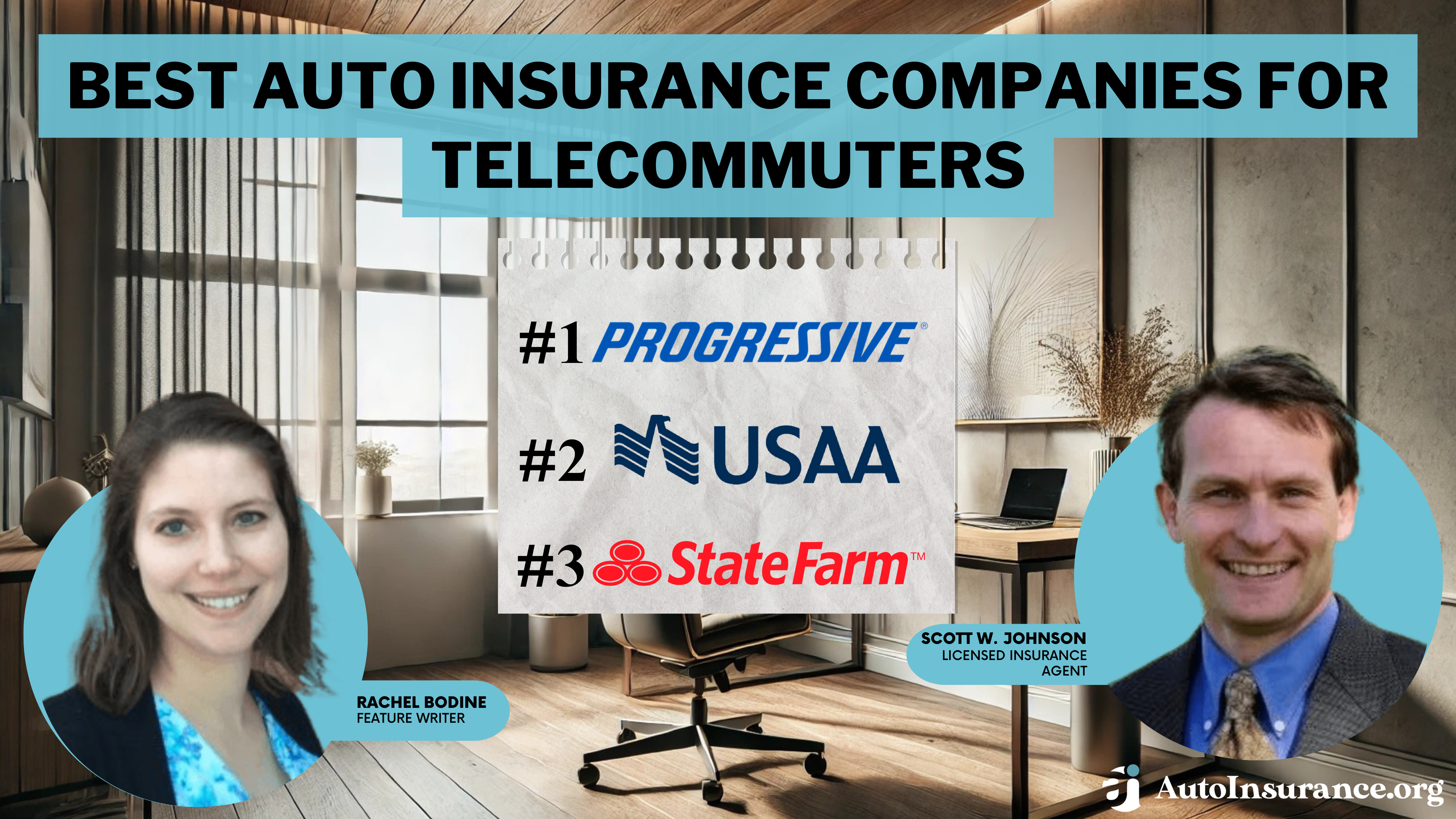
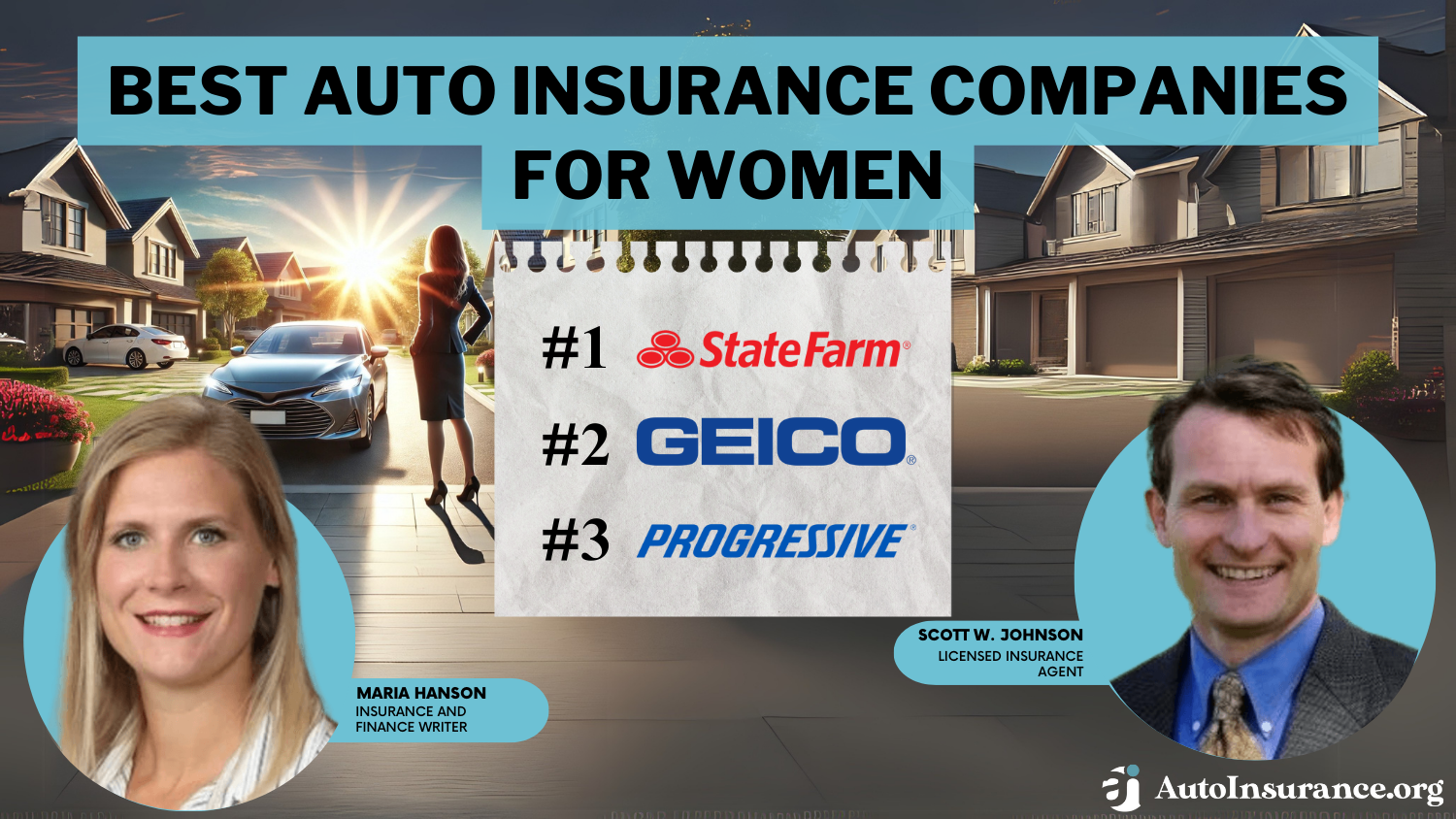
- State Farm: Known for an extensive network of local captive agents across San Antonio, making it ideal for drivers who prefer face-to-face consultations. They offer strong bundling options with homeowners insurance and telematics programs like Steer Clear for younger drivers.
- GEICO: Frequently recognized for competitive baseline pricing and user-friendly digital tools. GEICO appeals to tech-savvy consumers seeking quick online quotes, streamlined claims filing, and straightforward policy management.
- Progressive: Noted for its Name Your Price tool, which helps budget-conscious shoppers align coverage options with specific financial targets. Progressive also offers robust comparison tools and specialized coverage for rideshare drivers operating services like Uber or Lyft in San Antonio.
Regional and Specialty Insurers
- Texas Farm Bureau Insurance: A regional insurer deeply familiar with Lone Star State regulations, weather patterns, and local legal environments. They offer specialized membership benefits and personalized customer support tailored to Texas residents.
- USAA: Exclusively serves military members, veterans, and their immediate families. USAA consistently ranks near the top of J.D. Power customer satisfaction studies for claims handling, pricing fairness, and member retention.
Strategies to Lower Your Auto Insurance Premium
Securing competitive rates in Steeplebrook does not require sacrificing necessary protection. Drivers can implement several proven strategies to reduce their monthly out-of-pocket expenses:
- Bundle Policies: Combining auto insurance with homeowners, renters, or umbrella policies through a single carrier frequently yields multi-policy discounts ranging from 10% to 25%.
- Increase Deductibles: Raising comprehensive and collision deductibles from $500 to $1,000 can reduce monthly premiums substantially. Drivers must ensure they maintain adequate emergency savings to cover the higher out-of-pocket cost if a claim occurs.
- Utilize Telematics Programs: Many carriers offer app-based tracking programs that monitor driving habits such as speed, braking smoothness, and phone distraction. Safe drivers can earn significant discounts based on their actual performance behind the wheel.
- Maintain Good Student Status: High school and college drivers who maintain a "B" average or higher can qualify for student discounts, offsetting the traditionally higher premiums associated with youthful operators.
- Equip Safety Features: Anti-theft devices, daytime running lights, factory-installed airbags, and advanced driver-assistance systems (such as automatic emergency braking) often qualify vehicles for safety-related discounts.
Step-by-Step Guide to Shopping for Auto Insurance
Finding and securing the best auto insurance policy involves a structured process that ensures adequate coverage without overpaying.
- Audit Current Coverage: Review existing policy declarations pages to verify current liability limits, deductibles, and optional endorsements. Identify any coverage gaps or unnecessary add-ons.
- Determine Household Needs: Assess vehicle usage, number of drivers in the household, and financial assets that require protection against liability claims.
- Gather Necessary Information: Compile driver's license numbers, Vehicle Identification Numbers (VINs), current mileage estimates, and driving history records for all household operators.
- Request Multiple Quotes: Obtain quotes from at least three different carriers using identical coverage limits to ensure an accurate apples-to-apples comparison.
- Verify Carrier Financial Stability: Check independent rating agencies like A.M. Best or Demotech to confirm the financial health and claims-paying ability of shortlisted insurers.
- Finalize and Switch: Purchase the new policy, confirm the effective date, and ensure the previous policy is formally canceled to avoid overlapping charges or coverage lapses. Provide proof of insurance to lienholders if the vehicle is financed or leased.
Common Pitfalls to Avoid When Buying Auto Insurance
Navigating the auto insurance market can present several hidden traps that cost consumers money or leave them unprotected during a claim.
- Choosing Bare-Minimum Coverage to Save Money: While state-minimum liability lowers monthly bills, it exposes personal assets to severe legal and financial risk if you cause a major accident.
- Failing to Update Policy Information: Failing to notify your insurer about life changes—such as a new residential address, a change in daily commute distance, or an additional driver in the household—can result in denied claims or policy cancellation.
- Ignoring the Claims History Report: Insurers pull Comprehensive Loss Underwriting Exchange (C.L.U.E.) reports when quoting rates. Reviewing your personal report periodically ensures that past claims or towing incidents reported in error do not artificially inflate your premiums.
- Overlooking Deductible Thresholds: Selecting a high deductible to lower monthly payments without verifying that you have cash reserves to pay that deductible creates significant financial strain during an unexpected repair.
Frequently Asked Questions
What are the mandatory auto insurance requirements in Texas?
Texas law requires drivers to carry minimum liability limits of $30,000 for bodily injury per person, $60,000 for total bodily injury per accident, and $25,000 for property damage (often written as 30/60/25). These limits represent the absolute legal minimum required to operate a motor vehicle on public roads.
How does living in Steeplebrook, San Antonio affect my insurance rates?
Insurers determine rates based on regional risk data associated with specific ZIP codes. Factors include local traffic density, historical accident rates, weather patterns such as hail and heavy rain, and vehicle theft statistics within the northern San Antonio metropolitan area.
Are telematics or driving-tracking apps worth using?
Telematics apps monitor driving habits like speed, acceleration, braking, and phone usage. For safe drivers who practice low mileage and smooth driving habits, these programs can yield substantial discounts. However, drivers who commute during heavy peak hours or frequently brake hard may see smaller discounts or potential rate increases depending on the carrier.
What should I do immediately after an accident in San Antonio?
First, ensure everyone is safe and move vehicles to a safe location if possible. Call 911 to report the accident and request police assistance if there are injuries or significant property damage. Exchange contact, insurance, and vehicle information with the other driver. Document the scene with photographs and report the claim to your insurance provider as soon as possible.
How often should I shop around for auto insurance?
It is advisable to review your auto insurance policy annually or whenever major life events occur, such as buying a new vehicle, moving to a new address, adding a teen driver, or experiencing changes in your credit score. Shopping around periodically ensures you continue receiving competitive rates and appropriate coverage.
Conclusion
Securing top auto insurance in Steeplebrook, San Antonio, TX, requires a strategic approach that balances state legal requirements with robust personal asset protection. By evaluating high-tier national and regional carriers, leveraging available discounts, and maintaining clean driving records, motorists can protect themselves against financial loss while navigating Central Texas roads with confidence.