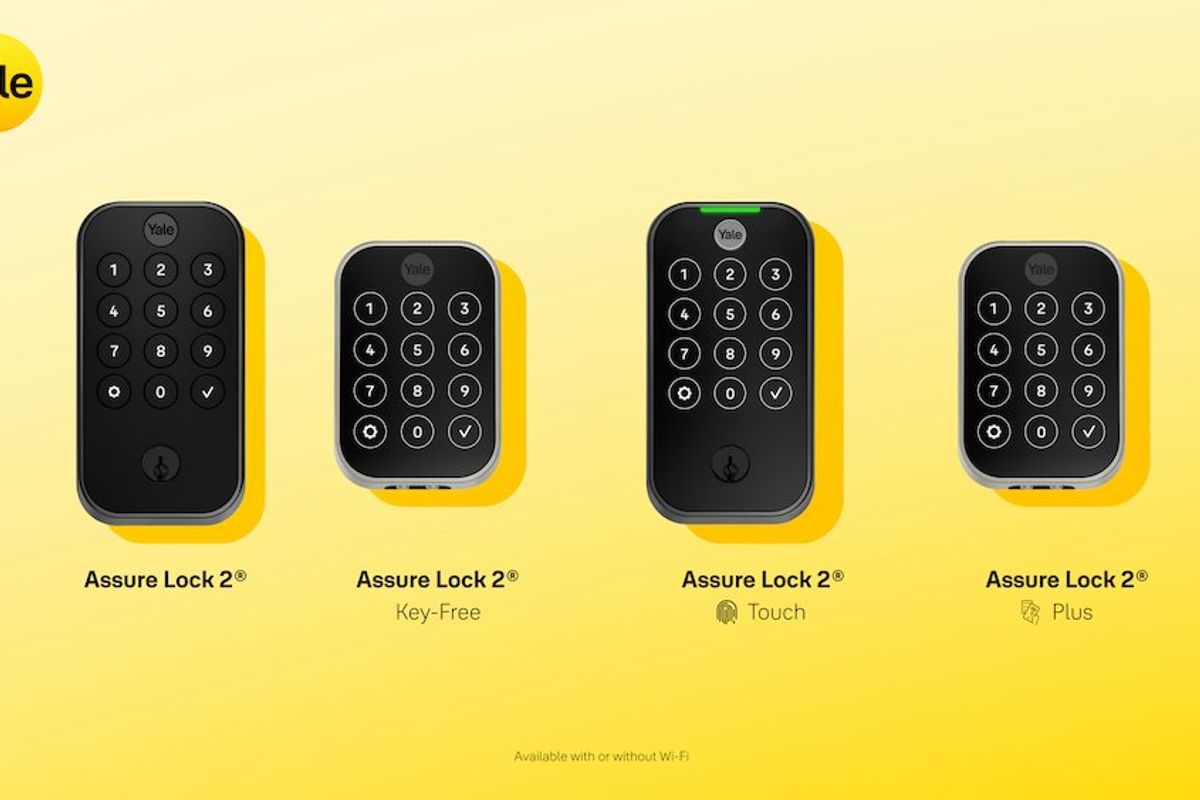
Changing the entry codes on your Yale Assure Lock 2 is a straightforward administrative task that ensures your home security remains robust and up to date. The most reliable way to manage these user codes is through the Yale Access mobile application, which provides a visual, user-friendly interface to add, delete, or modify codes without needing to interact with the physical keypad.
Understanding the Yale Assure Lock 2 Ecosystem
The Yale Assure Lock 2 series represents a significant evolution in smart residential security. Unlike older mechanical deadbolts, these devices act as a bridge between physical hardware and digital access management. When you speak about "changing codes," you are referring to the Master Entry Code or the individual User Entry Codes stored within the lock’s internal memory.
To successfully manage these credentials, it is important to understand the hierarchy of access. The Master Entry Code is the primary administrative PIN used to access the lock's programming menu locally. Individual User Entry Codes, however, are unique identifiers assigned to family members, guests, or service providers. By utilizing the Yale Access app, you bypass the need to memorize complex button-press sequences on the keypad, as the application handles the data transmission to the lock via Bluetooth or a Wi-Fi-connected bridge.
Prerequisites for Code Management
Before attempting to change your codes, ensure your environment is prepared to handle the update. You will need:
- A functional Yale Assure Lock 2: The device must have fresh batteries installed. If the lock is reporting low battery levels, do not attempt to modify security settings, as a power failure during a data sync can result in system errors.
- The Yale Access App: Ensure the application is installed on your smartphone and that you are signed into the owner account associated with the lock.
- Proximity: For locks not equipped with a Wi-Fi module, you must be within Bluetooth range of the lock to initiate code changes.
- Account Permissions: You must have Owner or Administrator status in the Yale Access app to modify or delete existing user codes.
The Primary Method: Using the Yale Access App
The most efficient, "one simple way" to change codes is via the app. This method eliminates human error associated with the keypad’s auditory and visual feedback signals.
- Launch the App: Open the Yale Access app on your mobile device.
- Select the Lock: If you have multiple devices, tap the icon corresponding to the specific Yale Assure Lock 2 you wish to manage.
- Navigate to Guest List: Tap the "Guest" icon, usually located at the bottom of the lock's dashboard.
- Manage Users: You will see a list of current users. Select the user whose code you wish to update or add.
- Modify or Create: If the user already exists, select their name and choose the option to change their Entry Code. If you are creating a new entry, select the "Invite" or "Add User" button.
- Enter the PIN: Input the new 4-to-8-digit code. The app will prompt you to confirm the code.
- Sync: Once saved, the app will wirelessly communicate with the lock. You will receive a confirmation message once the new code is active.
Alternative: Manual Keypad Programming
In scenarios where the mobile app is unavailable or the lock is not connected to a network, you may perform changes via the physical keypad. While this is not the primary "simple" method for most users, it remains a critical fallback.
To change a code manually:
- Wake the keypad by touching the screen with your palm.
- Enter your Master Entry Code followed by the "#" key.
- Select the "2" key (often the designated button for User Management).
- Select the "1" key to add or modify a user code.
- Enter the user slot number (if required by your specific firmware version) and the new desired PIN, followed by "#".
- The lock will provide an auditory chime or light pattern confirming the successful storage of the new code.
Security Best Practices for Entry Codes
When managing your Yale Assure Lock 2 codes, treat your PINs with the same level of security as a password. Security researchers and locksmiths consistently advise against using predictable sequences such as "1234," "0000," or birthdates.
Because the Yale Assure Lock 2 allows for codes between 4 and 8 digits, opting for a longer, 6-to-8-digit code significantly increases the difficulty for unauthorized individuals attempting to guess the PIN. Furthermore, if you are providing access to contractors or short-term guests, ensure you delete their codes immediately after their period of access concludes. Regularly auditing your "Guest List" in the Yale Access app is the most effective way to prevent "access creep," where former visitors retain entry rights longer than intended.
Comparison of Code Management Methods
| Feature | Yale Access App | Keypad Manual Entry |
|---|---|---|
| Ease of Use | High (Visual Interface) | Low (Sequence-based) |
| Efficiency | Fast (Bulk management) | Slower (Step-by-step) |
| Audit Trail | Yes (See who enters) | No (Manual entry only) |
| Connectivity | Requires Bluetooth/Wi-Fi | Standalone |
| Complexity | User-friendly | Moderate technical requirement |
Troubleshooting Common Issues
If you encounter errors when attempting to change your codes, consider the following troubleshooting steps:
- Communication Errors: If the app indicates it cannot "see" the lock, ensure your phone's Bluetooth is enabled. If you are remote, ensure your Yale Wi-Fi Bridge is powered and connected to your router.
- Invalid Code Length: The lock requires a specific digit count (4-8). If your entry is rejected, verify you are not using a restricted sequence or a code that is too short.
- Full Memory: If you are unable to add a new code, you may have reached the maximum user capacity for your model. Delete an unused code from the list to free up a slot.
- Keypad Unresponsiveness: If the screen does not light up when touched, the batteries are likely depleted. Replace the four AA alkaline batteries—do not mix old and new batteries, as this can damage the circuitry.
Frequently Asked Questions
Can I use the same PIN for multiple people? No, the Yale system typically requires unique PINs for every user. This is a deliberate security feature that allows you to see in the app’s activity log exactly which user code was used to unlock the door.
How do I delete a user code if I lose my phone? If you lose your mobile device, you can log into the Yale Access account from a different smartphone or tablet. Alternatively, you can use the Master Entry Code on the physical keypad to manually delete specific user slots.
Will changing the codes delete my user history? No. Modifying or deleting a user code will not erase the historical log of when that specific code was previously used. That data is stored in the cloud-linked account, not on the lock's local PIN memory.
How many codes can I store on my Yale Assure Lock 2? Depending on the specific hardware version of your Yale Assure Lock 2, the device can generally store between 25 and 250 unique user codes. Check your specific manual if you operate a commercial property requiring a high number of individual access credentials.
What happens if I forget my Master Entry Code? If you forget the Master Entry Code, you will need to perform a factory reset of the lock. Be aware that a factory reset will erase all existing user codes and restore the lock to its original out-of-the-box configuration, requiring a full re-setup in the app.
Final Next Steps
The most secure way to maintain your home’s perimeter is to perform a monthly audit of your user codes. If you have not reviewed your entry list in the past 90 days, open the Yale Access app today, delete any codes associated with people who no longer require access, and ensure your own Master Entry Code is unique. By treating your lock management as a proactive security task rather than a reactive one, you ensure that the convenience of keyless entry does not compromise your home's integrity.