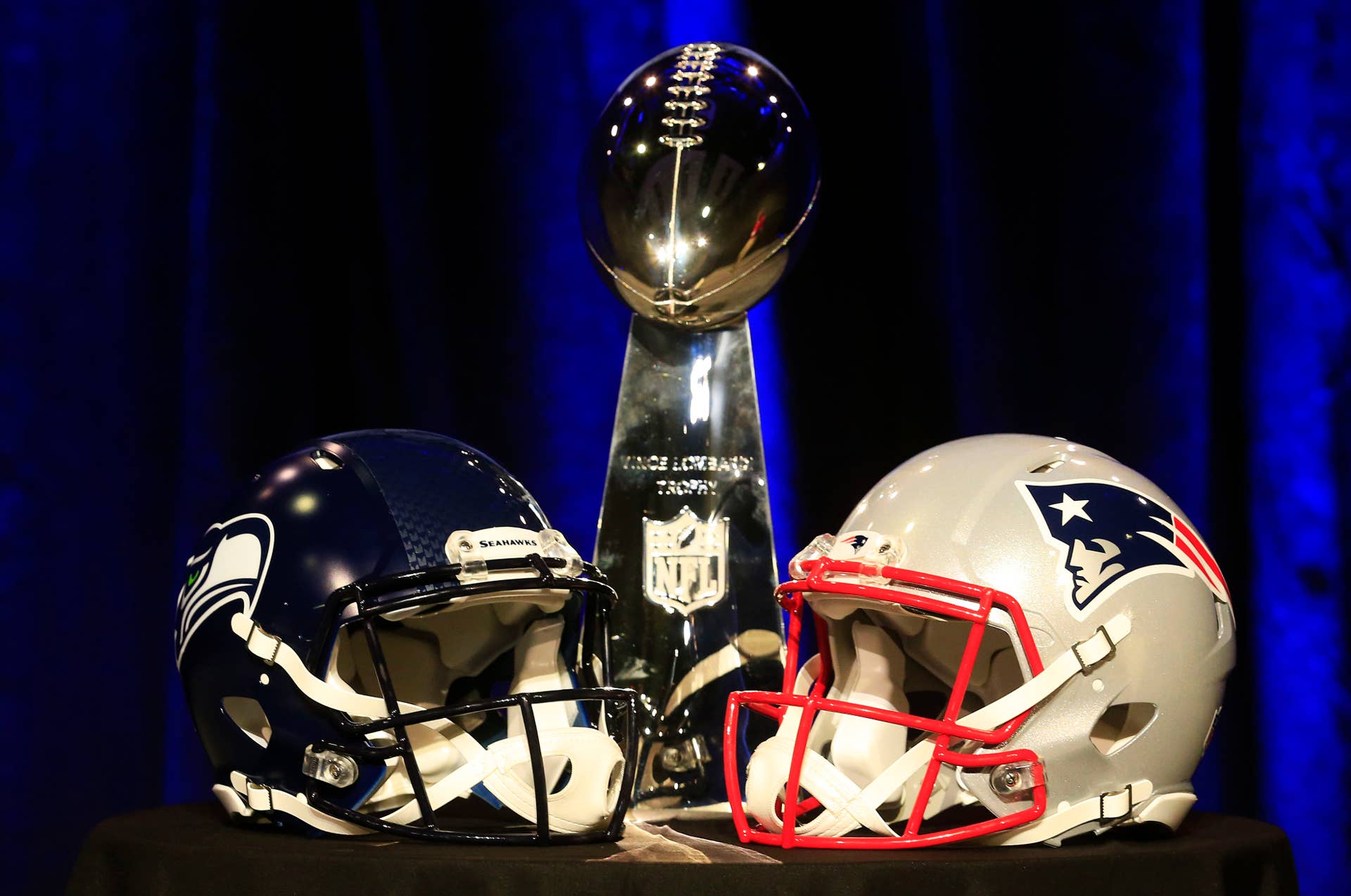
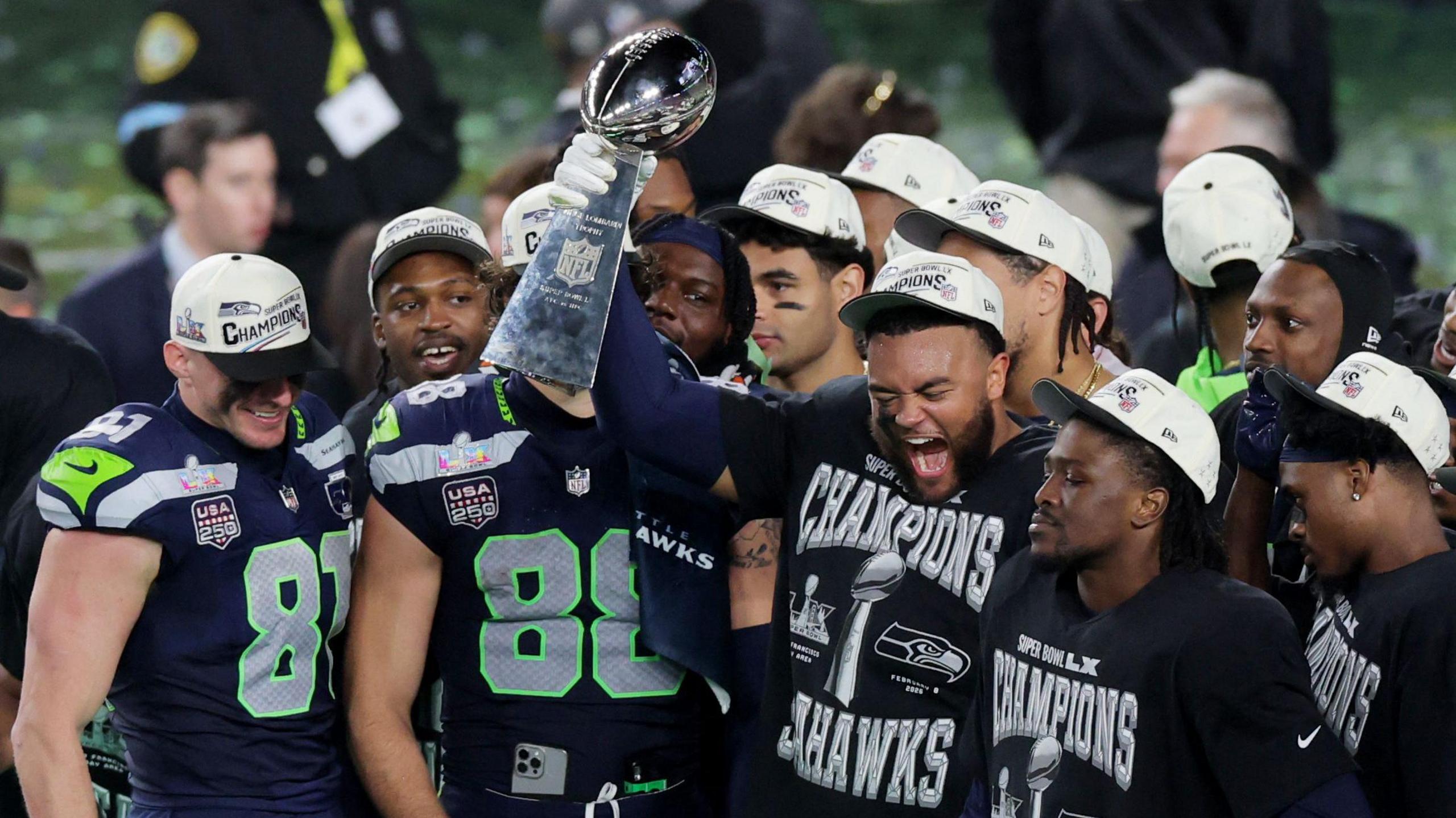
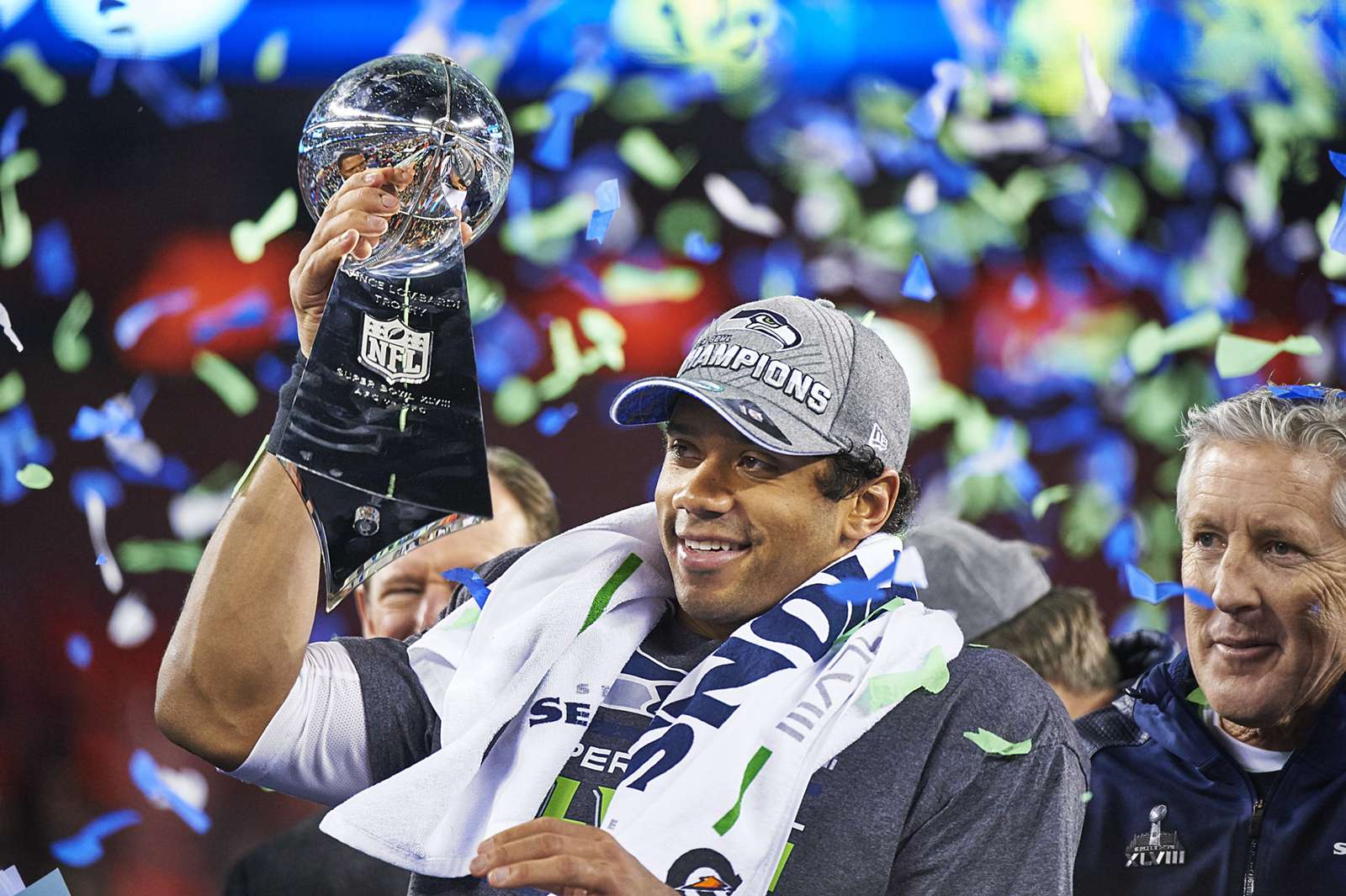
The Seattle Seahawks competed in the 2015 Super Bowl—officially designated as Super Bowl XLIX—on February 1, 2015, at the University of Phoenix Stadium in Glendale, Arizona. Facing the New England Patriots, the Seahawks sought to defend their 2014 championship title, ultimately losing in a dramatic 28–24 finish that remains one of the most scrutinized outcomes in National Football League history.
The Context: Returning to the Pinnacle
By the 2014 NFL season, the Seattle Seahawks had established themselves as the preeminent force in the league. Under the leadership of head coach Pete Carroll and general manager John Schneider, the team had built a defensive identity known as the "Legion of Boom." This defensive unit, anchored by players such as Richard Sherman, Earl Thomas, and Kam Chancellor, allowed the fewest points in the NFL for three consecutive seasons leading up to the 2015 Super Bowl.
The team’s offensive philosophy focused on a high-volume rushing attack led by Marshawn Lynch and the improvisational playmaking of quarterback Russell Wilson. Following a dominant victory over the Denver Broncos in Super Bowl XLVIII, the expectations for the Seahawks in 2015 were centered on creating a modern dynasty. Their path to the Super Bowl required overcoming a 16–0 fourth-quarter deficit against the Green Bay Packers in the NFC Championship Game, a comeback that reinforced the team's reputation for resilience and clutch performance.
The Matchup: Seahawks vs. Patriots
Super Bowl XLIX featured a tactical clash between the Seahawks’ top-ranked defense and the New England Patriots’ offense, orchestrated by Tom Brady and head coach Bill Belichick. The game was marked by significant momentum shifts. The first half ended in a 14–14 stalemate, with the Seahawks scoring a late touchdown to tie the game before halftime.
The third quarter saw the Seahawks extend their lead to 24–14, utilizing a strong ground game and efficient passing. However, the fourth quarter belonged to the Patriots, who executed two sustained scoring drives to take a 28–24 lead with just over two minutes remaining in the game. This left the Seahawks with a final opportunity to mount a drive for a potential game-winning touchdown.
The Final Drive and the Decisive Play
The final offensive sequence for the Seattle Seahawks is frequently cited as the most debated coaching decision in the history of the Super Bowl. After a miraculous reception by Jermaine Kearse put the Seahawks inside the five-yard line with less than a minute remaining, the offense appeared poised to win the championship.
With Marshawn Lynch—one of the league’s most effective power runners—in the backfield, the vast majority of spectators and analysts expected a run play. Instead, the Seahawks called for a quick slant pass intended for receiver Ricardo Lockette. Patriots cornerback Malcolm Butler recognized the formation, jumped the route, and intercepted the pass at the goal line. This interception effectively ended the Seahawks' hopes of securing back-to-back championships.
Tactical Breakdown: The Call at the Goal Line
To understand the gravity of the 2015 Super Bowl outcome, it is necessary to evaluate the factors involved in the final play call. The decision to pass rather than run has been analyzed through various lenses:
- Personnel Matchups: The Patriots had replaced their base personnel with a goal-line package featuring smaller, quicker defenders. The Seahawks coaching staff argued that passing would avoid a congested box, as the Patriots were expecting a run-heavy formation.
- Clock Management: By throwing on second down, the Seahawks aimed to retain the ability to call their final timeout if the play was incomplete, thereby preserving the chance to use all four downs to reach the end zone.
- Execution Errors: While the play call itself faced heavy criticism, the execution was hampered by the precision of the defender, Malcolm Butler, who had studied the formation during practice leading up to the game.
Comparative Analysis of Super Bowl XLVIII and XLIX
Comparing the Seahawks' performance in their back-to-back appearances highlights the evolution and eventual stagnation of their core roster.
| Feature | Super Bowl XLVIII (2014) | Super Bowl XLIX (2015) |
|---|---|---|
| Opponent | Denver Broncos | New England Patriots |
| Final Score | 43–8 (Win) | 24–28 (Loss) |
| Key Narrative | Defensive Dominance | The Goal-Line Interception |
| Primary Offensive Strategy | Balanced/Explosive | Controlled/Red-zone focused |
Legacy and Long-Term Impact
The loss in the 2015 Super Bowl acted as a pivot point for the Seattle Seahawks franchise. The immediate aftermath involved significant roster turnover and internal friction, as players and staff grappled with the missed opportunity to cement a multi-year dynasty.
The psychological impact on the team, particularly the defensive unit, was documented in the following seasons. While the Seahawks remained perennial playoff contenders for several years after 2015, they never returned to the Super Bowl. The "Legion of Boom" era eventually concluded as key veterans retired or transitioned to other teams due to salary cap constraints and natural roster attrition.
Addressing Common Misconceptions
A recurring question regarding the 2015 Super Bowl involves the role of injuries. Several key members of the Seahawks defense, including Richard Sherman (elbow), Earl Thomas (shoulder), and Kam Chancellor (knee), entered the game nursing significant injuries sustained during the NFC Championship Game. While these injuries impacted the defensive depth, they did not serve as the official justification for the final outcome, which was decided by the tactical decisions on the final drive.
Frequently Asked Questions
Why did the Seahawks choose to pass instead of run on the final play?
The coaching staff stated that they believed the Patriots’ goal-line defense was specifically prepared to stop a run. By opting for a pass, they intended to avoid a stacked front, though the interception ultimately rendered the strategy unsuccessful.
How did the 2015 Super Bowl change the Seahawks' trajectory?
The loss contributed to a shift in locker room chemistry and forced the organization to rethink its roster construction. It marked the beginning of the end for the core group that had dominated the league from 2012 to 2014.
Was the 2015 Super Bowl the most watched in history?
At the time of its broadcast, Super Bowl XLIX became the most-watched television program in United States history, with over 114 million viewers, a record that stood for several years thereafter.
Did the Seahawks win the Super Bowl in any other years?
The Seattle Seahawks won their only Super Bowl title in 2014 (Super Bowl XLVIII). They have appeared in the Super Bowl three times in franchise history: 2006, 2014, and 2015.
What is the lasting image of the 2015 Super Bowl for Seahawks fans?
The defining image remains the interception at the goal line. It serves as a reminder of the fine margins that separate victory from defeat in professional sports and remains a frequent topic of analysis in sports media.
Recommendations for Further Research
To gain a deeper understanding of this era, one should review the official NFL game logs for the 2014 postseason, which provide precise details on drive efficiency and player participation. For those interested in the organizational perspective, transcripts of the post-game press conferences from Pete Carroll and Russell Wilson provide significant insight into the team's internal communication at the time. Finally, the "All or Nothing" documentary series provides a granular look at the Seahawks' internal operations during this transitional period in their history.
The 2015 Super Bowl represents a quintessential moment where extreme preparation met an unexpected outcome. For any observer of the NFL, the game serves as a masterclass in the volatility of professional football and the enduring nature of legacy.