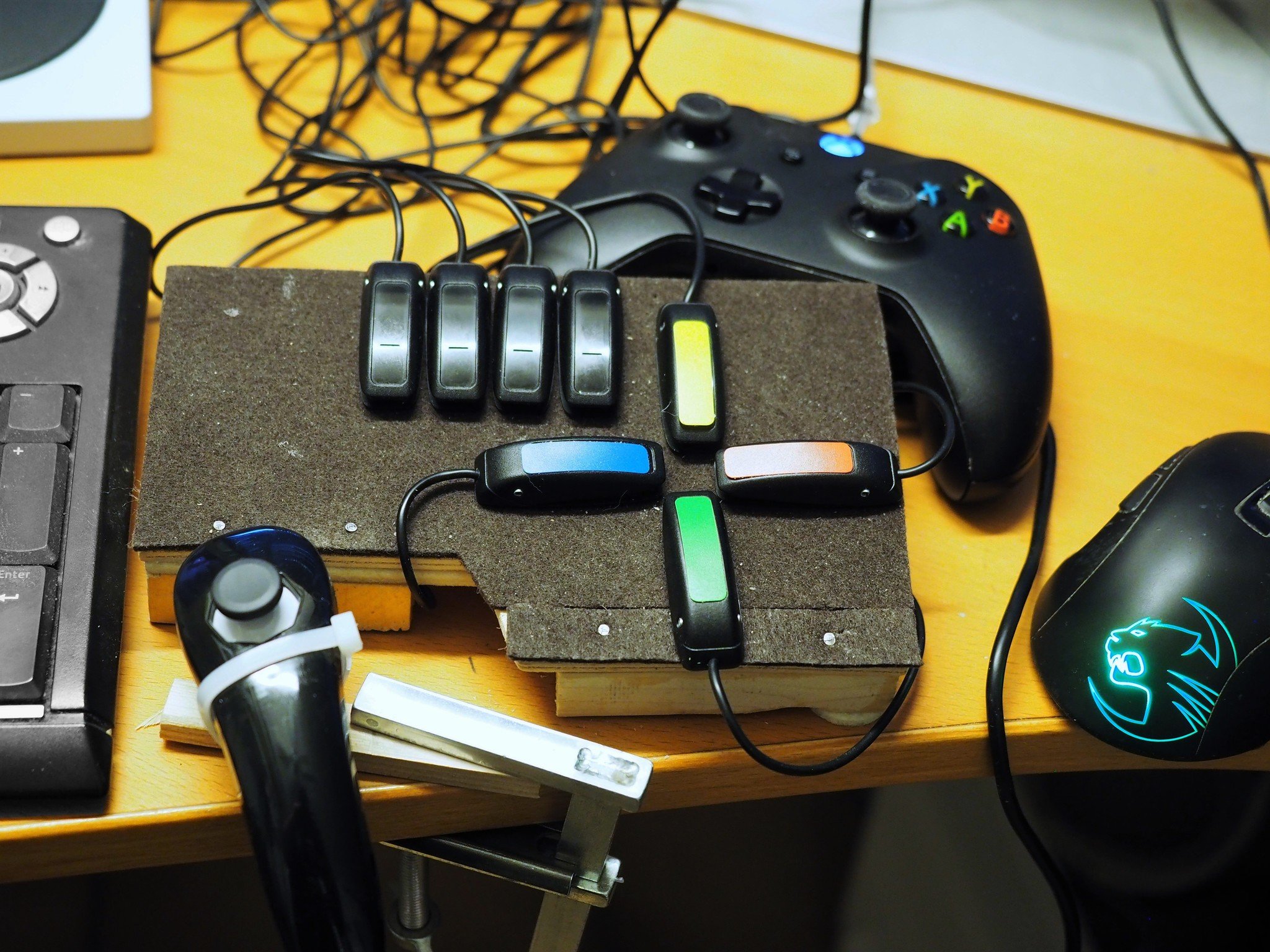
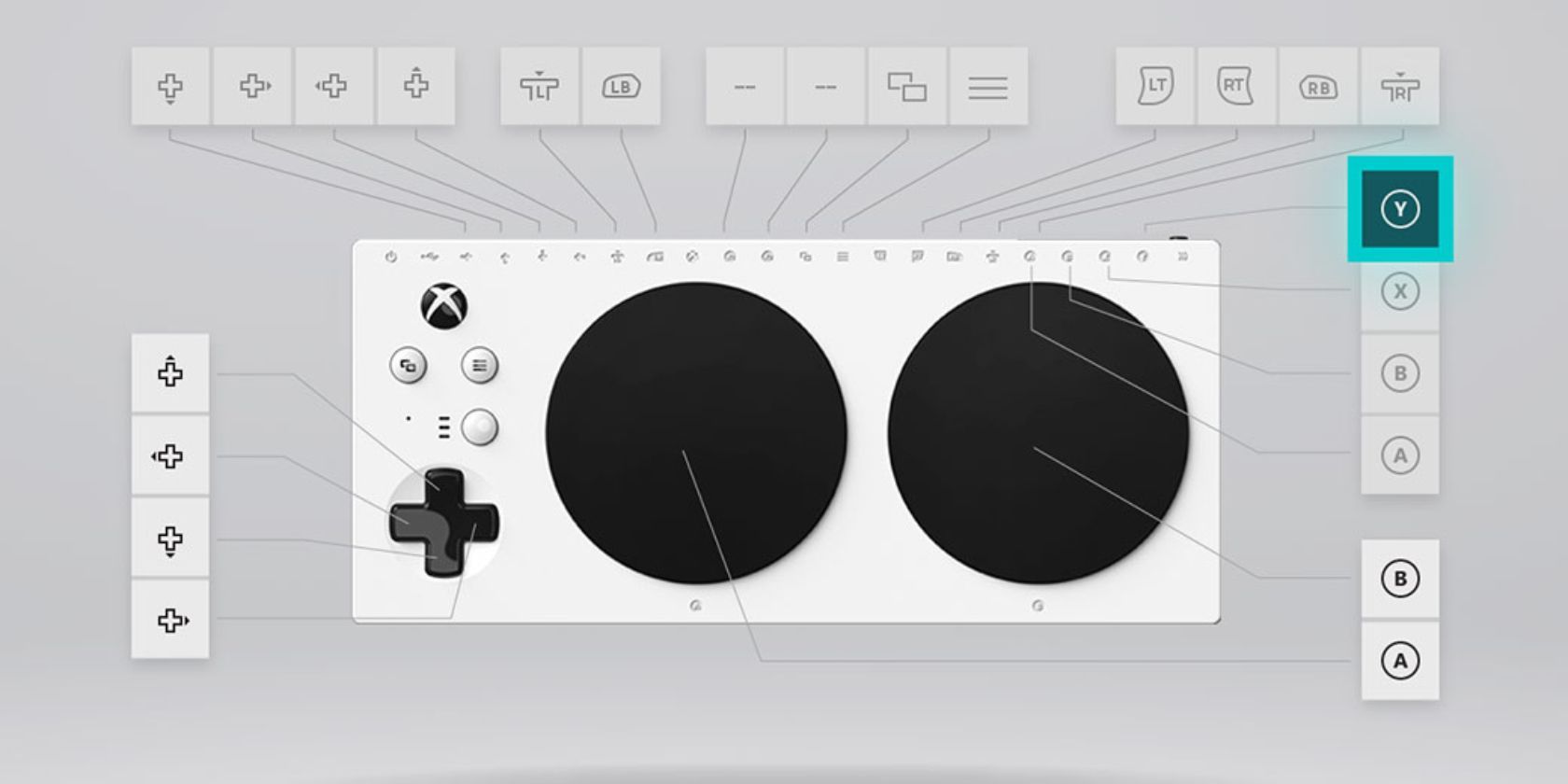
The PlayStation 4 supports the Xbox Adaptive Controller primarily through third-party adapter hardware such as the Brook Wingman XE or Cronus Zen, because Sony's console lacks native out-of-the-box support for Microsoft's accessibility device. Gamers with limited mobility can bridge this hardware gap by utilizing these specialized USB converters to connect custom switches, joysticks, and the adaptive interface directly to a PS4 or PS5 console.
Introduction to Adaptive Gaming on PlayStation 4
Navigating video games can present significant physical barriers for players with limited mobility, chronic pain, or dexterity impairments. Standard gamepads require a complex combination of precise thumbstick manipulation, simultaneous shoulder button presses, and sustained grip strength that standard controllers simply do not accommodate for everyone.
The introduction of specialized accessibility hardware revolutionized inclusive gaming, most notably through Microsoft's hardware designed for players with limited mobility. However, many gamers own multiple consoles or prefer specific ecosystems, leading to high demand for cross-platform hardware solutions.
When examining 1 overview of the ps4 adaptive controller compatibility, the primary technical hurdle is ecosystem isolation. Sony PlayStation systems do not natively recognize Microsoft’s accessibility hardware via a standard USB connection. Overcoming this barrier requires an understanding of hardware adapters, firmware configurations, input latency considerations, and peripheral support. This guide provides a comprehensive breakdown of how accessibility controllers interface with the PlayStation 4, what hardware is required, and how to configure a setup for seamless gaming.
Understanding the Hardware Gap: Native vs. Third-Party Support
To understand how accessibility peripherals function on Sony hardware, one must look at how consoles communicate with input devices. Consoles rely on authorized security chips and specific driver protocols to authenticate connected controllers.
Sony’s PlayStation 4 natively supports the DualShock 4 wireless controller, alongside a select roster of officially licensed third-party gamepads and arcade sticks. Because the primary accessibility controller in question was engineered primarily for Xbox and Windows environments, its internal firmware communicates using protocols that the PlayStation 4 operating system cannot interpret natively.
When plugged directly into a PS4 USB port, the accessibility device will typically flash, fail to register inputs, or display an unsupported device notification. Therefore, achieving compatibility requires an intermediary hardware translation layer. These intermediary devices act as protocol converters, intercepting signals from the accessibility controller and translating them into inputs that the PlayStation 4 recognizes as an authentic DualShock 4 controller.
Core Hardware Solutions for PS4 Adaptive Controller Compatibility
Because native support is unavailable, players must rely on specialized hardware adapters. Choosing the right adapter depends on budget, ease of setup, desired audio support, and whether the user intends to play native PS4 games or backward-compatible titles.
1. USB Controller Adapters
Dedicated USB converters—such as the Brook Wingman XE series—are designed specifically to bridge cross-platform controller gaps.
- Mechanism: These adapters plug directly into an available USB port on the front of the PlayStation 4 console. The accessibility controller is then plugged into the USB port of the adapter (or paired wirelessly via Bluetooth, depending on the adapter model).
- Advantages: They generally offer "plug-and-play" functionality with minimal latency, do not require complex PC programming software for basic mapping, and maintain stable connections.
- Limitations: Some budget adapters do not support headset audio through the controller jack, requiring alternative audio routing for game sound and chat.
2. Advanced Macro and Script-Capable Adapters
Devices like the Cronus Zen offer deep hardware integration for accessibility purposes.
- Mechanism: These devices route inputs through a multi-port interface that can spoof an authenticated PlayStation 4 security handshake by requiring an official controller to be plugged into a security port on the adapter itself.
- Advantages: They allow for extensive mapping customization, macro creation, and the combination of multiple input devices simultaneously (such as connecting standard foot pedals, specialized switches, and a quad-stick to a single interface).
- Limitations: They have a steeper learning curve, require initial setup via a Windows or Mac computer, and can be sensitive to firmware updates issued by Sony.
Comparison of Common PS4 Adaptation Methods
| Adaptation Method | Primary Hardware Required | Setup Complexity | Headset Audio Support | Approximate Cost Range |
|---|---|---|---|---|
| Plug-and-Play USB Converter | Brook Wingman XE / Magic-S Pro | Low (Plug and Play) | Varies by model (often requires console audio settings adjustment) | Moderate ($40 - $60 USD) |
| Advanced Multi-Interface Adapter | Cronus Zen + Auth Controller | High (Requires PC configuration) | Usually requires direct console USB/Wireless audio routing | Higher ($100+ USD) |
| Official Sony Alternative | Access Controller for PS5 (Used on PS4 via Remote Play workaround) | Moderate (Requires secondary device/network) | Dependent on host streaming device | Varies (Requires PS5/PC host) |
Note: Pricing and availability vary by region and retail market conditions.
Step-by-Step Integration Guide
Setting up an accessibility hardware bridge requires careful attention to connection sequences and console settings. Follow these structured steps to establish a reliable connection.
Step 1: Update Firmware
Before connecting any hardware to your PlayStation 4, visit the manufacturer’s official website for your chosen adapter (e.g., Brook or Cronus) using a computer. Download and install the latest firmware update. Manufacturers frequently release updates to maintain compatibility following Sony system software updates.
Step 2: Configure Console Settings
Ensure your PlayStation 4 is configured to accept wired communication controllers, which reduces authentication drops.
- Navigate to Settings on your PS4 dashboard.
- Select Devices, then Controllers.
- Choose Communication Method and set it to Use USB Cable (if your adapter or authentication controller requires a wired link).
Step 3: Physical Connection Sequence
For standard USB converters, the sequence of connection is critical for proper handshake authentication:
- Ensure the PlayStation 4 is powered completely off (not in Rest Mode).
- Insert the USB adapter into an open USB port on the front of the console.
- Connect the accessibility controller to the adapter's USB port using an appropriate, high-speed data cable.
- Power on the PlayStation 4 using the console's power button.
- Wait 5 to 10 seconds for the adapter LED to indicate a successful handshake and connection sync.
Step 4: Verify Button Mapping
Once connected, test the inputs in the PlayStation dashboard or within an offline game mode. If buttons are inverted or specific external switches are unresponsive, utilize the companion software on a PC to remap the inputs, or use the PS4's built-in accessibility menu (Settings > Accessibility > Button Assignments) to remap controller layouts at the system level.
Handling Firmware Updates and System Stability
PlayStation 4 system software updates—periodically released by Sony for security and maintenance—can occasionally disrupt third-party hardware communication. When a console update is applied, third-party adapters may temporarily lose authentication, resulting in error messages or unresponsive inputs.
- Check Manufacturer Bulletins: Always check the support page of your adapter manufacturer before updating your PlayStation 4 firmware.
- Avoid Auto-Updates (Optional): Some competitive and accessibility-focused users pause automatic system updates on their consoles until adapter manufacturers confirm that their firmware patches are compatible with the new PlayStation software version.
- Backup Profiles: If you use advanced adapters that require custom script or button profile memory slots, export your configuration profiles to a local computer directory so they are not lost during firmware reflashing procedures.
Common Troubleshooting Scenarios
Even with proper setup, hardware conflicts can occur. Review these common issues and verified resolutions:
- Controller Disconnects Every 8 Minutes: Some Sony security protocols force third-party unauthenticated USB devices to drop connection periodically. If this occurs, your adapter is likely missing an official security handshake. Ensure you are using an adapter that supports authentic controller pass-through or update the adapter's firmware to the latest revision.
- No Audio Through Controller Headset Jack: Many converters do not route audio channels through auxiliary ports on attached controllers. To resolve this, route your gaming headset directly into the PlayStation 4 via a USB wireless dongle, plug it into the optical port (on older PS4 models), or connect it directly to your television or monitor audio-out port.
- Unresponsive External Switches: If auxiliary 3.5mm switches plugged into the accessibility interface fail to register, verify that the switch polarity matches the input jack requirements. Some switches require mono cables, while others require stereo configurations.
Frequently Asked Questions
Can I connect an accessibility controller directly to a PS4 via Bluetooth?
No. The native Bluetooth stack on the PlayStation 4 does not possess the necessary driver profiles to recognize and pair with accessibility controllers natively. A physical USB adapter or receiver is required to bridge this wireless or wired gap.
Will using an adapter cause noticeable input lag?
High-quality modern adapters operate with polling rates that introduce negligible latency (often under 2 milliseconds), which is virtually imperceptible for standard gaming. However, ensure you use certified data cables rather than charge-only cables to maintain optimal signal speed.
Do I need a PC to set up a PS4 controller adapter?
For basic plug-and-play USB converters like the Brook Wingman series, a PC is only needed if you need to update the device firmware. However, advanced script-based adapters require a Windows or Mac computer to configure button layouts, create accessibility profiles, and load specific memory configurations.
Can I use adaptive triggers and vibration features with these setups?
Advanced haptic feedback and adaptive trigger resistances designed specifically for newer console generations do not translate fully when routed through third-party adapters to a PlayStation 4. Standard rumble vibration may function depending on the adapter model, but specialized resistance features are generally omitted.
Are there alternative official accessibility options for PlayStation consoles?
Sony offers the Access Controller designed natively for the PlayStation 5. While it does not connect natively to a PlayStation 4, players utilizing PS4 Remote Play on a compatible PC, tablet, or PS5 system can sometimes route inputs through alternate hardware ecosystems, though direct local PS4 connection still relies on third-party adapter hardware.
Practical Next Actions
If you are planning to configure an accessible gaming setup on your PlayStation 4, begin by auditing your current peripheral needs—identify whether you require standard buttons, foot pedals, or sip-and-puff switches. Next, select a reliable, verified third-party adapter that matches your technical comfort level, and ensure you have access to a computer for potential firmware updates before beginning assembly.