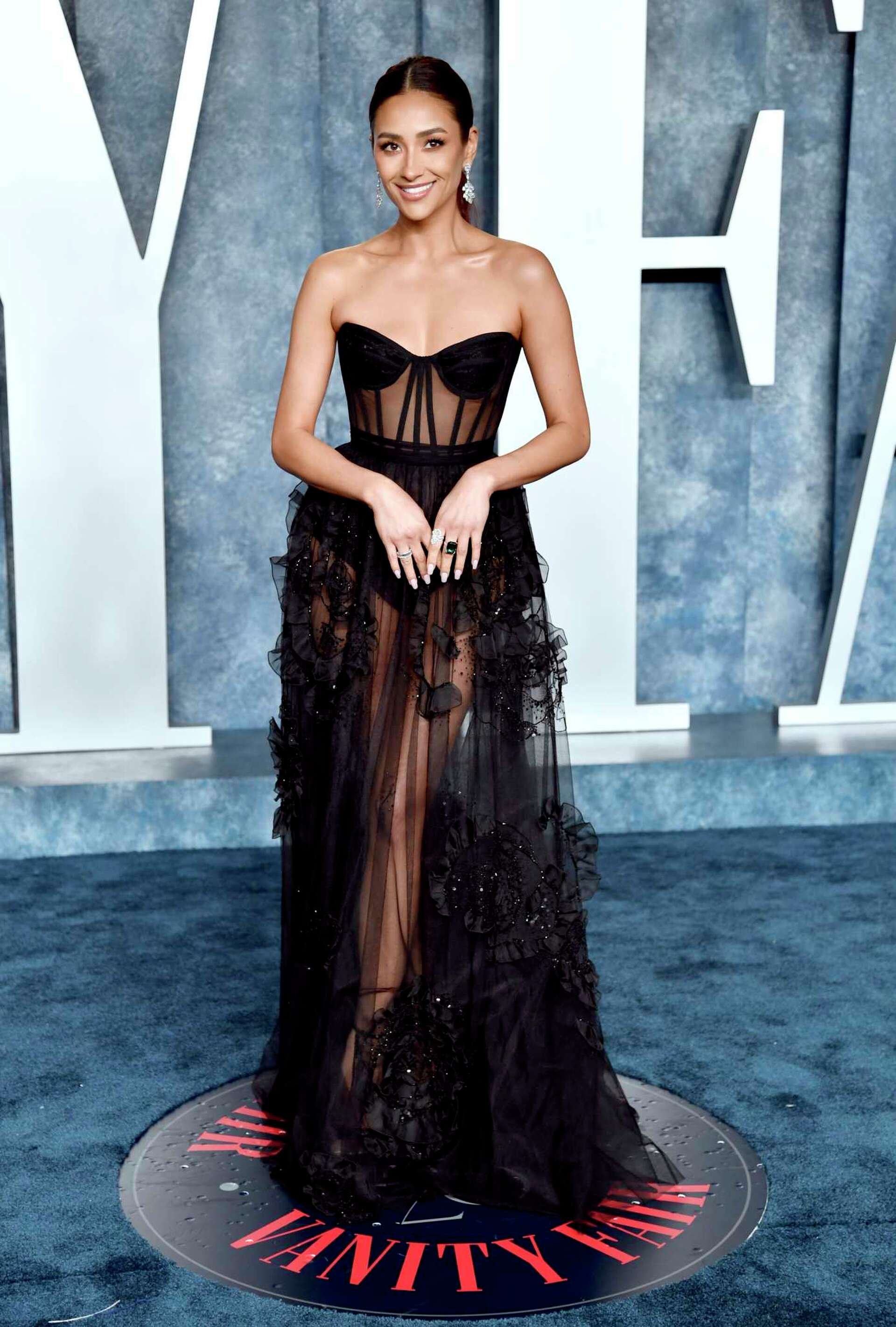
Ciara’s appearance at the 2023 Vanity Fair Oscar Party featured a sheer, caped Dundas gown that balanced high-fashion avant-garde design with the classic Hollywood glamour expected at post-Academy Award events. The dress, a standout piece from the Peter Dundas collection, utilized complex draping and transparent fabric, sparking widespread discussion regarding its technical construction and stylistic boldness within the context of 2023 red carpet trends.
The Design Philosophy of the Dundas Gown
When analyzing the choice of attire for the 2023 Vanity Fair Oscar Party, one must first look at the partnership between Ciara and designer Peter Dundas. Dundas is historically known for his penchant for "bold glamour"—a aesthetic characterized by plunging necklines, sheer materials, and a strong emphasis on the silhouette.
The gown worn by Ciara was not merely a garment but a structural experiment in fashion engineering. The primary aesthetic goal was the illusion of movement. By utilizing layers of high-grade, sheer mesh, the design team created a garment that appeared to float around the wearer. The inclusion of a cape—a recurring motif in modern luxury evening wear—added a theatrical element that grounded the otherwise ethereal nature of the fabric.
From a textile perspective, the gown required precise pattern-making to ensure that the fabric maintained its tension across the torso while remaining fluid in the skirt. The intricate beadwork, which was strategically placed to provide coverage while maintaining the "naked dress" aesthetic, was applied by hand. This level of craftsmanship is indicative of the couture-adjacent processes used for major Hollywood events, where garments are often fitted within millimeters to ensure the wearer's security and comfort under intense camera flashes.
Contextualizing the 2023 Red Carpet Landscape
To understand why this specific look generated so much visibility, one must view it through the lens of the 2023 awards season. This year was defined by a transition toward "sensual sophistication." Celebrities and stylists were moving away from the more conservative silhouettes of the late 2010s, favoring designs that challenged traditional definitions of red carpet modesty.
Ciara’s gown fit squarely into this movement. While the dress pushed the boundaries of transparency, it remained firmly within the stylistic requirements of the Vanity Fair party, which historically serves as a more experimental, high-fashion playground compared to the main Academy Awards ceremony. At this event, celebrities are often encouraged to take stylistic risks that might be considered too avant-garde for the Dolby Theatre stage. The Dundas gown was a strategic choice that prioritized impact and brand alignment over conventional bridal or red-carpet norms.
Technical Construction and Practical Considerations
For those examining the garment from a technical standpoint, the construction reveals several critical components of luxury evening wear. The primary challenge in a gown of this nature is internal support. Because the gown featured a sheer bodice, it relied on specialized internal corsetry, likely constructed from nude-toned, reinforced mesh that matches the wearer's skin tone. This internal structure is invisible to the casual observer but is essential for the garment’s structural integrity.
The "drape" of the gown—the way the fabric falls from the shoulder to the floor—is determined by the bias cut of the material. By cutting the fabric at a 45-degree angle to the grain, Dundas allowed the fabric to stretch and mold to the body’s natural lines. This technical choice is what gives high-end gowns their "liquid" appearance, though it also makes them notoriously difficult to alter once production has begun.
| Feature | Technical Purpose | Impact on Silhouette |
|---|---|---|
| Sheer Mesh Base | Provides structural foundation | Creates the illusion of floating fabric |
| Strategic Embellishment | Concealment and weight | Guides the eye and adds texture |
| Cape Integration | Dramatic aesthetic movement | Elongates the wearer’s frame |
| Bias-Cut Skirt | Fluidity and drape | Enhances movement during transit |
Styling and Presentation: The Role of Accessories
A gown as loud as the 2023 Dundas piece requires a delicate balance in styling. In the case of Ciara’s ensemble, the styling was centered on a "less is more" philosophy regarding jewelry. Because the dress itself featured intricate beadwork and structural detailing, the inclusion of heavy necklaces would have cluttered the visual line of the cape and the bodice.
Instead, the look utilized minimal, high-impact jewelry to frame the face. This directs the observer’s attention to two places: the face and the overall silhouette of the dress. The hair and makeup choices—typically featuring sleek, pulled-back styles or "wet look" waves—are designed to prevent any visual competition with the architectural nature of the dress. When a garment has high "visual weight," the styling must function as a frame rather than a feature.
Common Red Carpet Misconceptions
It is a common error to view such gowns solely as fashion statements without considering their practical limitations. Many observers assume these gowns are comfortable or standard pieces of clothing. In reality, a dress like the one worn to the 2023 Vanity Fair party is a specialized tool for image management.
- Mobility Limitations: The sheer complexity of the draping and the potential weight of the beads mean that movement is often restricted. Models and celebrities are often trained to navigate these looks with specific techniques to avoid catching the fabric on shoes or furniture.
- Lighting Sensitivity: These dresses are often designed specifically for the high-intensity light of professional photography. Fabrics that look opaque in natural light can become entirely transparent under studio strobes. Stylists must test these fabrics in controlled environments before the event to ensure the intended level of coverage is maintained.
- Internal Architecture: The "naked dress" look is almost never truly sheer. It is an illusion created through layering and color-matching. The "scaffolding" underneath is the most expensive part of the manufacturing process.
The Cultural Impact of Celebrity Style Choices
The influence of a look like this extends beyond the night of the event. For brands like Dundas, the goal of dressing a high-profile individual like Ciara is to create a "moment" that ripples through social media and editorial fashion cycles for months. By positioning the dress as a bold, boundary-pushing choice, the designer reinforces their brand identity as a leader in the luxury evening wear market.
Furthermore, this look serves as a benchmark for designers who are trying to balance the tension between social media trends (which favor viral, shocking looks) and traditional luxury values (which favor craftsmanship and heritage). Ciara’s ability to carry this look effectively highlights why she remains a significant figure in the intersection of music and high fashion; she possesses the poise required to elevate a technically complex garment from a mere dress into a lasting red carpet memory.
Frequently Asked Questions
Who designed Ciara’s dress for the 2023 Vanity Fair Oscar Party? The dress was designed by Peter Dundas, a Norwegian designer known for his eponymous label, Dundas, which focuses on high-octane glamour and intricate, often revealing, silhouettes.
What was the primary design feature of the dress? The most notable features were the sheer mesh construction, the integrated cape, and the strategic placement of beads and embroidery, which created a "naked" illusion while providing necessary coverage.
Are dresses like this comfortable to wear for an entire evening? Comfort is rarely the primary goal of such high-fashion garments. They are engineered for impact, and they often incorporate rigid internal corsetry and heavy beadwork that require the wearer to maintain specific posture to remain comfortable and secure throughout the event.
Why do celebrities choose sheer or "naked" dresses for events like the Oscars? The "naked dress" is a tool for modern red carpet impact. It serves to challenge traditional beauty standards and demonstrates the designer’s technical skill in creating structural illusions, which makes it highly effective for generating media coverage.
How is the "naked" effect achieved without total transparency? The effect is achieved through the use of high-quality tulle or mesh that matches the wearer's skin tone perfectly. These layers are strategically placed over inner corsetry or nude-toned bodysuits to create the illusion of skin while maintaining modesty.
Strategic Next Steps for Fashion Analysis
When evaluating red carpet looks from past events like the 2023 Oscars, the best approach is to categorize the look by intent—is it for red carpet impact, editorial longevity, or personal branding? By looking beyond the surface level of "what looks good," one can gain a deeper understanding of the collaborative effort between designers, stylists, and the public figures who wear these pieces. If you are interested in the evolution of these styles, focus on the shift in fabric technology and the increasing collaboration between luxury fashion houses and technical garment manufacturers.