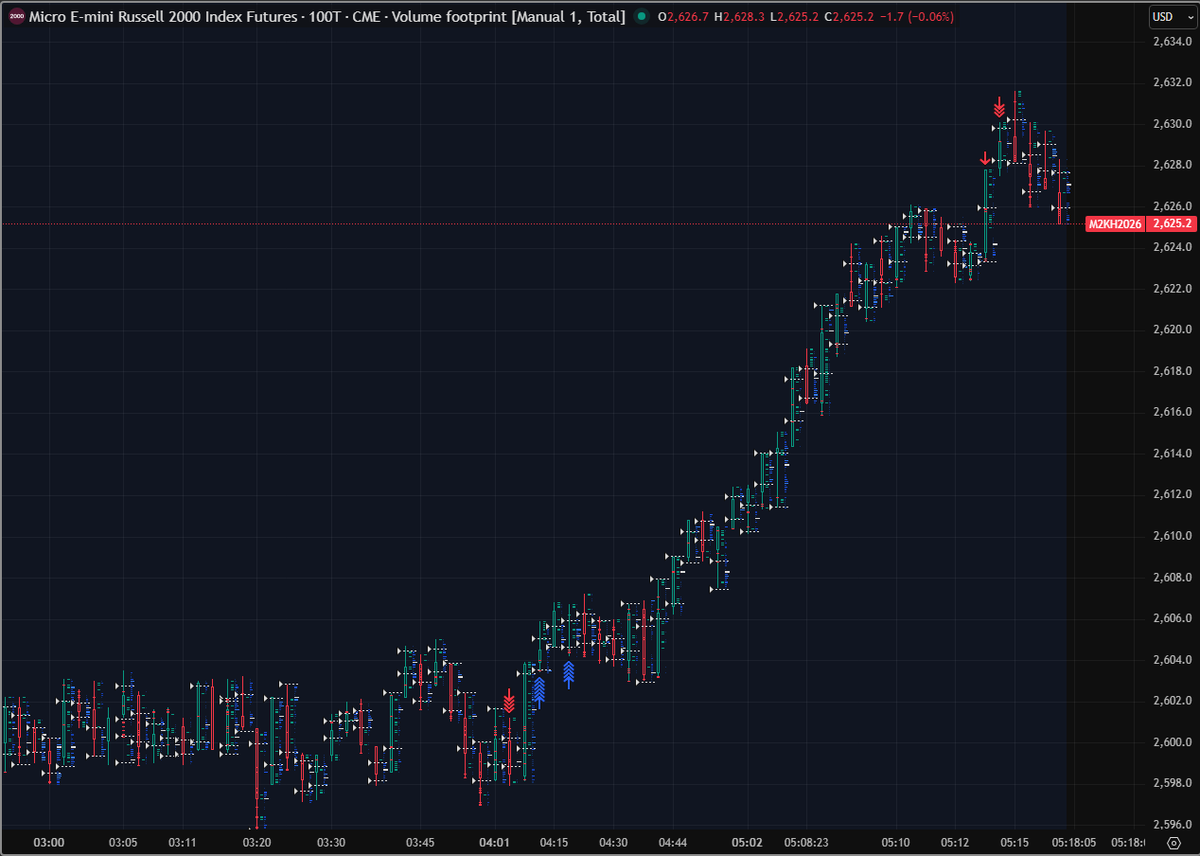
Navigating the E-mini Russell 2000 (RTY) requires understanding liquidity dynamics during market hours. Traders must master the interplay between tight order book depth, high volatility, and regular trading session closures to manage risk effectively when speculating or hedging with small-cap equity index futures.
Introduction to the E-mini Russell 2000
The E-mini Russell 2000 (ticker symbol: RTY) is one of the most widely traded equity index futures contracts in the world. Representing the small-cap segment of the United States equities market through the Russell 2000 Index, this contract offers institutional and retail participants a way to gain exposure to or hedge against smaller public companies.
However, trading small-cap futures differs significantly from trading large-cap products like the E-mini S&P 500 (ES) or Nasdaq-100 (NQ). Small-cap stocks are traditionally more volatile, more sensitive to domestic economic shifts, and subject to distinct liquidity profiles.
To succeed in this market, participants must evaluate multiple operational and strategic factors. This guide explores the single most critical consideration for trading the E-mini Russell 2000: managing execution liquidity and intraday volatility differentials compared to large-cap benchmarks. By unpacking this central theme, along with operational prerequisites, contract specifications, and risk management frameworks, traders can build a resilient approach to small-cap futures.
1. Primary Consideration: Liquidity Dynamics and Volatility Differentials
The foundational challenge of trading the E-mini Russell 2000 lies in its unique liquidity profile. While RTY enjoys robust daily volume, its order book depth—the number of contracts available at the best bid and ask prices—is typically thinner than that of the E-mini S&P 500.
Understanding Order Book Depth
Order book depth determines how many contracts can be bought or sold at the current market price without causing slippage. Because the underlying Russell 2000 index comprises smaller capitalization companies, market makers and institutional participants often face higher hedging costs in the cash market. This translates into futures markets via:
- Wider Bid-Ask Spreads: Spreads on RTY can occasionally widen during low-volume periods, structural market transitions, or high-stress news events.
- Slippage Risk: Market orders executed during thin periods are more susceptible to negative execution slippage compared to identical order sizes in large-cap contracts.
- Price Impact: Large institutional orders can move the RTY price faster and more aggressively, triggering cascade effects in automated stop-loss orders.
The Volatility Multiplier Effect
Small-cap companies are disproportionately impacted by domestic interest rate changes, inflationary pressures, and domestic supply chain fluctuations. Consequently, the Russell 2000 index regularly exhibits higher beta than the S&P 500.
When trading RTY, participants must account for this heightened volatility. A standard one-point move in RTY has a distinct dollar value, but the velocity of those points can outpace large-cap instruments. Traders who fail to adjust their position sizing and stop-loss parameters to account for this higher volatility often experience rapid account drawdowns.
Contract Specifications and Mechanics
Before engaging with the E-mini Russell 2000, market participants must understand the structural and financial mechanics established by the Chicago Mercantile Exchange (CME Group).
| Feature | Specification |
|---|---|
| Exchange | CME / Chicago Board of Trade (CBOT) |
| Ticker Symbol | RTY |
| Contract Size | $50 multiplied by the Russell 2000 Index |
| Minimum Price Fluctuation (Tick Size) | 0.10 index points = $5.00 per contract |
| Trading Hours | Sunday 5:00 PM – Friday 4:00 PM CT (with daily maintenance halts) |
| Contract Months | March, June, September, December (Quarterly cycle) |
| Settlement Type | Cash-settled |
The Micro E-mini Alternative
For retail traders or those managing smaller accounts, the CME also offers Micro E-mini Russell 2000 Index futures (ticker: M2K).
- The contract size for M2K is $5 multiplied by the Russell 2000 Index.
- The minimum tick size is 0.10 index points, equaling $0.50 per contract.
Utilizing Micro contracts allows traders to scale positions more granularly, test strategies with lower capital risk, and manage the volatility differentials of small-cap equities without over-leveraging their accounts.
Operational Prerequisites for Trading RTY
Accessing the E-mini Russell 2000 requires meeting specific broker and financial prerequisites. Futures trading involves leverage, which amplifies both potential gains and losses.
Margin Requirements
Futures are leveraged instruments controlled via performance bond margins rather than full-value purchases. Brokers establish two primary margin types:
- Intraday Margins: Lower margin requirements set by individual clearing brokers for positions opened and closed within the same trading session.
- Overnight Margins: Higher margin requirements mandated by exchange regulations for positions held past the daily market close.
Traders must maintain adequate capital buffers exceeding minimum margin thresholds to prevent automatic position liquidation by risk management systems during volatile swings.
Choosing the Right Futures Commission Merchant (FCM)
Selecting a regulated broker or FCM is vital. Key criteria to evaluate include:
- Platform Reliability: Low-latency execution speeds and stable data feeds.
- Commission and Fee Structures: Clear exchange, clearing, and NFA fees combined with broker commissions.
- Risk Management Tools: Automated risk parameters, bracket orders, and emergency liquidation features.
Strategic Risk Management Framework
Because the E-mini Russell 2000 reacts sharply to macroeconomic data releases—such as employment reports, Consumer Price Index (CPI) prints, and Federal Reserve interest rate decisions—traders must employ strict risk mitigation techniques.
Position Sizing Based on Volatility
Standardized position sizing (e.g., always trading two contracts) is ineffective in high-beta markets. Traders should calculate position size using Average True Range (ATR) or percentage-of-capital risk models. If RTY volatility doubles, the number of contracts held should ideally be adjusted downward to maintain a constant risk profile.
Avoiding Liquidity Dead Zones
Trading volume in RTY fluctuates throughout the 24-hour cycle. The highest liquidity and tightest spreads occur during regular US market hours (9:30 AM to 4:00 PM Eastern Time). Electronic trading during Asian or European sessions often features thinner order books, making execution more expensive and prone to erratic price spikes.
Frequently Asked Questions
What is the primary difference between the E-mini Russell 2000 and the E-mini S&P 500?
The E-mini Russell 2000 tracks small-cap US equities, whereas the E-mini S&P 500 tracks large-cap companies. As a result, RTY typically exhibits higher volatility, greater sensitivity to domestic economic conditions, and thinner order book depth compared to the ES contract.
How much capital is required to trade the E-mini Russell 2000?
Capital requirements depend on whether you trade standard RTY or Micro M2K contracts, as well as your broker's intraday versus overnight margin policies. While intraday margins can be relatively low, professional risk guidelines suggest maintaining a capital buffer significantly larger than the minimum margin requirement to absorb normal market fluctuations.
Can retail traders access the E-mini Russell 2000?
Yes. Retail traders can access RTY through any authorized futures brokerage account that offers access to the CME Group exchanges. Traders with smaller accounts frequently choose the Micro E-mini Russell 2000 (M2K) to achieve precise risk management.
When are trading hours for RTY futures?
RTY futures trade nearly 24 hours a day, starting Sunday at 5:00 PM CT and closing Friday at 4:00 PM CT, with a brief daily maintenance window between 4:00 PM and 5:00 PM CT. However, optimal liquidity is concentrated during regular US cash equity trading hours.
How are E-mini Russell 2000 contracts settled?
E-mini Russell 2000 contracts are cash-settled. Upon expiration, no physical delivery of underlying shares takes place; instead, the financial difference is debited or credited directly to the trader's account based on the final settlement price.
Conclusion and Next Actions
Mastering the E-mini Russell 2000 requires respecting its unique liquidity profile and heightened small-cap volatility. By prioritizing execution awareness, utilizing appropriate contract sizes—such as exploring Micro M2K contracts for scaled entry—and maintaining strict margin buffers, traders can navigate small-cap futures effectively.
To begin, review your current trading plan against small-cap volatility metrics, verify your broker's margin and data feed capabilities, and practice order execution strategies during high-liquidity market windows.