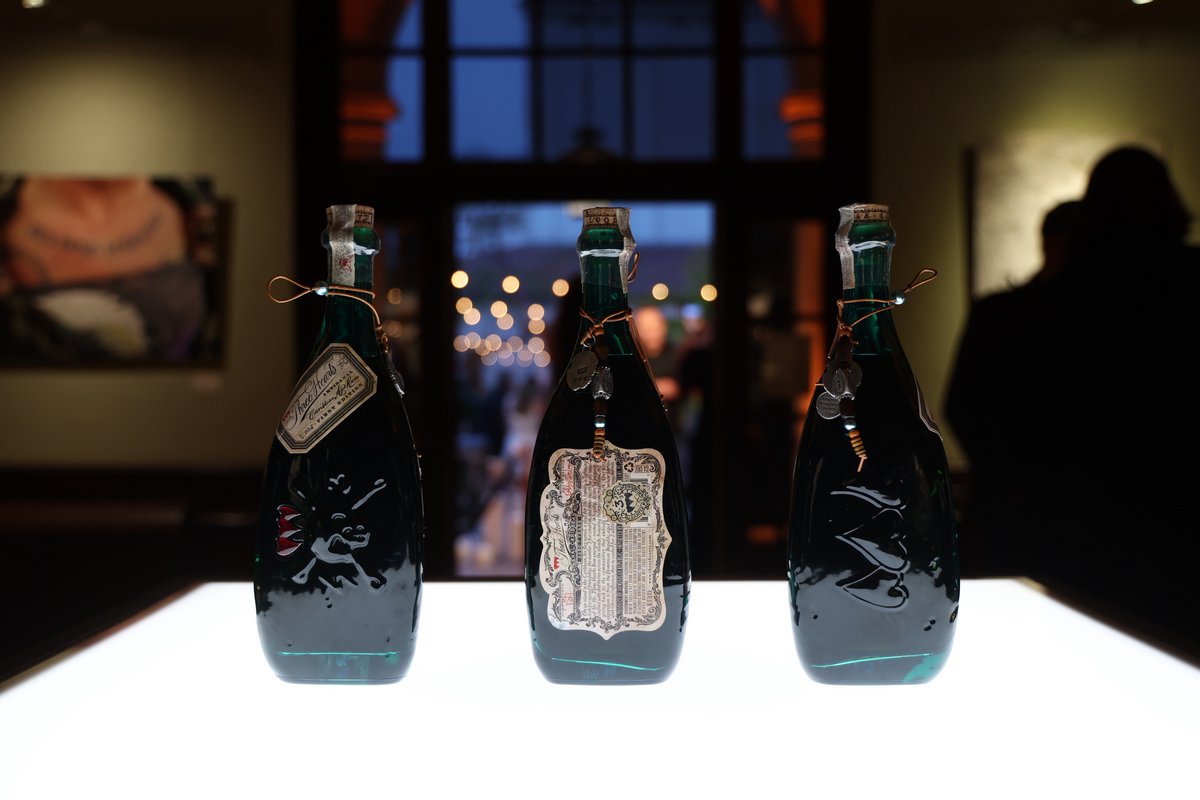
Johnny Depp’s entry into the spirits industry reflects a broader commercial shift toward celebrity-backed craft beverages, intersecting with personal artistic motifs and changing consumer preferences in 2026. While widespread media discussions frequently link prominent actors to beverage brands, evaluating these initiatives requires separating standard marketing campaigns from verified product specifications, distribution realities, and the broader economics of celebrity entrepreneurship. This analysis examines the framework of celebrity-backed spirits, market positioning, consumer considerations, and operational realities within the modern beverage landscape.
The Landscape of Celebrity-Backed Spirits
The spirits industry has experienced a significant influx of celebrity-endorsed and celebrity-owned brands over the past decade. Figures from film, music, and sports frequently lend their names, capital, or creative direction to tequilas, gins, vodkas, and rums.
Motivations and Market Dynamics
For creators and investors, the spirits market offers high margin potential and global distribution channels. For consumers, a celebrity association often serves as an initial point of discovery in a crowded retail environment characterized by hundreds of competing labels.
However, market longevity depends on factors beyond initial name recognition. Sustained success relies on:
- Liquid Quality: The actual flavor profile, distillation process, and consistency of the spirit.
- Pricing Strategy: Alignment between retail cost and perceived value within the category (e.g., standard vs. super-premium).
- Distribution Infrastructure: Access to reliable import-export channels, regional distributors, and compliant retail networks.
- Regulatory Compliance: Adherence to local alcohol advertising laws, tax structures, and labeling standards.
Consumer Considerations and Purchasing Framework
When evaluating craft spirits or celebrity-backed releases, consumers and collectors generally navigate a distinct set of criteria. Understanding these elements helps buyers assess whether a product meets their personal preferences or collection goals.
| Evaluation Criteria | Standard Commercial Spirits | Celebrity-Backed / Boutique Releases | Key Consumer Consideration |
|---|---|---|---|
| Production Scale | Mass-produced in high-volume column stills. | Often small-batch, artisanal, or contract-distilled. | Consistency vs. unique flavor nuance. |
| Price Point | Competitive, volume-driven pricing. | Frequently commands a premium due to branding. | Assessing liquid value vs. brand markup. |
| Transparency | Standardized age statements and sourcing. | Varies; sometimes utilizes third-party source distilleries. | Checking back-label distillery origins. |
| Availability | Ubiquitous across supermarkets and bars. | May face limited release windows or regional quotas. | Verifying local liquor store stock or direct shipping laws. |
Legal and Regulatory Frameworks in the Spirits Industry
The launch and commercial distribution of any alcoholic beverage are governed by strict regulatory bodies depending on the jurisdiction. In the United States, for example, the Alcohol and Tobacco Tax and Trade Bureau (TTB) regulates labeling, formulation, and advertising standards. Internationally, bodies such as the Scotch Whisky Association or various rum-governing appellations enforce strict rules regarding what can be labeled under specific designations.
Key Regulatory Challenges for New Brands
- Label Approvals (COLA): Brands must secure a Certificate of Label Approval before selling products across state or national lines.
- Taxes and Tariffs: Import duties, excise taxes, and state-level markup rules heavily influence final retail pricing.
- Truth in Advertising: Celebrity branding cannot mislead consumers regarding the distillation origin, age, or ingredients of the spirit.
Frequently Asked Questions
What defines a celebrity-backed spirit brand?
A celebrity-backed spirit brand is an alcoholic beverage venture where a well-known public figure is actively involved as an owner, co-founder, investor, or primary promotional partner. Their involvement ranges from hands-on creative direction over bottle design and liquid blending to passive endorsement deals.
Do celebrity spirits taste better than mass-market alternatives?
Taste is subjective, and quality varies independently of branding. Some celebrity-backed brands partner with historic, master-distillery houses to produce exceptional liquids, while others prioritize marketing over craft distillation. Reviewing independent tasting notes and back-label specifications provides a more objective measure of quality.
How do distribution laws affect the purchase of specialty rums?
Alcohol distribution is subject to strict regional and national laws. Depending on the jurisdiction, direct-to-consumer shipping may be restricted, requiring buyers to purchase through licensed local retailers, state-controlled liquor stores, or authorized on-premise venues.
What should collectors look for when buying limited-edition releases?
Collectors typically examine batch sizes, cask finish details, age statements, bottling proofs, and the reputation of the producing distillery. Transparency regarding sourcing and scarcity documentation heavily influences secondary market value.
Practical Recommendations for Consumers
For those exploring boutique spirits and celebrity-associated releases, approaching purchases with an analytical mindset ensures satisfaction:
- Research Sourcing: Check the back label or official brand documentation to identify the actual distillery responsible for production rather than relying solely on front-label marketing.
- Compare Categories: Taste the product blind against established industry benchmarks within the same price tier to evaluate liquid quality objectively.
- Verify Compliance: Ensure that any online purchases comply with local shipping laws and alcohol import regulations in your specific state or country.