Navigating auto financing often involves specific program codes, promotional offers, and lender structures that can obscure the true cost of borrowing. Among these concepts, structures referencing zero-percent or low-rate tiers require a careful breakdown of the mathematics, qualifications, and hidden conditions behind the marketing terminology.
Auto financing is the method by which consumers secure funds to purchase a vehicle, typically through a loan provided by a bank, credit union, captive finance company (such as Ford Motor Credit or Toyota Financial Services), or online lender. When promotional or highly specialized financing terms—such as zero-percent interest or minimal down payments—enter the conversation, understanding the underlying mechanics becomes essential. This guide examines how these financing structures operate, what qualification criteria lenders enforce, how to calculate total vehicle ownership costs, and how to avoid common pitfalls when negotiating an auto loan.
The Fundamentals of Auto Financing Mechanics
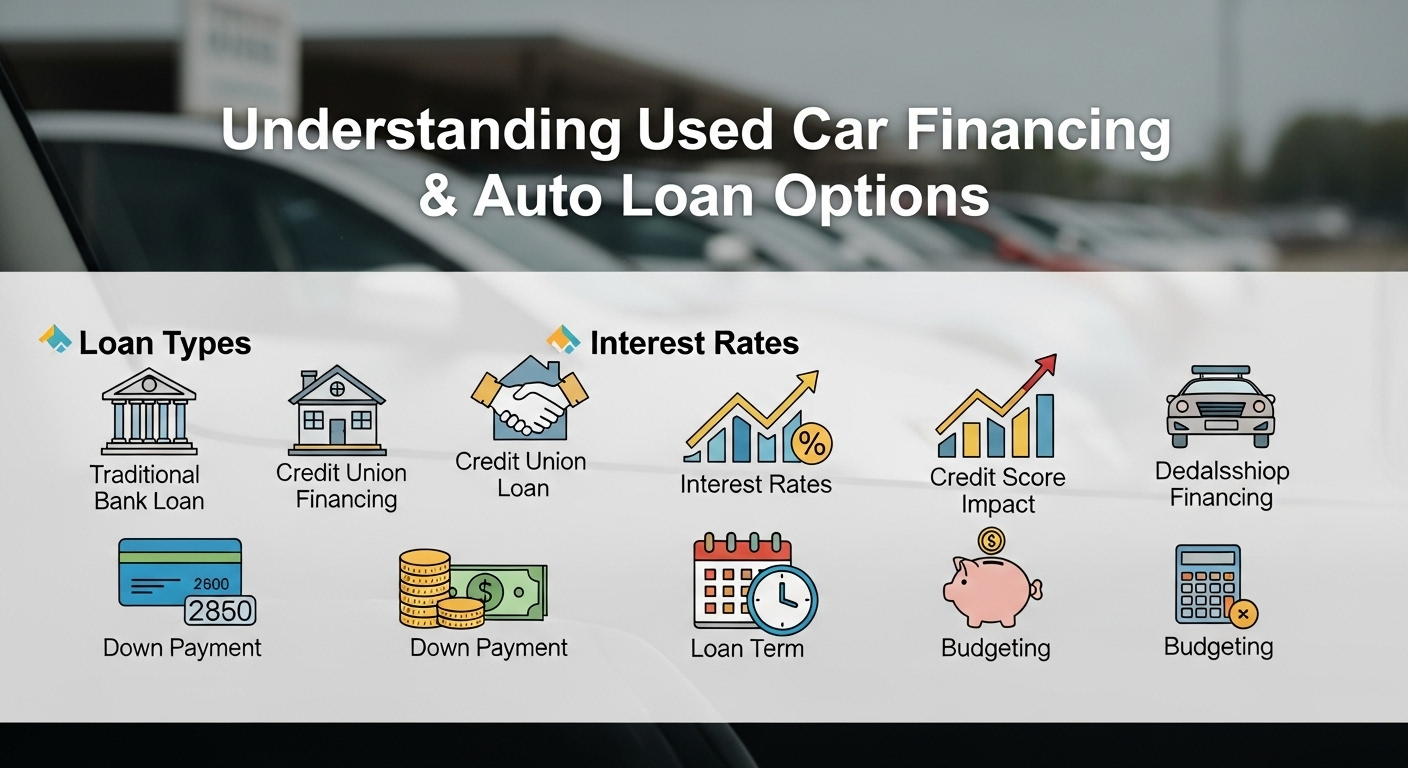
At its core, an auto loan consists of four primary variables: the principal amount borrowed, the annual percentage rate (APR), the loan term (duration in months), and the monthly payment. Understanding how these elements interact is the foundation of evaluating any car loan offer, including specialized or promotional tiers.
- Principal Amount (Vehicle Cost - Down Payment)
- Annual Percentage Rate (APR) / Cost of Borrowing
- Loan Term (Months) (36, 48, 60, etc.)
- Total Monthly Payment Obligation
The principal is determined by the purchase price of the vehicle, minus any trade-in value, cash down payment, and manufacturer rebates applied directly to the price. The APR dictates the cost of borrowing money over time. While a standard loan accrues daily interest based on the remaining principal balance, specialized promotional structures alter this calculation entirely.
Differentiating Standard Financing from Promotional Tiers
Standard auto financing applies market-driven interest rates determined by prevailing Federal Reserve benchmark rates, a borrower’s credit score, debt-to-income (DTI) ratio, and overall financial history. Lenders add a margin to their cost of capital to generate profit over the life of the loan.
In contrast, promotional structures—often marketed by manufacturer captive finance companies—subsidize the interest rate. When an automaker offers a deeply reduced or zero-percent financing tier, the manufacturer pays the financial institution the difference between the promotional rate and the market rate. This subsidy is designed to stimulate inventory turnover, particularly for specific models, slower-selling trims, or outgoing model years.
Qualification Criteria and Eligibility Standards
Securing specialized or low-rate auto financing is rarely automatic. Lenders maintain strict underwriting guidelines to mitigate the risk associated with subsidized or high-value loans.
Credit Score Requirements
Tier-one credit—typically defined as a FICO score of 740 or higher—is almost universally required to qualify for zero-percent or ultra-low auto financing. Lenders use credit scores to predict the statistical likelihood of default. Borrowers with scores in the fair or poor ranges will generally find themselves directed toward standard or subprime financing tiers, where interest rates reflect higher perceived risk.
Debt-to-Income (DTI) Ratio
Beyond credit scores, lenders evaluate a borrower’s ability to service debt. The DTI ratio compares monthly gross income to recurring monthly debt obligations, including housing, credit cards, student loans, and existing auto payments. Most traditional lenders prefer a total DTI ratio below 43%, though stricter thresholds may apply for specialized promotional loans.
Down Payment and Trade-In Parameters
While some promotional programs advertise zero-down options, lenders may require a down payment depending on the buyer's credit profile or the vehicle's MSRP. A substantial down payment reduces the lender's loan-to-value (LTV) ratio, protecting them against immediate vehicle depreciation.
Financial Trade-Offs: Promotional Financing vs. Cash Rebates
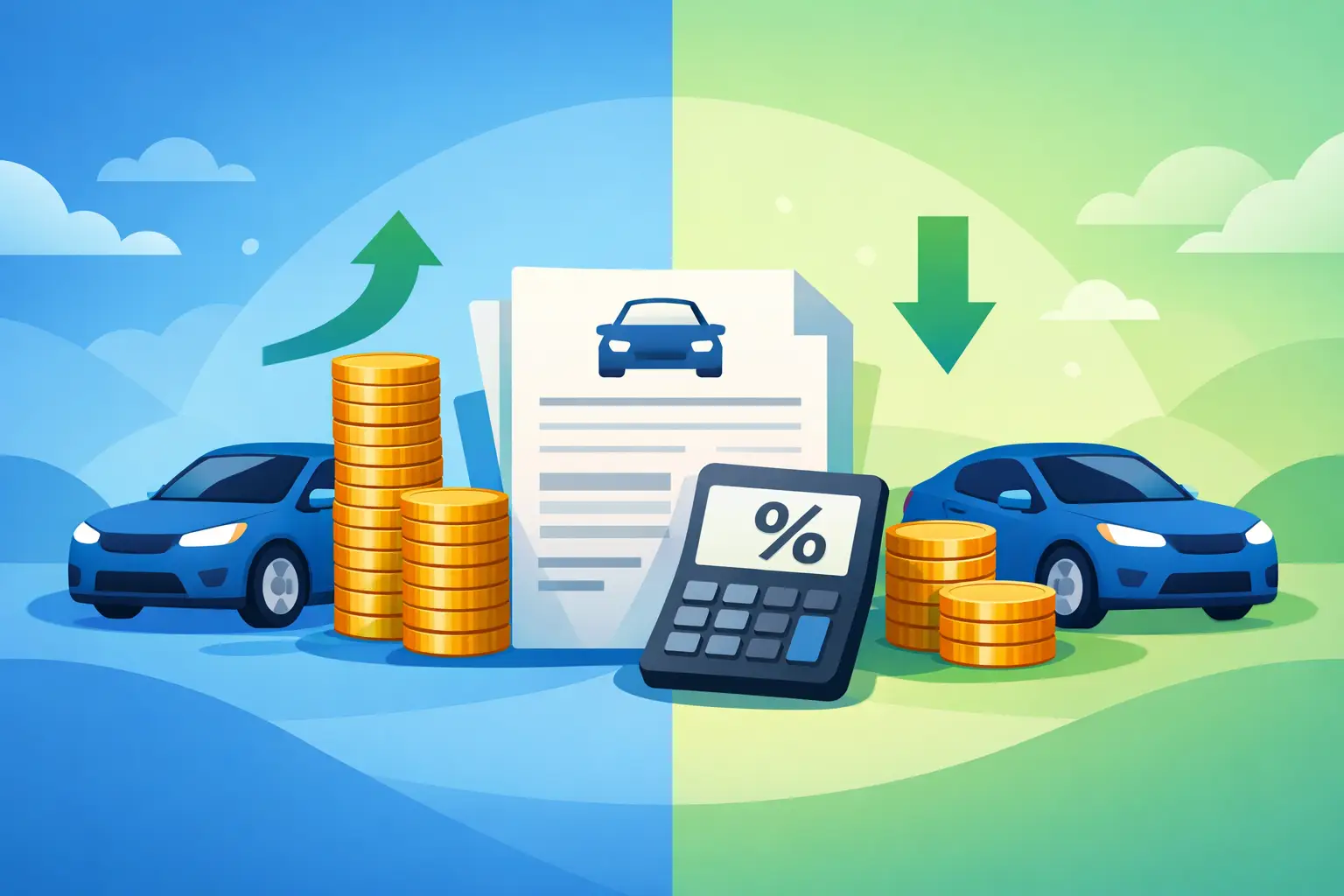
A common dilemma for car buyers is choosing between a low-interest promotional loan (such as 0% APR) and a substantial cash-back rebate offered by the manufacturer. Understanding how to evaluate these opposing incentives prevents costly financial miscalculations.
The Mathematics of Subsidized Rates vs. Rebates
Manufacturers rarely allow buyers to combine zero-percent financing with large cash-back rebates. The buyer must choose one incentive.
- Scenario A (0% APR): The buyer finances $35,000 at 0% interest for 60 months, resulting in a monthly payment of $583.33 and total interest paid of $0.
- Scenario B (Cash Rebate + Standard Loan): The manufacturer offers a $3,000 cash rebate if the buyer finances through a standard bank loan at 6.5% APR. The net principal drops to $32,000. Over 60 months, a 6.5% interest rate on a $32,000 loan yields a monthly payment of approximately $626.04 and total interest of roughly $5,562.
Comparing the total cost of ownership across both scenarios reveals whether the interest savings of the zero-percent loan outweigh the immediate cash reduction provided by the rebate.
| Financing Choice | Financed Amount | Interest Rate (APR) | Monthly Payment | Total Cost Over 60 Months |
|---|---|---|---|---|
| Option 1: Promotional 0% APR | $35,000 | 0.0% | $583.33 | $35,000.00 |
| Option 2: Cash Rebate + Standard Loan | $32,000 | 6.5% | $626.04 | $37,562.40 |
| Option 3: Credit Union Financing | $35,000 | 5.5% | $668.21 | $40,092.60 |
Hidden Costs and Operational Limitations in Auto Loans
Evaluating an auto financing agreement requires looking beyond the monthly payment to identify hidden fees, restrictive contract clauses, and structural limitations.
Dealer Add-Ons and Back-End Products
During the finance and insurance (F&I) office closing process, buyers are frequently offered supplementary products, such as:
- Guaranteed Asset Protection (GAP) insurance
- Extended service contracts or warranties
- Paint protection, etch insurance, and tire-and-wheel packages
While some products serve a genuine purpose—GAP insurance, for instance, covers the gap between an insurance payout and an outstanding loan balance if a vehicle is totaled—many add-ons significantly inflate the total principal amount, neutralizing the benefits of a low-rate loan.
Prepayment Penalties and Loan Structure
Most reputable auto lenders in the United States do not charge prepayment penalties, meaning borrowers can pay off their loan early without financial repercussions. However, buyers should always verify this clause in the contract. Additionally, simple-interest loans accrue interest daily based on the unpaid principal, whereas pre-computed interest loans calculate total interest upfront, eliminating the savings of early payoff strategies.
Step-by-Step Guide to Securing Optimal Auto Financing
Navigating the auto financing market effectively requires a structured approach to preparation, comparison, and negotiation.
- Check and Optimize Credit Scores: Obtain credit reports months before shopping. Dispute any inaccuracies and pay down revolving credit card balances to lower utilization ratios.
- Obtain Pre-Approval: Secure pre-approval letters from local credit unions or independent banks before visiting a dealership. This establishes a baseline interest rate and strengthens negotiating leverage.
- Analyze Manufacturer Incentives: Research current manufacturer promotions online. Calculate whether promotional interest rates or cash rebates yield a lower total cost based on your planned loan term.
- Negotiate the Vehicle Price First: Keep financing separate from vehicle price negotiation. Agree on the "out-the-door" (OTD) price—inclusive of taxes, title, documentation fees, and dealer fees—before discussing monthly payments or financing structures.
- Review Contract Terms Line-by-Line: Examine the Truth in Lending Act (TILA) disclosure box on the final contract to verify the APR, finance charges, amount financed, and total payments.
Frequently Asked Questions
Can anyone qualify for zero-percent auto financing?
No. Zero-percent financing programs are promotional tools restricted to buyers with exceptional credit profiles (typically FICO scores of 740 or higher). Lenders also evaluate debt-to-income ratios and employment stability. Buyers with average or low credit scores will not qualify for these rates.
Is it better to take a cash rebate or zero-percent financing?
It depends on the math. If the interest saved over the life of a zero-percent loan exceeds the cash rebate amount, the low-rate loan is more cost-effective. If the cash rebate substantially reduces the principal and standard interest rates are moderate, taking the rebate and refinancing later through a credit union may be cheaper.
What is the difference between captive financing and bank financing?
Captive finance companies are owned by automakers (e.g., Ford Motor Credit, Honda Financial Services) and exist primarily to support vehicle sales for that specific brand. Independent banks and credit unions offer broader personal and auto loans not tied to a specific vehicle manufacturer, often with more flexible terms for used cars.
Do zero-percent loans require a down payment?
While some promotional zero-percent offers advertise zero down, lenders retain the discretion to require a down payment based on individual risk assessment, trade-in equity, and the specific vehicle model being purchased.
Can I refinance a high-rate auto loan later?
Yes. If you initially accept a higher interest rate due to market conditions or credit scores, you can refinance the auto loan with a credit union or bank once your credit improves or if prevailing market interest rates decline. Ensure the existing loan has no prepayment penalties before refinancing.
Conclusion and Next Actions
Evaluating auto financing structures requires looking past promotional headlines to examine the underlying arithmetic, total loan costs, and qualification requirements. Whether navigating zero-percent promotional tiers, comparing cash rebates, or securing pre-approval from a credit union, financial due diligence protects against unnecessary expenditures.
To take the next step, check your current credit score, request pre-approval letters from at least two independent financial institutions, and calculate the total cost of ownership for your target vehicle before entering a dealership showroom.