CD4 cells, often called T-helper cells, are white blood cells that play a vital role in the human immune system by signaling other cells to fight off infections. In the context of HIV, these cells are the primary targets of the virus; HIV invades CD4 cells to replicate, ultimately destroying them and weakening the body's ability to defend itself against illness.
The Biological Role of CD4 Cells in the Immune System
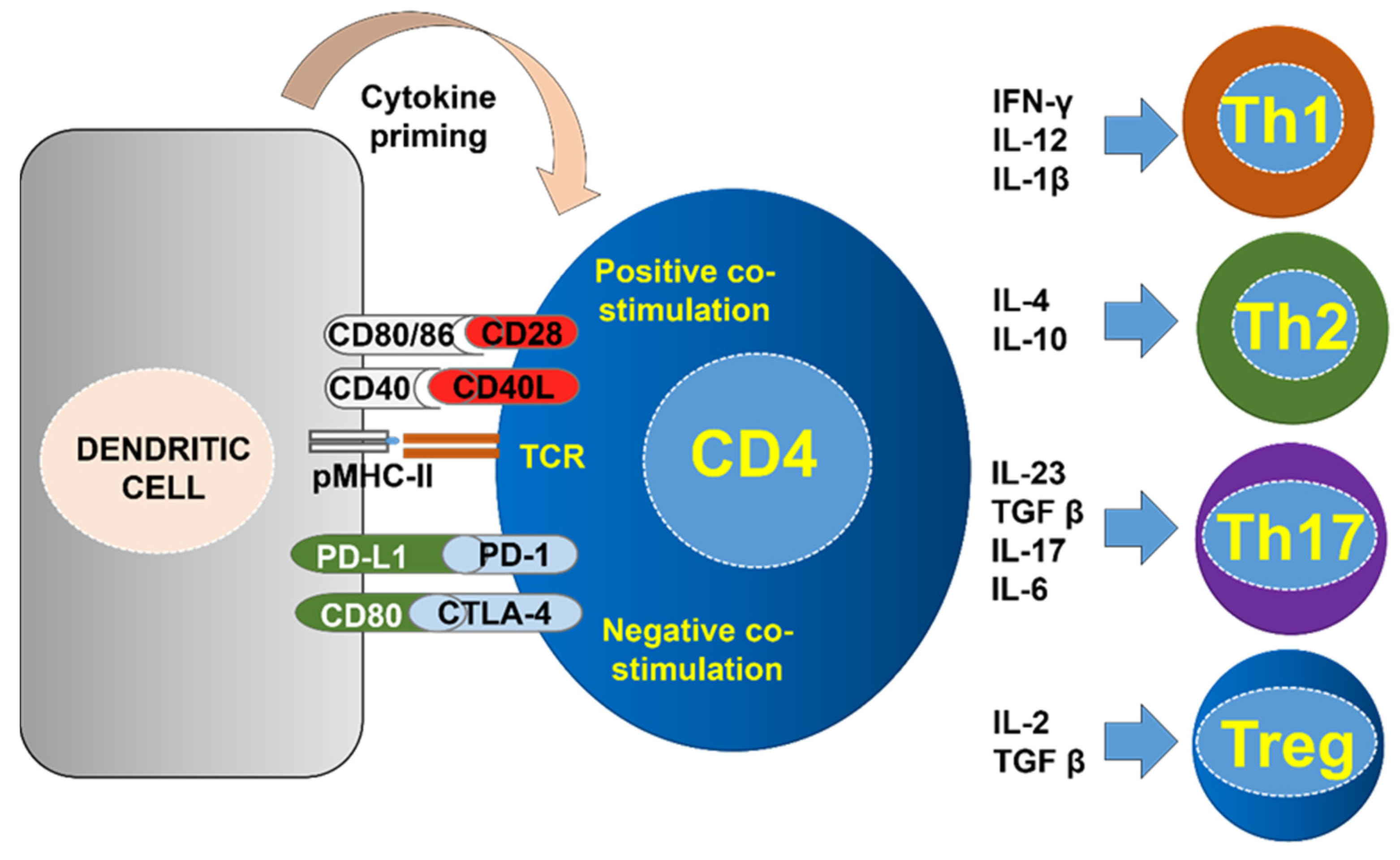
To understand why HIV is so impactful, one must first understand the "general" of the immune system: the CD4 cell. Also known as T4 cells or CD4+ T lymphocytes, these cells are a subset of white blood cells that act as the lead coordinators of the immune response. They do not kill pathogens directly. Instead, they identify foreign invaders—such as bacteria, fungi, and viruses—and release signaling proteins called cytokines.
These cytokines act as an alarm system, "helping" other immune cells do their jobs. For instance, they signal B-cells to create antibodies and stimulate CD8 cells (Killer T-cells) to seek out and destroy infected host cells. Without a sufficient number of healthy CD4 cells, the immune system becomes fragmented. The "alarm" is never pulled, or it is too weak to trigger a meaningful defense, leaving the body vulnerable to even minor environmental pathogens.
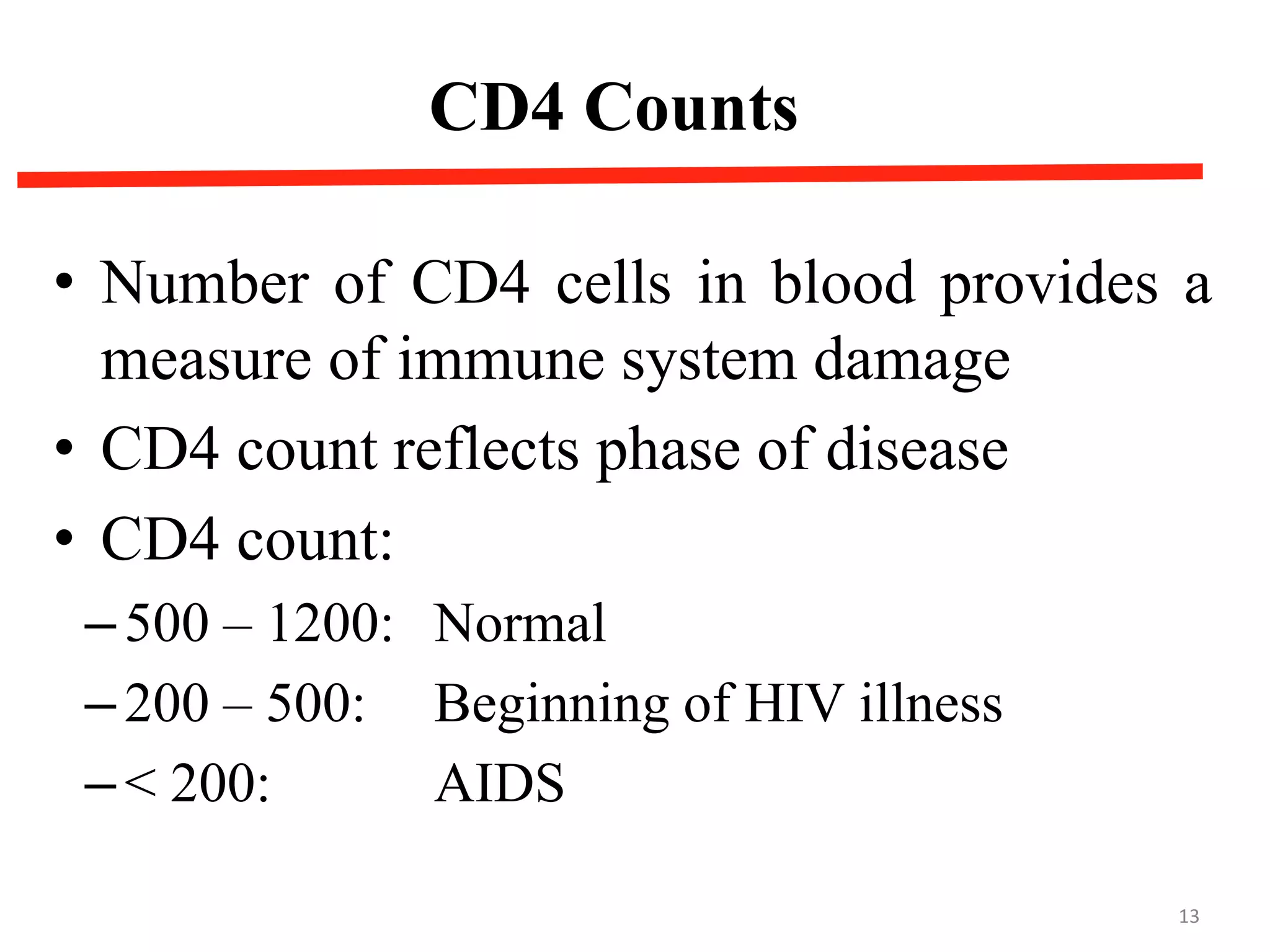
In a healthy adult who is not living with HIV, the CD4 count typically ranges from 500 to 1,500 cells per cubic millimeter (mm³) of blood. While this number can fluctuate due to factors like stress, pregnancy, or minor common illnesses, it generally remains within this stable window.
How HIV Specifically Targets and Destroys CD4 Cells
HIV is a retrovirus with a specific affinity for the CD4 receptor found on the surface of T-helper cells. The process by which the virus destroys the immune system is a multi-step cycle known as the HIV life cycle.
- Binding and Fusion: The virus uses its surface proteins (gp120) to latch onto the CD4 receptor and a co-receptor (usually CCR5 or CXCR4) on the surface of the T-cell.
- Entry and Reverse Transcription: Once fused, the virus releases its genetic material (RNA) into the cell. It uses an enzyme called reverse transcriptase to convert its RNA into DNA, allowing it to integrate into the host cell's nucleus.
- Integration and Replication: The viral DNA is spliced into the CD4 cell's own DNA. The cell is now a "virus factory." Whenever the cell tries to perform its normal functions, it inadvertently creates new HIV proteins.
- Assembly and Budding: New virus particles migrate to the cell surface and "bud" off. This process often damages the cell membrane of the CD4 cell, leading to its death.
The destruction is not just caused by the budding process. The body’s own immune system may identify the infected CD4 cells and destroy them to prevent further spread, or the infected cells may undergo apoptosis (programmed cell death) as a result of the viral stress. Over time, the rate at which CD4 cells are destroyed exceeds the rate at which the bone marrow can produce new ones, leading to a progressive decline in the total CD4 count.
The Significance of the CD4 Count
The CD4 count is a laboratory measurement used to determine the health of the immune system in people living with HIV. It is one of the most important clinical markers alongside the viral load (the amount of HIV in the blood).
Interpreting CD4 Count Ranges
Clinical guidelines in 2026 categorize the stages of HIV infection based largely on these counts. While individual health varies, the following thresholds are standard benchmarks for medical intervention and risk assessment:
| CD4 Count (cells/mm³) | Clinical Category | Immune System Status | Risk of Opportunistic Infection |
|---|---|---|---|
| 500 – 1,500 | Normal / Stage 1 | Robust and healthy | Very Low |
| 350 – 499 | Mildly Low | Slightly weakened | Low; potential for skin issues or shingles |
| 200 – 349 | Stage 2 | Significantly weakened | Moderate; increased risk of bacterial pneumonia |
| Below 200 | Stage 3 (AIDS) | Severely compromised | High; critical risk of life-threatening infections |
| Below 50 | Advanced HIV | Minimal function | Extreme; risk of CMV and MAC infections |
The "Nadir" CD4 Count
A term often used by clinicians is the "nadir" CD4 count. This refers to the lowest CD4 count a person has ever had since being diagnosed. Research has shown that a very low nadir (for example, having a count below 50 before starting treatment) can sometimes mean the immune system takes longer to fully recover, even after the virus is suppressed by medication.
CD4 Percentage vs. Absolute CD4 Count
While the absolute CD4 count (the number of cells) is the most common metric, doctors also look at the CD4 percentage. This represents the percentage of total lymphocytes (white blood cells) that are CD4 cells.
In a healthy individual, the CD4 percentage is typically between 30% and 60%. This metric is often considered more stable than the absolute count because it is less affected by daily fluctuations or temporary infections. For example, if a patient has a bad cold, their total white blood cell count might spike, which could make their absolute CD4 count look artificially high or low. The percentage, however, usually stays consistent. If there is a major discrepancy between a rising absolute count and a falling percentage, a physician will investigate further.
The Relationship Between Viral Load and CD4 Count
It is helpful to visualize the relationship between HIV viral load and CD4 count as a seesaw.
- High Viral Load: When HIV is replicating rapidly and the viral load is high, the CD4 count typically drops because the virus is actively killing cells.
- Low/Undetectable Viral Load: When a person is on effective Antiretroviral Therapy (ART), the viral load becomes "undetectable" (usually fewer than 20 to 50 copies per mL). When the virus is no longer replicating, the bone marrow is often able to replenish the CD4 supply, and the CD4 count rises.
In 2026, the primary goal of HIV treatment remains "U=U" (Undetectable = Untransmittable). Achieving an undetectable viral load is the prerequisite for CD4 recovery and long-term immune stability.
Factors Affecting CD4 Recovery on ART
Starting Antiretroviral Therapy is the only proven way to stop the decline of CD4 cells. However, not everyone’s CD4 count increases at the same rate. Several factors influence how well the immune system "reconstitutes" itself:
- Age: Younger individuals generally have a more active thymus (the organ where T-cells mature), which can lead to faster CD4 recovery.
- Baseline Count: People who start treatment when their CD4 count is still relatively high (above 350) usually reach a "normal" range faster and more consistently than those who start when their count is below 200.
- Adherence: Taking medication exactly as prescribed in 2026—whether through daily pills or long-acting injectables—is crucial. Missing doses allows the virus to replicate, which halts CD4 growth.
- Co-infections: Other chronic infections, such as Hepatitis C, can sometimes slow down the recovery of the CD4 count.
Potential Complications at Low CD4 Levels
When the CD4 count drops below 200, the body enters the stage of infection known as AIDS (Acquired Immunodeficiency Syndrome). At this stage, "opportunistic infections" (OIs) become a major concern. These are infections that a healthy immune system could easily keep at bay but which can be fatal for someone with a compromised system.
Common OIs include:
- Pneumocystis jirovecii pneumonia (PCP): A fungal infection of the lungs.
- Toxoplasmosis: A parasite that can cause brain lesions.
- Cryptococcal Meningitis: A fungal infection of the lining of the brain.
- Cytomegalovirus (CMV): A virus that can cause blindness or severe gastrointestinal issues.
- Mycobacterium Avium Complex (MAC): A systemic bacterial infection.
Medical guidelines for 2026 dictate that if a patient's CD4 count is below 200, they should begin "prophylaxis"—preventative medication—to protect against these specific threats while waiting for ART to boost their immune system.
Monitoring and Frequency of Testing in 2026
In the early stages of a diagnosis or when changing medications, CD4 counts are typically checked every 3 to 6 months. However, for patients who have been virally suppressed for over a year and have a stable CD4 count above 500, many clinicians in 2026 now move to annual testing or, in some cases, omit CD4 testing entirely in favor of focusing solely on viral load monitoring. This is because once the virus is suppressed and the immune system is healthy, the CD4 count rarely changes significantly unless the viral load returns.
Note: Medical information regarding HIV management should always be discussed with a qualified healthcare provider. This guide provides educational context based on standard clinical practices as of 2026.
Frequently Asked Questions
Can my CD4 count go up without medication?
No. While CD4 counts can fluctuate naturally, once HIV has begun to deplete the immune system, the only way to significantly and permanently increase the count is to stop viral replication through Antiretroviral Therapy (ART). Lifestyle factors like diet and exercise support general health but cannot stop the virus from destroying CD4 cells.
Why did my CD4 count drop even though my viral load is undetectable?
Small fluctuations are normal. A drop of 50 to 100 cells can be caused by the time of day the blood was drawn, stress, a recent minor infection (like the flu), or even intense exercise. Physicians look for long-term trends rather than single-test results. If the viral load remains undetectable, a slight dip in CD4 count is usually not a cause for clinical alarm.
Is a CD4 count of 400 "bad"?
While 400 is below the "normal" range (500+), it is generally not considered a high-risk zone. At this level, the immune system is still functional enough to prevent most major opportunistic infections. However, it serves as a signal that the immune system is under pressure and that ART is necessary to prevent further decline.
What is the difference between CD4 and CD8 cells?
CD4 cells are "helper" cells that coordinate the immune response. CD8 cells are "killer" cells that actually destroy infected or cancerous cells. In a healthy body, there are usually more CD4 cells than CD8 cells. HIV flips this ratio by killing CD4 cells, a phenomenon often referred to as an "inverted CD4/CD8 ratio."
Does a high CD4 count mean I can't transmit HIV?
No. The CD4 count measures immune health, not transmissibility. The "Undetectable = Untransmittable" (U=U) rule applies only to the viral load. You could have a high CD4 count but still have a high viral load if you have just been recently infected, meaning the risk of transmission would be high.
Summary of Next Actions
If you are managing an HIV diagnosis in 2026, the most effective path toward maintaining a healthy CD4 count involves three main steps:
- Prioritize Adherence: Ensure you are consistent with your ART regimen, whether it is a daily oral tablet or a long-acting injectable. This is the only way to protect your CD4 cells from viral attack.
- Regular Monitoring: Attend all scheduled blood tests to monitor both your viral load and CD4 count, especially in the first two years of treatment.
- Proactive Health: If your CD4 count is below 200, talk to your doctor about prophylactic medications to prevent opportunistic infections until your count recovers.