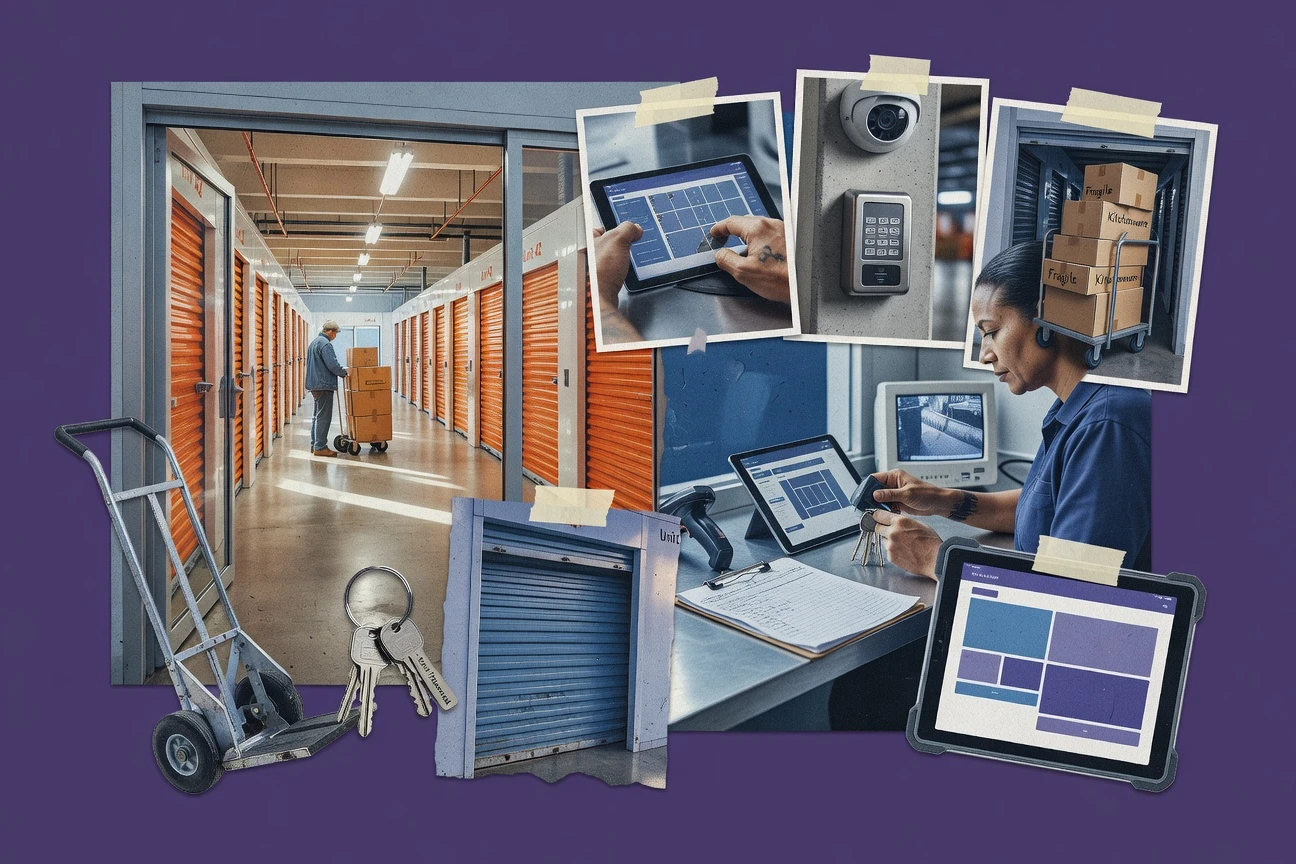
6Storage is a comprehensive, cloud-based self-storage management platform designed to automate facility operations, lead tracking, and tenant management. By integrating a customer relationship management (CRM) engine with specialized storage features like automated billing and gate access, 6Storage allows facility owners to manage multiple locations through a single, centralized interface.
In the 2026 self-storage landscape, the distinction between a simple "management tool" and a robust "CRM" has become the defining factor for operational success. As facilities move toward unmanned models and digital-first interactions, software like 6Storage acts as the central nervous system of the business. This overview examines the specific capabilities, technical requirements, and operational impacts of 6Storage, providing a roadmap for facility owners looking to modernize their technology stack.
Defining the 6Storage Ecosystem
6Storage is built on a Software-as-a-Service (SaaS) model, meaning it is accessible via any web-enabled device without the need for local server installations. Unlike legacy property management software that focused primarily on the physical occupancy of units, 6Storage emphasizes the lifecycle of the tenant—from the initial lead generation to move-out and historical data retention.
The platform is designed to be "international-ready," supporting multiple currencies, languages, and regional tax configurations. This flexibility has made it a preferred choice for operators who manage portfolios across different geographic regions. The architecture is modular, allowing small, single-facility operators to use basic features while larger enterprises can scale into advanced API integrations and complex reporting suites.
Core Management Features and Capabilities
To understand the value of 6Storage, one must look at how it handles the day-to-day friction points of self-storage management. The software targets three primary pillars: automation, accessibility, and accountability.
Automated Billing and Revenue Management
The core of any storage CRM is its ability to handle recurring payments without human intervention. 6Storage utilizes an automated billing engine that handles:
- Prorated Rent Calculations: Automatically calculating the difference when a tenant moves in mid-cycle.
- Dynamic Late Fees: Applying customizable late fee structures based on the number of days past due.
- Invoicing and Notifications: Generating digital invoices and sending them via email or SMS, reducing the reliance on physical mail.
- Payment Gateways: Integration with major processors such as Stripe, PayPal, and Authorize.net, allowing for secure credit card and ACH transactions.
By automating these processes, operators reduce the risk of "revenue leakage"—the small, uncollected fees and errors that can accumulate into significant losses over a fiscal year.
Tenant Portal and Online Leasing
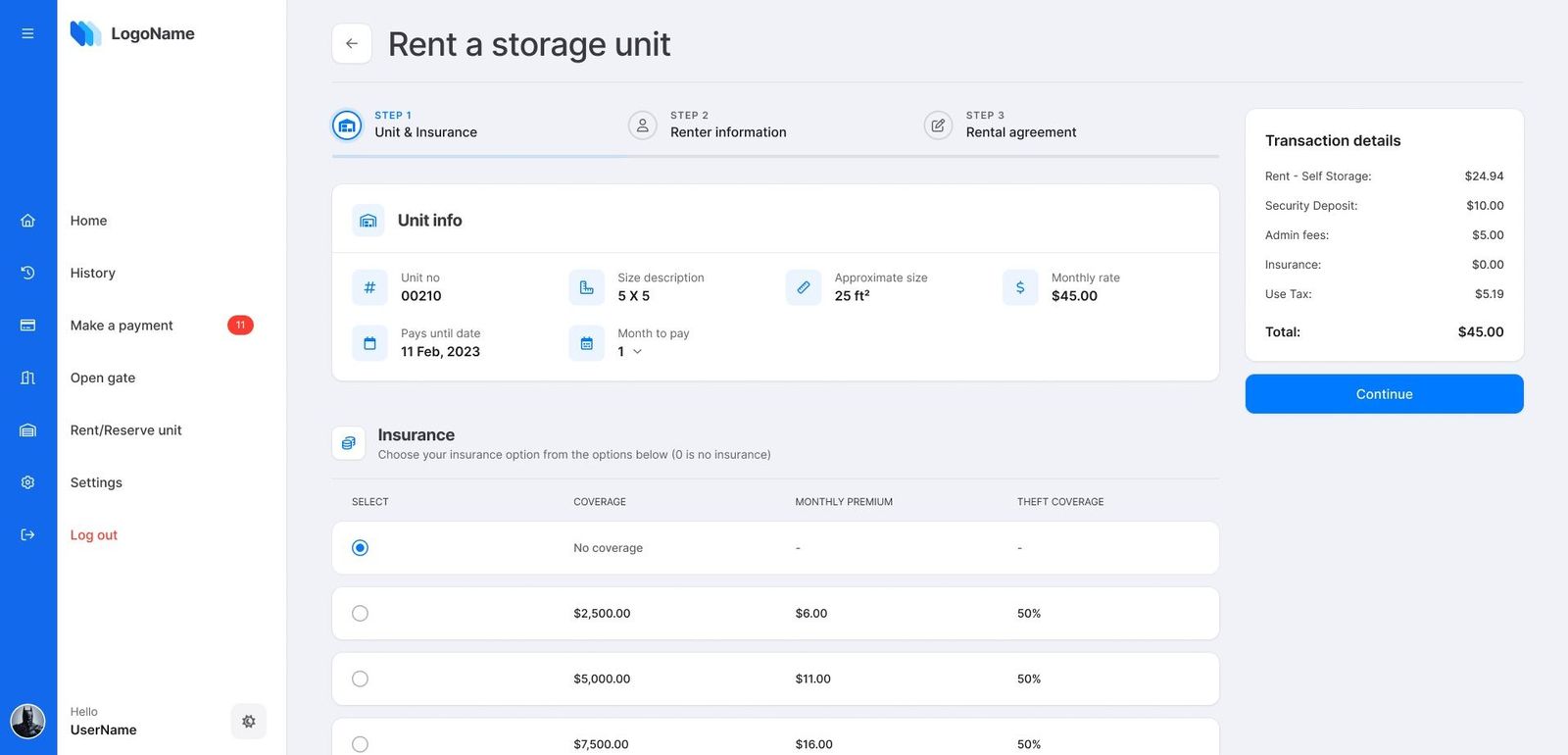
In 2026, a tenant’s first interaction with a facility is almost always mobile. 6Storage provides a white-labeled tenant portal that integrates directly into the facility's website. This portal allows customers to:
- View real-time unit availability and pricing.
- Select a unit and complete a digital rental agreement using e-signature technology.
- Upload required identification documents (ID, insurance proof).
- Set up auto-pay and manage their account details.
This self-service model is the backbone of "contactless" storage. It eliminates the need for a physical office presence during rentals, allowing facilities to operate with extended hours or entirely remotely.
Digital Signatures and Document Storage
Manual filing systems are a liability in modern property management. 6Storage incorporates built-in digital signature tools that comply with electronic record standards. When a lease is signed, the software generates a PDF copy, stores it in the tenant's profile, and emails a copy to the user. This ensures that the facility always has an audit-ready trail of agreements, insurance waivers, and gate access codes.
Advanced Lead Management (The CRM Edge)
What separates 6Storage from basic management software is its integrated CRM. In the self-storage industry, a "lead" is a potential tenant who has inquired about a unit but hasn't yet signed a lease. Most software forgets these individuals once they leave the website.
6Storage tracks every inquiry. If a prospective customer starts a booking but does not finish, the CRM can trigger automated follow-up emails or notify a manager to place a call. This "lead-to-lease" pipeline is critical for maintaining high occupancy rates in competitive markets. The software categorizes leads by source (e.g., Google Ads, walk-ins, referrals), allowing owners to see exactly which marketing channels are providing the best return on investment.
Integrated Access Control: The 6Gate System
A unique feature within the 6Storage portfolio is 6Gate, a proprietary or integrated access control solution. In the past, storage software and gate software were often two separate entities that "talked" to each other through clunky middleware. 6Storage aims for a more seamless bridge.
When a tenant pays their bill through the 6Storage portal, the system immediately communicates with the gate controller to grant or restore access. Conversely, if a tenant falls behind on payments, the software can automatically "lock out" their gate code and notify them of the delinquency. This real-time synchronization reduces the administrative burden on managers and provides a more secure environment.
Technical Specifications and Compatibility
6Storage is designed for high uptime and data security. As a cloud platform, its requirements are minimal for the end-user, but the underlying infrastructure is sophisticated.
| Feature | Specification / Detail |
|---|---|
| Platform Type | Cloud-based SaaS (Browser-based) |
| Operating Systems | Windows, macOS, Linux, iOS, Android |
| Security | SSL encryption, daily data backups, SOC 2 compliance standards |
| Integrations | Zapier, Google Analytics, Quickbooks, Xero |
| Supported Currencies | Multi-currency (Global support) |
| API Availability | RESTful API for custom enterprise development |
| Access Control | 6Gate, PTI, SpiderDoor, Noke, OpenTech |
The use of a RESTful API is particularly important for larger operators. It allows the software to pull data into custom dashboards or connect with third-party business intelligence tools, providing a level of customization usually reserved for custom-built enterprise software.
Operational Benefits for Facility Owners
The primary motivation for adopting 6Storage is the pursuit of operational efficiency. In the 2026 market, labor is often the highest variable cost for storage facilities. By shifting tasks from humans to software, the ROI becomes clear through several avenues:
- Scalability: Managing 500 units requires almost the same amount of administrative effort as 50 units when the billing and move-in processes are automated. This allows owners to expand their portfolio without a linear increase in staff costs.
- Reduced Human Error: Manual entry of rent amounts and gate codes is prone to mistakes. Automation ensures that the right person is charged the right amount and that gate access is strictly tied to payment status.
- Data-Driven Decision Making: 6Storage provides extensive reporting suites. Owners can analyze "Management Reports" to see occupancy trends, "Financial Reports" for tax preparation, and "Marketing Reports" to adjust advertising spend.
- Enhanced Tenant Experience: Customers in 2026 expect the convenience of managing their lives from their smartphones. Providing a professional, easy-to-use portal builds trust and reduces tenant turnover.
Implementation and Data Migration
Transitioning from a legacy system or a manual spreadsheet-based operation to 6Storage requires a structured approach. The company typically offers a "onboarding" or "migration" service to ensure data integrity.
The Migration Process
- Data Extraction: Exporting tenant names, unit numbers, balance histories, and lease dates from the old system.
- Data Mapping: Aligning the old data fields with 6Storage’s architecture to ensure that historical records remain accurate.
- Facility Setup: Configuring the physical layout of the facility in the software, including unit sizes, climate control features, and pricing tiers.
- Training: Staff training on the dashboard, lead management, and reporting tools.
- Go-Live: Transitioning the website's booking engine to point to the new 6Storage interface.
While the software is intuitive, the quality of the initial setup determines the long-term success of the automation. Properly categorizing units and setting up accurate "Trigger Actions" for emails and fees is essential.
Common Challenges and Troubleshooting
No software is without its hurdles. When implementing 6Storage, operators should be aware of several common areas that require attention:
- Internet Dependency: Because it is a cloud-based system, a stable internet connection is required to manage the facility in real-time. Operators in rural areas should consider a redundant internet connection (such as cellular backup) to ensure the gate and management systems stay online.
- Payment Gateway Delays: Sometimes, issues with third-party payment processors (like Stripe) can cause delays in funds appearing in the business bank account. It is important to distinguish between a software issue and a merchant services issue.
- Hardware Integration: While 6Storage integrates with most major gate brands, older legacy gate controllers may require a hardware upgrade or a specialized interface board to communicate effectively with a modern cloud CRM.
Frequently Asked Questions
Does 6Storage support multi-facility management from one login?
Yes, 6Storage is built specifically for portfolio management. Owners can toggle between different facility locations within a single dashboard. This allows for centralized accounting and reporting, making it easier to compare the performance of different sites. Each facility can have its own unique pricing, tax rules, and gate settings while sharing a common administrative login.
Can I use my own website with 6Storage?
Yes. 6Storage provides a set of widgets and an API that can be embedded into an existing website. This allows you to maintain your brand's look and feel while utilizing 6Storage for the booking engine, unit grid, and tenant portal. If you do not have a website, 6Storage also offers integrated website-building tools specifically for self-storage.
How does the software handle tenant communication?
The platform includes a robust communication module that supports both email and SMS. You can set up automated triggers, such as an SMS sent 3 days before rent is due, or an automated email when a new lease is signed. This keeps the tenant informed without requiring manual effort from the facility manager.
Is my data secure in the cloud?
6Storage utilizes industry-standard encryption and secure server environments. Data is backed up daily, and the platform adheres to modern security protocols to protect both the facility's financial data and the tenants' personally identifiable information (PII). In 2026, compliance with data privacy laws (like GDPR or CCPA) is a standard feature of the platform.
What happens if I have an existing gate system?
6Storage is compatible with most major gate controllers, including PTI, SpiderDoor, and OpenTech. During the setup phase, you will need to verify the version of your gate controller. In most cases, a simple software handshake is established; in older systems, a small hardware bridge may be required to facilitate the cloud connection.
Final Recommendation
For self-storage operators in 2026, 6Storage represents a high-value balance between sophisticated CRM capabilities and specialized facility management tools. It is particularly well-suited for owners who wish to move toward a more automated or "unmanned" business model.
The software’s greatest strength lies in its ability to consolidate the entire tenant journey—from the first click on an ad to the final move-out—into a single digital record. By centralizing these operations, owners can reduce administrative overhead, improve their collection rates, and provide the modern experience that today’s tenants demand. Before committing, operators should ensure their existing gate hardware is compatible and that they have the necessary high-speed internet infrastructure to support a cloud-based management system.