Tussock moth caterpillars are moderately dangerous because their distinctive, hair-like setae can detach easily and cause painful skin irritation, allergic reactions, and respiratory discomfort if inhaled or handled. While they rarely pose a life-threatening risk to humans, their toxins can trigger severe dermatitis, making cautious observation and avoidance essential during peak infestation seasons.
The natural world presents an array of visually striking creatures, and few capture attention quite like the larvae of the tussock moth family (Lymantriinae). Recognized by their brightly colored tufts, pencils of hair, and distinctive dorsal patterns, these caterpillars often evoke curiosity in backyard gardeners, hikers, and children alike. However, their striking appearance serves a dual evolutionary purpose: it attracts predators away from vulnerable body parts while signaling a potent chemical defense. Understanding the exact nature of this defense requires looking closely at how these insects interact with human skin, pets, and the broader environment.
Identifying Tussock Moth Caterpillars: Morphology and Species Diversity
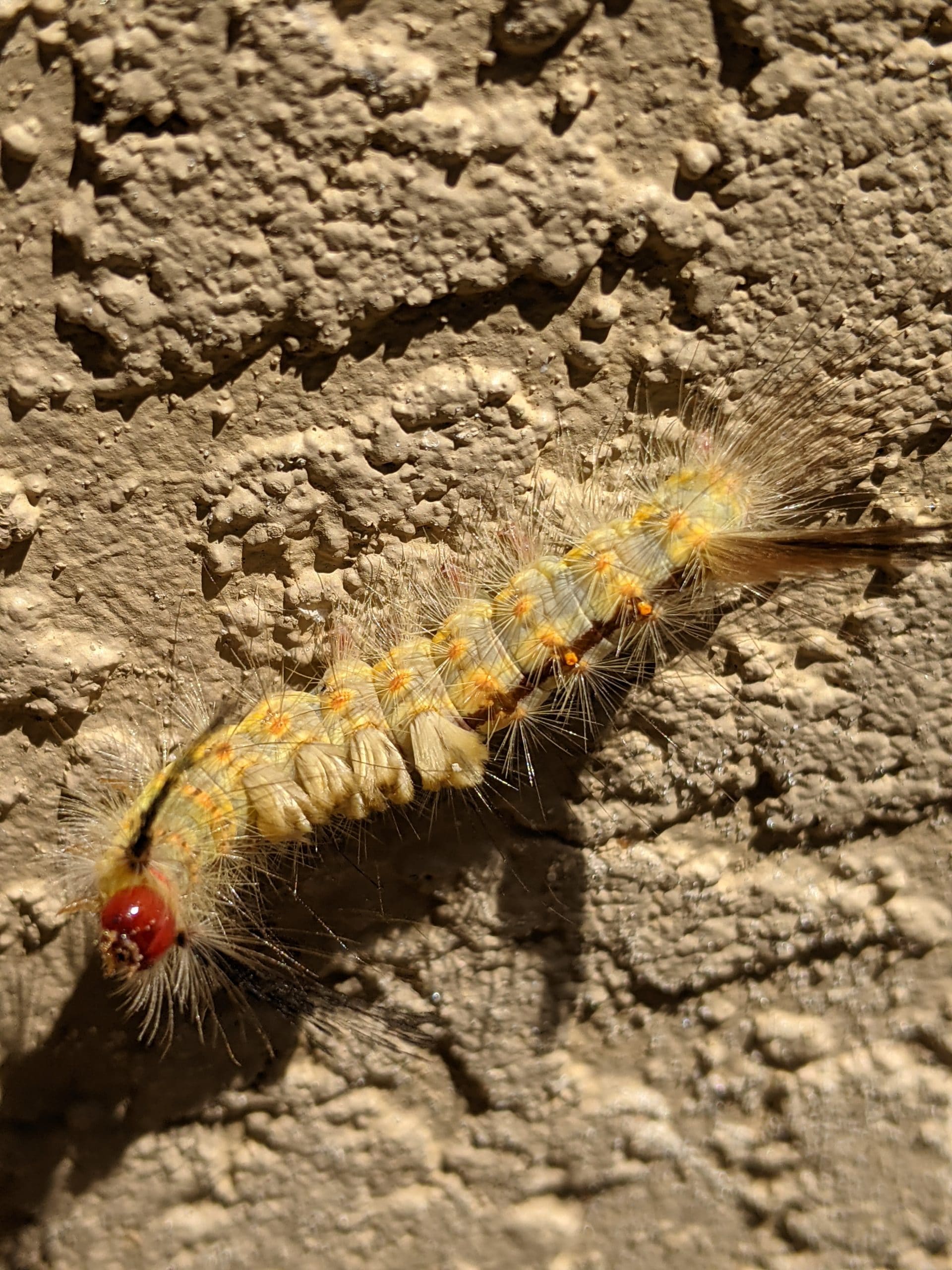
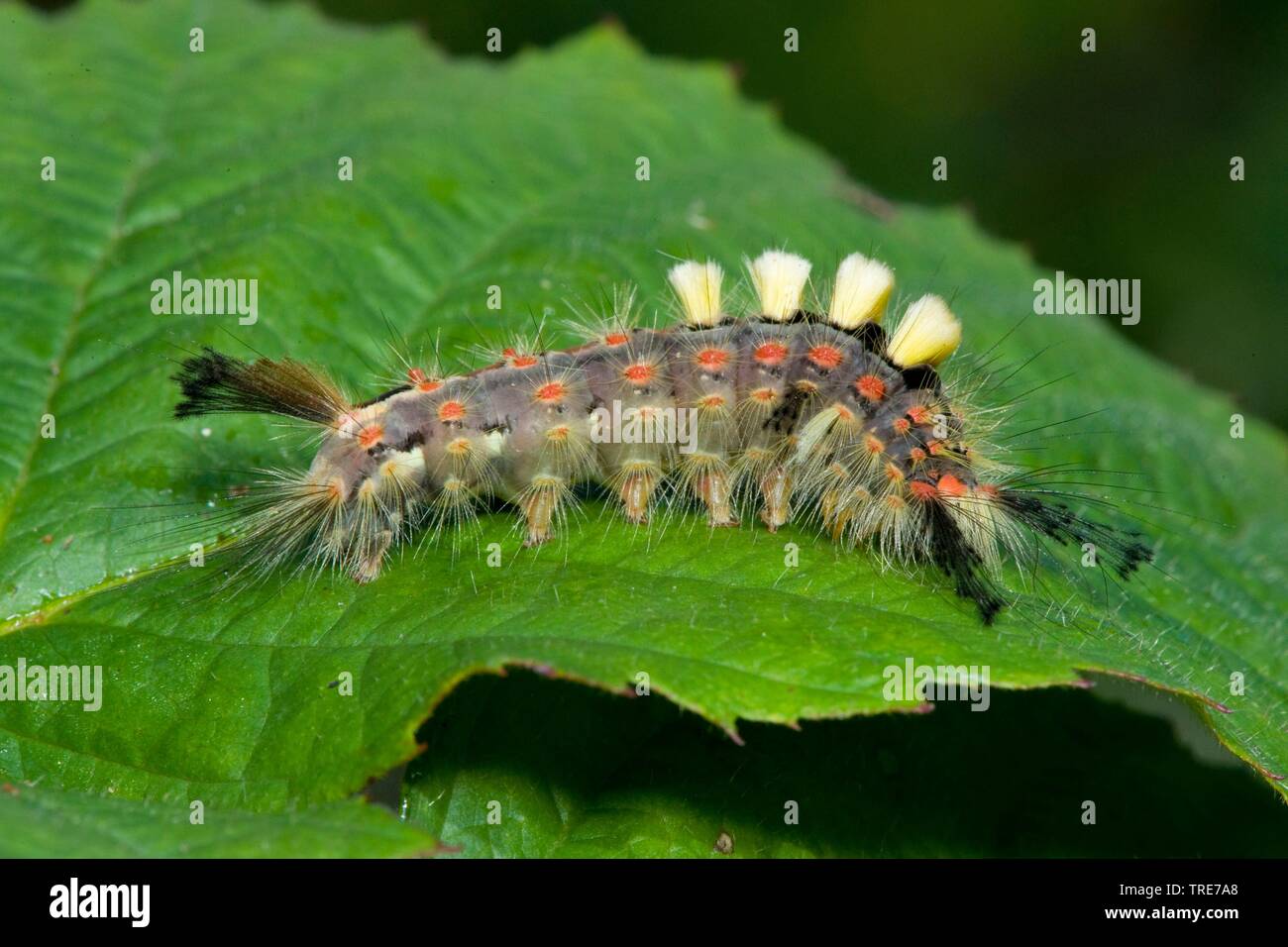
To understand the risks associated with tussock moth caterpillars, proper identification is the essential first step. The family Lymantriinae includes numerous species found globally, with several notable variations common across North America and Europe. The term "tussock" refers to the dense, brush-like tufts of hair situated along the caterpillar's back, which resemble tiny cleaning brushes or shaving brushes.
Most tussock moth larvae feature combinations of bright yellow, orange, black, and white markings. For instance, the White-Marked Tussock Moth (Orgyia leucostigma) is easily recognized by its bright red head, four white dorsal tufts resembling toothbrushes, and two long black pencil hairs projecting from the front. Similarly, the Rusty Tussock Moth (Orgyia antiqua) and the Douglas-fir Tussock Moth (Orgyia pseudotsugata) display elaborate tufts paired with vivid warning coloration (aposematism).
| Common Species | Key Visual Identifiers | Primary Host Trees |
|---|---|---|
| White-Marked Tussock Moth | Red head, 4 white tufts, black pencils | Hardwoods (Maple, Elm, Oak, Apple) |
| Douglas-fir Tussock Moth | Gray-brown body, bright tufts, red tail | Conifers (Douglas-fir, Spruce, Fir) |
| Rusty Tussock Moth | Rusty-brown tufts, white body stripes | Various deciduous and coniferous |
Distinguishing these caterpillars from other forest or garden pests helps property owners assess potential risks accurately. While many smooth-skinned caterpillars are entirely harmless, those adorned with tufts, spines, or dense hairs almost universally possess defense mechanisms that demand careful handling.
The Science of Danger: Why Tussock Moth Caterpillars Cause Reactions
The primary danger posed by tussock moth caterpillars does not stem from a venomous bite or a stinger, but rather from their specialized hairs, known as setae. These setae are hollow, hair-like structures connected to specialized epidermal gland cells that produce irritating or toxic chemical compounds.
When a human or animal brushes against a tussock moth caterpillar, these brittle hairs easily detach from the insect's body. They can embed themselves into the skin, clothing, or float into the air where they are inadvertently inhaled or rubbed into the eyes. Once embedded, the physical structure of the hair acts as a microscopic splinter, while the cellular toxins released from the base of the hair trigger local and systemic immune responses.
Types of Reactions Experienced by Humans
The severity of a reaction to tussock moth caterpillars varies widely depending on individual sensitivity, the specific species encountered, and the mode of exposure. Common symptoms include:
- Erucaism (Caterpillar Dermatitis): An immediate or delayed localized skin rash characterized by intense itching, redness, swelling, and small papules or hives resembling a nettle sting.
- Ophthalmia: Accidental transfer of setae to the eyes can cause severe conjunctivitis, irritation, and inflammation of the cornea, requiring professional medical flushing.
- Respiratory Distress: Inhaling airborne setae can irritate the mucous membranes of the nose, throat, and lungs, triggering coughing, wheezing, or asthma attacks, particularly in sensitive individuals or those with preexisting respiratory conditions.
It is important to note that direct physical contact with the caterpillar is not strictly required. As populations of species like the Douglas-fir tussock moth surge during outbreak years, wind can carry shed larval skins and broken setae over considerable distances, leading to community-wide exposure symptoms among people who have never touched a caterpillar.
Impact on Domestic Pets and Wildlife
Humans are not the only ones vulnerable to the defensive adaptations of tussock moth larvae. Domestic animals, particularly dogs and cats, frequently encounter these insects in yards and parks due to natural curiosity.
Pets often investigate caterpillars by sniffing or licking them. This behavior frequently leads to setae embedding directly into sensitive nasal tissues, gums, tongues, and the roof of the mouth. Symptoms in pets include excessive drooling, pawing at the face, swelling of the lips and muzzle, visible discomfort, and gastrointestinal upset if the caterpillar is ingested.
Veterinary evaluation is recommended if a pet displays signs of severe mouth irritation or respiratory distress following outdoor exposure in areas with known tussock moth populations. Wildlife species that prey on insects have evolved varying tolerances, but young or inexperienced predators typically learn to avoid tussock caterpillars after a single painful encounter.
Ecological Role and Population Dynamics
While tussock moth caterpillars present nuisance and health considerations for humans, they play a specific, established role within forest and urban ecosystems. They serve as a vital food source for numerous bird species, small mammals, and parasitic insects, which help regulate their numbers under normal ecological conditions.
However, environmental factors such as drought, mild winters, or reduced predator populations can trigger large-scale population explosions, commonly known as outbreaks. During these cycles, caterpillars can defoliate extensive stands of trees, particularly conifers and urban shade trees. While healthy deciduous trees can often flush a new set of leaves after heavy defoliation, repeated severe defoliation over consecutive years can weaken trees, leaving them vulnerable to secondary pests like bark beetles or disease.
Practical Steps for Prevention and Safety Management
Managing the risks associated with tussock moth caterpillars requires a balanced approach combining personal protection, landscape monitoring, and safe removal techniques.
Personal Protection Measures
- Wear Protective Clothing: When working in infested gardens or wooded areas during caterpillar season, wear long sleeves, gloves, and eye protection to minimize skin exposure.
- Avoid Direct Contact: Never handle tussock moth caterpillars with bare hands, regardless of how slow-moving or harmless they appear.
- Manage Outdoor Living Spaces: Keep play areas and seating clear of low-hanging branches of favored host trees during peak larval emergence periods.
Safe Removal and Control
For localized infestations in residential yards, mechanical removal is often the safest starting point:
- Barrier Protection: Put on heavy rubber or leather gloves, long sleeves, and a dust mask to prevent skin and respiratory contact.
- Collection: Use tools such as tongs, sticks, or damp cloths to gently dislodge caterpillars into a bucket of soapy water.
- Disposal: Seal dead caterpillars in a plastic bag before placing them in outdoor trash receptacles. Avoid crushing them on surfaces where residual hairs can remain active.
- Avoid Leaf Blowers: Refrain from using leaf blowers or high-pressure sprayers on heavily infested trees, as this aerosolizes millions of tiny setae, significantly increasing the risk of widespread skin and respiratory irritation.
First Aid and Medical Guidance
If contact with a tussock moth caterpillar occurs, prompt and proper first aid can minimize the duration and severity of the reaction:
- Remove Hairs Immediately: Apply adhesive tape (such as duct tape or packing tape) to the affected skin area and gently pull it away to lift embedded setae, repeating with fresh strips.
- Wash Thoroughly: Clean the exposed area thoroughly with soap and cool water to wash away residual toxins and loose hairs.
- Relieve Itch and Inflammation: Apply ice packs wrapped in cloth to reduce swelling. Over-the-counter hydrocortisone creams or oral antihistamines can help manage itching and allergic manifestations.
- Seek Medical Attention: Consult a healthcare professional if symptoms persist beyond a few days, if an eye exposure occurs, or if signs of a systemic allergic reaction (such as dizziness, tightness in the chest, or widespread breathing difficulty) develop. Note: This guidance is informational; consult a qualified medical provider for persistent or severe health concerns.
Frequently Asked Questions
Can tussock moth caterpillars kill a person?
No, direct contact with tussock moth caterpillars is not fatal to humans. While their defensive hairs cause uncomfortable rashes, dermatitis, and potential respiratory irritation, these reactions are localized and treatable. Severe systemic shock is exceedingly rare, though individuals with severe insect allergies should exercise heightened caution.
Do tussock moth caterpillars bite or sting?
Tussock moth caterpillars do not possess biting mouthparts designed for attacking humans, nor do they have true venomous stingers like wasps or bees. Instead, their "sting" is a mechanical and chemical reaction caused by specialized hollow hairs (setae) that puncture the skin and release irritating toxins.
How long do symptoms from caterpillar dermatitis last?
Mild skin irritation and itching typically peak within the first few hours following exposure and begin to subside within 24 to 48 hours. However, without proper removal of embedded setae and appropriate washing, symptoms can persist for up to a week.
Can caterpillars fall from trees onto people?
Yes. Certain species, such as the Douglas-fir tussock moth, exhibit behavior where they spin silken threads and drop from the upper canopy to lower branches or the ground when disturbed or seeking new feeding sites. This behavior frequently leads to accidental contact with hikers, gardeners, and outdoor workers passing underneath infested trees.
Are all fuzzy caterpillars dangerous?
Not all fuzzy or hairy caterpillars are dangerous, but treating unfamiliar species with caution is the safest rule of thumb. While some hairy caterpillars (such as the Woolly Bear) are generally harmless, many members of the tussock moth, slug moth, and giant silkworm moth families utilize defensive hairs or spines that cause adverse physical reactions.
Conclusion and Final Recommendations
Tussock moth caterpillars are fascinating components of local ecosystems, but their specialized defense mechanisms require proactive awareness and careful management. By understanding how these insects deploy their irritating setae, homeowners and outdoor enthusiasts can minimize the risk of painful dermatitis and respiratory discomfort. When managing minor infestations on residential property, prioritize personal protective equipment, avoid aerosolizing setae with leaf blowers, and utilize simple adhesive tape techniques for prompt first aid if exposure occurs.