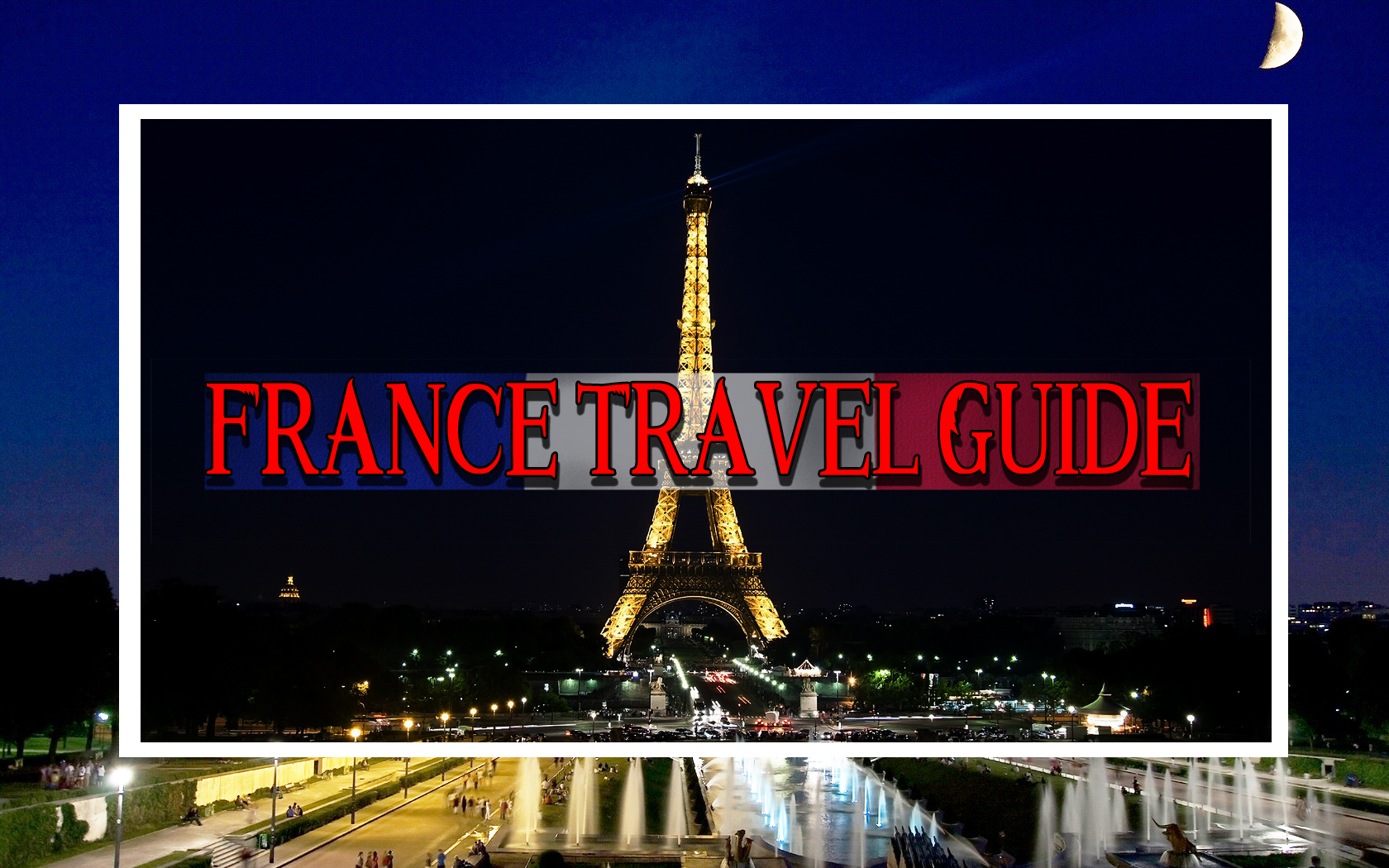
Planning a trip to France requires careful preparation regarding travel documentation, budgeting, transportation logistics, and seasonal timing to ensure a seamless experience across its diverse regions.
Introduction to Traveling in France
France remains one of the world's most visited destinations, attracting millions of international travelers with its rich history, world-renowned culinary scene, diverse geography, and iconic cultural landmarks. Whether your goal is to explore the museums and historical boulevards of Paris, tour the vineyards of Bordeaux and Burgundy, relax along the Mediterranean coastline of the French Riviera, or hike through the rugged peaks of the French Alps, a successful journey depends on thorough organization.
Navigating a trip to France involves understanding evolving entry requirements, managing currency and payment systems, selecting the most efficient modes of transportation, and respecting local customs. This guide breaks down the essential steps, logistical frameworks, and practical strategies needed to plan, execute, and fully enjoy your journey.
Pre-Travel Requirements and Legal Documentation
Before booking flights or accommodations, every international traveler must ensure their travel documents comply with French and European Union entry regulations.
Passport Validity and Visa Regulations
For non-EU visitors—including travelers from the United States, Canada, the United Kingdom, and Australia—your passport must meet specific validity standards:
- Issuance Date: The passport must have been issued within the previous 10 years.
- Expiration Date: The passport must remain valid for at least three months beyond your planned date of departure from the Schengen Area.
- Blank Pages: The passport should contain at least two consecutive blank pages for entry and exit stamps.
France is part of the Schengen Area, which allows travelers from many nations to enter for tourism or business stays of up to 90 days within any 180-day period without a visa. However, visitors must monitor upcoming European travel policy changes, such as the implementation of the European Travel Information and Authorization System (ETIAS), which requires pre-travel electronic authorization for visa-exempt nationals visiting the Schengen zone. Travelers requiring standard tourist visas must apply through official diplomatic channels, such as VFS Global or the French consulate in their home country, several months in advance.
Health and Travel Insurance
While routine medical care in France is high quality, international visitors are generally responsible for the full cost of medical treatments unless covered by comprehensive private travel insurance. It is strongly recommended to purchase a policy that covers emergency medical evacuation, trip cancellation, and lost luggage. Travelers should also carry a basic first-aid kit and copies of any necessary prescription medications accompanied by a doctor's note translated into French or English.
Financial Planning and Currency Management
Managing money efficiently while traveling in France prevents unexpected fees and ensures purchasing convenience across both urban centers and rural villages.
Currency and Payment Methods
France uses the Euro (€). Cash is still required for small purchases, local markets, and tipping in casual settings, but contactless card payments and mobile wallets (such as Apple Pay and Google Pay) are widely accepted throughout the country.
- Credit and Debit Cards: Chip-and-PIN cards are the standard. Ensure your cards do not carry foreign transaction fees and notify your bank of your travel dates to avoid automated fraud freezes.
- ATMs (Distributeurs de Billets): ATMs are widely available at banks and post offices (La Poste). Choose local currency when prompted by the ATM to avoid unfavorable dynamic currency conversion rates charged by foreign operators.
Estimated Daily Budgets
Travel costs vary widely depending on your style of travel, seasonal timing, and geographical location. Paris and the French Riviera are significantly more expensive than rural regions like the Dordogne, Limousin, or Alsace.
| Expense Category | Budget Traveler (Per Day) | Mid-Range Traveler (Per Day) | Luxury Traveler (Per Day) |
|---|---|---|---|
| Accommodation | €30 – €70 (Hostels / Budget Airbnbs) | €120 – €250 (3-Star Hotels / Boutique Inns) | €400+ (5-Star Hotels / Luxury Resorts) |
| Food & Dining | €15 – €30 (Bakeries / Supermarkets / Casual Cafés) | €50 – €100 (Bistros / Traditional Brasseries) | €150+ (Fine Dining / Michelin-Starred Restaurants) |
| Transportation | €10 – €25 (Metro Passes / Regional Buses) | €40 – €100 (SNCF Train Tickets / Car Rentals) | €200+ (Private Drivers / Taxis / First-Class Rail) |
| Activities & Sights | €0 – €20 (Walking Tours / Free Museum Days) | €30 – €70 (Major Museums / Guided Tours) | €100+ (Private Guided Excursions / Exclusive Access) |
Transportation Logistics: Getting Around France
France boasts one of the most efficient, integrated transportation infrastructures in the world, making it possible to traverse the country without renting a car. However, automobiles remain valuable for exploring remote wine regions or rural countryside.
Rail Travel with SNCF
The state railway company, SNCF, operates an extensive network connecting major cities and rural towns.
- TGV (Train à Grande Vitesse): High-speed trains link Paris to major hubs like Lyon, Marseille, Bordeaux, and Strasbourg in a fraction of the time required by road. Seat reservations are mandatory for all TGV journeys.
- TER (Transport Express Régional): Regional trains connect smaller towns and are ideal for day trips. Seat reservations are not required, and tickets can be purchased on the day of travel or via digital apps.
- Booking Strategy: SNCF tickets typically go on sale three to four months in advance. Booking early secures significantly lower fares compared to purchasing tickets on the day of departure.
Air Travel and Domestic Flights
For long-distance routes that lack high-speed rail connections—such as flights between regional airports or to French overseas territories—domestic carriers like Air France operate frequent services. However, due to environmental initiatives and efficient rail links, trains are generally preferred for journeys under four hours.
Renting and Driving a Car
Renting a car offers flexibility in regions like Provence, Normandy, or the Loire Valley. Keep the following rules in mind:
- Licence Requirements: Visitors from outside the EU should obtain an International Driving Permit (IDP) alongside their domestic driver's license.
- Driving Rules: Driving is on the right side of the road. Speed cameras (radars) are common and enforce strict limits. Toll highways (autoroutes) accept major credit cards and cash, though electronic toll badges (télépéage) streamline passage.
- City Restrictions: Cities like Paris, Lyon, and Grenoble enforce low-emission zones (Zones à Faibles Émissions), requiring vehicles to display a Crit'Air environmental vignette sticker. Renting cars equipped with these stickers is essential for city driving.
Choosing Destinations and Crafting an Itinerary
Designing a balanced itinerary depends on your travel duration and personal interests. A first-time visitor often focuses on a mix of urban culture and historical landscapes.
1. Paris and the Île-de-France
Paris serves as the primary entry point for international travelers. Key highlights include world-class art institutions like the Louvre and Musée d'Orsay, historical monuments such as the Eiffel Tower and Notre-Dame Cathedral, and diverse neighborhoods (arrondissements) like Le Marais and Montmartre. Plan for at least four to five days to experience the capital without rushing.
2. The Loire Valley (Châteaux de la Loire)
Located a short train or drive southwest of Paris, the Loire Valley is famous for its Renaissance châteaux, including Chambord, Chenonceau, and Amboise. This region offers a slower pace, historic gardens, and excellent local white wines.
3. Provence and the French Riviera (Côte d'Azur)
Southern France offers dramatic contrasts. Provence features lavender fields, Roman ruins in Nîmes and Arles, and the vibrant city of Marseille. Further east, the French Riviera includes glamorous coastal towns such as Nice, Cannes, and Monaco, known for Mediterranean beaches and artistic heritage associated with Matisse and Picasso.
4. Bordeaux and the Southwest
For wine enthusiasts and coastal explorers, Bordeaux combines 18th-century neoclassical architecture with proximity to renowned vineyards in Médoc and Saint-Émilion, as well as the towering Dune of Pilat on the Atlantic coast.
Cultural Etiquette and Practical Tips
Understanding basic French etiquette ensures smooth interactions and enhances your travel experience.
- Greetings: Always acknowledge shopkeepers and service workers when entering an establishment with a polite "Bonjour" (good day) or "Bonsoir" (good evening), followed by "S'il vous plaît" (please) and "Merci" (thank you). Launching directly into English without a greeting is considered discourteous.
- Dining Culture: Service is included in restaurant bills by law (service compris), typically adding a 15% charge. Tipping extra (le pourboire) is not mandatory, though leaving a few euros for exceptional service is appreciated. Meal times are generally strict: lunch is served between 12:00 PM and 2:00 PM, while dinner rarely begins before 7:30 PM or 8:00 PM.
- Language Basics: While English is widely spoken in major tourist areas, learning a few phrases of French demonstrates respect and opens doors to warmer local interactions.
Frequently Asked Questions
Do I need to speak fluent French to travel in France?
No, fluent French is not required, especially in major cities, airports, hotels, and tourist attractions where staff routinely speak English. However, learning basic courtesy phrases goes a long way in rural areas and small shops where English speakers may be less common.
When is the best time of year to visit France?
The shoulder seasons—spring (April to May) and autumn (September to October)—offer pleasant weather, fewer crowds, and lower prices compared to the peak summer months of July and August, when many local businesses close for annual holiday breaks.
Are museums and attractions free on certain days?
Many national museums in France offer free admission on the first Sunday of every month. Additionally, visitors under the age of 26 who are residents of the European Union often enjoy free entry to permanent collections at state-run museums and historical monuments.
How does tipping work in French restaurants?
Tipping in France is fundamentally different from North American standards. A mandatory 15% service charge is included in every restaurant bill. Leaving small change or an extra €5 to €10 for exceptional service is customary, but large tips are neither expected nor required.
Is it better to use the train or rent a car in France?
For travel between major cities (e.g., Paris to Lyon, Marseille, or Bordeaux), high-speed trains are faster, cheaper, and more convenient. Renting a car is best reserved for exploring rural regions such as Provence, Normandy, or the Dordogne, where public transit is less frequent.
Conclusion and Next Action
Planning a successful trip to France involves balancing logistical preparation with flexible scheduling. Start by verifying your passport validity, securing necessary travel insurance, and booking high-speed train tickets or accommodation several months in advance. Once your core itinerary and transit are secured, dive into researching neighborhood bistros, museum reservations, and local seasonal events to make the most of your journey.