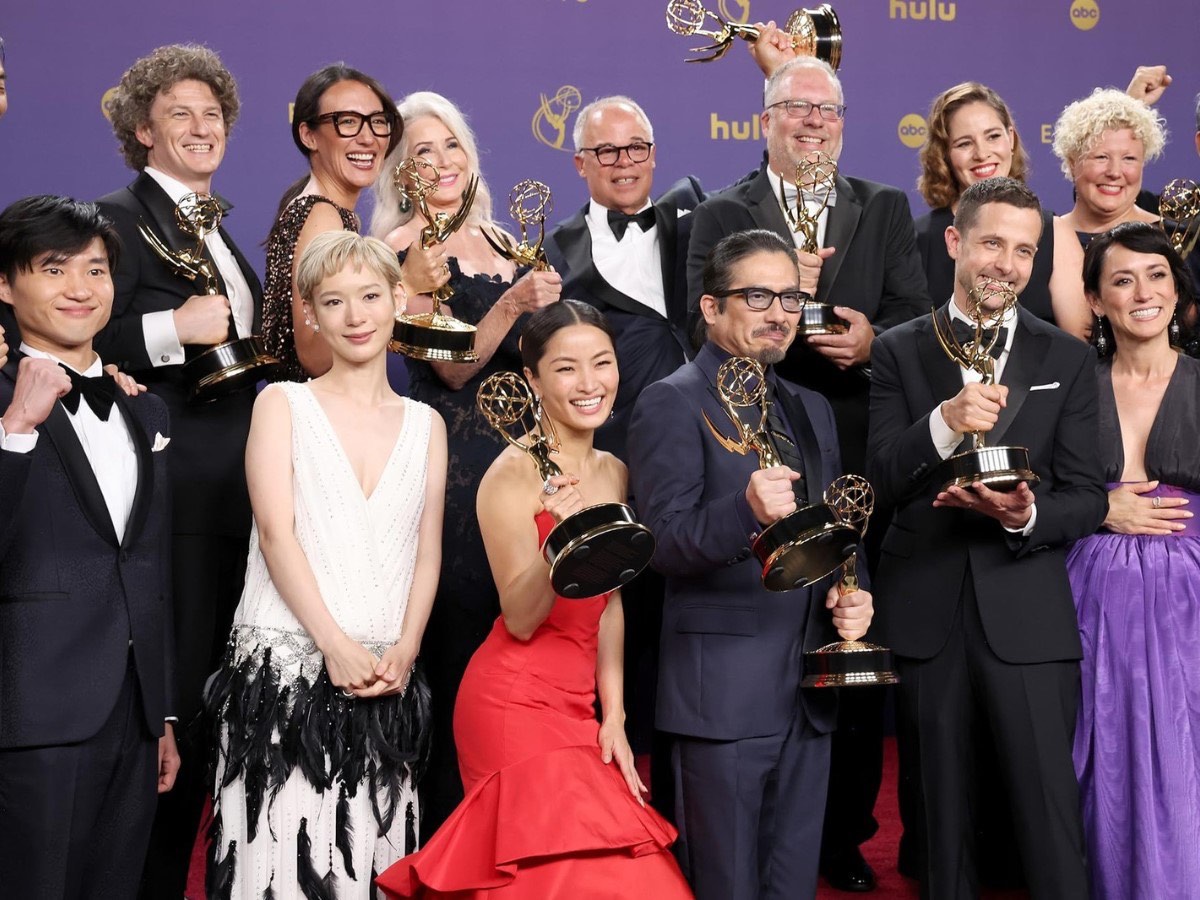
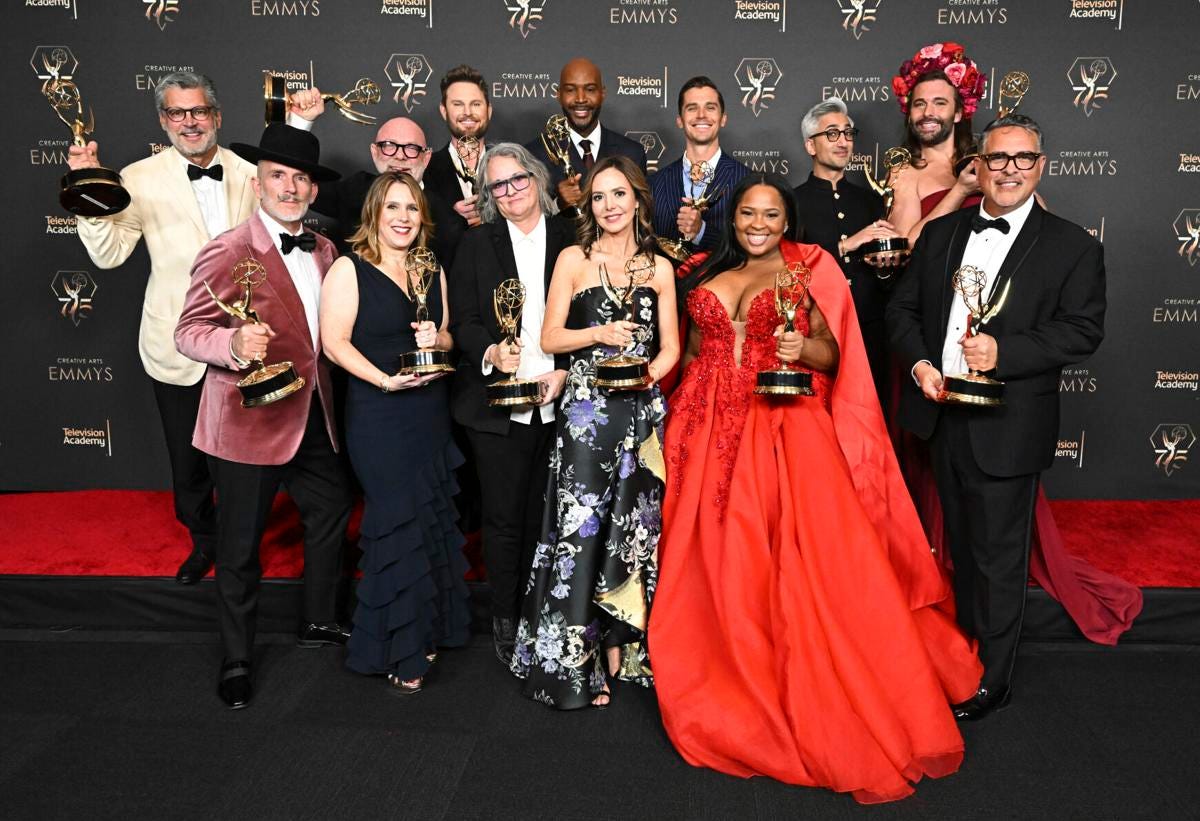
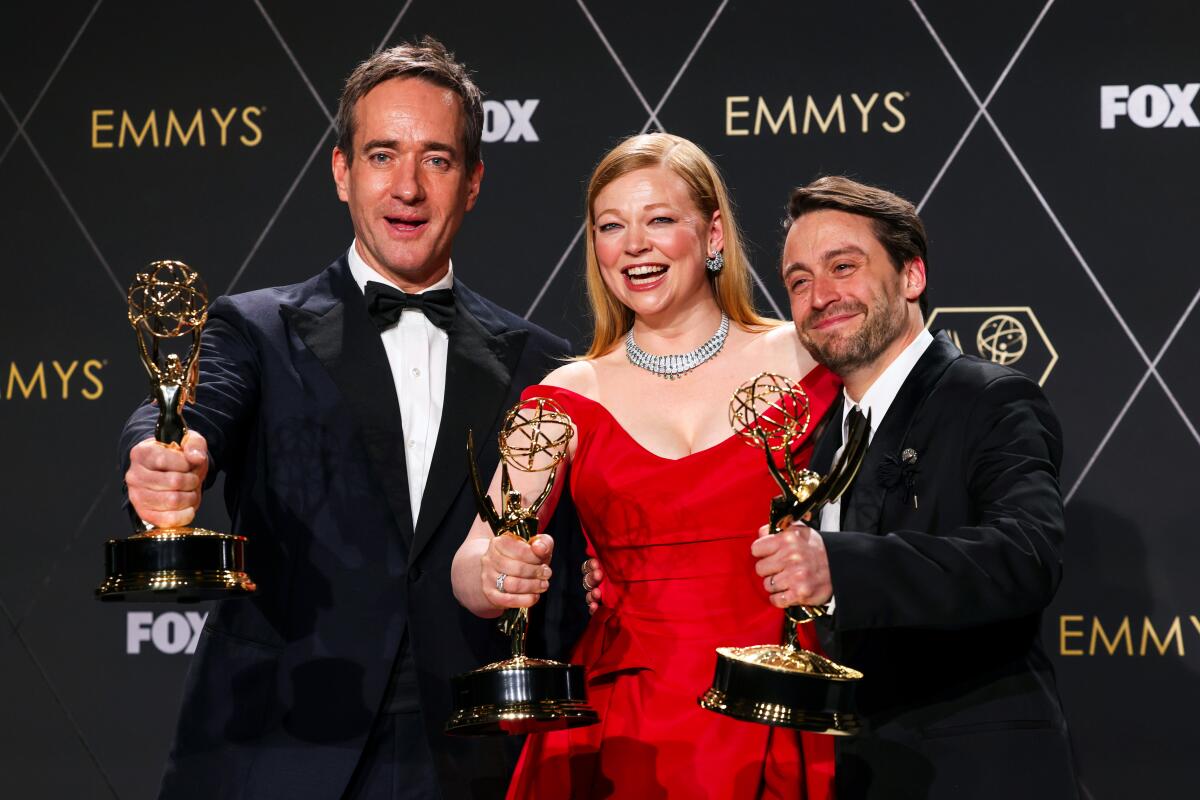
The history of the Emmy Awards reflects the evolution of television from a niche technological experiment into the world’s most dominant storytelling medium. Since the first ceremony in 1949, the Emmy has served as the gold standard for excellence in broadcasting, adapting its categories and criteria to include the rise of cable, the explosion of prestige drama, and the modern era of global streaming services.
The Genesis of the Emmy Awards (1949–1959)
The Emmy Awards were established by the Academy of Television Arts & Sciences (ATAS) to promote the cultural and educational value of television. The first ceremony took place on January 25, 1949, at the Hollywood Athletic Club. Unlike the global spectacle of today, the inaugural event was a local affair, focusing primarily on shows produced in Los Angeles.
The name "Emmy" was a play on "Immy," a nickname for the image orthicon tube, a critical component in early television cameras. The statuette itself—a winged woman holding an atom—was designed by Louis McManus, symbolizing the intersection of the arts (the wings) and science (the atom).
In these early years, the categories were broad and often fluid. The first-ever Emmy was awarded to Shirley Dinsdale, a ventriloquist, for Most Outstanding Television Personality. As the 1950s progressed, the "Golden Age of Television" began to take shape. This era was defined by live anthology dramas and variety shows. Programs like The Philco Television Playhouse and Playhouse 90 became the early standard-bearers for high-quality narrative performance, proving that television could rival the depth of theater and cinema.
The Expansion and the Rise of the Sitcom (1960–1979)
By the 1960s, television had moved from live broadcasts to filmed segments, allowing for higher production values and syndication. The Emmy Awards expanded to recognize this shift, introducing more specific categories for acting, directing, and writing.
The 1960s were dominated by the emergence of the classic sitcom and the variety hour. The Dick Van Dyke Show became a perennial winner, showcasing the potential for sophisticated comedic writing. Simultaneously, the Academy began to recognize the importance of news and documentary programming, reflecting television’s growing role in shaping public opinion during the Civil Rights Movement and the Vietnam War.
The 1970s marked a radical departure from the "safe" programming of the previous decade. Shows like All in the Family and M*A*S*H began to win major awards for tackling controversial social issues, including racism, war, and feminism. In 1974, the Academy split the awards into the Primetime Emmy Awards and the Daytime Emmy Awards to better categorize the diversifying landscape. This era also saw the birth of the "Limited Series" or "Miniseries" category, with the landmark production Roots (1977) sweeping the awards and demonstrating the massive audience appetite for long-form historical narratives.
The Era of Network Dominance and Sophisticated Drama (1980–1999)
The 1980s saw a shift toward serialized drama and high-concept comedies. The NBC network, in particular, enjoyed a "golden era" during this time. Hill Street Blues redefined the police procedural with its gritty realism and ensemble cast, winning Outstanding Drama Series four years in a row (1981–1984). On the comedy side, Cheers and The Golden Girls became Emmy staples, emphasizing character-driven humor over traditional slapstick.
The 1990s introduced a new level of competition and technical sophistication. Frasier set a long-standing record for the most wins by a comedy series, while ER and NYPD Blue pushed the boundaries of what was permissible in terms of intensity and language on network television.
Perhaps the most significant shift in the late 1990s was the emergence of cable television as a creative force. For decades, the "Big Three" networks (ABC, CBS, NBC) held a monopoly on Emmy nominations. However, the 1999 win for The Sopranos (though it didn't win Best Drama until 2004, its early nominations signaled a shift) proved that premium cable channels like HBO were ready to compete at the highest level.
The Prestige Revolution and the Streaming Surge (2000–2019)
The turn of the millennium catalyzed what critics call the "Second Golden Age of Television." The 2000s were defined by the dominance of cable dramas. The Sopranos, The Wire, and Mad Men changed the visual and narrative language of the medium. Mad Men (AMC) notably won Outstanding Drama Series four consecutive times (2008–2011), marking the first time a basic cable network took the top prize.
The 2010s introduced the biggest disruption in Emmy history: the arrival of streaming platforms. In 2013, Netflix’s House of Cards became the first web-only series to receive major nominations, including Outstanding Drama Series. This opened the floodgates for Amazon, Hulu, and later Apple TV+ and Disney+.
As the decade closed, Game of Thrones became an Emmy juggernaut, eventually holding the record for the most Emmy wins for a fictional series (59 total). The "Peak TV" era meant that Emmy voters had to sift through hundreds of scripted shows, leading to the expansion of the nomination ballots and a greater focus on diverse storytelling.
The Modern Landscape and Resilience (2020–2026)
The early 2020s were characterized by unprecedented challenges and a shift in how the awards were celebrated. The 72nd Primetime Emmy Awards (2020) were held virtually due to the global pandemic, a feat of technical coordination that itself felt like a television milestone.
During this period, "feel-good" comedies like Ted Lasso and intense, character-centric dramas like Succession dominated the winners' circle. The 75th Emmy Awards, originally scheduled for 2023, faced a significant delay due to industry-wide strikes by the WGA and SAG-AFTRA, eventually taking place in January 2024. This ceremony saw The Bear and Succession sweep nearly every major category, highlighting a trend toward shows that blend the lines between comedy and drama.
As we stand in 2026, the Emmy Awards have fully integrated the global nature of television. International productions and non-English language series, following the path blazed by Squid Game in 2022, are now regular contenders. The Academy continues to refine its definitions of "Comedy" vs. "Drama" as genre-bending becomes the industry standard.
Historical Timeline of Outstanding Series Winners
The following table tracks the winners of the two most prestigious categories over the last several decades, illustrating the shift from network classics to cable and streaming giants.
| Year | Outstanding Drama Series | Outstanding Comedy Series | Primary Network/Platform |
|---|---|---|---|
| 1951 | The Alan Young Show | The Red Skelton Show | CBS / NBC |
| 1961 | The Hallmark Hall of Fame | The Jack Benny Program | NBC / CBS |
| 1971 | The Senator | All in the Family | NBC / CBS |
| 1981 | Hill Street Blues | Taxi | NBC / ABC |
| 1991 | L.A. Law | Cheers | NBC |
| 2001 | The West Wing | Sex and the City | NBC / HBO |
| 2011 | Mad Men | Modern Family | AMC / ABC |
| 2015 | Game of Thrones | Veep | HBO |
| 2018 | Game of Thrones | The Marvelous Mrs. Maisel | HBO / Amazon |
| 2021 | The Crown | Ted Lasso | Netflix / Apple TV+ |
| 2024 | Shōgun | The Bear | FX / Hulu |
Technical Evolution of the Voting Process
The Emmy winners are not chosen by the general public but by the members of the Academy of Television Arts & Sciences. This "peer-to-peer" voting system is designed to ensure that technical skill and artistic merit are prioritized.
The Peer Groups
Academy members are divided into nearly 30 peer groups, including performers, directors, writers, cinematographers, and costume designers. Members generally vote only for the categories within their own expertise during the nomination phase. For example, only actors nominate actors. However, all members are eligible to vote for the "Program" categories, such as Outstanding Comedy or Drama Series.
The Shift to Online Voting
Historically, Emmy voters were sent large boxes of DVDs (known as "For Your Consideration" screeners) to review the nominated work. In the mid-2010s, the Academy transitioned to a secure online voting and streaming platform. This shift not only reduced the environmental impact but also made it easier for voters to access a wider range of content, arguably leading to the more diverse winner pools seen in recent years.
Records and Notable Achievements
Over the decades, certain individuals and shows have achieved legendary status through their Emmy tallies.
- Most Wins by a Program: Saturday Night Live holds the record for the most total Emmy wins (over 90), a testament to its longevity and the vast number of technical categories it qualifies for.
- Most Wins by an Individual: Julia Louis-Dreyfus and Cloris Leachman historically led the acting categories. Louis-Dreyfus holds the record for the most wins for the same role in the same series (Veep).
- The EGOT Quest: The Emmy is the first letter in the prestigious "EGOT" acronym (Emmy, Grammy, Oscar, Tony). Achieving an Emmy is often the gateway for artists to pursue the "Grand Slam" of American entertainment awards.
- Sweep Records: Shows like Schitt’s Creek (2020) and The Bear (2024) are notable for "sweeping" the major categories in a single night—winning for acting, writing, directing, and the series award simultaneously.
Understanding Category Displacements
A frequent point of confusion for those following the timeline of winners is the "Limited Series" vs. "Miniseries" vs. "Anthology" categories. As television storytelling has evolved, the Academy has had to redefine these terms multiple times.
- Miniseries (Traditional): A standalone story with a predetermined number of episodes (e.g., Roots, Lonesome Dove).
- Anthology Series: A series where each season features a different cast and story (e.g., American Horror Story, The White Lotus).
- Limited Series: The current catch-all term for any non-recurring series with at least two episodes and a total runtime of at least 150 minutes.
This evolution was necessary because shows like The White Lotus began as limited series but returned for subsequent seasons, forcing the Academy to create rules regarding when a show must move into the "Drama" or "Comedy" categories.
Frequently Asked Questions
Who was the first person to win an Emmy?
Shirley Dinsdale, a ventriloquist, was the first person ever to receive an Emmy Award during the 1949 ceremony. She won the award for "Most Outstanding Television Personality." At the time, the awards were largely local to the Los Angeles area.
Which show has won the most Emmy Awards in history?
Saturday Night Live (SNL) holds the record for the most Emmy wins of any television program. As of 2026, it has amassed over 90 awards across various categories, including acting, writing, directing, and technical achievement. In the scripted drama category, Game of Thrones holds the record with 59 wins.
How are Emmy winners decided?
Winners are determined by the 20,000+ members of the Academy of Television Arts & Sciences. The process involves a two-step voting system: a nomination round where peer groups select the finalists, and a final round where members vote for the winner in their respective fields. Program awards are voted on by the entire active membership.
What is the difference between Primetime and Daytime Emmys?
The Primetime Emmy Awards focus on programs aired during the evening hours (usually between 6:00 PM and 2:00 AM) and are governed by the Academy of Television Arts & Sciences (ATAS). The Daytime Emmy Awards focus on programming aired during the day, such as soap operas, talk shows, and children’s programming, and are governed by the National Academy of Television Arts & Sciences (NATAS).
Can a streaming show win an Emmy?
Yes, streaming services have been eligible for Emmy Awards since 2013. Netflix, Amazon Prime Video, Hulu, Apple TV+, and Disney+ are now some of the most frequent winners. In 2021, The Crown (Netflix) became the first streaming series to win Outstanding Drama Series.
Why do some years have two Emmy ceremonies?
This is rare and usually occurs due to external disruptions. For example, because of the 2023 Hollywood strikes, the 75th Emmy Awards were moved from September 2023 to January 2024. Consequently, the 76th Emmy Awards were held in September 2024, resulting in two distinct ceremonies within the same calendar year.
Practical Steps for Tracking Future Winners
For those interested in following the Emmy timeline as it continues to unfold, the best course of action is to monitor the official announcements from the Television Academy. Nominations are typically announced in July, with the Primetime ceremony taking place in mid-September.
To stay informed:
- Visit the official Emmy website for the "Winner's Gallery," which provides a searchable database of every winner since 1949.
- Follow trade publications like Variety or The Hollywood Reporter for expert analysis of "snubs" and "surprises" during the awards season.
- Check the eligibility period, which usually runs from June 1 of the previous year to May 31 of the current year, to understand which shows will be eligible for the upcoming cycle.