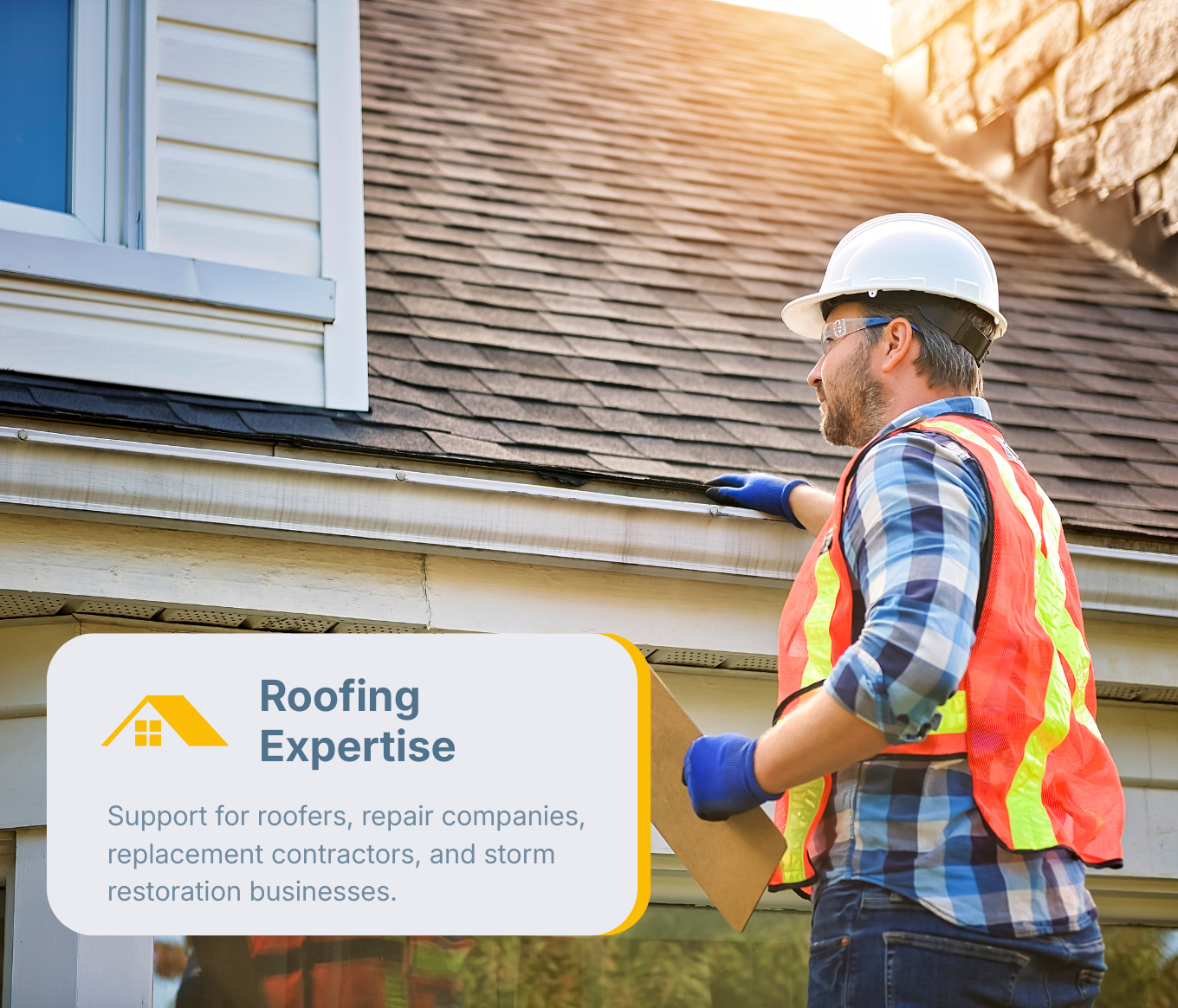
Atlanta roofing specialists are professional contractors providing installation, repair, and maintenance services tailored to the humid subtropical climate of Georgia. In 2026, selecting the right specialist requires verifying local licensing, understanding impact-resistant material options, and ensuring the contractor handles the complex insurance claims common after Atlanta’s severe storm seasons.
Why You Need an Atlanta-Specific Roofing Specialist
Atlanta’s geographic location in the Piedmont region of the United States presents a unique set of challenges for residential and commercial roofing systems. While a general contractor might understand the basics of shingle application, an Atlanta roofing specialist focuses on the environmental stressors specific to North Georgia.
The city is famously known as the "City in a Forest," boasting a higher percentage of tree canopy than most other major U.S. metropolitan areas. While this provides shade and aesthetic beauty, it introduces significant risks to roofing systems. Large oak and pine trees frequently drop needles, leaves, and sap, which can trap moisture against roofing materials, leading to premature rot and the growth of Gloeocapsa magma—the black algae streaks common on Georgia roofs. Furthermore, the high humidity levels characteristic of Atlanta summers accelerate the degradation of organic components in older shingle types.
Specialists in the Atlanta market are also attuned to the local "Urban Heat Island" effect. In areas like Midtown, Buckhead, and Downtown, the concentration of concrete and asphalt causes temperatures to remain significantly higher than in surrounding rural areas. A specialist will recommend high-reflectivity materials or specific ventilation strategies to combat these micro-climates, ensuring that your attic remains cool and your energy bills remain manageable during the 90-degree-plus days of July and August.
Essential Qualifications for Roofing Contractors in Georgia
In 2026, the regulatory landscape for contractors in Georgia continues to emphasize professional accountability, though the state’s requirements differ from neighboring regions like Florida. When evaluating an Atlanta roofing specialist, you must verify several layers of documentation to ensure you are protected legally and financially.
Licensing and Registration
The Georgia Secretary of State oversees the licensing for residential and general contractors. While Georgia does not have a "Roofing License" as a standalone category for all scopes of work, most reputable specialists hold a Residential-Basic or Residential-Light Commercial license. This license indicates that the contractor has passed a state examination and met financial stability requirements. You can verify a contractor's status through the Georgia Secretary of State Professional Licensing Boards.
Insurance and Liability
Given the inherent risks of roofing work, an Atlanta specialist must carry two types of insurance:
- Workers' Compensation: This protects you from liability if a worker is injured on your property. In Georgia, any business with three or more employees is required by law to carry this.
- General Liability Insurance: This covers damage to your home during the project. For roofing, a minimum policy of $1,000,000 is standard for established firms in 2026.
Manufacturer Certifications
The highest-tier specialists often hold certifications from major manufacturers such as GAF, Owens Corning, or CertainTeed. For example, a GAF Master Elite Contractor represents the top 2% of roofers nationwide. These certifications are more than just marketing badges; they allow the contractor to offer extended "Golden Pledge" or "Platinum" warranties that cover both materials and labor for up to 50 years—protection that uncertified contractors cannot provide.
Navigating Roofing Materials for the Georgia Climate
The choice of material is the most significant factor in both the cost and longevity of your roof. In Atlanta, the 2026 market offers a blend of traditional aesthetics and high-tech performance materials designed to withstand the region's volatile weather.
Architectural Asphalt Shingles
Asphalt shingles remain the most popular choice in the metro area due to their balance of cost and durability. Modern architectural shingles (also called dimensional shingles) are designed to mimic the look of wood shakes or slate. In Atlanta, it is highly recommended to select shingles with an Algae Resistance (AR) rating and a Class 4 impact resistance rating. These features help prevent the unsightly black streaks caused by humidity and provide protection against the mid-sized hail common during spring thunderstorms.
Metal Roofing Systems
Metal roofing has seen a surge in popularity in Atlanta suburbs like Marietta, Alpharetta, and Decatur. Standing seam metal roofs are particularly effective in Georgia because they are highly reflective, significantly reducing cooling costs. They also have a lifespan of 50 to 70 years, making them a "once-in-a-lifetime" investment. While the initial cost is higher, the resistance to wind and fire makes it an attractive option for homes situated in heavily wooded areas where falling limbs and fire risks are greater.
Synthetic Slate and Tile
For homeowners in historic districts or luxury enclaves like Tuxedo Park, synthetic slate offers the prestige of stone without the massive weight. Real slate requires reinforced roof framing, which can be prohibitively expensive. Synthetic options, made from recycled polymers, provide the same aesthetic but are easier to install and maintain in the humid Georgia environment.
Managing Storm Damage and Insurance Claims
Atlanta is situated in a region prone to severe weather, ranging from remnants of Gulf hurricanes to intense local hailstorms. An Atlanta roofing specialist does more than just swing hammers; they often act as an intermediary during the insurance claim process.
When a storm hits, the damage is not always visible from the ground. High winds can "break the seal" of shingles, making them susceptible to future leaks even if they look intact. Specialists use high-resolution drone photography and infrared moisture detection to document damage that an insurance adjuster might miss.
In 2026, it is vital to understand the difference between a roofing contractor and a public adjuster. While your specialist can provide an estimate and meet with your insurance adjuster to point out damage, they cannot legally negotiate the financial settlement of your claim in Georgia unless they are also licensed as an insurance professional. A reputable specialist will provide a detailed "Scope of Work" that aligns with the requirements of major carriers like State Farm or Allstate, streamlining the approval process for the homeowner.
The Cost of Roofing in the Atlanta Metro Area (2026)
Roofing costs in Atlanta have stabilized in 2026 following the supply chain volatility of previous years, but labor costs in the Southeast remain a significant variable. Costs are typically calculated by the "square," which is a 10-foot by 10-foot area (100 square feet).
| Material Type | Estimated Cost per Square (Installed) | Expected Lifespan | Best Use Case |
|---|---|---|---|
| 3-Tab Asphalt | $350 - $500 | 15 - 20 Years | Budget repairs or rental properties |
| Architectural Shingles | $550 - $850 | 25 - 30 Years | Most residential homes in Atlanta |
| Standing Seam Metal | $1,100 - $1,800 | 50+ Years | Energy efficiency and longevity |
| Synthetic Slate | $1,200 - $2,000 | 50+ Years | Luxury homes and historic preservation |
| TPO (Flat Roof) | $600 - $950 | 20 - 25 Years | Modern homes and commercial additions |
Note: Prices include tear-off of one layer of old shingles, minor decking repairs, and standard underlayment.
Factors that can increase these costs in the Atlanta market include:
- Roof Pitch: Steeply pitched roofs (common in Victorian-style homes in Inman Park) require more safety equipment and labor.
- Access Issues: Homes in dense urban areas with limited driveway access may require specialized debris removal.
- Decking Condition: If the plywood beneath the shingles is rotted due to Atlanta’s high humidity, it must be replaced at an additional cost per sheet.
The Step-by-Step Replacement Process
A professional roofing project in Atlanta should follow a structured timeline to ensure quality and compliance with local building codes.
Initial Inspection and Estimate
The specialist should perform a physical inspection of the roof and the attic. Attic inspection is crucial in Georgia to ensure that the ventilation system is adequate. Without proper airflow, heat builds up in the summer, literally "baking" the shingles from the inside out and voiding manufacturer warranties.
Permitting
In the City of Atlanta and surrounding counties like Gwinnett and Cobb, a building permit is generally required for a full roof replacement. Your specialist should handle this process. Failure to secure a permit can lead to fines and complications when you eventually try to sell your home. You can check local requirements through the City of Atlanta Office of Buildings.
Installation Day
On the day of installation, the specialist will protect your landscaping with tarps and "catch-all" systems. The old roofing material is "torn off" down to the wood deck. This is the only way to inspect the structural integrity of the home. Once the deck is prepped, a leak barrier is applied to valleys and eaves—critical for preventing leaks during Georgia's heavy spring rains—followed by synthetic underlayment and the final roofing material.
Final Walkthrough and Cleanup
The most common complaint in roofing is leftover nails. A high-quality specialist will use high-powered magnets to sweep your yard and driveway multiple times. A final inspection ensures that all flashings (the metal bits around chimneys and vents) are properly sealed and that the project meets the manufacturer’s installation guidelines for warranty registration.
Selecting the Right Specialist: A Checklist
Before signing a contract in 2026, ensure you have vetted your potential Atlanta roofing specialist against these criteria:
- Local Physical Address: Avoid "storm chasers" who use P.O. boxes or out-of-state phone numbers. A local specialist will have a physical office in the metro area.
- Recent References: Ask for at least three references from projects completed within the last 12 months in your specific neighborhood.
- Detailed Contracts: The contract should specify the brand of shingles, the type of underlayment, and the exact warranty terms.
- No Large Deposits: It is standard in Georgia for reputable contractors to request a small deposit or no money down until materials are delivered. Beware of contractors asking for 50% or more upfront.
Frequently Asked Questions
How long does a typical roof replacement take in Atlanta?
For most standard residential homes (2,000 to 3,000 square feet), a professional crew can complete the tear-off and installation in one to two days. However, complex roofs with steep pitches or specialized materials like slate may take three to five days. Weather is the biggest variable; specialists will closely monitor the forecast to ensure your home is never left exposed to rain.
Is a permit always required for roof repairs in Georgia?
For minor repairs, such as replacing a few shingles or fixing a small leak, a permit is usually not required. However, for a full replacement (re-roofing), most jurisdictions in the Atlanta metro area, including Fulton and DeKalb counties, require a permit to ensure the work meets current international building codes and fire safety standards.
How does the Atlanta humidity affect my roof's lifespan?
High humidity encourages the growth of moss and algae, which can trap moisture against the shingles. This moisture can lead to the decay of the organic mat inside the shingle. To combat this, Atlanta specialists recommend algae-resistant shingles and ensuring that your attic has a balanced ventilation system (intake at the soffits and exhaust at the ridge) to keep the roof deck dry.
Can I install a new roof over my old one to save money?
While Georgia building codes may allow for two layers of roofing, most Atlanta roofing specialists strongly advise against it. An "overlay" prevents the contractor from inspecting the decking for rot, adds significant weight to your home’s structure, and typically voids the manufacturer's maximum warranty. In the long run, a full tear-off is more cost-effective.
What is the best time of year to replace a roof in Atlanta?
Spring and fall are the peak seasons due to mild temperatures. However, roofing can be done year-round in Atlanta. Winter is often a great time to schedule a replacement as contractors may have more availability and shingles can still seal properly on sunny days. Summer installations require crews to start very early to avoid the dangerous mid-day heat.
Next Steps for Homeowners
If you suspect your roof has reached the end of its lifespan or has sustained storm damage, your first action should be to schedule a professional inspection with a certified Atlanta roofing specialist. Avoid attempting to climb the roof yourself, as steep pitches and granules loosened by age can create significant fall hazards. Once you have two to three detailed estimates, compare the material specifications and warranty offerings rather than choosing based on the lowest price alone. Ensuring your home is protected by a high-quality roofing system is one of the most critical investments you can make for your property's long-term value and safety.