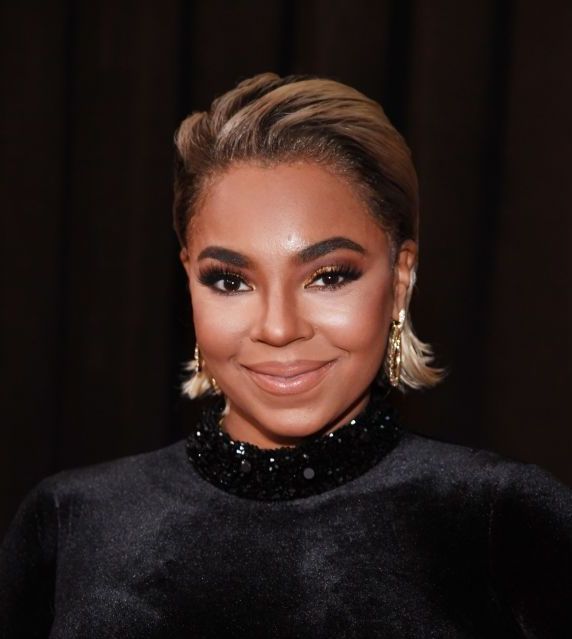
Ashanti’s estimated net worth sits between $8 million and $10 million, accumulated through a multi-decade career in the music industry as a Grammy Award-winning singer, songwriter, actress, and successful entrepreneur. Her wealth stems from robust record sales, high-profile acting roles, global touring, book publishing, and strategic independent business ventures.
Introduction to Ashanti’s Financial Legacy
Evaluating the net worth of a multi-talented entertainer requires examining a diverse portfolio spanning music, film, television, and entrepreneurship. Ashanti Douglas, known simply by her mononym Ashanti, rose to prominence in the early 2000s under Murder Inc. Records. During a turbulent era for the music industry characterized by shifting formats and evolving distribution models, she carved out a distinctive space as both a solo artist and a sought-after collaborator.
Understanding Ashanti's estimated net worth necessitates looking beyond basic chart positions. It involves analyzing how an artist who dominated the R&B and hip-hop charts during the golden era of physical compact disc sales successfully transitioned into independent ownership, digital streaming economies, and multimedia diversification. This examination explores the primary drivers of her financial standing, the mechanics of her career earnings, and the business strategies that preserve her legacy.
Musical Career and Record Sales Peak
Ashanti’s entry into the music industry was marked by historic commercial success. Her 2002 self-titled debut album, Ashanti, set a Billboard record by selling over 504,000 copies in its first week in the United States, earning her a Guinness World Record for the most successful debut by a female contemporary R&B artist at the time.
The financial impact of a debut album of this magnitude during the early 2000s cannot be overstated. Physical CD sales generated significant royalty streams for artists with favorable contracts, alongside publishing royalties from her songwriting credits. Ashanti wrote or co-wrote all the tracks on her debut, maximizing her share of mechanical and performance royalties collected through organizations like ASCAP.
Subsequent releases, including her sophomore album Chapter II (2003) and Concrete Rose (2004), continued to perform strongly on the charts, achieving multi-platinum and platinum certifications respectively. Hit singles such as "Foolish," "Happy," and "Rain on Me" secured heavy radio rotation, yielding substantial performance royalties over the decades.
| Album Title | Release Year | Certification | Estimated US Sales |
|---|---|---|---|
| Ashanti | 2002 | 3x Platinum | 3.3 Million+ |
| Chapter II | 2003 | Platinum | 1.5 Million+ |
| Concrete Rose | 2004 | Platinum | 1 Million+ |
| The Declaration | 2008 | Gold | 300,000+ |
Transition to Independent Ownership and Written-Off Royalties
As the music industry shifted from physical sales to digital streaming, many legacy artists faced diminished returns under traditional major-label structures. Ashanti experienced public legal and creative battles with Murder Inc. Records and its founder, Irv Gotti, during the late 2000s and early 2010s.
To gain greater control over her financial future and creative output, Ashanti took a definitive step: she launched her own independent record label, Written Entertainment, in 2011. Operating independently altered her financial model significantly. While independent artists shoulder the costs of production, marketing, and distribution, they retain a vastly higher percentage of revenue generated from streaming, synchronization licensing for film and television, and touring.
Through Written Entertainment, she released her fifth studio album, Braveheart, in 2014. By owning her master recordings for subsequent projects and leveraging digital distribution networks, she captured revenue streams that would have otherwise gone to a parent label. Furthermore, acquiring ownership or re-recording leverage over portions of her catalog remains a critical strategy for artists of her era to maximize long-term asset value.
Acting, Television, and Film Ventures
Beyond her discography, Ashanti expanded her earning potential through acting and television appearances. Diversifying into Hollywood opened up distinct compensation channels, including upfront talent fees, backend residuals, and executive producer credits.
Her film credits include major studio and independent releases such as Coach Carter (2005), John Tucker Must Die (2006), and Resident Evil: Extinction (2007). John Tucker Must Die was a commercial success at the box office, grossing over $68 million worldwide against a modest budget, which added to her profile as a bankable cinematic presence.
In television, Ashanti has taken on both acting and reality-television roles, ranging from guest appearances on network dramas like Buffy the Vampire Slayer and Army Wives to producing and hosting ventures. She also expanded into the literary space, releasing a children's book titled Braveheart in 2008, showcasing an ability to monetize her personal brand across different media channels.
Touring, Live Performances, and Residency Economics
Live performance remains one of the most lucrative revenue streams for established musical artists. Ashanti has maintained a consistent global touring schedule, headlining international venues, music festivals, and lucrative package tours alongside other prominent R&B and hip-hop artists of the 1990s and 2000s.
Collaborative tours and nostalgia-driven package concerts—such as the "Hip Hop and R&B" lineups that frequently tour North America, Europe, and Australia—command high booking fees. For legacy acts, these tours offer high profit margins due to streamlined production costs and dedicated audiences willing to pay premium ticket prices.
In addition to traditional touring, the rise of Las Vegas residency shows and limited-engagement venue takeovers has provided artists with stable, high-yield performance contracts. While touring requires significant logistical overhead and travel expenses, live performance fees contribute substantially to the annual influx of liquid capital within an artist's net worth portfolio.
Endorsements, Brand Partnerships, and Entrepreneurial Investments
Commercial endorsements and equity partnerships have played a vital role in building Ashanti's overall wealth. Throughout her career, she has aligned with major consumer brands in fashion, beauty, and lifestyle.
Her mainstream appeal and influence in fashion culture led to high-profile collaborations with apparel and cosmetic brands. Notable partnerships include modeling and promotional campaigns for brands like Revlon, as well as launching her own fragrance lines. Fragrance endorsements and signature perfume products have historically provided celebrities with lucrative licensing deals and percentage-of-sale royalties.
In recent years, Ashanti has ventured into the health and wellness sector, including equity investments in beverage brands and wellness startups. For instance, her involvement with premium beverage companies and fitness initiatives reflects a modern celebrity wealth strategy: moving away from simple endorsement fees toward equity ownership, where an artist profits directly from the valuation growth and eventual acquisition of the company.
Real Estate Holdings and Asset Management
Real estate represents a cornerstone of long-term wealth preservation for high-net-worth individuals in the entertainment industry. Ashanti has historically maintained strategic residential real estate holdings in primary wealth hubs such as New York and Los Angeles.
Real estate investments serve multiple financial functions:
- Capital Appreciation: Prime residential properties in major metropolitan areas generally appreciate over time, protecting wealth against inflation.
- Liquid Diversification: Property can be leveraged, refinanced, or sold to reallocate capital into higher-yielding business ventures or investment funds.
- Tax Advantages: Real estate ownership offers specific tax deductions related to mortgage interest, property taxes, and depreciation for properties utilized in business operations.
While exact private addresses and current portfolio valuations are shielded through trusts and LLCs for privacy and security, her long-standing presence in high-cost-of-living entertainment capitals indicates a mature approach to asset management.
Factors Influencing Net Worth Fluctuations
Calculating an exact net worth for a private celebrity is inherently challenging because public figures do not disclose full tax returns, private investment ledgers, or liability statements. Estimates provided by financial publications represent educated approximations based on visible revenue streams and market comparables.
Several variables cause net worth figures to fluctuate over time:
- Market Conditions: The valuation of music catalogs changes based on streaming volume, interest rates, and investor demand for intellectual property. The broader catalog acquisition market experienced a peak in the early 2020s, affecting the potential buyout value of an artist's songs.
- Operational Expenses: Maintaining a business entity, paying personal management commissions (typically 10% to 15%), legal representation fees, and public relations teams reduces gross earnings to net take-home income.
- Tax Liabilities: High earners in the United States face substantial federal, state, and local tax burdens, particularly in high-tax jurisdictions like California and New York.
Frequently Asked Questions
How did Ashanti make most of her money?
Ashanti accumulated the majority of her wealth through record sales during the peak of the physical CD era, global concert tours, songwriting royalties, and acting roles in film and television. Her transition to owning her master recordings via her independent label, Written Entertainment, further strengthened her long-term revenue generation.
Does Ashanti own her music masters?
Yes. After experiencing major-label disputes early in her career, Ashanti founded her own independent label, Written Entertainment, in 2011. This move allowed her to secure ownership of her master recordings for subsequent projects, giving her full control over licensing, synchronization deals, and streaming revenues.
What are Ashanti's most successful business ventures outside of music?
Outside of music, Ashanti has profited from acting in films like John Tucker Must Die, launching signature fragrance lines, securing high-profile beauty endorsements with brands like Revlon, publishing a children's book, and making strategic equity investments in wellness and beverage companies.
How much does Ashanti make per tour or performance?
Exact per-show fees are private, but established legacy R&B artists of Ashanti’s stature typically command tens of thousands to hundreds of thousands of dollars per performance, depending on the venue size, festival status, and whether the performance is part of a larger tour package.
Is Ashanti still active in the music industry?
Yes. She continues to release independent music, perform live around the world at concerts and festivals, and engage in multimedia entrepreneurial projects, maintaining an active presence in entertainment.
Conclusion and Next Actions
Ashanti’s estimated net worth of $8 million to $10 million reflects a resilient career built on early commercial dominance, smart independent restructuring, and diversified entertainment ventures. For aspiring artists and entrepreneurs looking to model similar financial longevity, the key takeaways include retaining intellectual property rights, building independent operational structures, and expanding into non-musical business verticals such as acting, brand equity, and real estate. Reviewing current music catalog valuation trends and independent distribution models offers valuable insights into how legacy artists protect and grow their fortunes in the modern digital economy.