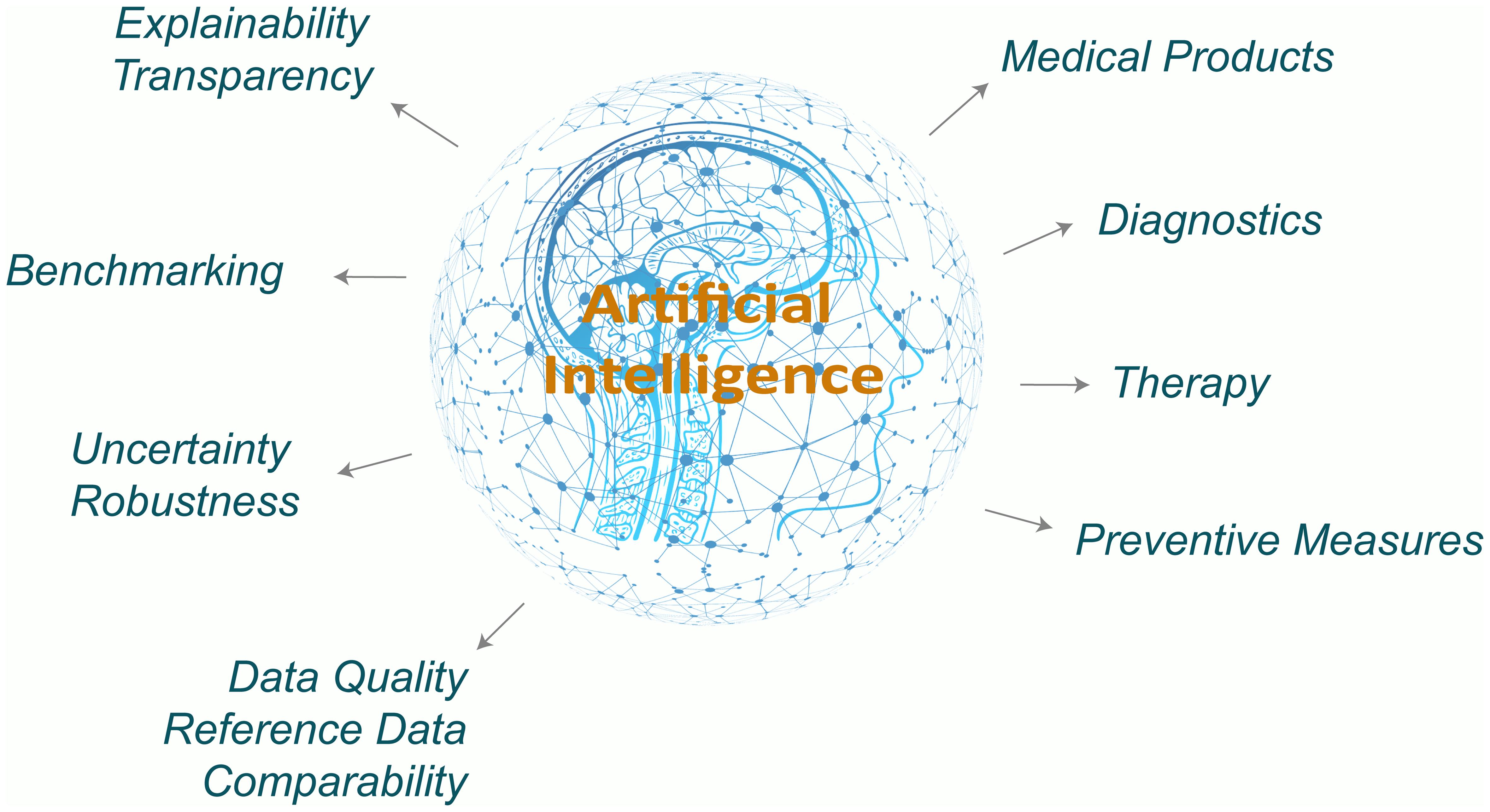
Artificial intelligence in healthcare uses machine learning, natural language processing, and computer vision to analyze complex medical data. By 2026, it serves as a critical tool for automating diagnostics, personalizing treatment plans, and accelerating drug discovery, ultimately reducing clinician burnout and improving patient outcomes through high-precision predictive analysis and real-time monitoring.
The State of Artificial Intelligence in Healthcare in 2026
As of 2026, the integration of artificial intelligence (AI) into medical systems has transitioned from experimental pilot programs to foundational clinical standards. The healthcare sector now utilizes AI not as a replacement for human expertise but as an advanced "co-pilot" that enhances the speed and accuracy of medical decision-making. This shift is driven by the maturation of Deep Learning (DL) models and the widespread implementation of Explainable AI (XAI), which allows clinicians to understand the rationale behind an algorithm’s recommendation.
The infrastructure supporting these advancements relies heavily on the HL7 FHIR (Fast Healthcare Interoperability Resources) standards, enabling seamless data exchange between Electronic Health Records (EHRs) and AI diagnostic tools. Furthermore, the 2026 regulatory environment, led by the U.S. Food and Drug Administration (FDA), has established rigorous post-market surveillance for Software as a Medical Device (SaMD), ensuring that AI models do not suffer from "data drift" or performance degradation over time.
Primary Clinical Applications of AI
Artificial intelligence is broadly categorized into several functional domains within the clinical setting. Each domain addresses specific bottlenecks in the traditional patient care continuum, ranging from early detection to long-term chronic disease management.
Medical Imaging and Diagnostics
Radiology and pathology are the most mature beneficiaries of AI. Convolutional Neural Networks (CNNs) are now routinely used to scan thousands of images per hour, identifying subtle patterns that may be invisible to the human eye.
- Triage Systems: AI algorithms automatically prioritize scans showing signs of acute conditions, such as intracranial hemorrhages or pulmonary embolisms, ensuring that radiologists review critical cases within minutes of the scan.
- Early Oncology Detection: In 2026, AI-enhanced mammography and colonoscopy tools have demonstrated a significant reduction in false negatives, identifying stage-zero malignancies with higher consistency than manual review alone.
- Pathology Automation: Digital pathology platforms use AI to quantify tumor-infiltrating lymphocytes and grade cancers, providing a level of granular detail that assists oncologists in selecting targeted therapies.
Predictive Analytics and Risk Stratification
By analyzing historical patient data, AI models predict adverse events before they occur. These systems are integrated into hospital monitors to provide a "probabilistic view" of patient health.
- Sepsis Prediction: AI-driven early warning systems monitor vital signs, lab results, and nursing notes in real-time. These models can predict the onset of sepsis up to 12 hours before clinical symptoms manifest, allowing for life-saving antibiotic intervention.
- Readmission Risk: Machine learning models analyze social determinants of health (SDOH) alongside clinical data to identify patients at high risk of hospital readmission within 30 days, prompting personalized discharge planning.
Drug Discovery and Development
The traditional 10-year timeline for drug development has been drastically shortened. Generative AI and molecular modeling allow pharmaceutical companies to "design" compounds in silico.
- Protein Folding: Building on the foundations of AlphaFold, 2026-era models can predict complex protein-ligand interactions with near-atomic precision.
- Target Identification: AI analyzes vast biological datasets to identify novel genetic targets for rare diseases that were previously considered "undruggable."
- Clinical Trial Optimization: AI identifies suitable candidates for clinical trials by scanning EHRs, ensuring diverse and genetically appropriate cohorts, which reduces trial failure rates.
Operational and Administrative Efficiency
Beyond clinical care, AI addresses the massive administrative burden that contributes to provider burnout. In 2026, the "administrative AI" layer is essential for the economic sustainability of healthcare systems.
Natural Language Processing (NLP) in Documentation
One of the most significant changes in 2026 is the near-total automation of clinical documentation. Ambient AI assistants listen to the patient-provider encounter and generate structured clinical notes in real-time.
- ICD-11 Coding: NLP models automatically assign the correct diagnostic and procedural codes, reducing billing errors and insurance claim denials.
- Patient Interaction: AI-powered chatbots and virtual assistants handle routine tasks such as appointment scheduling, prescription refills, and post-operative instructions, allowing human staff to focus on complex patient needs.
Supply Chain and Resource Management
Hospitals use AI to create "Digital Twins" of their facilities. These simulations predict patient inflow, allowing for optimized staffing levels and bed management. AI also manages inventory, ensuring that critical supplies and medications are restocked based on predicted seasonal demand rather than static schedules.
Comparative Analysis: AI vs. Traditional Healthcare Methods
| Feature | Traditional Healthcare Method | AI-Enhanced Healthcare (2026) | Primary Benefit |
|---|---|---|---|
| Diagnostics | Manual review of scans and labs by specialists. | Algorithm-assisted triage and pattern recognition. | Increased speed and reduced human error. |
| Treatment | Standardized "one-size-fits-all" protocols. | Precision medicine based on genomic and phenotypic data. | Higher efficacy and fewer side effects. |
| Monitoring | Periodic checks by nursing staff. | Continuous remote monitoring via wearable AI sensors. | Early detection of physiological decline. |
| Drug R&D | Iterative laboratory testing and trial-and-error. | Generative molecular design and virtual screening. | Massive reduction in time-to-market and cost. |
| Admin Tasks | Manual data entry and coding by clinicians. | Ambient NLP and automated coding systems. | Significant reduction in clinician burnout. |
Ethical Considerations and Technical Challenges
The implementation of AI in healthcare is not without significant hurdles. As we navigate 2026, three primary challenges dominate the discourse: data privacy, algorithmic bias, and the "Black Box" problem.
Data Privacy and Security
Healthcare data is highly sensitive. The move toward federated learning—where AI models are trained across multiple decentralized servers without actually exchanging the raw patient data—has helped mitigate some risks. However, the World Health Organization (WHO) continues to emphasize the need for robust governance to prevent the unauthorized re-identification of "anonymized" datasets.
Addressing Algorithmic Bias
If an AI is trained on data that lacks diversity, its recommendations may be inaccurate for minority populations. In 2026, developers are required to perform "bias audits" to ensure that diagnostic tools perform equitably across different ethnicities, genders, and socioeconomic backgrounds.
The "Black Box" and Liability
A major technical goal has been moving away from "Black Box" models toward Explainable AI (XAI). Clinicians must know why a model suggests a specific diagnosis to maintain professional accountability. From a legal standpoint, the question of liability—whether the doctor or the software developer is responsible for an AI-assisted error—remains a complex area of litigation and policy development.
Technical Infrastructure and Interoperability
To function effectively, AI requires a modern technical stack. By 2026, most healthcare organizations have migrated to hybrid-cloud environments that combine the security of on-premise storage with the computational power of the cloud.
- Edge Computing: Real-time AI processing for wearable devices and bedside monitors occurs at the "edge," reducing latency and ensuring that critical alerts are triggered even if the central network is down.
- Synthetic Data: To overcome data scarcity for rare diseases, researchers now use AI to generate "synthetic" patient data. This data maintains the statistical properties of real patients without compromising individual privacy.
- API Integration: Standardized APIs allow different AI modules (e.g., a cardiology tool and a neurology tool) to communicate within a single unified dashboard for the clinician.
Frequently Asked Questions
Can AI replace human doctors in 2026?
No, AI cannot replace the clinical judgment, empathy, and ethical reasoning of human doctors. Instead, it serves as an augmentation tool. While AI is superior at processing massive datasets and identifying patterns, human clinicians are essential for contextualizing that data, managing complex multi-morbidity cases, and providing compassionate end-of-life care.
How is patient data protected when using AI?
Patient data is protected through a combination of legal frameworks (like HIPAA in the U.S. and GDPR in Europe) and technical safeguards. In 2026, encryption at rest and in transit, multi-factor authentication, and federated learning protocols are the industry standards. Furthermore, AI vendors must undergo strict third-party audits to demonstrate compliance with data sovereignty laws.
Is AI in healthcare covered by insurance?
Yes, many AI-driven diagnostic and monitoring services are now reimbursable under major insurance plans and national health services. The Centers for Medicare & Medicaid Services (CMS) and private insurers have established specific reimbursement codes for AI-assisted radiology, remote patient monitoring, and certain predictive screenings that have proven to lower long-term costs.
What happens if the AI makes a wrong diagnosis?
The responsibility for the final diagnosis currently rests with the licensed medical professional. AI is viewed as a "decision support tool." However, in 2026, there is ongoing legal debate regarding "product liability" for software developers if a systemic flaw in the algorithm is proven. Hospitals typically manage this through comprehensive malpractice insurance that specifically includes AI-related clauses.
How do healthcare professionals keep up with AI advancements?
Medical education has evolved to include "digital literacy" as a core competency. Continuing Medical Education (CME) credits now frequently focus on AI interpretation, data ethics, and the use of digital health tools. Professional organizations provide regular updates and guidelines on which AI tools have reached the highest "Level of Evidence" for clinical use.
Recommended Next Actions
For healthcare administrators and clinicians looking to integrate or optimize AI within their practice, the following steps are recommended:
- Conduct a Gap Analysis: Identify specific operational or clinical bottlenecks where AI could provide the most immediate ROI, such as radiology backlogs or high readmission rates.
- Prioritize Interoperability: Ensure that any AI solution being considered is fully compatible with existing EHR systems via FHIR-based APIs to avoid creating "data silos."
- Establish an AI Governance Committee: Form a multidisciplinary team including clinicians, IT specialists, and legal counsel to oversee the ethical implementation and ongoing performance monitoring of AI tools.
- Invest in Staff Training: Ensure that the clinical team understands how to interpret AI outputs and is aware of the limitations and potential biases of the tools they are using.