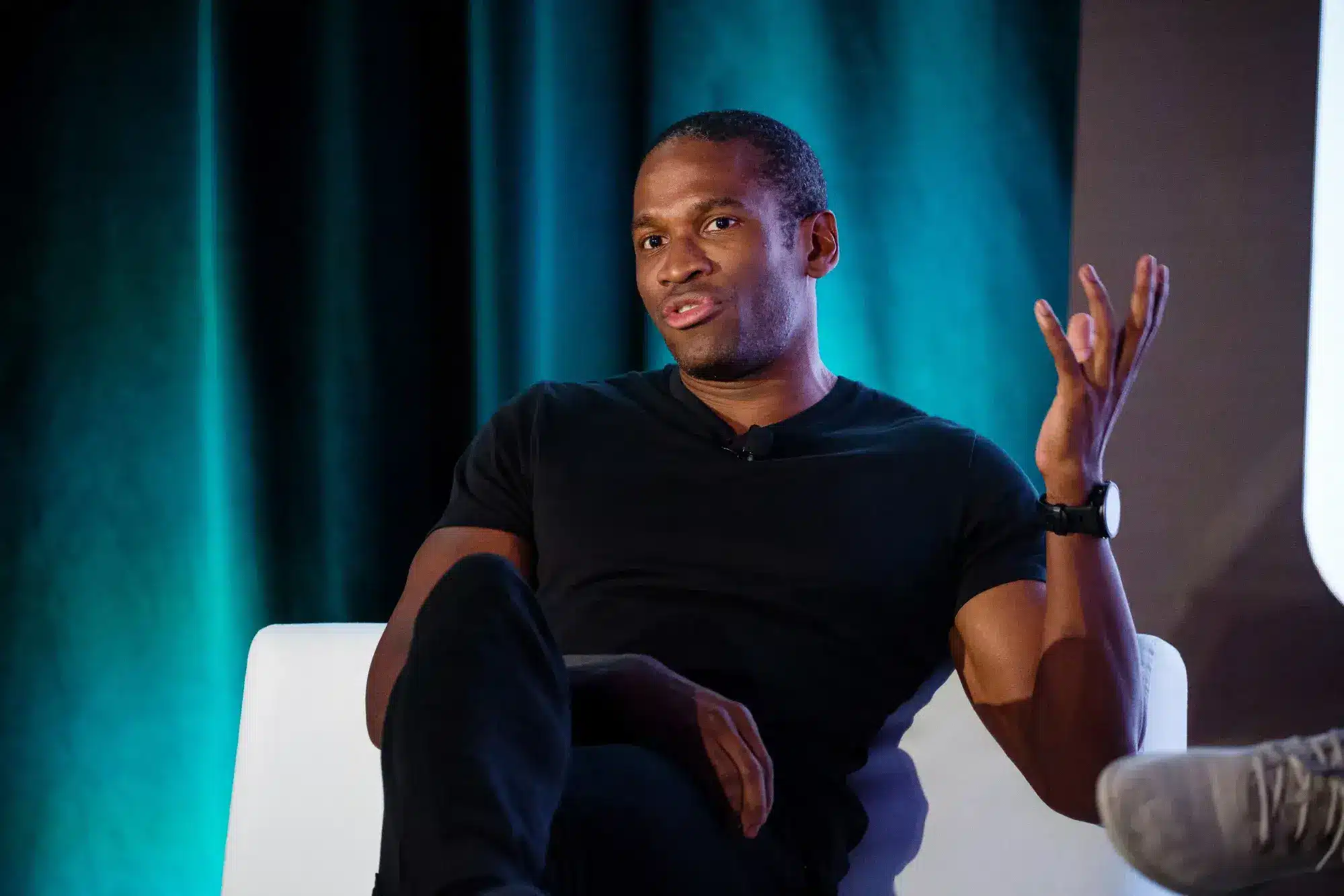
Arthur Britto is a prominent figure in the cryptocurrency industry, primarily recognized as one of the three co-founders of Ripple (formerly OpenCoin). Because he maintains a highly private professional profile, there is no verified public record of his exact net worth. His wealth is derived primarily from his early-stage equity in Ripple and his foundational contributions to the XRP Ledger, rather than public commercial ventures.
The Role of Arthur Britto in Blockchain History
To understand the financial standing of Arthur Britto, one must first examine his foundational role in the development of distributed ledger technology. In 2012, Britto joined forces with Chris Larsen and Jed McCaleb to establish OpenCoin, the company that would later be rebranded as Ripple Labs.
Unlike many contemporary tech entrepreneurs who prioritize a public persona, Britto has historically operated behind the scenes, focusing on the technical architecture of the XRP Ledger (XRPL). As an early architect, Britto played a pivotal role in designing the consensus protocol that powers the XRP ecosystem. His contributions were not limited to the early days; he remained deeply involved in the evolution of the network, ensuring that the ledger could handle high-throughput cross-border payments—a primary objective of the Ripple project.
The development of the XRPL was a significant technical milestone. At the time of its inception, most blockchain projects were following the Proof-of-Work (PoW) consensus mechanism popularized by Bitcoin. Britto and his co-founders recognized the inherent limitations of PoW regarding energy consumption and settlement speed. By creating a consensus algorithm that relied on a unique set of validators, the XRPL enabled near-instant transaction settlement. This technical differentiation is the bedrock upon which the entire Ripple ecosystem—and by extension, the financial value associated with its founders—was built.
Defining Net Worth in the Context of Private Founders
In the world of finance, "net worth" is defined as the total value of an individual’s assets minus their liabilities. For founders of private companies like Ripple, this calculation is notoriously difficult to verify. Unlike public company CEOs whose equity is documented in quarterly filings (10-K or 10-Q forms), the equity distribution of private firms is governed by confidential shareholder agreements.
For Arthur Britto, the primary asset is his stake in Ripple Labs. As one of the original co-founders, Britto holds a significant amount of equity. However, the value of that equity is not a liquid cash figure. It is tied to the valuation of the company during its various funding rounds and the broader market performance of the XRP asset. Because Ripple is a private entity, it does not have a daily stock market ticker that reflects its market capitalization. Instead, valuation is estimated by venture capital firms and secondary market investors based on the company's performance, revenue growth, and the regulatory environment surrounding digital assets.
Furthermore, the volatility of the crypto market complicates any estimation. While Bitcoin or Ethereum prices are easily tracked, the "wealth" of a founder in the blockchain space is often tied to large holdings of native tokens (XRP, in this instance). If a founder holds a substantial percentage of the total supply of a token, their "net worth" can shift by hundreds of millions of dollars in a single day, regardless of the company’s underlying business health. Because Britto has not disclosed his personal wallet holdings or his current equity percentage in the company, any figure cited by online "wealth trackers" is speculative and should be treated as such.
Comparative Analysis: Ripple Founders and Stakeholders
When evaluating the wealth potential within the Ripple ecosystem, it is helpful to look at the structure of the organization and its historical distribution. The following table illustrates the categories of assets typically associated with blockchain founders and how they compare to traditional corporate roles.
| Asset Category | Nature of Value | Liquidity | Relationship to Founder |
|---|---|---|---|
| Founder Equity | Ownership stake in Ripple Labs | Illiquid (Private) | Represents long-term business value |
| Native Token Holdings | XRP held by the founder | High (Market dependent) | Directly tied to crypto market volatility |
| Intellectual Property | Patents and technical design | Non-monetary/Intangible | Drives company valuation |
| Investment Portfolio | Secondary crypto or tech holdings | Variable | Diversification of individual wealth |
This comparison highlights that for an individual like Arthur Britto, the primary driver of net worth is not a standard salary, but the appreciation of the Ripple ecosystem. As the company has matured into a global enterprise focusing on cross-border payment solutions for banks and financial institutions, the underlying value of the firm has theoretically increased. However, the regulatory status of XRP—specifically its classification in various jurisdictions—has frequently influenced the perceived value of these holdings.
The Impact of Regulatory Scrutiny on Asset Valuation
One cannot discuss the wealth associated with the founders of Ripple without addressing the legal landscape. Since 2020, Ripple Labs has been the subject of intensive regulatory scrutiny, primarily concerning whether the sale of XRP constitutes an unregistered securities offering.
This regulatory environment has had a direct impact on the "market value" of the founders' assets. During periods of high legal uncertainty, institutional adoption of Ripple’s technology (such as On-Demand Liquidity, now referred to as Ripple Payments) was occasionally slowed as financial institutions waited for legal clarity. Since the current year is 2026, the industry has seen years of developments in these legal battles. The resolution or ongoing management of these legal matters is the primary factor influencing the company's valuation.
For an individual like Arthur Britto, this means that even if his nominal ownership stake remains consistent, his effective net worth is subject to the macro-legal environment of the blockchain industry. Investors and market analysts often discount the net worth of crypto founders during periods of legal instability, reflecting the risk that regulatory action could impact the company’s ability to operate or the liquidity of the XRP token itself.
Distinguishing Between Public Speculation and Private Reality
Internet search results for "Arthur Britto net worth" often lead to speculative aggregation sites that use automated algorithms to "guess" the wealth of high-profile individuals. These sites typically base their numbers on:
- Historical token supply distribution at the time of Ripple’s founding.
- Hypothetical exit valuations of Ripple Labs.
- General industry trends.
These metrics are inherently flawed for several reasons. First, they assume that early founders have maintained their initial percentage of holdings. In reality, founders often divest portions of their equity or tokens over time to fund personal projects, diversify investments, or cover tax liabilities. Second, these platforms do not have access to private financial disclosures. Third, they ignore the tax implications and lock-up periods that often govern the assets of founders in private, high-growth technology companies.
Because Arthur Britto has maintained a low public profile, he has not engaged in the "wealth signaling" common among other figures in the tech space. He is rarely mentioned in mainstream financial press lists, and he has not confirmed any philanthropic pledges or public luxury asset acquisitions that would provide a baseline for calculating personal net worth. Therefore, the most accurate professional assessment is that while his contributions to technology have been massive, his personal wealth remains a private matter, shielded from public data verification.
Frequently Asked Questions
Who is Arthur Britto? Arthur Britto is a computer programmer and entrepreneur best known as one of the three original co-founders of Ripple. He was instrumental in designing the XRP Ledger, specifically focusing on the consensus mechanism that allows the network to process transactions efficiently without the energy requirements of Proof-of-Work systems.
Is Arthur Britto the richest person in the crypto industry? There is no evidence to support this. Because Arthur Britto’s financial holdings are private, he does not appear on any verified lists of the world's wealthiest individuals. Comparisons to other crypto founders are based on speculation rather than audited financial data.
How is the wealth of a Ripple founder calculated? Wealth in this context is typically estimated by combining a founder’s estimated equity percentage in Ripple Labs with their holdings of the XRP token. However, since both the company valuation and the token price are subject to market and regulatory forces, these calculations remain estimates rather than established facts.
Why is there so little information about Arthur Britto’s finances? Arthur Britto is a private individual who has focused his career on the technical architecture of blockchain rather than public-facing executive roles or social media presence. He has not made his personal finances public, nor is he required to do so by any financial regulatory body.
What impact does the XRP Ledger have on the valuation of founders' assets? The XRP Ledger is the primary product of the Ripple ecosystem. As the utility of the ledger grows—through its use in global remittance and liquidity management—the overall valuation of Ripple Labs and the demand for XRP can increase, which in turn influences the potential net worth of its early founders.
Next Steps for Evaluating Tech Founder Wealth
If you are researching the wealth of blockchain founders for investment or journalistic purposes, it is essential to distinguish between verifiable facts and conjecture.
- Focus on SEC and Regulatory Filings: When researching companies like Ripple, look for public documents released during legal proceedings or if the company chooses to become a publicly traded entity.
- Understand Market Capitalization vs. Net Worth: Remember that market capitalization is not equal to personal wealth. Founders rarely liquidate their entire position; their "wealth" is often theoretical until a liquidity event occurs.
- Prioritize Primary Sources: Treat information from "celebrity net worth" aggregator websites with extreme caution. These sites often use standard templates and provide no evidence for their figures.
- Consider Industry Maturity: As the blockchain industry matures toward 2026, many early-stage assets have become more integrated into traditional financial systems. Look for analysis from established financial news outlets that cite proprietary data or legal disclosures.
By focusing on the technical and structural reality of the Ripple ecosystem, one can understand the significance of Arthur Britto’s work without relying on unfounded figures regarding his personal fortune. His legacy is defined by his contributions to the technical framework of modern distributed ledger technology, which remains his most verifiable and impactful asset.