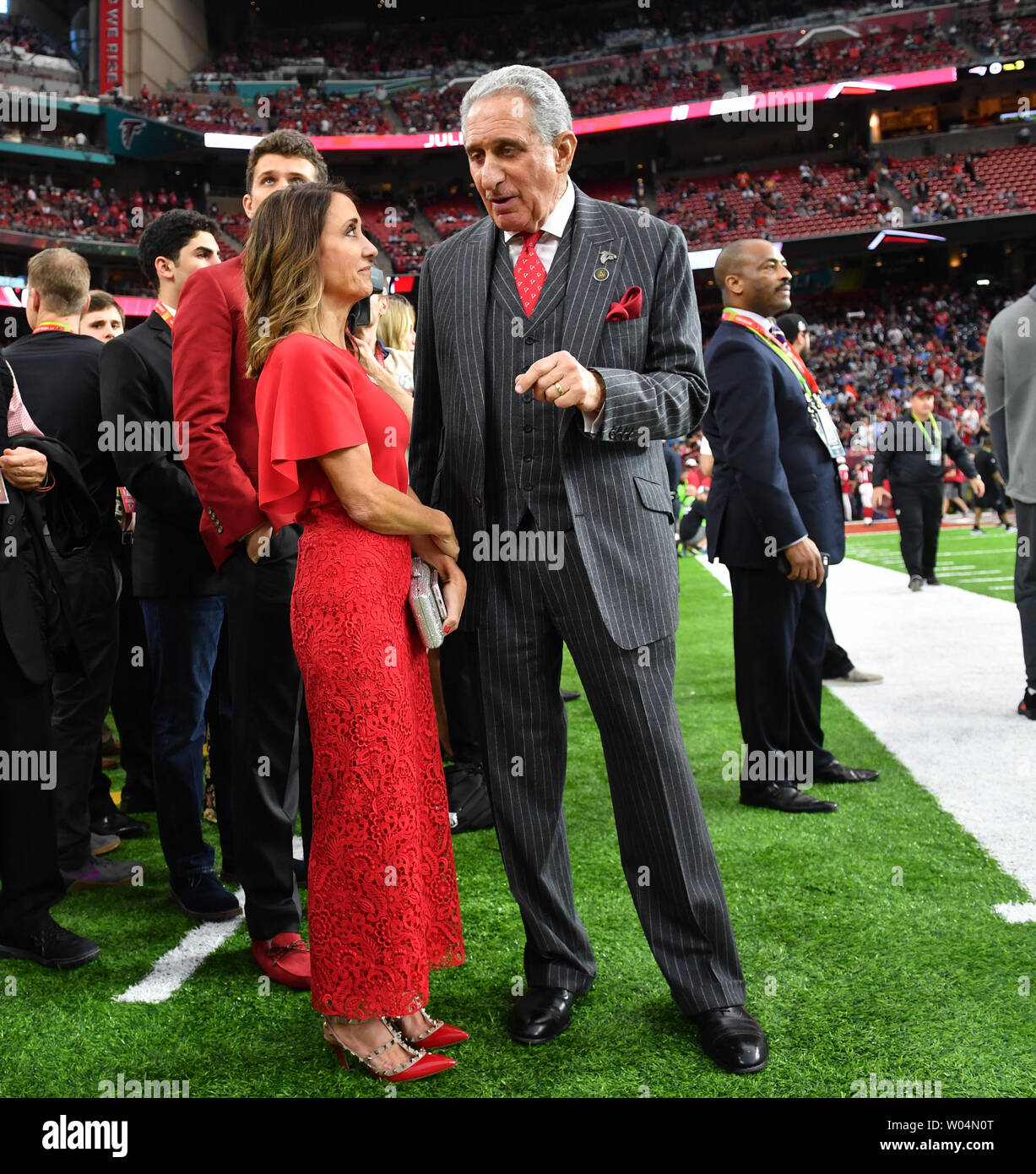
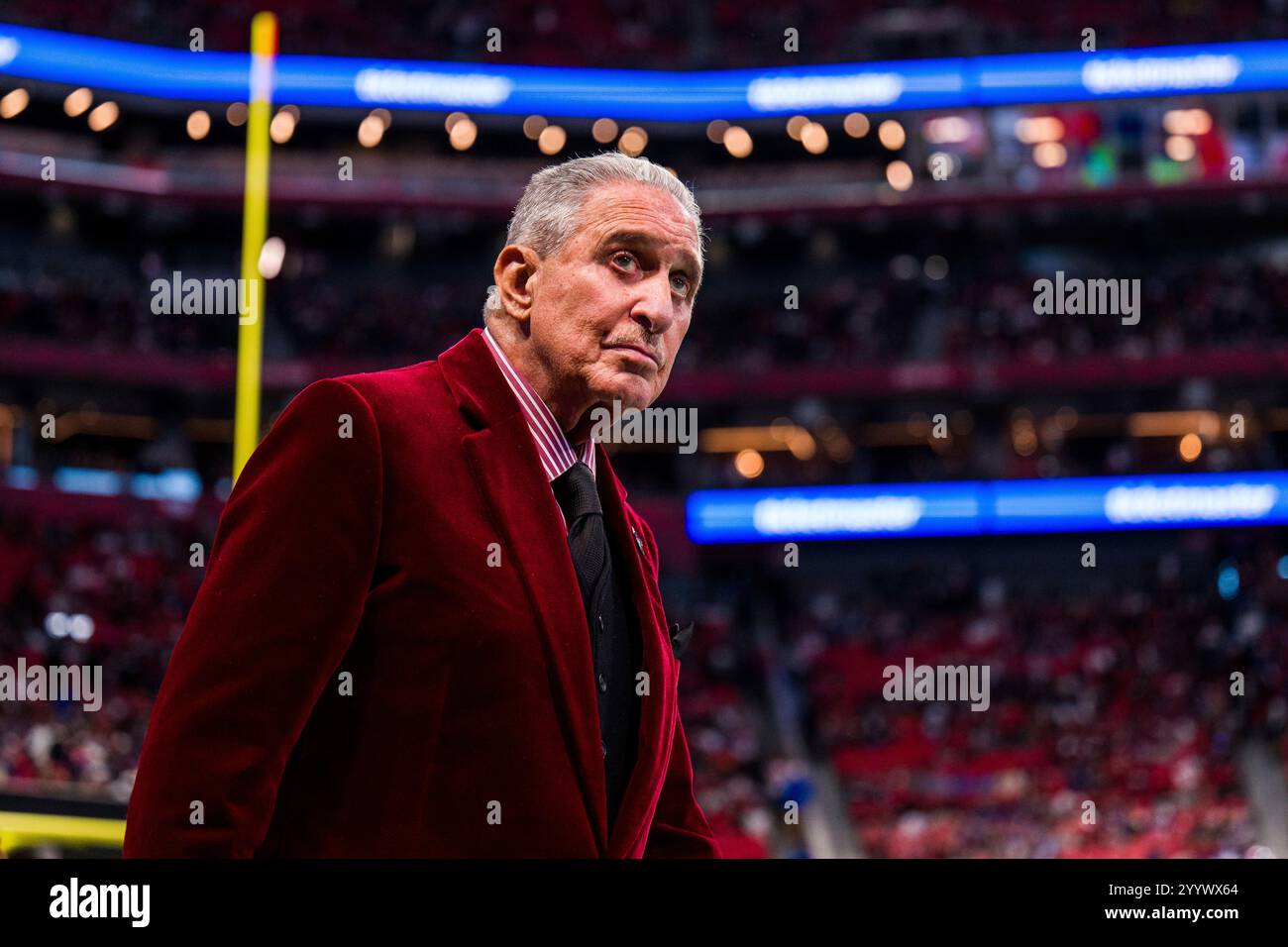
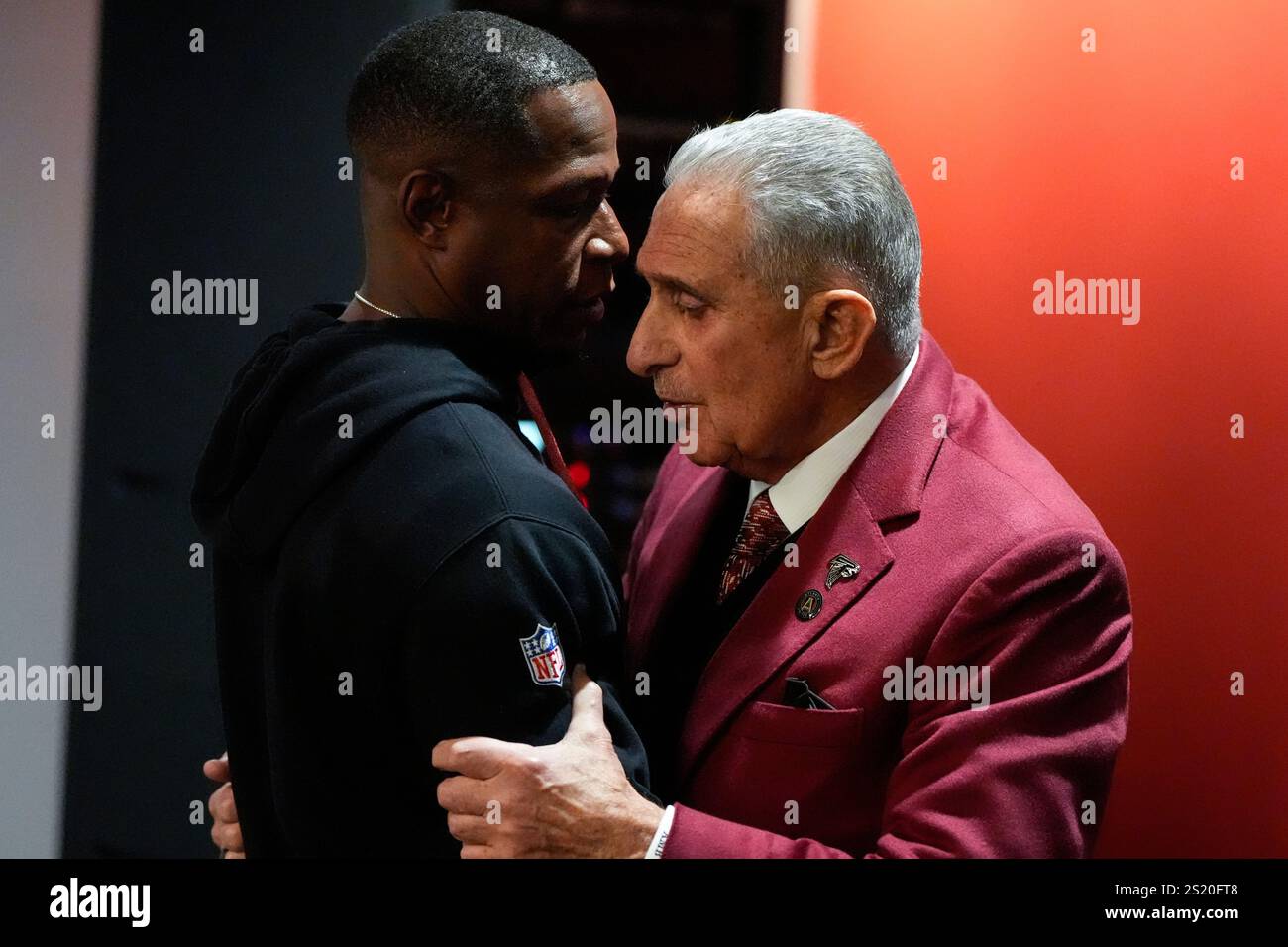
Arthur Blank serves as the owner and chairman of the Atlanta Falcons, a franchise in the National Football League (NFL) that he purchased in 2002. Since acquiring the team from Taylor Smith, Blank has transformed the organization’s operational culture, spearheaded the development of Mercedes-Benz Stadium, and integrated the franchise into a broader ecosystem of sports, entertainment, and philanthropic initiatives under the AMB Sports and Entertainment (AMBSE) umbrella.
The Acquisition of the Atlanta Falcons
In February 2002, Arthur Blank purchased the Atlanta Falcons for $545 million. At the time, this transaction represented a significant investment in a professional sports franchise, marking a transition from Blank’s career as the co-founder of The Home Depot to that of a full-time sports executive. Blank’s arrival signaled a shift in the team’s ownership philosophy, focusing on creating a fan-centric environment and fostering long-term stability within the National Football League.
When Blank assumed control, the franchise faced challenges regarding stadium facilities and team performance. Over the ensuing two decades, his tenure has been characterized by consistent efforts to modernize the team's approach to player development, fan engagement, and community involvement. The transition from the Georgia Dome to a state-of-the-art facility remains one of the defining chapters of his ownership, reflecting a commitment to the Atlanta market and the NFL’s evolving standards for stadium infrastructure.
AMB Sports and Entertainment (AMBSE)
The Atlanta Falcons operate under the corporate structure of AMB Sports and Entertainment (AMBSE). This entity serves as the parent organization for Blank’s professional sports holdings. Beyond the Falcons, AMBSE oversees the operations of Atlanta United FC, the Major League Soccer (MLS) team founded by Blank, as well as the management of Mercedes-Benz Stadium.
By centralizing these assets under a single operational umbrella, Blank has created efficiencies in management, marketing, and stadium operations. The synergies between the Falcons and Atlanta United, in particular, have allowed for a shared approach to venue utilization and fan experience technology. This structure reflects a modern approach to professional sports ownership, where the stadium serves as a multi-use hub rather than a venue dedicated solely to one team’s seasonal schedule.
Mercedes-Benz Stadium: A Landmark Development
The construction and opening of Mercedes-Benz Stadium in 2017 stand as perhaps the most significant logistical and capital investment under Arthur Blank’s ownership. Replacing the aging Georgia Dome, the stadium was designed to serve as a high-tech, multi-purpose venue capable of hosting the NFL, MLS, major international soccer matches, the Super Bowl, and the College Football Playoff National Championship.
Key features of the stadium development include:
- The Halo Board: A circular, 360-degree LED screen that provides high-definition views from every seat.
- Retractable Roof: An innovative, eight-panel "aperture" design that allows the stadium to transition between indoor and outdoor environments.
- Affordability Initiatives: Blank famously instituted a "fan-first" pricing model, significantly reducing the cost of traditional stadium food and beverage items to improve the experience for attendees.
- Sustainability: The venue achieved LEED Platinum certification, reflecting a commitment to environmental efficiency.
The stadium serves as a cornerstone of the Falcons' business operations, providing a platform that keeps the organization competitive in the NFL’s revenue-sharing landscape while solidifying its place in the downtown Atlanta landscape.
Cultural and Operational Philosophy
Arthur Blank’s leadership style is frequently defined by the "values-based" approach he brought from his tenure at The Home Depot. This philosophy emphasizes the treatment of associates (employees) and fans as core stakeholders in the success of the business. Within the Falcons organization, this has manifested in various community programs, such as the Arthur M. Blank Family Foundation, which directs significant capital toward youth development, social justice, and environmental causes in Atlanta and beyond.
For the football operations side, the philosophy involves striking a balance between long-term strategic planning and the inherent volatility of professional sports. While the team has experienced various cycles of competitive performance, the ownership's approach has been to provide the resources necessary for competitive scouting, analytics integration, and high-performance training environments.
Comparison of Key Ownership Milestones
| Milestone | Year | Significance |
|---|---|---|
| Purchase of Falcons | 2002 | Entry into professional sports ownership. |
| Founding of Atlanta United FC | 2014 | Expansion into the Major League Soccer market. |
| Mercedes-Benz Stadium Opening | 2017 | New era of stadium technology and fan experience. |
| Super Bowl LIII Hosting | 2019 | Global visibility for the venue and organization. |
The Relationship Between Ownership and Coaching/Personnel
In the NFL, the relationship between an owner and the head coach or general manager is critical to the franchise's trajectory. Arthur Blank has historically maintained an involved but professional distance, often delegating personnel decisions to the general manager while remaining active in setting the organizational culture.
The structure of the organization focuses on data-driven decision-making. Over recent years, the Falcons have expanded their investment in advanced analytics to assist with draft evaluation and game-day strategy. This investment is consistent with Blank’s broader history of utilizing data to streamline business operations, now applied to the technical aspects of football management.
Frequently Asked Questions
Who currently owns the Atlanta Falcons? Arthur Blank is the primary owner and chairman of the Atlanta Falcons. He acquired the team in 2002 and continues to oversee the franchise as part of the AMB Sports and Entertainment group.
Is Arthur Blank the founder of The Home Depot? Yes, Arthur Blank co-founded The Home Depot in 1978 alongside Bernie Marcus. His success with the company provided the capital and leadership experience that informed his later transition into professional sports ownership.
Does Arthur Blank own other sports teams? Yes. Through AMB Sports and Entertainment, he also owns Atlanta United FC, which competes in Major League Soccer (MLS). Additionally, he holds a significant stake in PGA Tour Superstore.
What is the "fan-first" pricing policy at Mercedes-Benz Stadium? Introduced by Arthur Blank, this policy lowered the price of popular concessions, such as hot dogs, sodas, and pizza, to levels significantly below the industry average for NFL stadiums. The goal was to increase attendee satisfaction and reduce the financial barrier to purchasing food inside the stadium.
How does Arthur Blank’s foundation integrate with the Falcons? The Arthur M. Blank Family Foundation works in conjunction with the Falcons and Atlanta United to support community initiatives. This includes funding for health centers, parks, and educational programs in Atlanta, leveraging the platform of professional sports to drive positive social impact.
Conclusion and Next Steps for Fans
Arthur Blank’s ownership of the Atlanta Falcons has fundamentally reshaped the organization from a business and community perspective. For fans and observers tracking the franchise in 2026, the focus remains on the continued evolution of the team’s performance on the field and the integration of new technologies at Mercedes-Benz Stadium.
Those looking for official information regarding game schedules, tickets, or community outreach programs should visit the official Atlanta Falcons website, which serves as the primary portal for all team-related announcements. Fans interested in the operational side of the team may also monitor the news feeds from AMB Sports and Entertainment for updates on facility upgrades or organizational shifts that impact the overall fan experience.