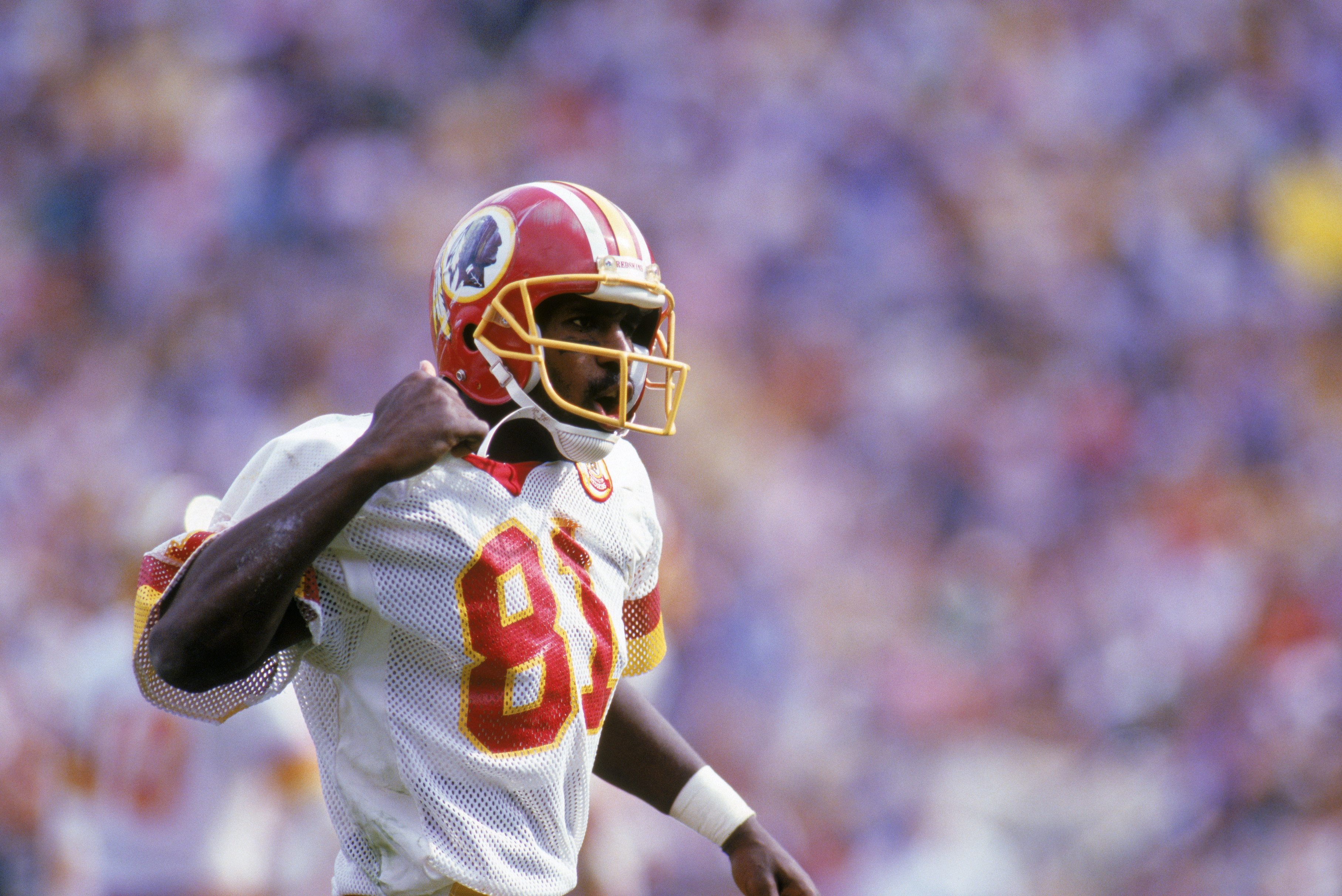
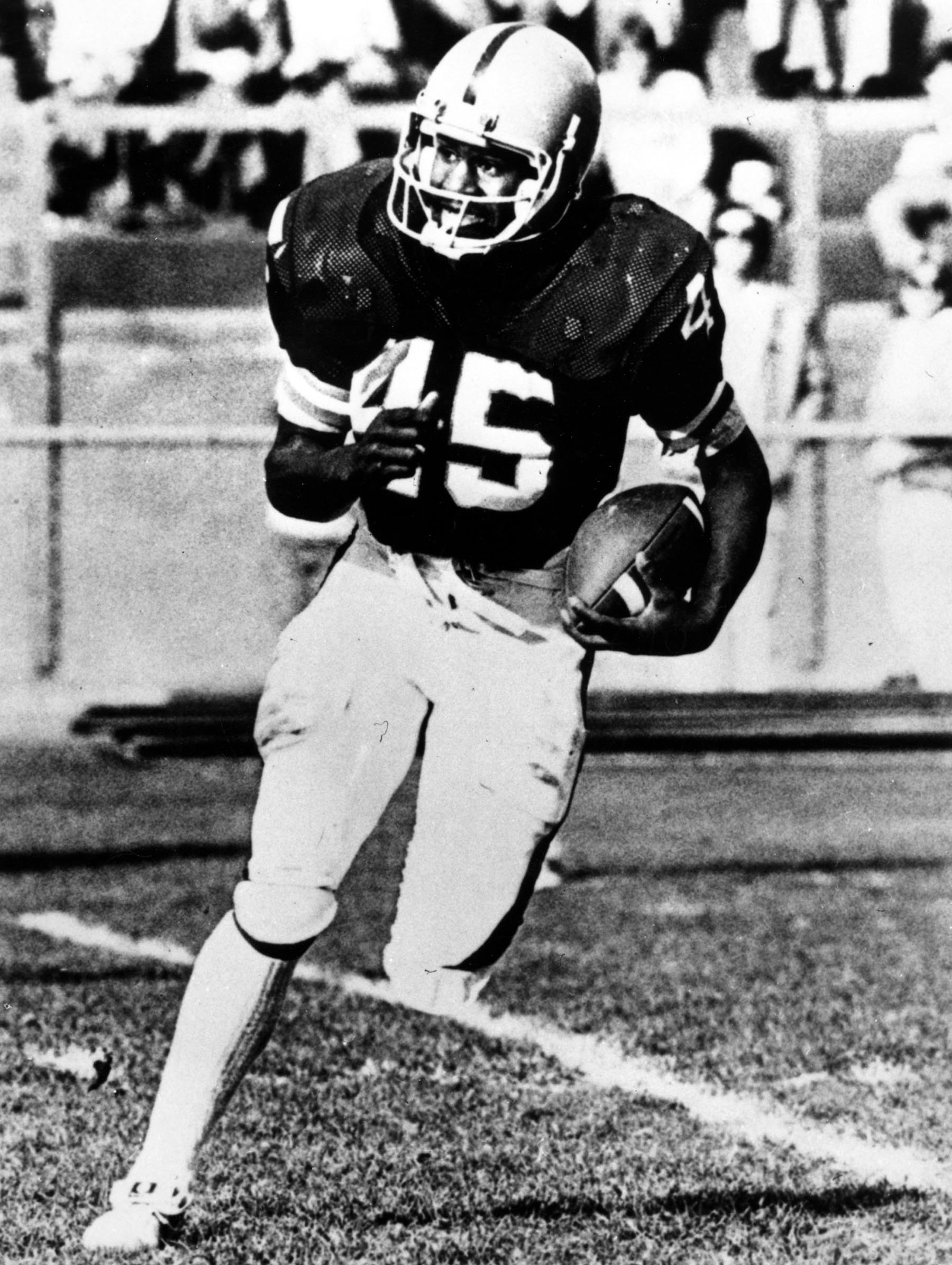
Art Monk stands as one of the most prolific and consistent wide receivers in National Football League history, defining the possession receiver archetype during his tenure with the Washington Redskins from 1980 to 1993. His career, highlighted by three Super Bowl championships and a place in the Pro Football Hall of Fame, remains a benchmark for sustained production and professional discipline.
The Early Years and Draft Pedigree
Art Monk’s journey to the NFL began at Syracuse University, where he established himself as a versatile offensive threat. His collegiate performance earned him the attention of professional scouts, leading to his selection by the Washington Redskins as the 18th overall pick in the 1980 NFL Draft. At the time, Washington was looking for a cornerstone piece to anchor their offense under the impending regime of Joe Gibbs.
Monk entered the league during a transitional period for passing attacks. While the "Air Coryell" and other high-octane passing systems were gaining traction, the Redskins utilized a balanced approach that relied heavily on Monk’s ability to find soft spots in zone defenses and provide reliable yardage on third downs. His transition to the professional level was immediate; he recorded 58 receptions in his rookie season, signaling the beginning of a historic tenure.
Defining the "Possession Receiver" Archetype
In the modern 2026 NFL landscape, wide receivers are often evaluated by explosive plays and deep-threat capability. However, Art Monk’s career was defined by his reliability as a possession receiver. His capacity to catch passes in traffic, maintain focus despite incoming hits, and consistently move the chains made him the most trusted target for quarterbacks Joe Theismann, Doug Williams, and Mark Rypien.
Monk’s statistical consistency became his trademark. In 1984, he set an NFL record at the time by catching 106 passes in a single season. This performance did not merely reflect individual talent; it demonstrated his endurance and the level of trust his coaches placed in his route running. Unlike "flash" receivers who relied on pure speed to beat cornerbacks, Monk utilized precise footwork and an intuitive understanding of defensive schemes to remain open, regardless of the coverage scheme employed by opposing coordinators.
Statistical Milestones and Historical Context
To understand Art Monk’s impact, one must look at his standing within the league’s record books at the time of his retirement. He was the first player in NFL history to surpass 900 career receptions and the first to record 800 catches with a single team. Throughout the 1980s and into the early 1990s, Monk was a constant, providing a safety valve that allowed Washington to maintain high-level offensive production.
Notable Career Achievements
| Milestone | Achievement | Significance |
|---|---|---|
| 1984 Season | 106 Receptions | First player in NFL history to break the century mark |
| Super Bowl XVII, XXII, XXVI | Three-time Champion | Integral contributor to Washington's championship era |
| Career Totals | 940 Receptions | Retired as the league’s all-time leading receiver |
| Hall of Fame | Class of 2008 | Recognition of his enduring impact on the game |
These numbers are not just cold statistics; they represent a level of longevity that was rare for the era. Because the NFL of the 1980s was significantly more physical, with defensive backs permitted to make more aggressive contact with receivers downfield, Monk’s ability to stay healthy and productive for 14 seasons with the same franchise is a testament to his physical conditioning and mental approach to the game.
The Mechanics of Longevity
One of the most frequent questions regarding Monk’s career involves his durability. Playing through the 1980s and early 1990s meant navigating a landscape before the current player-safety regulations of 2026. Receivers were often forced to endure significant punishment over the middle of the field.
Monk’s approach was rooted in preparation. He maintained a training regimen that emphasized core strength and flexibility, allowing him to absorb hits and recover quickly. Tactically, he was a student of the game, often identifying defensive shifts before the snap. This high football IQ allowed him to play a cerebral game, minimizing unnecessary contact while maximizing his efficiency. His discipline served as the blueprint for younger receivers joining the Washington franchise throughout his career, cementing his status as a leader in the locker room.
Challenges and Hall of Fame Recognition
Despite his impressive statistics, Art Monk’s road to the Pro Football Hall of Fame was surprisingly contentious. For several years following his retirement, he remained eligible but was not inducted. Debate swirled in sports media regarding the perceived lack of "big plays" or highlight-reel moments compared to contemporaries like Jerry Rice or Michael Irvin.
This debate underscored a fundamental misunderstanding of Monk’s role. His value was never derived from the long, singular explosive play, but from the cumulative effect of his contribution to winning games. It was not until 2008 that he was finally enshrined in Canton, Ohio. His induction serves as an important lesson for analysts and fans: player evaluation must account for role-specific expectations and the value of consistent, high-percentage execution in high-stakes environments.
Modern Relevance and Legacy
In 2026, the NFL has evolved into a league dominated by spread offenses and specialized roles. Yet, the principles that defined Art Monk’s game—precision, reliability, and situational awareness—remain the foundational requirements for any successful NFL receiver. Coaches still look for the "go-to" player who can secure the ball on a critical third-down conversion, a role that Monk perfected.
His legacy also extends to the Washington franchise itself. He remains a pillar of the team's golden era, representing the grit and professionalism that characterized the Joe Gibbs-led squads. For fans and historians alike, Monk serves as the primary example of how a player can become legendary not through individual flair, but through a total commitment to team success and sustained excellence over more than a decade of play.
Frequently Asked Questions
Why is Art Monk considered one of the greatest receivers if he didn't have as many touchdowns as other Hall of Famers?
Monk’s greatness is measured by his role as a possession receiver. His primary responsibility was moving the chains and sustaining drives for his team. His high volume of receptions and total yardage demonstrate his effectiveness in keeping his offense on the field, which was the strategic focus of the Washington offense during his career.
How did Art Monk change the way wide receivers were evaluated?
His career forced the football community to recognize the value of consistency over flash. By becoming the league's all-time leader in receptions at the time of his retirement, he proved that a receiver who can consistently catch 80 to 100 passes per season provides more overall value than a deep threat who relies on infrequent, high-risk plays.
Did Art Monk play for any other teams besides the Washington Redskins?
While Monk spent the vast majority of his career in Washington, he played his final two seasons with the New York Jets (1994) and the Philadelphia Eagles (1995). However, his legacy is overwhelmingly tied to his 14-year tenure in Washington, where he won three Super Bowls.
What made his 1984 season so significant?
In 1984, Monk set a new NFL single-season record with 106 receptions. At the time, this shattered the previous mark and signaled a shift in how passing games were constructed, proving that a single receiver could be the focal point of an entire offensive philosophy.
Is Art Monk still involved with the NFL in 2026?
Art Monk has remained largely focused on business and community endeavors since retiring. He serves as an ambassador for the game and is frequently cited by current players and coaches as a historical example of the professional standard for wide receivers.
What is the most important lesson from his career?
The most enduring lesson is the power of consistency. Monk’s career highlights that sustained excellence requires not just physical talent, but an obsession with fundamental skills—catching the ball in traffic, running precise routes, and understanding defensive alignments—that hold up under the pressure of professional competition.