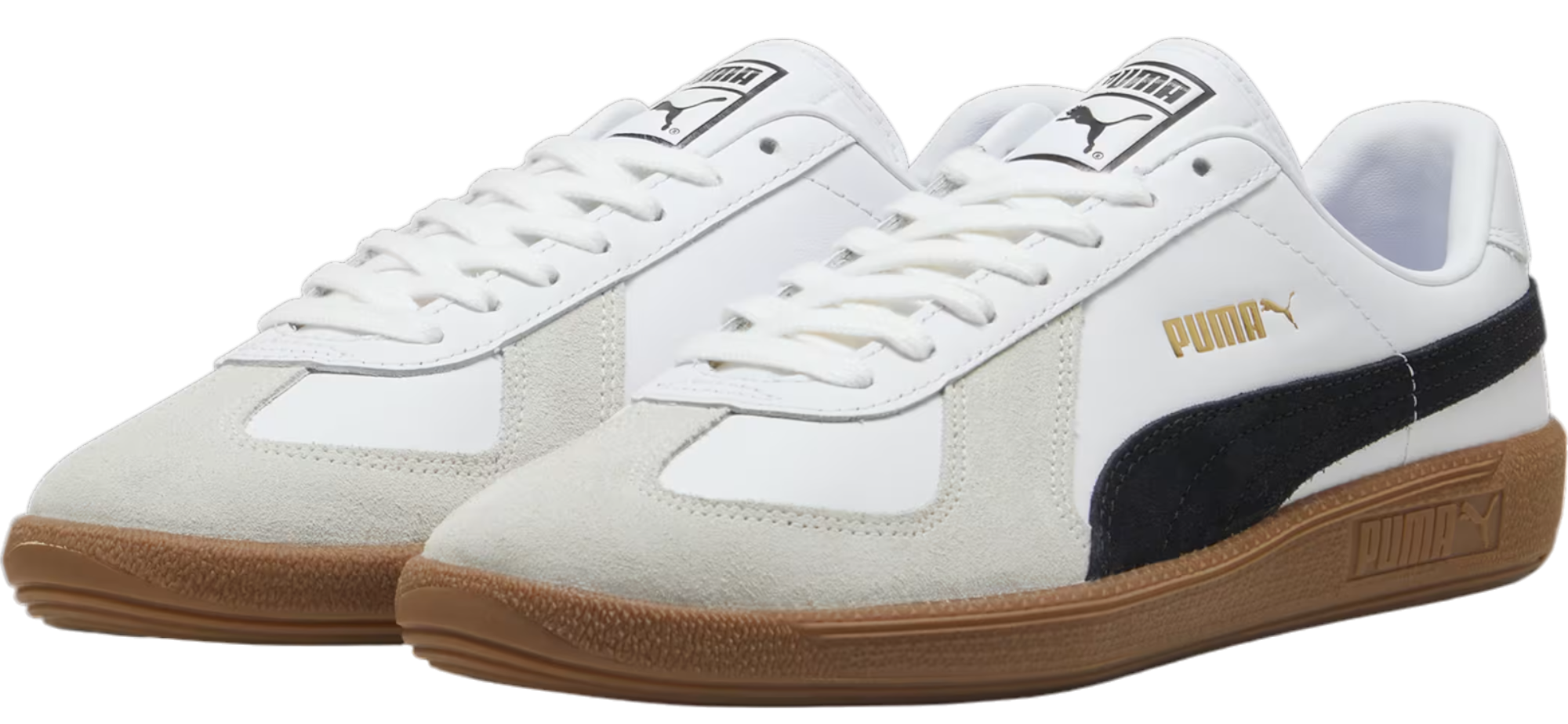
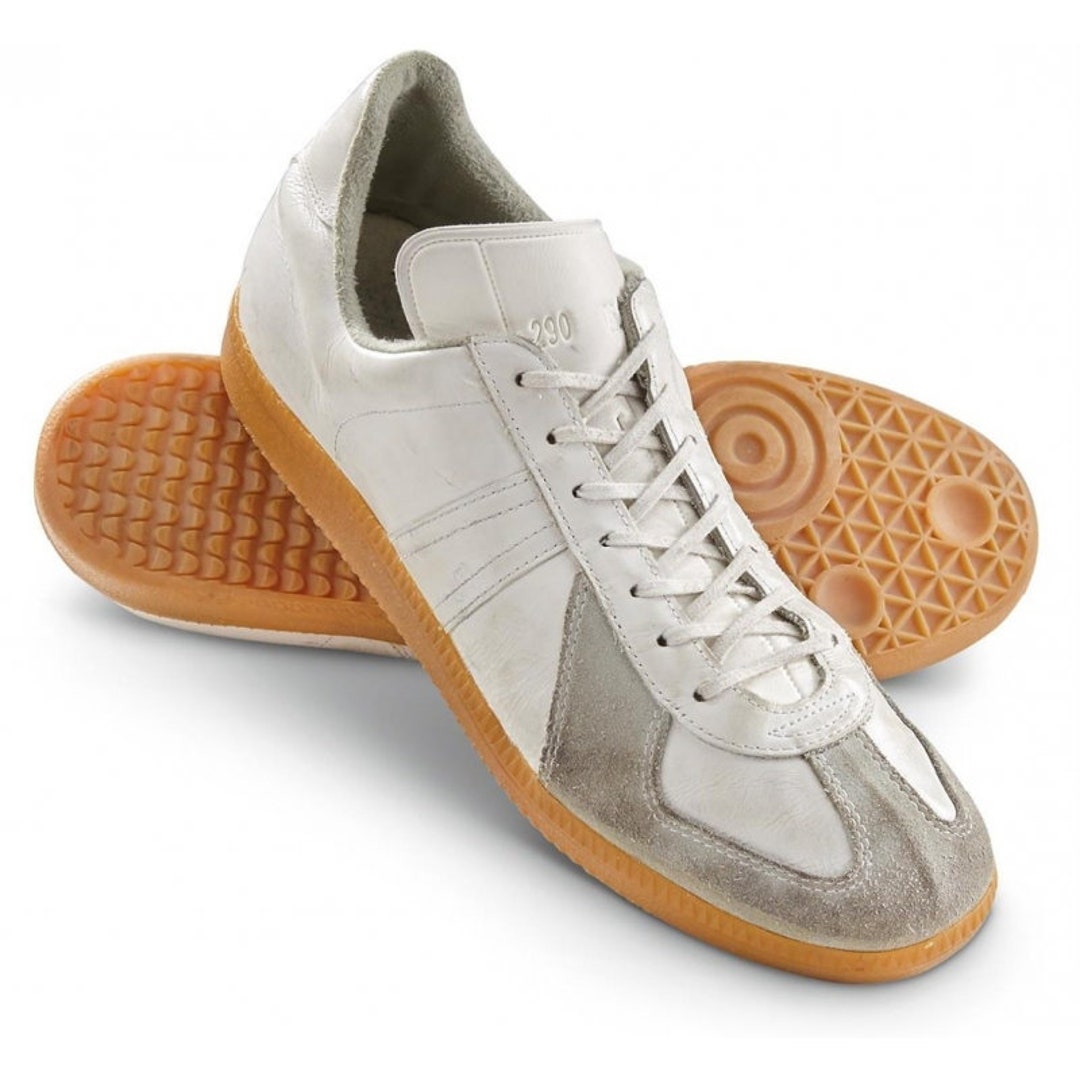
Army trainer shoes, most notably the German Army Trainer (GAT), are versatile athletic footwear originally designed for military indoor training. Characterized by gum soles, leather uppers, and suede reinforcements, they have transitioned from functional government-issue gear to iconic staples in contemporary fashion and high-performance tactical training.
The Evolution of the Military Trainer
The history of army trainer shoes is a narrative of functional necessity meeting industrial competition. While many nations issued athletic footwear to their troops, the German Army Trainer (GAT) or Bundeswehr Sportschuhe stands as the definitive blueprint for the category. Developed in the 1970s and 1980s, these shoes were designed for the West German federal defense force. The primary goal was to provide a durable, non-marking indoor shoe for soldiers' physical training (PT) requirements.
The origin of the GAT is famously shrouded in a corporate rivalry between the two Dassler brothers—Adi (Adidas) and Rudolf (Puma). Historical records suggest that while Puma may have designed the original prototype in the late 1970s, Adidas secured the primary manufacturing contract during the 1980s. When the Cold War ended and the Berlin Wall fell, the German military significantly downsized, leading to hundreds of thousands of pairs entering the European surplus market. This surplus influx in the 1990s and early 2000s allowed civilians to access high-quality, utilitarian footwear at a fraction of the cost of commercial brands, cementing the "army trainer" aesthetic in the global consciousness.
By 2026, the army trainer has moved far beyond the barracks. It now exists in three distinct tiers: authentic vintage surplus, faithful commercial reproductions, and high-fashion luxury interpretations. Each tier maintains the core silhouette—a streamlined profile, a distinctive T-toe overlay, and a gum rubber outsole—while adapting the materials for different price points and use cases.
Core Design and Technical Specifications
To understand the enduring popularity of army trainer shoes, one must examine the specific technical requirements mandated by military procurement officers. Unlike civilian footwear of the same era, which often prioritized branding and trend-heavy aesthetics, the army trainer was built for longevity, ease of maintenance, and multi-surface performance.
Material Composition
The standard army trainer utilizes a combination of full-grain leather and suede. The leather provides structural integrity and water resistance, while the suede "T-toe" serves a critical functional purpose: it reinforces the area most prone to abrasion during push-ups, running, and lateral movements.
- Upper Leather: Traditionally white or off-white bovine leather, selected for its ability to mold to the wearer's foot over time.
- Suede Overlays: Strategically placed at the toe box and sometimes the heel to prevent tearing and provide a textured surface for better durability in high-wear zones.
- Lining: Originally designed with a simple textile or thin leather lining to maximize breathability during rigorous exercise.
The Gum Rubber Outsole
The most recognizable feature of the army trainer is the honey-colored gum rubber sole. In the 1970s, military gymnasiums were typically outfitted with hardwood or synthetic indoor flooring. Standard black rubber soles often left unsightly scuff marks that were difficult to remove. Gum rubber was the solution—it provided exceptional grip (high coefficient of friction) without marking the floors. Furthermore, gum rubber is naturally resilient and offers a degree of "mechanical" cushioning that complements the thin foam midsoles used in vintage constructions.
Internal Support and Comfort
Vintage military trainers were minimalist by modern standards. They lacked the carbon plates or high-stack PEBAX foams found in 2026 performance runners. Instead, they relied on a simple EVA (ethylene-vinyl acetate) foam wedge or a drop-in midsole. This provides a "grounded" feel, which many modern athletes still prefer for weightlifting and stability-focused training.
Regional Variations in Army Training Footwear
While the German model is the most famous, other nations developed their own versions of the army trainer shoe, each reflecting national manufacturing strengths and the specific climate needs of their forces.
The British "Silver Shadow"
In the 1980s and 90s, the British Army frequently issued the Hi-Tec Silver Shadow. Unlike the leather-focused GAT, the Silver Shadow utilized a mix of suede and nylon mesh. It was a more dedicated running shoe than a general-purpose gym trainer. It became a cult classic in the UK, eventually influencing various "dad shoe" trends in the 2020s.
The American GI Trainer
The United States military has a long history of issuing athletic footwear, though it has frequently transitioned between contract manufacturers like New Balance, Saucony, and Reebok. Modern US Army Physical Fitness Uniform (APFU) guidelines often require "berry compliant" shoes (made in the USA). These trainers, such as the New Balance 950v2, focus heavily on motion control and shock absorption to prevent stress fractures during basic training.
Eastern Bloc and Soviet Trainers
The Soviet Union and its satellite states produced "Kedov" or simple canvas-and-rubber trainers. These were significantly more minimalist than their Western counterparts, often resembling early wrestling shoes or simple plimsolls. They were designed for extreme durability and ease of mass production, though they offered significantly less arch support.
Comparative Overview of Major Army Trainer Models (2026)
The following table compares the most prominent versions of army trainers currently available in the 2026 market, ranging from authentic military specs to luxury fashion.
| Model | Primary Material | Sole Type | Typical Use Case | Market Tier |
|---|---|---|---|---|
| BW Sportschuhe (Surplus) | Bovine Leather / Suede | Gum Rubber | Casual wear / Vintage collecting | Budget / Surplus |
| Adidas BW Army | Premium Leather / Suede | Gum Rubber | Lifestyle / Streetwear | Mid-Range |
| Maison Margiela "Replica" | Italian Calfskin / Lambskin | Vulcanized Gum | Luxury Fashion | High-End |
| New Balance 950v2 (US) | Synthetic Mesh / TPU | Vibram Rubber | Military PT / Heavy Running | Performance |
| Puma Army Trainer | Smooth Leather / Suede | Cupsole Rubber | Lifestyle / Heritage | Mid-Range |
| Reebok British Trainer | Nylon / Suede | Multi-lug Rubber | Trail running / Retro fitness | Performance-Heritage |
The Transition to High Fashion
The transformation of the army trainer from a utilitarian object to a luxury icon is largely credited to Belgian designer Martin Margiela. In the late 1990s, Margiela discovered a batch of surplus GATs and repurposed them for his runway show, merely stamping his brand's logo on the tongue and hand-painting some pairs.
This birthed the Maison Margiela "Replica" line, which remains a cornerstone of the brand in 2026. The high-fashion version maintains the exact dimensions of the 1970s original but swaps the military-grade bovine leather for ultra-soft Italian calfskin and lambskin linings. Following Margiela's success, other houses like Dior, under Hedi Slimane, and later brands like Saint Laurent, introduced their own iterations, proving that the minimalist, branding-free aesthetic of the army trainer was the perfect "blank canvas" for luxury.
Functional Benefits for Modern Training
Despite the influx of high-tech footwear in 2026, many athletes continue to choose army trainer-style shoes for specific types of physical training. The design offers several benefits that modern "super shoes" often lack.
Stability and Proprioception
The low stack height (the distance between the foot and the ground) of an army trainer provides excellent proprioception—the body's ability to sense its position in space. For movements like squats, deadlifts, and overhead presses, a flat, stable sole is far superior to a squishy, high-cushion running sole that can cause ankle instability.
Lateral Support
The leather construction of the upper provides more lateral containment than modern mesh. During "agility T-tests" or shuttle runs, the foot is less likely to slide over the edge of the sole, reducing the risk of rolled ankles.
Longevity and Value
A well-made leather army trainer can last years with proper care. Unlike synthetic runners that lose their "bounce" after 300–500 miles, the leather and rubber components of a GAT or similar trainer are physically robust. They can be cleaned easily with a damp cloth and leather conditioner, maintaining their appearance much longer than fabric-based sneakers.
Maintenance and Care for Leather Trainers
To preserve the lifespan of army trainers, especially those used for both training and lifestyle, a specific care regimen is recommended.
- Suede Protection: Before the first wear, apply a high-quality water and stain repellent to the suede T-toe. This prevents the light grey or tan suede from absorbing dirt and moisture.
- Leather Conditioning: Every few months, apply a clear leather conditioner to the smooth leather panels. This keeps the hide supple and prevents cracking at the flex points near the toes.
- Gum Sole Cleaning: Gum rubber can become "tacky" or pick up dark stains. A simple pencil eraser or a dedicated "suede stone" can often rub away surface marks from the gum outsole.
- Rotation: Do not wear the same pair of leather trainers two days in a row. Leather needs time to "breathe" and release the moisture absorbed from your feet to prevent bacterial growth and structural breakdown.
Frequently Asked Questions
Is there a difference between the Adidas and Puma versions of the original GAT?
While both companies likely produced versions for the West German military, the most common surplus pairs found today are attributed to Adidas designs. The primary difference lies in the internal branding (or lack thereof) and slight variations in the heel padding. By 2026, both brands offer commercial "tributes" that are very similar, though the Adidas BW Army is generally considered the "standard" commercial reproduction.
Why do most army trainers have a gum sole?
The gum sole was a functional requirement for indoor military gyms. Natural gum rubber provides superior grip on wooden and synthetic floors and is "non-marking," meaning it won't leave dark streaks during high-intensity training. It is also highly durable and resistant to temperature fluctuations.
Can I use army trainers for long-distance running?
Generally, no. Traditional army trainers like the GAT or the Margiela Replica lack the modern midsole cushioning and energy return required for high-mileage road running. They are better suited for "general purpose" training, which includes weightlifting, short sprints, and indoor calisthenics. For running, modern military-issue trainers like the New Balance 950v2 are much more appropriate.
How should army trainers fit?
Because they are made of leather and suede, they should fit snugly but not painfully. Leather will stretch and mold to the shape of your foot over the first 10–15 hours of wear. If they are too loose initially, they may become sloppy as the material breaks in.
Are authentic surplus army trainers still available in 2026?
Yes, though "deadstock" (unworn) vintage pairs from the 1980s are becoming increasingly rare and expensive. Most surplus available today consists of lightly used pairs or modern reproductions made by companies like Zeha Berlin or various military contractors that continue to produce the design for European defense forces.
Choosing the Right Army Trainer
When selecting an army trainer in 2026, consider your primary use case. If you require a shoe for heavy gym sessions and powerlifting, seek out authentic surplus or specialized reproductions with firm soles and thick leather. These will provide the lateral stability and flat base necessary for heavy loads.
If your interest is primarily aesthetic or lifestyle-oriented, the Adidas BW Army or Maison Margiela Replica offers a more refined finish and better out-of-the-box comfort. For those who prioritize modern athletic performance but still want a military-inspired look, look toward the latest offerings from New Balance or Reebok’s tactical divisions, which integrate modern foam technology with military-grade durability.
Regardless of the version you choose, the army trainer remains a testament to the idea that true functional design is timeless. Its transition from the cold gym floors of the Bundeswehr to the high-fashion runways of Paris and Milan confirms its status as one of the most successful footwear silhouettes in history.