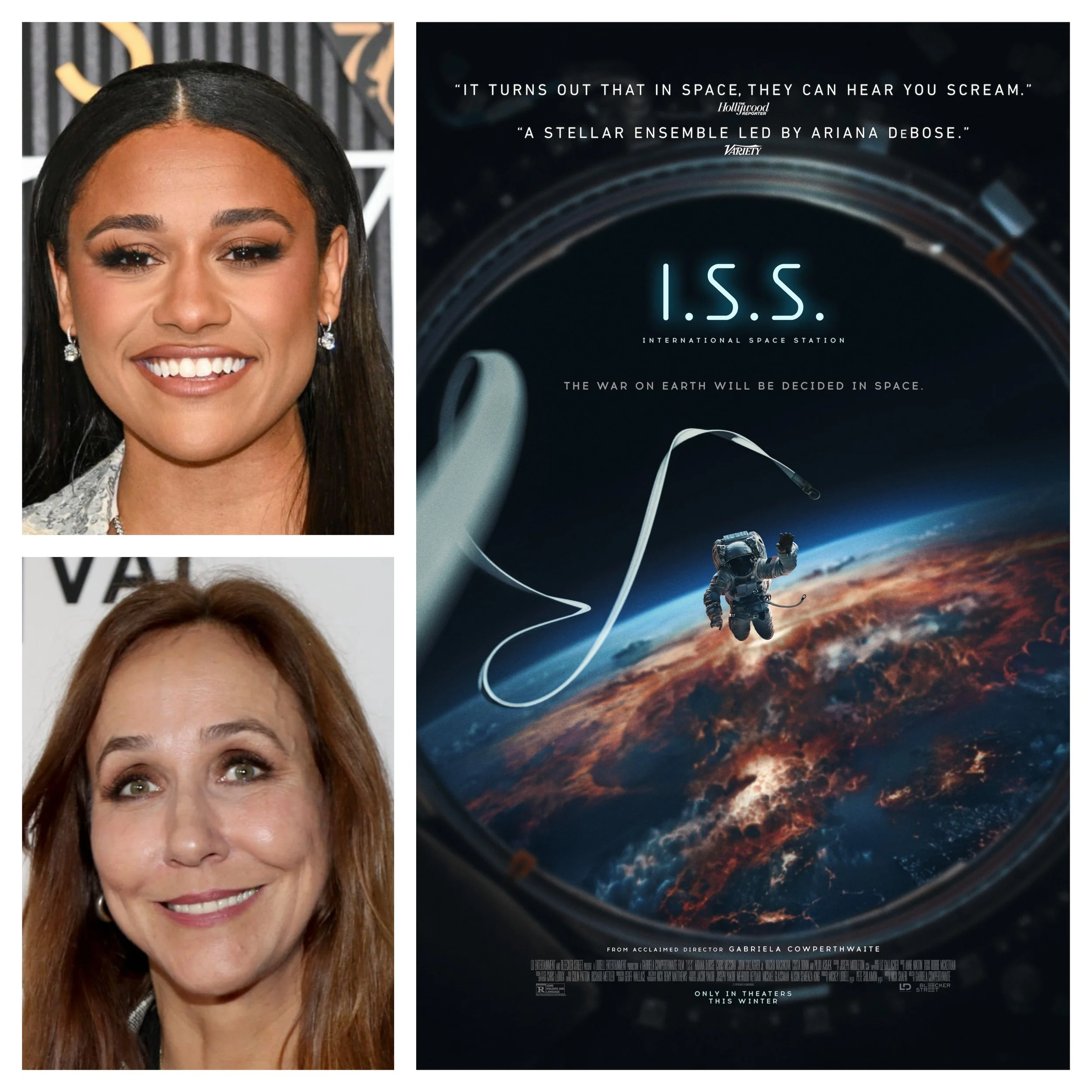
Ariana DeBose stars in I.S.S., a tense science-fiction thriller set aboard the International Space Station where a geopolitical crisis on Earth plunges American and Russian astronauts into a high-stakes psychological battle for survival. Directed by Gabriela Cowperthwaite and written by Nick Shafir, the film explores what happens when long-standing international cooperation in orbit shatters under the sudden weight of global nuclear war.
Introduction to I.S.S. and Its Premise
The 2024 science-fiction thriller I.S.S. presents a claustrophobic, high-tension scenario that tests the limits of human morality, scientific camaraderie, and national loyalty. Set entirely within the microgravity environment of the International Space Station, the film opens as a routine scientific mission for a mixed crew of American and Russian researchers. Life aboard the station is depicted with an emphasis on the quiet routines of scientific inquiry, shared meals, and the fragile harmony of international space exploration.
This fragile peace is abruptly shattered when the crew notices massive, coordinated explosions breaking out across the continents below. As Earth goes dark beneath them, communication with mission control in Houston and Moscow fails entirely. Shortly after, both the American and Russian contingents receive simultaneous, classified orders from their respective governments: take control of the space station by any means necessary.
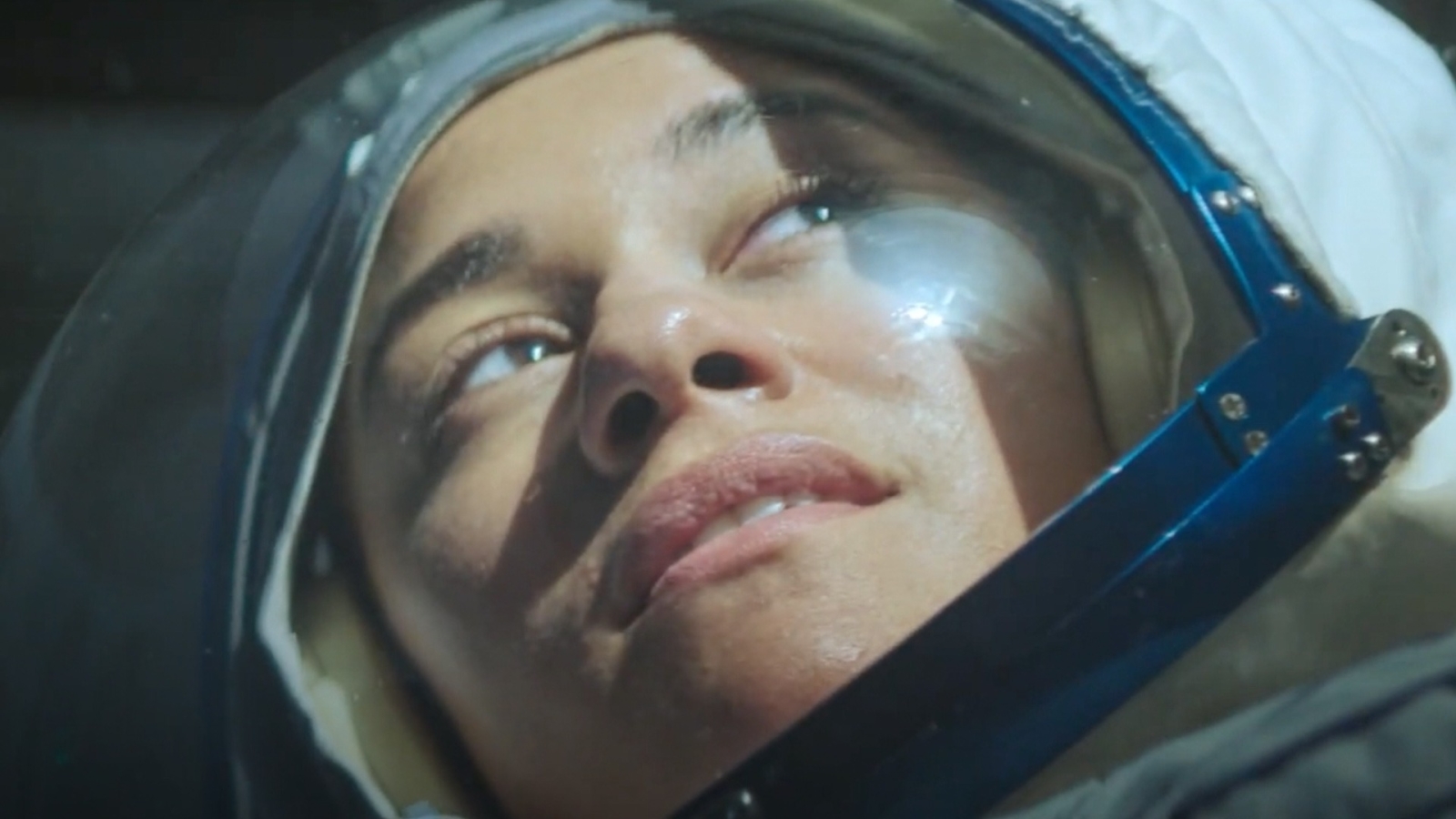
As an Academy Award winner known for her vibrant musical performances in films like West Side Story, Ariana DeBose takes on a sharp, grounded dramatic turn here as Dr. Kira Foster, a newcomer to the station whose idealism and scientific curiosity clash with the harsh realities of sudden geopolitical conflict. The film relies less on traditional space-monster tropes or deep-space exploration and more on a locked-room style psychological thriller dynamic, reminiscent of classic submarine dramas, transposed into low Earth orbit.
Cast and Characters: The Ensemble Aboard the Station
The narrative tension of I.S.S. depends heavily on the small ensemble cast portraying the six astronauts trapped on the orbital laboratory. The dynamic between the American and Russian crew members shifts rapidly from professional collegiality to deep paranoia as trust evaporates.
- Dr. Kira Foster (Ariana DeBose): A newcomer to the International Space Station, Kira is a brilliant biologist whose fresh perspective contrasts with the battle-hardened cynicism or stoicism of her veteran colleagues. DeBose portrays Kira’s transition from a collaborative scientist to a survivor forced to make impossible ethical choices as her world crumbles.
- Gordon Barrett (Chris Messina): An experienced American astronaut who acts as a stabilizing presence on the station, attempting to navigate the sudden political rupture with a pragmatic, level-headed approach.
- Christian (John Gallagher Jr.): Another American crew member whose technical expertise becomes both a vital resource and a weapon as security protocols are weaponized.
- Weronika Nikolaev (Masha Mashkova): A seasoned Russian cosmonaut who shares a close working and personal rapport with the American crew, making the sudden government-mandated betrayal especially painful.
- Alexey Pulov (Costa Ronin): A strict Russian cosmonaut who takes his orders seriously, representing the immediate threat of foreign military takeover.
- Nicholai (Liviu Rain): A quiet member of the Russian contingent whose loyalties and actions drive several key plot developments.
| Character Name | Actor | Nationality | Primary Role Aboard Station |
|---|---|---|---|
| Dr. Kira Foster | Ariana DeBose | American | Biological Researcher / Newcomer |
| Gordon Barrett | Chris Messina | American | Veteran Astronaut / Commander Figure |
| Christian | John Gallagher Jr. | American | Engineer / Technical Specialist |
| Weronika Nikolaev | Masha Mashkova | Russian | Cosmonaut / Lead Researcher |
| Alexey Pulov | Costa Ronin | Russian | Cosmonaut / Military Directive Enforcer |
| Nicholai | Liviu Rain | Russian | Cosmonaut / Support Specialist |
Behind the Lens: Direction, Writing, and Production
The psychological weight of I.S.S. is guided by director Gabriela Cowperthwaite, who previously demonstrated an aptitude for intense, high-stakes human drama in the critically acclaimed documentary Blackfish and the military biographical drama Megan Leavey. Cowperthwaite’s direction leans into the tactile, restrictive nature of the set, maximizing the feeling of confinement. The space station is not depicted as a sleek, futuristic vessel of pure fantasy, but rather as a cramped, humming maze of cables, instrument panels, and utilitarian modules.
The screenplay, penned by Nick Shafir, spent several years circulating in Hollywood before landing on the Black List in 2020, an annual survey of the most liked unproduced motion picture screenplays. Shafir’s script focuses heavily on the prompt: What would happen to international astronauts if their home countries went to war? By keeping the scope intimate and refusing to explain every geopolitical nuance happening on the ground, the film keeps the audience locked inside the claustrophobic perspective of the crew, who know as little about the devastation below as the viewers do.
Production design played a critical role in establishing realism. While zero-gravity simulation involves a combination of wirework, harness rigs, and careful physical acting, the physical sets were built with meticulous attention to detail, replicating the actual cramped modules of the real International Space Station. Cinematographer Nick Remy Matthews utilized tight framing and fluid camera movements to capture the disorienting, weightless physics of the environment while maintaining an atmosphere of mounting dread.
Themes and Narrative Analysis
At its core, I.S.S. uses the ultimate frontier of international cooperation—the space station as a symbol of united humanity—to examine the fragility of civilization. When the safety nets of government infrastructure, communication, and international law vanish, the veneer of polite diplomacy peels away immediately.
The Collapse of Cosmopolitan Ideals
The astronauts begin the film as ambassadors of peace, representing a rare sphere where geopolitical enemies work side by side for the betterment of science. The abrupt transition from colleagues to mortal enemies highlights the central tragic theme: earthly nationalisms and conflicts inevitably corrupt even the most isolated and elevated sanctuaries of human achievement.
Paranoia and Institutional Control
The characters do not necessarily want to kill each other; rather, they are bound by the terrifying weight of institutional obedience and the fear of what their respective governments might do to their families back home. This creates a nuanced moral landscape where antagonists are driven by desperation rather than pure malice. Characters must weigh the abstract concept of international peace against the immediate, tangible reality of survival and the safety of loved ones on Earth.
Critical Reception and Audience Response
Following its theatrical release by Bleecker Street, I.S.S. received a mixed-to-positive reception from critics and audiences alike. Reviewers frequently praised the committed performances of the ensemble cast, particularly highlighting Ariana DeBose’s ability to anchor the audience's emotional journey through her character's eyes. The film's brisk runtime and efficient establishment of tension were also widely commended.
However, some critics noted that the narrative occasionally leans into familiar thriller tropes during its final third, moving away from its unique psychological premise into more conventional survival-action territory. Despite these critiques, genre enthusiasts and casual viewers looking for a taut, self-contained thriller generally praised its atmospheric effectiveness and economic storytelling.
Frequently Asked Questions
Is I.S.S. based on a true story?
No, I.S.S. is a fictional work based on a spec script written by Nick Shafir. While the International Space Station is a real, operational orbital laboratory that frequently hosts mixed crews of American and international astronauts, the events depicted in the film—a sudden nuclear war breaking out on Earth resulting in orders to capture the station—are entirely hypothetical and dramatized for suspense.
Who directed I.S.S.?
The film was directed by Gabriela Cowperthwaite. She is well-known for her work across both documentary and narrative filmmaking, including the acclaimed documentary Blackfish (2013) and the biographical drama Megan Leavey (2017).
Where was the film shot?
Principal photography for I.S.S. took place in Wilmington, North Carolina, utilizing extensive soundstages where detailed, life-sized replicas of the International Space Station modules were constructed to facilitate the actors' physical performances and zero-gravity wirework.
What is the runtime of the film?
I.S.S. has a relatively brisk runtime of approximately 95 minutes (1 hour and 35 minutes), which allows the narrative to maintain a tight, fast-paced rhythm without narrative bloat.
What rating does I.S.S. carry?
The film is rated R for language and some violence, reflecting the intense psychological confrontations, physical altercations, and high-stakes peril faced by the crew members aboard the station.
Conclusion and Viewing Recommendation
For fans of contained science-fiction thrillers and claustrophobic survival dramas, I.S.S. offers a compelling, fast-paced ninety minutes of tension. Anchored by a strong lead performance from Ariana DeBose and an effective ensemble cast, the film succeeds in transforming the ultimate symbol of human unity into a tense battleground of paranoia and survival. Viewers interested in psychological thrillers that explore human behavior under extreme, isolated conditions will find this space-station drama a worthwhile watch.