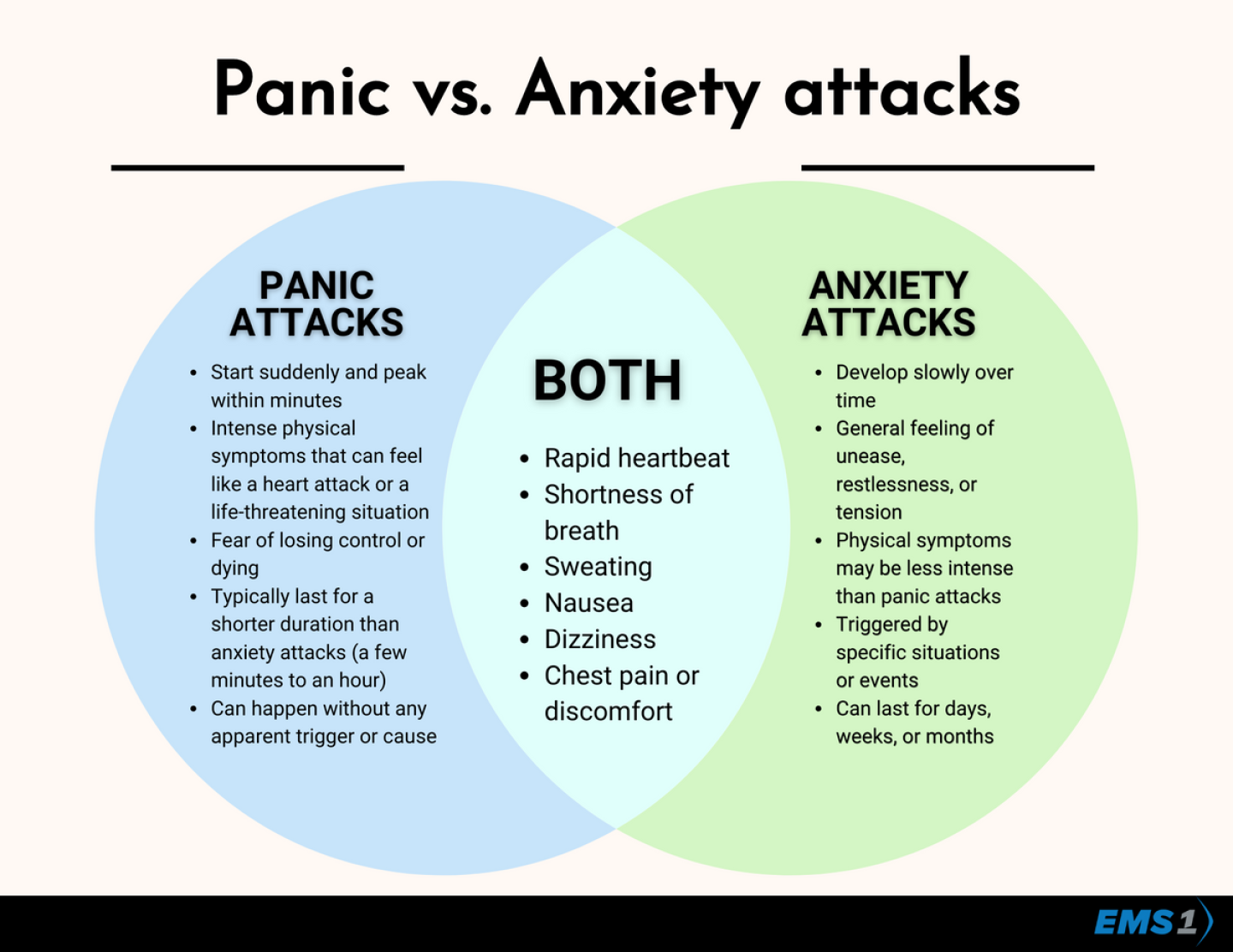
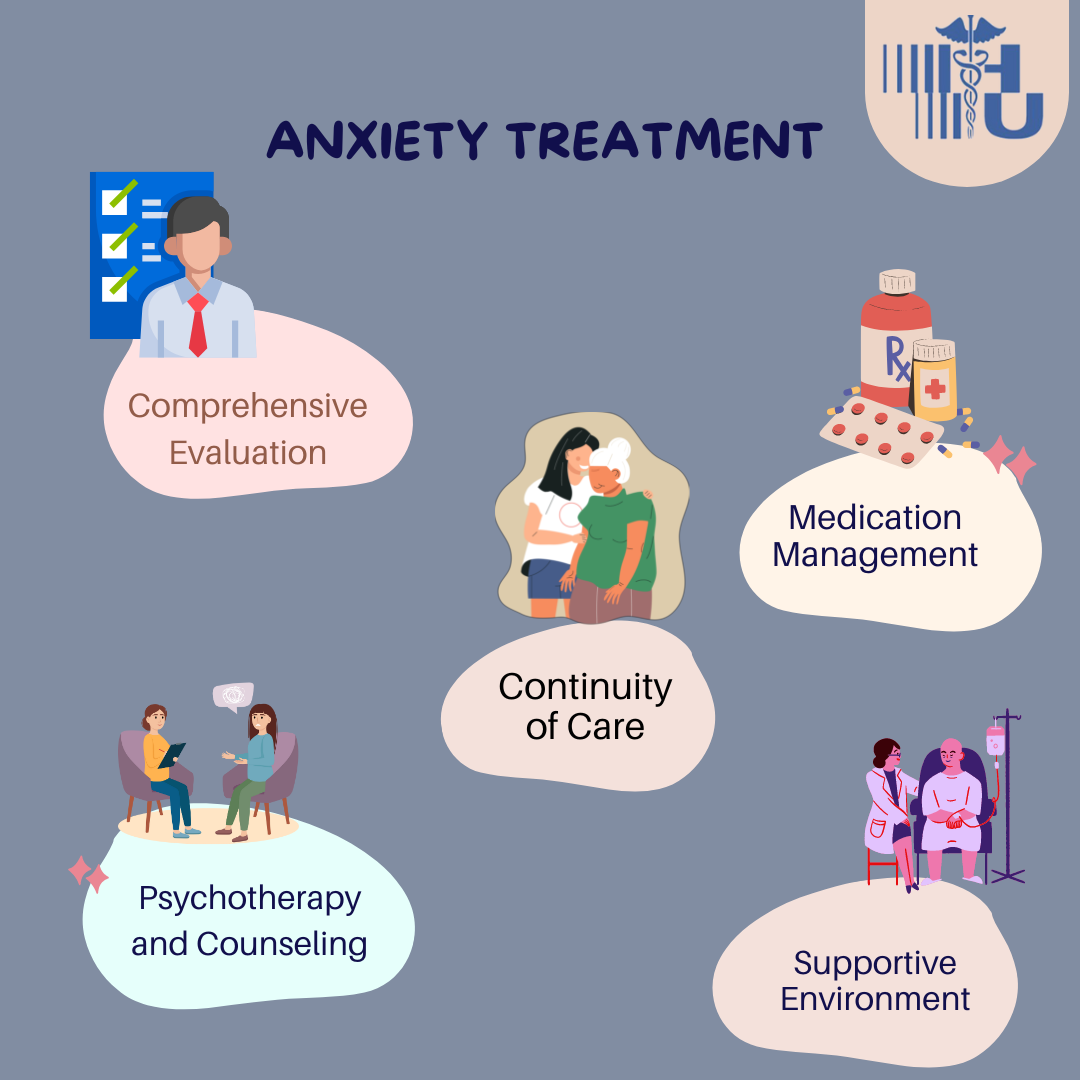
Hospital treatment for a severe anxiety or panic attack focuses on ruling out life-threatening physical conditions—such as heart attacks or respiratory distress—and rapidly stabilizing your physical and emotional symptoms. Emergency room care typically includes an immediate triage evaluation, diagnostic testing like an electrocardiogram (ECG) and blood work, administration of short-acting calming medications if appropriate, and referral to outpatient mental health care.
Disclaimer: This guide is for informational purposes and does not substitute for professional medical evaluation, diagnosis, or treatment. If you or someone you are with is experiencing severe chest pain, sudden numbness, difficulty breathing, or thoughts of self-harm, call 911 or visit the nearest emergency department immediately.
Understanding Emergency Department Care for Anxiety Attacks
Experiencing an acute anxiety attack or panic attack can feel physically catastrophic. Symptoms such as severe chest tightness, heart palpitations, shortness of breath, dizziness, and intense terror often mimic life-threatening medical emergencies like myocardial infarction (heart attack), pulmonary embolism, or acute cardiac arrhythmia. Because of these overlapping symptoms, thousands of people seek medical care in hospital emergency departments each year for panic symptoms.
When you present to a hospital emergency room with acute anxiety, the medical team treats your chief complaint with absolute seriousness. Emergency medicine operates on a principle of differential diagnosis: the priority is to systematically evaluate and exclude life-threatening physical diseases before diagnosing a psychiatric or psychological condition.
Understanding the hospital treatment workflow can significantly demystify the experience, lower fear during an acute episode, and help you make informed decisions about your long-term mental healthcare strategy.
Step 1: Triage and Initial Clinical Assessment
Upon entering the hospital Emergency Department (ED), the care process begins at the triage desk. Triage is the clinical sorting process used by emergency departments to prioritize patients based on the severity of their physical presentation.
- Arrival & Triage
- Vitals & Screening
- Diagnostic Testing
- Medical Stabilization
- Discharge Planning
Vital Signs and Immediate Stabilization
A triage nurse will perform an immediate assessment of your basic physiological parameters. This step ensures that severe physiological decompensation is not occurring.
- Heart Rate and Rhythm: Tachycardia (a heart rate exceeding 100 beats per minute) is extremely common during panic attacks due to surges of adrenaline (epinephrine).
- Blood Pressure: Elevated blood pressure (hypertension) frequently accompanies severe anxiety as part of the sympathetic nervous system's fight-or-flight response.
- Respiratory Rate: Rapid, shallow breathing (hyperventilation) often occurs, which can reduce carbon dioxide levels in the blood, leading to numbness, tingling in the fingertips (paresthesia), and muscle cramping (carpopedal spasm).
- Oxygen Saturation: Measured via a non-invasive pulse oximeter placed on your finger to ensure your tissues are receiving adequate oxygen.
Risk Stratification
During triage, the nurse will ask targeted questions about your medical history, current medications, substance use, and the specific onset of your symptoms. If you have no prior history of panic attacks, or if your symptoms present with atypical features (such as severe chest pain radiating down the left arm or jaw), you will be assigned a high priority level to ensure prompt medical intervention.
Step 2: Diagnostic Testing to Rule Out Medical Emergencies
Once brought into a treatment room, an emergency physician or advanced practice provider (physician assistant or nurse practitioner) will conduct a targeted physical exam. Diagnostic testing is routine and necessary, even if the clinician suspects an anxiety attack, because mental health conditions are diagnoses of exclusion in emergency settings.
Electrocardiogram (ECG / EKG)
An ECG is standard practice for any patient presenting with chest pain, palpitations, or severe shortness of breath. Small adhesive sensors are attached to your chest, arms, and legs to record the electrical activity of your heart.
- What it rules out: Lethal cardiac arrhythmias, acute ST-elevation myocardial infarction (STEMI), ischemic heart disease, and pericarditis.
- What it reveals in anxiety: Most often, an ECG during a panic attack shows normal sinus tachycardia—a completely normal heart rhythm that is simply running faster than usual due to stress hormones.
Cardiac Biomarkers and Blood Panels
Blood samples are typically drawn to run a series of urgent laboratory tests:
- Troponin Levels: Troponin is a protein released into the bloodstream only when heart muscle cells are damaged. Elevated troponin indicates cardiac injury (such as a heart attack). Normal troponin levels help confirm that the heart tissue is healthy.
- Complete Blood Count (CBC): Evaluates for severe anemia or underlying infection, both of which can cause racing heart rate and fatigue.
- Basic Metabolic Panel (BMP): Checks electrolyte levels (sodium, potassium, calcium). Electrolyte imbalances can cause heart palpitations and muscle twitching.
- Thyroid Panel or Arterial Blood Gas (ABG): In select cases, doctors check for hyperthyroidism (an overactive thyroid) or measure carbon dioxide levels if severe hyperventilation is present.
Diagnostic Imaging
If respiratory distress is prominent or chest pain is severe, the care team may order a chest X-ray to rule out conditions like pneumonia, a collapsed lung (pneumothorax), or fluid in the lungs. In rare situations where blood clots are suspected, a CT pulmonary angiogram might be performed.
Step 3: Medical and Therapeutic Interventions
Once diagnostic testing is underway and initial results indicate that a life-threatening physical crisis is unlikely, the hospital team shifts focus toward acute symptom management and physical stabilization.
- Emergency Room Interventions
- Pharmacological Support
- Anxiolytics (Lorazepam)
- Antihistamines
- Beta-Blockers
- Non-Pharmacological Care
- Controlled Breathing
- Quiet Environment
- Reassurance & Grounding
- Pharmacological Support
Pharmacological Treatments
Emergency physicians have access to several short-acting medications designed to quiet the central nervous system during an unmanageable crisis. Medication choice depends on your clinical history, current substance use, and doctor discretion:
- Benzodiazepines: Medications such as lorazepam (Ativan), alprazolam (Xanax), or diazepam (Valium) are standard fast-acting anxiolytics. They work by enhancing the effect of gamma-aminobutyric acid (GABA), the primary inhibitory neurotransmitter in the brain. They quickly decrease central nervous system arousal, lowering heart rate and muscle tension. These are usually administered orally or, in extreme distress, intravenously or intramuscularly.
- Sedating Antihistamines: Hydroxyzine (Vistaril) is frequently used as a non-addictive alternative to benzodiazepines. It depresses subcortical central nervous system activity, helping to soothe severe agitation without the dependence risks associated with controlled substances.
- Beta-Blockers: Propranolol may be administered to reduce the peripheral physical manifestations of panic, such as tremors and rapid heart rate, by blocking beta-adrenergic receptors.
Non-Pharmacological Stabilization
Hospitals also employ behavioral interventions to help lower physiological hyperarousal:
- Controlled Respiration Coaching: Staff may guide you through slow, diaphragmatic breathing techniques (such as box breathing or 4-7-8 breathing) to reverse the carbon dioxide depletion caused by hyperventilation.
- Low-Stimulation Environment: Dimming the lights in your treatment room and reducing noise helps lower sensory overload.
- Verbal Reassurance and Psychoeducation: A healthcare provider will explicitly inform you of your normal lab results and ECG findings, reassuring your brain and body that your physical heart and lungs are healthy and that the episode, while terrifying, is not fatal.
Step 4: Psychological Assessment and Safety Screening
Before discharging any patient treated for severe psychiatric or anxiety symptoms, emergency clinicians must conduct a standardized suicide risk screening and mental status examination.
Under clinical standards and regulations from bodies like The Joint Commission, healthcare providers screen patients to evaluate:
- Whether the anxiety is secondary to a major depressive disorder or post-traumatic stress disorder (PTSD).
- Whether the individual is experiencing suicidal ideation or intent to harm themselves or others.
- Whether acute substance withdrawal or toxicity is contributing to the panic symptoms.
If a patient expresses active thoughts of self-harm or severe psychiatric decompensation, the emergency team will request an in-house psychiatric consultation or evaluate the patient for crisis stabilization care. If no safety risks are present, the patient is cleared for routine discharge with an outpatient follow-up plan.
Comparing Emergency and Urgent Care Options for Panic Attacks
Knowing where to seek care depends heavily on symptom severity, prior diagnosis, and physical presentation. The table below outlines how different clinical settings approach anxiety symptoms:
| Parameter | Emergency Department (ED) | Urgent Care Center | Outpatient Therapy / Psychiatry |
|---|---|---|---|
| Primary Focus | Rule out fatal conditions (ECG, troponin, imaging); stabilize acute crises. | Treat mild-to-moderate symptoms; rule out basic non-critical issues. | Long-term management, cognitive behavioral therapy (CBT), daily medications. |
| Diagnostic Capabilities | Comprehensive: 24/7 labs, ECG, CT scans, X-rays, cardiac enzymes. | Basic: ECG, basic blood work, point-of-care testing (varies by clinic). | Non-emergent: Psychological evaluations, behavioral assessments. |
| Medication Administered | Immediate IV/IM/Oral anxiolytics (e.g., lorazepam, hydroxyzine). | Limited oral anxiolytics; short-term prescriptions in select cases. | Maintenance prescriptions (SSRIs, SNRIs, scheduled follow-ups). |
| Average Wait & Cost | High cost ($1,000–$5,000+ without insurance); variable, priority-based wait times. | Moderate cost ($150–$300); generally shorter wait times than ED. | Lower per-session cost; covered under standard mental health insurance copays. |
| Best Used For | First-time severe symptoms, chest pain, fainting, or thoughts of self-harm. | Recurrent panic attacks without chest pain, when primary doctor is unavailable. | Ongoing preventive treatment and routine prescription refills. |
Hospital Discharge, Financial Rights, and Follow-Up Strategy
When your diagnostic tests return clear and your acute anxiety has subsided, the attending physician will issue a discharge summary.
Understanding Your Rights and Financial Expectations
In the United States, under the Emergency Medical Treatment and Labor Act (EMTALA), Medicare-participating hospitals are legally required to provide a medical screening examination and stabilizing treatment to any individual who comes to the emergency department, regardless of their insurance status or ability to pay.
However, emergency room care is inherently expensive. If you are uninsured or underinsured, emergency department visits for panic attacks can result in substantial medical bills covering physician fees, facility charges, and laboratory fees.
- Financial Assistance Programs: Non-profit hospitals are legally required to offer charity care or financial assistance policies based on income eligibility.
- Billing Verification: Request an itemized bill after discharge to ensure all listed tests and treatments match the care you received.
Establishing an Outpatient Treatment Plan
Discharge from the emergency department is not a cure for panic disorder or generalized anxiety disorder; it is simply a confirmation of immediate physical safety. Long-term recovery requires transitioning to specialized outpatient care:
- Primary Care Physician (PCP): Schedule a follow-up appointment with your doctor within 7 to 14 days. Your PCP can initiate long-term maintenance medications, such as Selective Serotonin Reuptake Inhibitors (SSRIs) or Serotonin-Norepinephrine Reuptake Inhibitors (SNRIs), which take several weeks to build efficacy.
- Psychotherapy: Evidence-based therapies, particularly Cognitive Behavioral Therapy (CBT), are the gold standard for treating panic disorder. CBT teaches your brain to reframe catastrophic interpretations of physical sensations, preventing hyperventilation and panic escalation.
- Crisis Planning: Resources such as the Substance Abuse and Mental Health Services Administration (SAMHSA) National Helpline offer 24/7, confidential treatment referral for mental health crises. In North America, dialing or texting 988 connects you directly to the Suicide & Crisis Lifeline.
Frequently Asked Questions
Can an emergency room refuse to treat me if I am having a panic attack?
No. Under federal regulations like EMTALA in the United States, emergency departments must conduct a medical screening examination on anyone presenting with emergency symptoms. They cannot turn you away until a qualified medical professional has determined that no life-threatening medical emergency exists.
Will the hospital give me a prescription for anxiety medication to take home?
It depends on the facility, doctor, and your medical history. Emergency physicians may provide a very small bridge prescription (e.g., 3 to 5 days of a low-dose benzodiazepine or a non-controlled medication like hydroxyzine) to keep you safe until you see a primary care provider or psychiatrist. They typically do not prescribe large quantities or long-term controlled substances.
How do I know if I should go to the hospital or wait for the panic attack to pass?
If you have never experienced a panic attack before, or if your symptoms involve severe, crushing chest pain, pain radiating to your jaw or arm, sudden weakness, severe head pain, or fainting, you must go to the emergency room to rule out heart attack or stroke. If you have been diagnosed with panic disorder and your symptoms match your past panic attacks, using grounding exercises, breathing techniques, or taking prescribed rescue medication at home or visiting an urgent care center may be appropriate.
Why does a panic attack feel so much like a physical heart attack?
Panic attacks trigger an intense surge of adrenaline, activating your body's sympathetic nervous system fight-or-flight response. This causes your heart to beat rapidly and forcefully, constricts blood vessels, and alters your breathing pattern. Hyperventilation alters blood pH, leading to physical symptoms like chest tightness, tingling hands, and dizziness, which feel identical to cardiac issues.
How long does a typical emergency room visit for anxiety take?
An emergency room visit usually lasts anywhere from 2 to 6 hours. The duration depends on the volume of higher-acuity emergency cases in the department, as well as the time required to process blood work (such as cardiac troponin levels, which often take 1 to 2 hours for lab processing) and monitor your vital signs until they return to baseline.
Recommended Next Steps
If you or a loved one recently required emergency hospital care for a severe anxiety attack, taking proactive steps can help prevent future hospital visits and promote long-term recovery:
- Obtain Your Emergency Room Records: Request copies of your ECG strips, lab results, and discharge summary from the hospital's medical records department to share with your personal doctor.
- Schedule Outpatient Care Immediately: Contact a licensed therapist specializing in Cognitive Behavioral Therapy (CBT) and establish care with a psychiatrist or primary care provider for medication management.
- Build an Acute Action Plan: Work with a health professional to create a written crisis plan. Define clear steps to follow when anxiety spikes, including box breathing routines, sensory grounding (the 5-4-3-2-1 technique), and knowing when to use prescribed rescue medications versus calling emergency services.
By combining the safety net of medical emergency screening with structured outpatient mental healthcare, you can gain mastery over severe panic symptoms and reduce the impact of anxiety on your daily life.