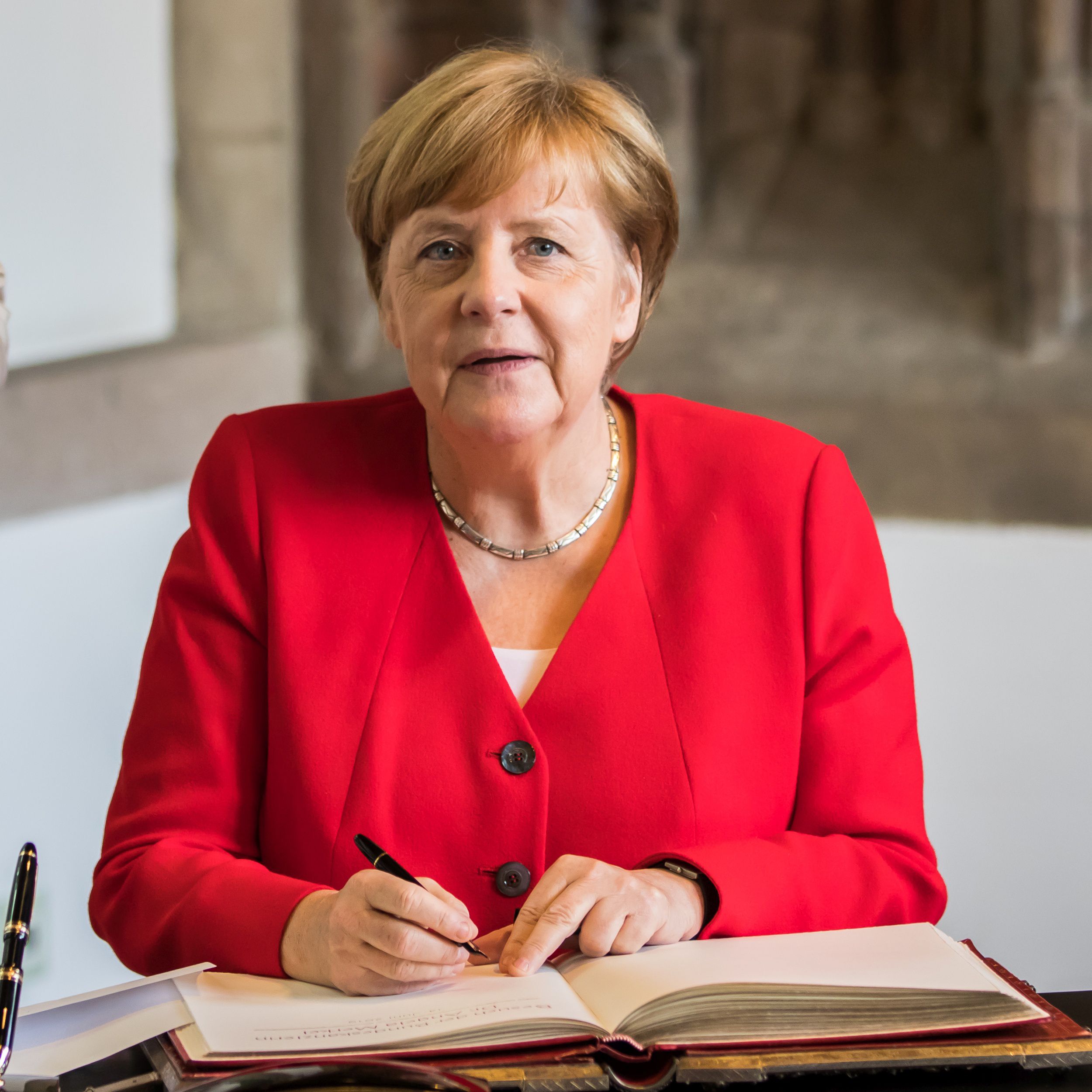
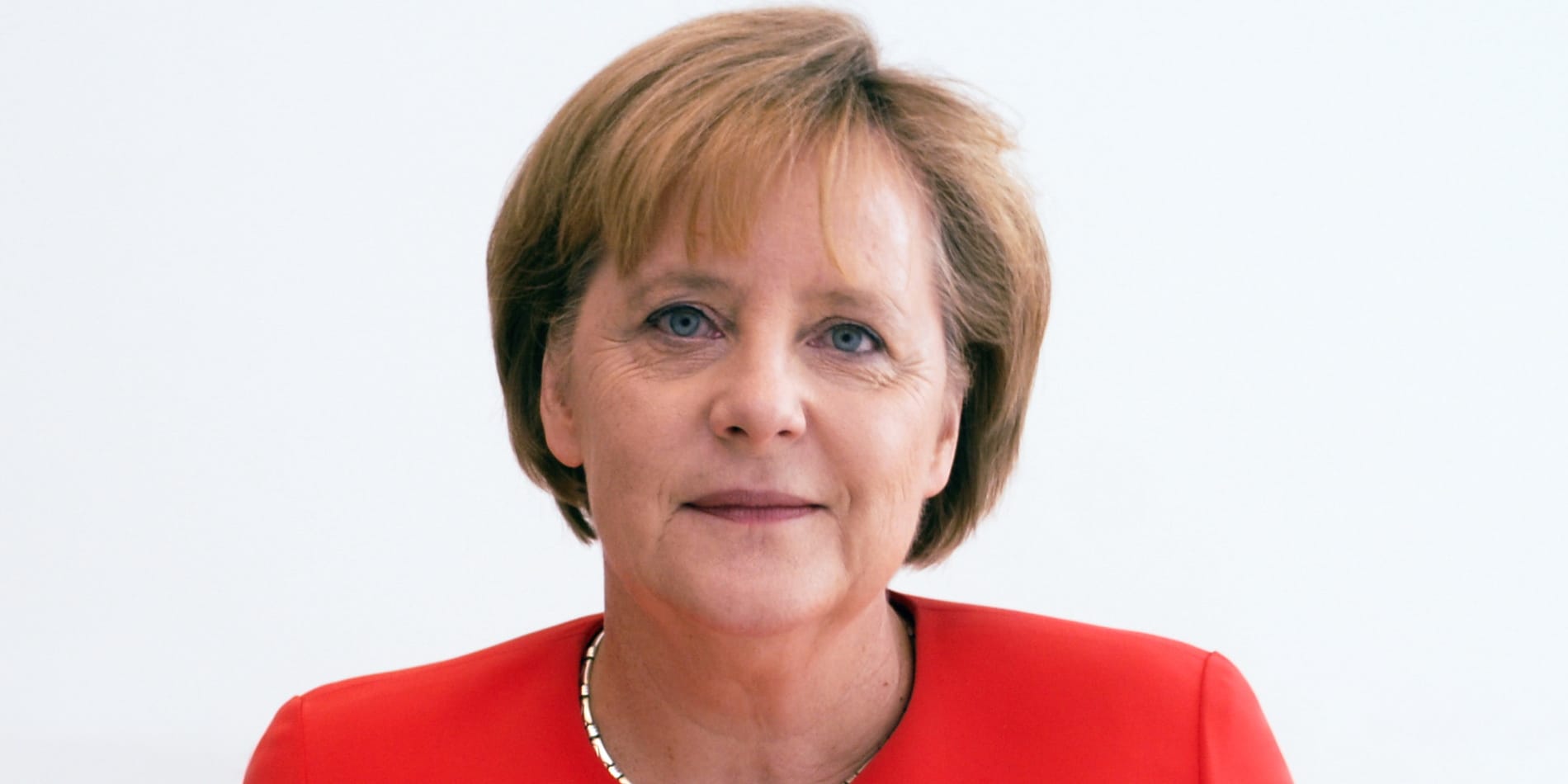
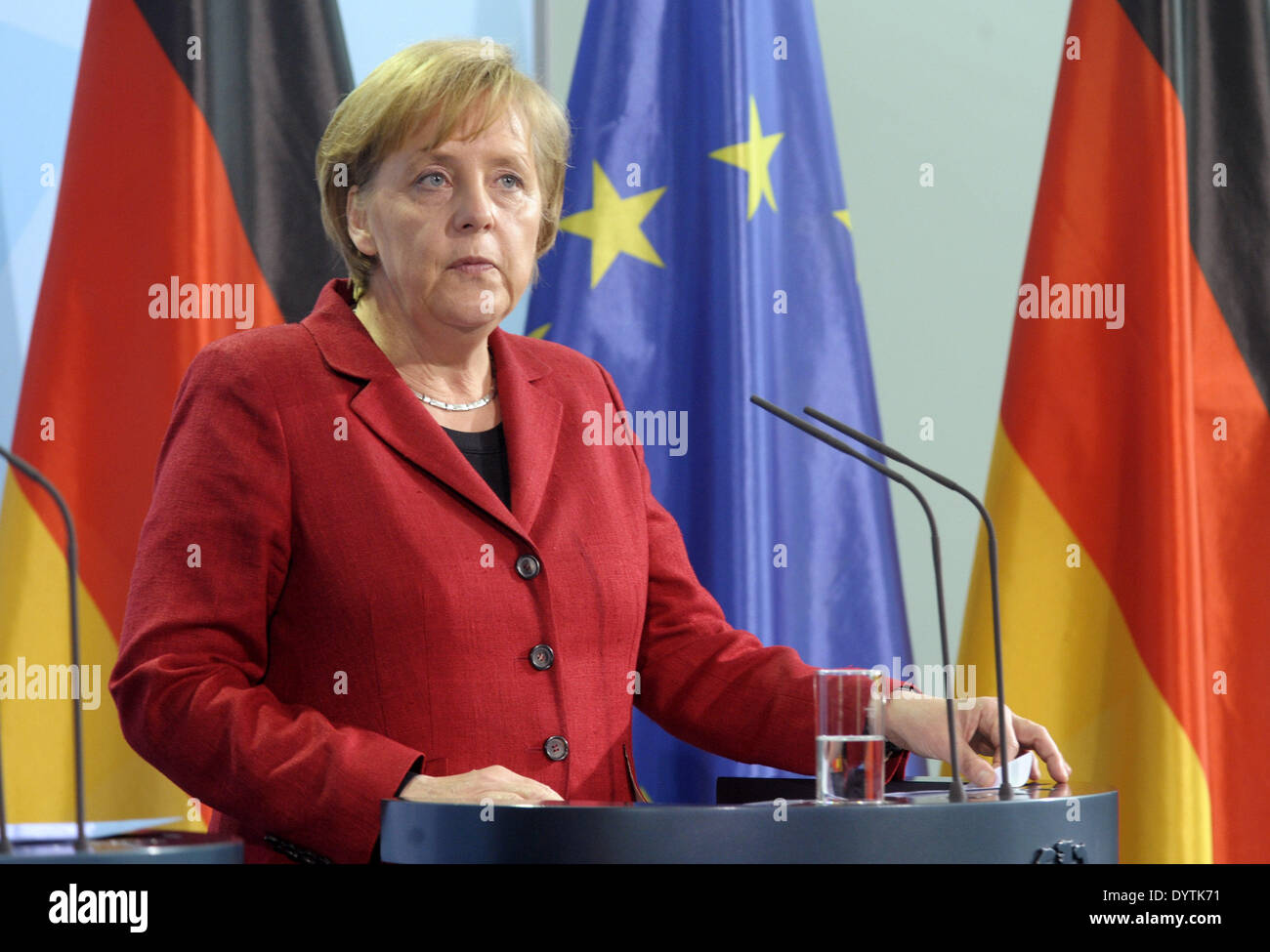
Angela Dorothea Merkel has an estimated net worth between €3 million and €5 million ($3.2 million to $5.4 million USD). Built over more than three decades of continuous public service in Germany, her wealth derives almost entirely from statutory government salaries, parliamentary allowances, and standard state pension entitlements rather than private investments, corporate directorships, or commercial endorsements.
Financial Overview and Estimated Net Worth
Former German Chancellor Angela Merkel represents a distinct financial profile among modern world leaders. Unlike many of her international contemporaries who transitioned from political office into lucrative corporate board positions, private equity consulting, or high-fee global lecture tours, Merkel’s financial trajectory has remained strictly tied to the public service remuneration system of the Federal Republic of Germany.
| Metric | Detail |
|---|---|
| Estimated Net Worth | €3,000,000 – €5,000,000 |
| Primary Wealth Drivers | 31-Year Parliamentary Tenure (1990–2021)16-Year Chancellorship (2005–2021) |
| Monthly State Pension | ~€15,000 gross per month |
| Real Estate Portfolio | Rented Berlin apartment; country dacha |
| Post-Term Income Strategy | Public administration pensions; no corporate boards or commercial endorsements |
Financial analysts and political observers estimate Merkel's personal wealth at approximately €3 million to €5 million. This accumulation reflects a career spent in high-level state governance, characterized by high income transparency, modest personal expenditures, and a total absence of private commercial ventures.
In Germany, elected officials and cabinet members are subject to rigorous public disclosure rules. The parameters of Merkel's financial situation are largely public record, defined by federal legislation governing parliamentary pay, cabinet salaries, and post-service benefits.
Career Earnings: 31 Years in German Public Governance
Merkel’s primary source of wealth accumulation was her continuous tenure in the Bundestag (the German federal parliament) from December 1990 until October 2021, combined with 23 total years in cabinet-level executive roles.
Parliamentary and Cabinet Salaries (1990–2005)
Before becoming Chancellor, Merkel held several salaried government positions:
- Member of the Bundestag (MdB) (1990–2021): As a member of parliament, Merkel received a monthly parliamentary allowance (Abgeordnetenentschädigung or Diäten). This compensation is adjusted annually based on national wage indices.
- Federal Minister for Women and Youth (1991–1994): Appointed by Chancellor Helmut Kohl, Merkel received a federal minister's salary set under the Federal Ministers Act (Bundesministergesetz).
- Federal Minister for the Environment, Nature Conservation, and Nuclear Safety (1994–1998): This cabinet role provided executive compensation equivalent to 1.3 times the basic salary grade B11 for federal civil servants, along with tax-free expense allowances.
Earnings as Federal Chancellor (2005–2021)
During her 16-year tenure as Chancellor of Germany (Bundeskanzlerin), Merkel's income reached its peak operating tier. The Chancellor's compensation is governed by Section 11 of the Bundesministergesetz.
| Earnings Category | Estimated Gross Monthly Amount (Final Term, c. 2021) |
|---|---|
| Chancellor Base Salary (Amtbezüge) | ~€25,000 |
| Parliamentary Allowance (Partial MdB Diät) | ~€5,200 |
| Official Expense Allowance (Tax-free) | ~€1,000 |
| Total Gross Monthly Compensation | ~€31,200 |
Under German law, a Chancellor who simultaneously holds a seat in the Bundestag does not draw two full salaries. Instead, the parliamentary allowance is reduced by half to prevent double compensation. By the end of her fourth term in 2021, Merkel's total official gross monthly earnings were approximately €31,000 to €32,000, amounting to an annual gross salary of roughly €380,000. Over her 16 years as Chancellor, her cumulative gross earnings from executive office alone exceeded €5.5 million before taxes and social contributions.
Post-Chancellorship Pension Mechanics
The primary long-term component of Merkel's financial profile is her structured state pension (Ruhegehalt). The framework governing retirement benefits for former German heads of government and federal ministers ensures financial independence post-office while restricting unauthorized outside earnings.
- Service Inputs: 31 Years in Bundestag + 16 Years as Chancellor + 7 Years Cabinet Minister
- Statutory Pension Calculation: Governed by Bundesministergesetz & Abgeordnetengesetz
- Capped Maximum Rate: ~71.75%
- Final Result: ~€15,000 Gross Monthly Pension
Statutory Calculation under Federal Law
Merkel’s pension entitlements are calculated by combining benefits from three distinct roles, governed by the Federal Ministers Act (Bundesministergesetz) and the Members of the Bundestag Act (Abgeordnetengesetz):
- Federal Minister Entitlements: Under the Bundesministergesetz, a federal cabinet member earns a pension claim after a minimum of four years in office. The baseline entitlement starts at 27.74% of the active official salary and increases by 2.3916% for each additional year of service, up to a legal maximum threshold of 71.75%.
- Parliamentary Entitlements: Under the Abgeordnetengesetz, members of parliament accrue retirement credits for each year of service. After 31 years in parliament, Merkel reached the maximum statutory parliamentary pension entitlement.
- Anti-Cumulation Regulations (Anrechnungsbestimmungen): German law prevents former officials from collecting full, unadjusted pensions from multiple public offices simultaneously. When a former minister or chancellor receives both a parliamentary pension and a cabinet pension, the total combined payout is capped at the maximum rate of 71.75% of the highest official base pay earned during their career.
Estimated Monthly Payout
Based on her 31 years of parliamentary service and 23 years in federal executive roles (including 16 years as Chancellor), Merkel reached the maximum statutory cap. Her gross monthly pension entitlement is estimated at approximately €15,000 per month (roughly €180,000 per year). This pension is taxable as regular income under German tax law.
State Allowances, Office Provisions, and Security
In addition to direct pension payments, former German Chancellors receive non-cash administrative support and security guarantees funded by the federal budget (Bundeshaushalt). These provisions relieve the former leader of significant personal expenditures, though they do not constitute personal disposable income or add directly to net worth.
Post-Term Transition Allowance (Übergangsgeld)
Upon leaving office in December 2021, Merkel was entitled to a statutory transition allowance (Übergangsgeld). Designed to assist former cabinet members during their post-service transition, this allowance provides:
- Months 1–3: Full active official salary (100%).
- Months 4–24: Half active official salary (50%).
This benefit is reduced if the former official receives earned income from other sources, ensuring that state transition funds serve strictly as a bridge allowance.
Statutory Office Allocation (Büro des Bundeskanzlers a. D.)
By standard resolution of the Budget Committee of the Bundestag, former Chancellors are provided with an official post-term office in Berlin. This allocation includes:
- Office Facilities: Dedicated workspace within the parliamentary complex in Berlin.
- Staffing Allowance: A small team of administrative personnel, including an office director (Büroleiter), deputy director, administrative assistants, and a driver.
- Operational Budget: Coverage for official travel, administrative supplies, and official communications related to post-chancellorship public duties.
| Provision | Funded By | Net Worth Impact |
|---|---|---|
| Personal Security (BKA) | Federal Government | Offsets Overhead |
| Berlin Office & Staff | Federal Budget | Non-Personal Income |
| Official Transport | Federal Budget | Offsets Overhead |
| Transition Pay (Terminated) | Statutory Budget | Direct Income |
Personal Security Coverage
As a former head of government, Merkel receives lifetime personal protection managed by the Federal Criminal Police Office (Bundeskriminalamt or BKA). This security detail covers personal transport, secure accommodation logistics, and physical security personnel. These security services represent substantial operational costs covered directly by the federal state, shielding Merkel's personal assets from security-related overhead.
Real Estate Holdings and Personal Assets
Merkel’s asset portfolio reflects her long-standing reputation for fiscal restraint and personal modesty. Unlike political figures who accumulate substantial real estate portfolios, Merkel has kept her personal property holdings limited and low-profile.
Primary Residence: Berlin-Mitte Apartment
Throughout her 16 years as Chancellor and in her subsequent retirement, Merkel did not reside in an official state-owned residence such as the Chancellor's apartment located within the Federal Chancellery (Bundeskanzleramt). Instead, she chose to live in a private rented apartment in an historic building in central Berlin (Berlin-Mitte), overlooking the Museum Island.
- Asset Structure
- Real Estate Assets
- Rented Flat (Berlin-Mitte)
- Country Dacha (Hohenwalde)
- Liquid & Income
- Cash & Savings Accounts
- Statutory Pension (~€15k/month)
- Real Estate Assets
Because this property is leased rather than owned, it does not contribute to her net worth calculation, but it demonstrates a residential strategy focused on manageable, fixed living expenses rather than capital accumulation.
Country Property: Hohenwalde, Brandenburg
Merkel’s only long-held secondary property is a modest weekend home (often referred to in Germany as a Dacha) in Hohenwalde, near Templin in the Uckermark region of Brandenburg.
- Acquisition & History: Acquired decades ago, the property served as a quiet retreat throughout her parliamentary and executive career.
- Valuation: Real estate values in the Uckermark region remain comparatively low relative to major urban hubs like Munich, Frankfurt, or central Berlin. The estimated market value of this country home is modest, typically valued between €200,000 and €400,000.
Household Financial Structure
Merkel’s husband, Dr. Joachim Sauer, is a distinguished quantum chemist and professor emeritus at the Humboldt University of Berlin. As a Senior Researcher and former full professor, Sauer maintained his own independent academic salary and pension. This dual-income structure meant that household operational costs were shared between two high-earning professionals, enabling consistent personal capital preservation over several decades.
Financial Comparison: Merkel vs. World Leaders
To contextualize Angela Merkel's financial profile, it is useful to compare her earnings, asset accumulation, and post-office strategy with other contemporary heads of state and former German leaders.
| Leader | Primary Office | Active Annual Compensation (Peak) | Estimated Net Worth | Primary Post-Office Revenue Sources |
|---|---|---|---|---|
| Angela Merkel | Chancellor of Germany (2005–2021) | ~€380,000 | €3M – €5M | Statutory State Pension, Transition Allowances |
| Gerhard Schröder | Chancellor of Germany (1998–2005) | ~€300,000 | €10M – €20M | Corporate Boards, Energy Sector Directorships, Speaking Fees |
| Barack Obama | US President (2009–2017) | $400,000 (€370,000) | $70M+ (~€65M+) | Multi-Million Book Advances, Netflix Production Deals, Global Speaking |
| Tony Blair | Prime Minister UK (1997–2007) | £190,000 (€220,000) | £50M+ (~€58M+) | Global Advisory Services (Tony Blair Institute), Corporate Consulting |
| Emmanuel Macron | President of France (2017–Present) | ~€182,000 | €1.5M – €3M | State Salary, Prior Investment Banking Earnings (Rothschild) |
Key Takeaways from Comparative Data
- Rejection of Post-Term Monetization: Former leaders like Tony Blair and Barack Obama leveraged their political notoriety into commercial media contracts, global consulting firms, and six-figure speaking engagements. Merkel has declined commercial monetization models.
- Divergence from Predecessors: Merkel's immediate predecessor as Chancellor, Gerhard Schröder, accepted paid positions on executive boards of international corporations and energy consortiums (including Nord Stream AG and Rosneft). Merkel has explicitly avoided commercial corporate directorships.
- Institutional Alignment: Merkel's accumulated wealth is comparable to high-level European public administrators, national judges, or senior academic administrators, reflecting standard European public service compensation models.
Post-Office Conduct and Commercial Independence
A central element of Merkel's financial profile is her adherence to German norms regarding conflict of interest, lobbying transparency, and ethical conduct post-service.
- Post-Chancellorship Choices
- ACCEPTED PROVISIONS
- Statutory State Pension
- Parliamentary Office & Staff
- BKA Security Protection
- Academic & Civic Engagements
- DECLINED OFFERS
- Corporate Board Seats
- Commercial Book Deals
- Paid Corporate Speaking
- Lobbying / Advisory Roles
- ACCEPTED PROVISIONS
Absence of Corporate Directorships
Under the Bundesministergesetz, former cabinet members are subject to a post-office waiting period (Karenzzeit) of up to 18 months if their intended private sector employment threatens public trust or creates conflicts of interest with their prior official duties.
Merkel went beyond minimum statutory requirements by declining corporate board seats, commercial advisory roles, and private sector consultancies entirely.
Refusal of Commercial Lecture Circuits
While former heads of state frequently join commercial lecture bureaus charging fees between $100,000 and $400,000 per address, Merkel has confined her speaking engagements primarily to:
- Academic institutions and international university lectures.
- Non-partisan foreign policy foundations and civic organizations.
- Honorary roles within public benefit foundations.
These engagements are generally unpaid or restricted to standard travel expense reimbursements, keeping her personal balance sheet independent of private commercial interests.
Memoir and Publishing Revenue
In November 2024, Merkel released her official political memoirs, titled Freiheit: Erinnerungen 1954–2021 (Freedom: Memories 1954–2021), co-authored with her long-time political advisor Beate Baumann.
While book publishing contracts for former world leaders can involve substantial advance payments, Merkel's publishing agreement was negotiated under standard industry parameters for political memoirs in Germany. Proceeds from book sales represent one of her few non-governmental sources of income, subject to standard German income taxation (Einkommensteuer).
Technical Analysis of German Executive Pension Calculations
To understand how Merkel's pension is determined, it is necessary to examine the specific mathematical provisions laid out in the German Federal Ministers Act (Bundesministergesetz - BMinG).
Basic Formula for Federal Cabinet Pension Entitlements:
- Base Rate (4 Years Service) = 27.74% of Active Pay
- Annual Increments = +2.3916% per year served beyond 4 years
- Absolute Statutory Cap = 71.75% of Active Pay
Statutory Calculation Process
- Base Threshold: Achieving at least four years of executive cabinet service unlocks the baseline pension rate of 27.74%.
- Incremental Accrual: Each subsequent year of cabinet service adds 2.3916% to the entitlement multiplier.
- Maximum Limit: Merkel served 4 years as Minister for Women and Youth, 4 years as Minister for Environment, and 16 years as Chancellor, totaling 24 years in cabinet-level governance.
Mathematically: $$\text{Calculated Percentage} = 27.74% + (20 \times 2.3916%) = 27.74% + 47.832% = 75.572%$$
Because $75.572%$ exceeds the statutory maximum limit defined in Section 15 of the BMinG, her pension multiplier is capped at exactly 71.75% of the active base salary of the Chancellor's office.
Offsetting Rules (Anrechnung)
Because Merkel was also an elected member of the Bundestag for 31 years, she earned maximum entitlements under the Members of the Bundestag Act (Abgeordnetengesetz - AbgG). Section 29 of the AbgG establishes strict anti-stacking limits:
- The parliamentary pension is offset against the ministerial pension.
- The retired official receives a single combined payout equal to the higher entitlement limit (capped at 71.75% of the Chancellor's active pay).
- This rule prevents dual-dipping into state funds, keeping her gross monthly pension at approximately €15,000.
Frequently Asked Questions (FAQ)
What is Angela Merkel's net worth?
Angela Merkel's net worth is estimated between €3 million and €5 million. Her assets consist primarily of savings accumulated during her 31-year career as a German parliamentarian and cabinet minister, along with her modest weekend home in Brandenburg.
How much does Angela Merkel earn per month in retirement?
Merkel receives a statutory gross pension (Ruhegehalt) of approximately €15,000 per month (around €180,000 annually). This pension combines her entitlements as a former Member of Parliament, Federal Minister, and Federal Chancellor, capped at the statutory maximum rate under German federal law.
Does Angela Merkel own luxury real estate?
No. Merkel does not own a luxury real estate portfolio. During her time in office and throughout her retirement, she has lived in a rented apartment in central Berlin. Her only owned real estate asset is a modest weekend house near Templin in the Uckermark region of Brandenburg.
Does Angela Merkel sit on any corporate boards?
No. Unlike several former European leaders, Merkel has not accepted seats on corporate board of directors, energy consortiums, or private equity firms. She has maintained a policy of commercial independence, avoiding corporate lobbying and private sector consulting.
How are Merkel's post-office staff and security paid?
Merkel’s post-term office staff, administrative facilities, and personal protection team are funded directly by the German federal budget (Bundeshaushalt) under standard statutory provisions for former Chancellors. These provisions cover operational security and administrative support for official duties, but do not form part of her personal disposable income.
Did Angela Merkel receive a payout upon leaving office?
Yes. Upon stepping down as Chancellor in December 2021, Merkel was entitled to a statutory transition allowance (Übergangsgeld) under the Federal Ministers Act. This provided full official pay for three months, followed by half-pay for up to 21 months, offset by any outside income earned during that timeframe.
Summary Takeaways
- Financial Basis: Angela Merkel’s net worth of €3M – €5M is built almost exclusively on state salaries, parliamentary allowances, and statutory pensions accrued across 31 years of public service.
- Predictable Pension Payout: Her statutory retirement income is capped at approximately €15,000 per month gross under German anti-cumulation rules for former federal ministers and parliamentarians.
- Modest Asset Strategy: Her balance sheet reflects fixed living expenses, characterized by a rented main residence in Berlin and a single modest country home in Brandenburg.
- Commercial Independence: Merkel’s financial profile stands out internationally due to her decision to forego high-paying corporate board seats, private sector consulting, and commercial lecture tours in her post-chancellorship years.