American detective TV series offer a diverse range of storytelling, from the gritty realism of urban police procedurals to the intellectual puzzles of "whodunnit" mysteries. This comprehensive list categorizes the most influential and acclaimed series, providing a roadmap through the evolution of the genre from its mid-20th-century roots to the high-definition streaming era of 2026.
The Evolutionary Phases of the American Detective Series
The American detective series is not a monolithic genre; it has undergone significant transformations over the last seven decades. Understanding these phases helps viewers appreciate the stylistic choices and narrative structures of their favorite shows. In 2026, we look back at these eras as distinct movements that defined how justice, crime, and the "hero" are portrayed on screen.
The Birth of the Procedural (1950s–1970s)
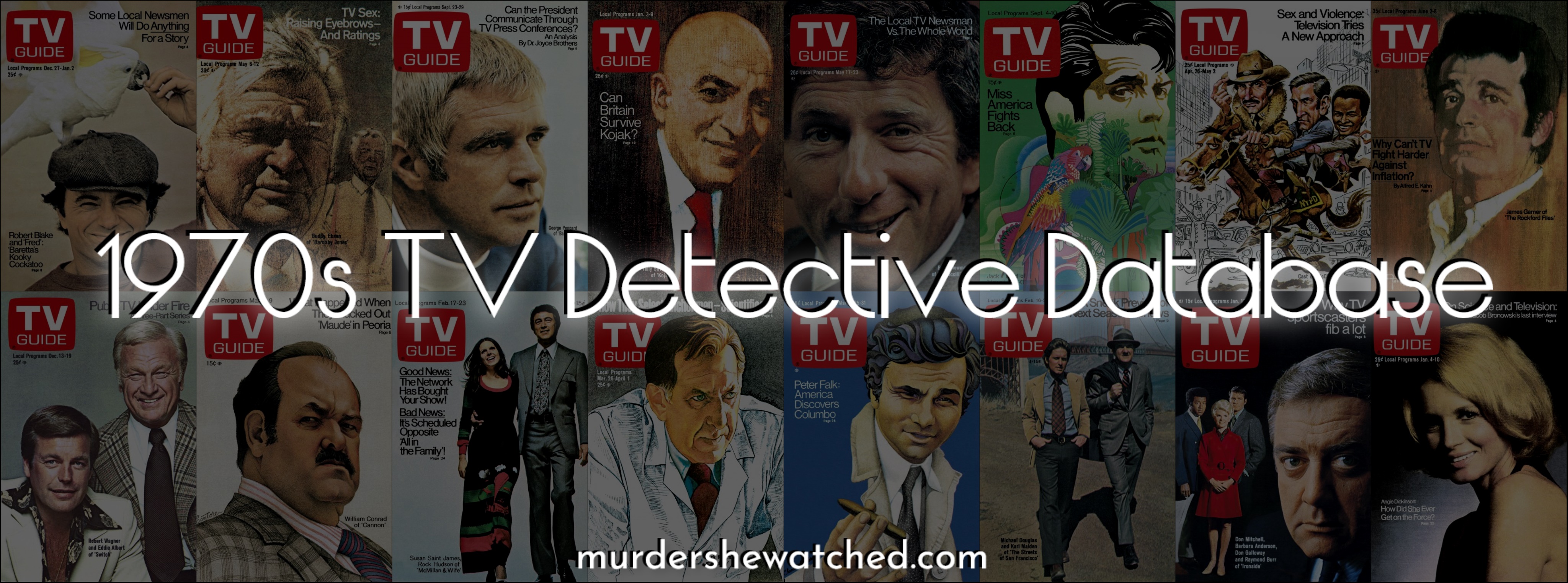
Early detective television was heavily influenced by radio dramas and pulp fiction. Series like Dragnet (1951) established the "just the facts" approach, emphasizing the methodical nature of police work. This era introduced the world to the "inverted detective story," most famously pioneered by Columbo (1971). Unlike traditional mysteries where the audience tries to guess the killer, Columbo showed the crime first, focusing the drama on how the detective would eventually outsmart the perpetrator.
During the 1970s, the "Private Eye" trope became a staple. Shows like The Rockford Files and Magnum, P.I. moved away from rigid police structures, focusing instead on charismatic, often struggling individuals operating on the fringes of the law. These characters brought a sense of rugged individualism and humor to the genre, often highlighting the friction between private investigators and official law enforcement.
Grit and Realism (1980s–1990s)
The 1980s saw a shift toward "ensemble" procedurals. Hill Street Blues (1981) revolutionized the genre by introducing serialized storylines and a "shaky-cam" aesthetic that suggested documentary-style realism. It moved the focus from the "crime of the week" to the complex personal lives and moral ambiguities of the officers.
This evolution culminated in the 1990s with NYPD Blue, which pushed the boundaries of broadcast television with its gritty dialogue and visceral depictions of urban life. Simultaneously, the "Law & Order" franchise (1990) began its multi-decade reign, perfecting the two-part structure: the police investigation followed by the legal prosecution. This format proved so durable that it remains a cornerstone of the American detective landscape in 2026.
The Peak TV Era and the Deconstructed Detective (2000s–2026)
With the rise of premium cable and streaming services, the detective genre became a vehicle for high-concept art and social commentary. The Wire (2002) is frequently cited as one of the greatest television series of all time, using the detective framework to examine the systemic failures of American institutions.
In the 2010s and 2020s, the genre leaned into "prestige noir." True Detective (2014) introduced an anthology format characterized by cinematic production values and philosophical depth. As we move through 2026, the trend has shifted toward "limited series" that offer a closed-ended, novelistic experience, such as Mare of Easttown or the various expansions of the Bosch universe.
Categorized American Detective TV Series List
To help you navigate the vast landscape of crime television, we have categorized these essential series by their primary narrative focus and subgenre.
1. The Classic Police Procedurals
These series focus on the inner workings of police departments, emphasizing teamwork, forensics, and the legal system.
- Law & Order (1990–Present): The gold standard of the procedural. Its "ripped from the headlines" approach and rotating cast have allowed it to stay relevant for over thirty years.
- CSI: Crime Scene Investigation (2000–2015): This series shifted the focus from interrogation to the laboratory. It popularized the use of forensic science in mainstream media, leading to what sociologists call the "CSI Effect."
- The Shield (2002–2008): A darker take on the procedural, focusing on a corrupt anti-gang unit. It challenged the "hero cop" narrative and paved the way for modern anti-hero dramas.
- Blue Bloods (2010–2024): A blend of police procedural and family drama, focusing on multiple generations of the Reagan family serving in the NYPD.
2. Private Investigators and "Consultant" Detectives
This category features protagonists who operate outside the traditional police hierarchy, often possessing unique skills or eccentric personalities.
- Monk (2002–2009): Tony Shalhoub stars as Adrian Monk, a brilliant detective with obsessive-compulsive disorder. The show balanced humor with genuine mystery and emotional depth regarding Monk's personal tragedy.
- Psych (2006–2014): A lighter, comedic take on the genre where a man with high observational skills pretends to be a psychic to consult for the Santa Barbara Police Department.
- The Mentalist (2008–2015): Similar to Psych but with a more serious tone, featuring a former "psychic" medium who uses his skills of observation and manipulation to help the California Bureau of Investigation.
- Poker Face (2023–Present): A modern homage to the "howcatchem" format of Columbo, featuring Charlie Cale, a woman with an innate ability to detect lies who solves crimes while on the run.
3. Gritty Noir and Psychological Thrillers
These series often deal with the psychological toll of detective work and feature complex, multi-layered investigations.
- True Detective (2014–Present): An anthology series where each season features a new cast and a new macabre mystery. It is known for its atmospheric direction and exploration of cosmic horror and nihilism.
- Mindhunter (2017–2019): Set in the late 1970s, this series follows FBI agents in the Behavioral Science Unit as they interview imprisoned serial killers to understand their psychology.
- Bosch / Bosch: Legacy (2014–Present): Based on the novels by Michael Connelly, this series follows Harry Bosch, a relentless LAPD homicide detective. It is praised for its realism and its love letter to the city of Los Angeles.
- The Killing (2011–2014): A moody, atmospheric series set in Seattle that follows a single murder investigation over an entire season, emphasizing the grief and political fallout of the crime.
Essential Viewing: Comparative Analysis of Top Series
The following table compares key American detective series across different eras, highlighting their unique contributions to the genre.
| Show Title | Era | Primary Subgenre | Defining Characteristic |
|---|---|---|---|
| Columbo | 1970s | Inverted Mystery | The "Howcatchem" format; the rumpled, underestimated hero. |
| Miami Vice | 1980s | Neo-Noir / Stylized | High-fashion, synth-pop soundtrack, and focus on undercover work. |
| The Wire | 2000s | Social Realism | Deconstructs the "War on Drugs" and institutional decay. |
| Criminal Minds | 2000s | Behavioral Analysis | Focuses on profiling the "UnSub" (Unknown Subject). |
| Longmire | 2010s | Western Mystery | Modern-day sheriff in rural Wyoming; focuses on tribal relations. |
| Slow Horses | 2020s | Espionage / Detective | Though British-produced, it follows American noir tropes of flawed outcasts. |
| The Lincoln Lawyer | 2020s | Legal / PI | A "defense-side" detective story focusing on mobile operations. |
The Cultural Impact and Technical Depth of the Genre
The American detective series does more than entertain; it reflects the prevailing anxieties and values of the time. For instance, the transition from the "perfect" detectives of the 1950s to the flawed, traumatized detectives of 2026 reflects a broader cultural shift toward acknowledging mental health and the complexities of human nature.
The "Whodunnit" vs. The "Howcatchem"
In technical terms, the "whodunnit" (or traditional mystery) relies on the clue-puzzle structure. The audience is presented with a closed circle of suspects and must use deductive reasoning alongside the protagonist. In contrast, the "howcatchem" (inverted detective story) relies on the cat-and-mouse dynamic. The tension comes from watching the detective find the one tiny mistake the criminal made, which is often a more character-driven approach to storytelling.
The Role of Technology in Modern Scripts
By 2026, the "technological detective" has become a mainstay. While older shows relied on shoe-leather gumshoeing, modern series integrate digital forensics, AI-assisted surveillance, and cyber-profiling. This has changed the pacing of the American detective series. Writers must now find ways to create tension in an era where a DNA match or a GPS ping can solve a case in minutes. Shows like Person of Interest were early adopters of this "mass-surveillance" narrative, which has now become standard in contemporary procedurals.
The Future of the Genre in 2026
As we navigate the television landscape in 2026, the American detective series is moving toward hyper-specialization. We see more "niche" detective stories—detectives who specialize in art theft, environmental crimes, or historical cold cases. Furthermore, the "limited series" format has largely replaced the 22-episode broadcast season for prestige dramas, allowing for higher production budgets and tighter, more cinematic scripts.
Streaming platforms like Netflix, Max, and Hulu have also revitalized international collaborations. While this list focuses on American series, many modern US detective shows are being influenced by "Nordic Noir" (dark, snowy, bleak) and "British Procedurals" (character-heavy, slow-burn), creating a globalized aesthetic that benefits the viewer with higher-quality storytelling.
Frequently Asked Questions
What is the difference between a police procedural and a private investigator series?
A police procedural focuses on official law enforcement officers (police, FBI, etc.) and emphasizes official protocols, forensics, and the legal system. A private investigator (PI) series focuses on independent actors who are hired by clients. PIs often have more freedom to operate outside the law but lack the resources and authority of the police.
Why are many modern detective shows limited to 8 or 10 episodes?
The shift from 22-episode seasons to shorter "limited series" is driven by the streaming model. Shorter seasons allow for higher-quality production, better-known actors (who may not want to commit to long filming schedules), and a more focused narrative that avoids "filler" episodes.
What is meant by the term "Noir" in detective television?
"Noir" refers to a stylistic and thematic category characterized by cynicism, moral ambiguity, and a dark, moody visual style (often involving heavy shadows and urban settings). Modern "Neo-Noir" updates these themes for contemporary settings, often focusing on the detective's internal struggles.
Which American detective series are best for fans of "cozy" mysteries?
Fans of cozy mysteries—which are generally less violent and more focused on puzzles and community—should look toward series like Murder, She Wrote, Monk, or Psych. These shows prioritize the intellectual challenge of the mystery over the "grittiness" of the crime.
Are there any detective series that focus on real-life cases?
While many series are "inspired" by real events, shows like Unbelievable (2019) and Under the Banner of Heaven (2022) are based on specific, documented true-crime accounts, blending journalistic accuracy with dramatic storytelling.
Practical Recommendation for Viewers
If you are new to the genre or looking for a new obsession in 2026, start with the "tentpoles." Watch Columbo to understand the roots of the genre, The Wire to see its highest intellectual achievement, and Bosch for the definitive modern police procedural. For those who prefer a lighthearted experience, Psych remains the most rewatchable "consultant" show of the modern era. Regardless of your preference, the American detective series continues to be one of the most resilient and evolving forms of media, constantly finding new ways to ask the oldest question in storytelling: Who did it?