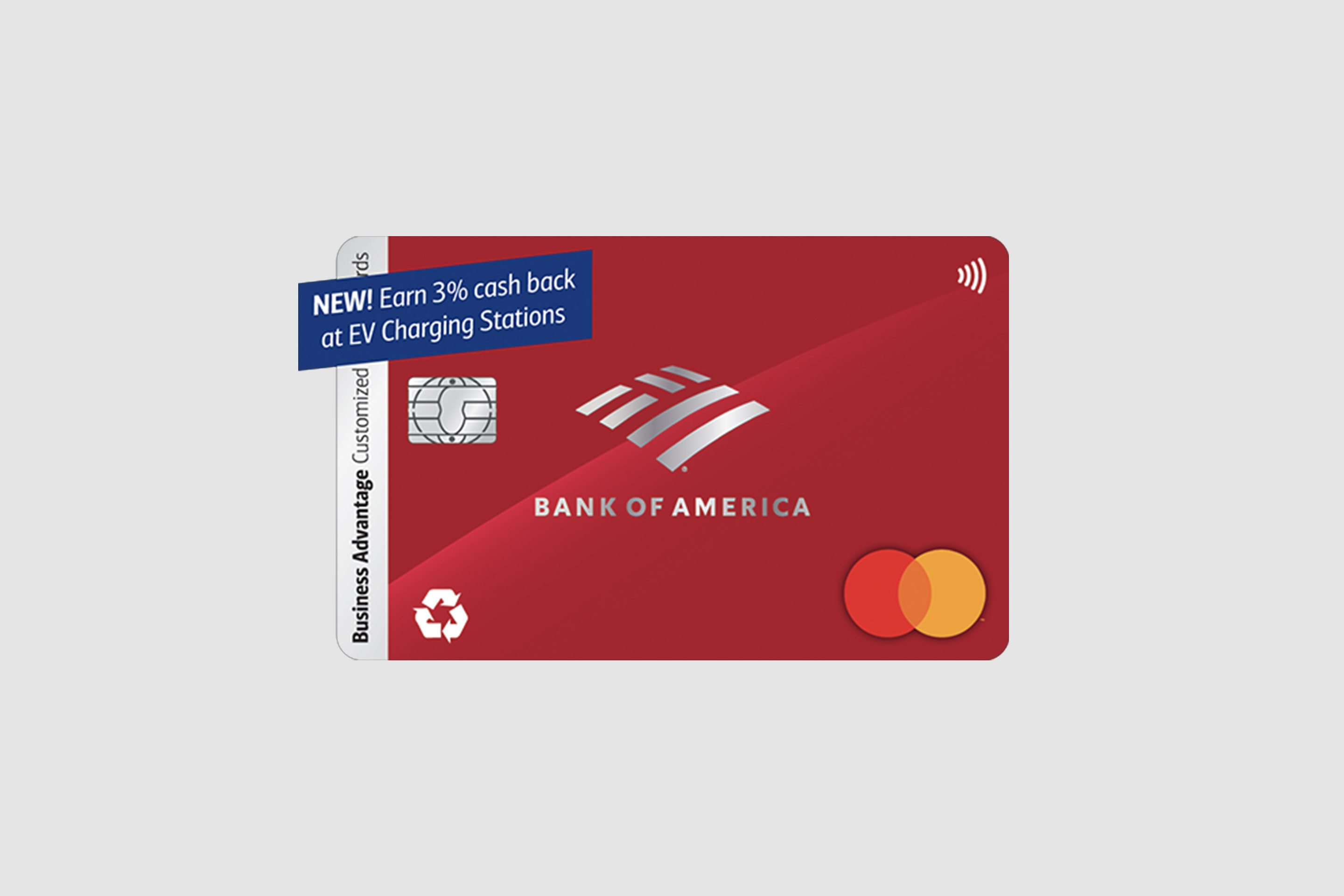
An American credit card company is a financial institution that issues lines of credit to consumers or a payment network that facilitates transactions between merchants and banks. In 2026, the industry is dominated by major issuers like JPMorgan Chase, American Express, and Citigroup, alongside payment networks such as Visa and Mastercard, all operating under strict federal regulations.
The United States possesses the most mature and complex credit card market in the world. For consumers and business owners, understanding how an American credit card company functions—and the differences between those that provide the money and those that provide the technology—is essential for navigating modern personal finance. As of 2026, the landscape has shifted toward high-tech security, personalized AI-driven rewards, and increased regulatory scrutiny regarding fees and interest rates.
The Dual Architecture: Issuers versus Networks
To understand any American credit card company, one must first distinguish between the two primary roles within the ecosystem: the Issuer and the Network. While some companies perform both roles, most specialize in one.
The Card Issuer
The issuer is the bank or financial institution that actually lends you the money. When you swipe your card, the issuer pays the merchant on your behalf, and you later repay the issuer. The issuer is responsible for setting interest rates (APR), determining credit limits, approving applications, and managing rewards programs. Examples of major American issuers include:
- JPMorgan Chase
- Capital One
- Bank of America
- Citigroup
- Wells Fargo
The Payment Network
The network is the technical infrastructure that allows the transaction to happen. It communicates between the merchant’s bank and the cardholder’s bank to authorize and settle the transaction. The network determines where the card is accepted globally. The primary networks in the U.S. are:
- Visa
- Mastercard
- American Express (also an issuer)
- Discover (also an issuer)
Companies like American Express and Discover are unique because they are "closed-loop" networks, meaning they act as both the bank that issues the credit and the network that processes the payment. In contrast, Visa and Mastercard are "open-loop" networks; they do not issue cards directly to consumers but partner with thousands of different banks.
Major American Credit Card Issuers in 2026
The market share in 2026 remains concentrated among a few "bulge bracket" banks. Each of these companies has carved out a specific niche in the competitive American landscape.
JPMorgan Chase: The Volume Leader
As the largest credit card issuer in the United States, JPMorgan Chase dominates through its diverse portfolio, most notably the Chase Sapphire and Chase Freedom suites. Their strategy focuses on the "Ultimate Rewards" ecosystem, which allows cardholders to pool points across different accounts. In 2026, Chase has integrated advanced AI assistants within its mobile app to provide real-time spending insights and automated fraud prevention, maintaining its lead in customer retention.
American Express: The Premium Standard
American Express (Amex) remains the gold standard for high-spend consumers and corporate accounts. Unlike many competitors, Amex generates a significant portion of its revenue from "discount fees" charged to merchants rather than just interest from cardholders. Their 2026 strategy continues to emphasize "lifestyle integration," offering premium lounge access, concierge services, and significant credits for streaming, travel, and wellness services.
Capital One: The Technology Disruptor
Capital One has successfully transitioned from a "subprime" lender in its early days to a massive tech-forward powerhouse. By 2026, their Venture and Savor lines have become direct competitors to premium travel cards. Capital One is noted for its early adoption of virtual card numbers and its "Eno" assistant, which helps users manage subscriptions and catch merchant errors automatically.
Citigroup: The Global Player
Citigroup (Citi) leverages its massive international footprint to serve travelers and global professionals. Their Citi Strata Premier (formerly Premier) and Double Cash cards remain staples in the American market. Citi’s focus in 2026 has been on "simplicity and flexibility," allowing users to convert cashback into ThankYou Points for travel transfers with high efficiency.
How American Credit Card Companies Generate Revenue
It is a common misconception that credit card companies only make money when customers carry a balance and pay interest. In reality, their revenue streams are diversified into three primary categories:
- Interchange Fees: Every time a card is used at a merchant, the merchant pays a fee (typically 1.5% to 3%). This fee is split between the issuer, the network, and the merchant's bank.
- Interest Income: For "revolvers"—customers who carry a balance from month to month—the Annual Percentage Rate (APR) generates significant income. In the 2026 economic environment, APRs have stabilized but remain a primary revenue driver for mid-tier banks.
- Service Fees: This includes annual fees for premium cards (ranging from $95 to $695+), late payment fees, foreign transaction fees, and balance transfer fees.
The Consumer Financial Protection Bureau (CFPB) has introduced stricter caps on late fees in recent years, forcing many American credit card companies to pivot toward subscription-style annual fees or enhanced merchant partnerships to maintain profitability.
Technical Standards and Security in 2026
Security is the foremost technical challenge for any American credit card company. The industry has moved far beyond the magnetic stripe.
- EMV Co-Optimization: In 2026, the "Contactless" (NFC) method is the standard for 95% of in-person transactions. Companies have perfected the "Tap to Pay" infrastructure to include multi-factor authentication (MFA) via mobile devices.
- Tokenization: When you store a card in a digital wallet like Apple Pay or Google Pay, the company doesn't share your actual card number with the merchant. Instead, it shares a "token"—a unique, one-time-use digital identifier.
- Biometric Cards: Some premium American issuers have begun trialing cards with built-in fingerprint scanners, eliminating the need for a PIN or signature entirely for high-value transactions.
- AI Fraud Detection: Machine learning models now analyze thousands of data points—including location, time of day, and historical spending patterns—to flag fraudulent transactions in milliseconds.
Comparing Top American Credit Card Entities
To help consumers choose the right partner, the following table compares the primary characteristics of the major players in the 2026 market.
| Company | Primary Role | Key Strength | Target Audience |
|---|---|---|---|
| JPMorgan Chase | Issuer | Versatile rewards ecosystem | Travelers & Families |
| American Express | Issuer & Network | High-end perks & Service | Premium/Business |
| Visa | Network | Universal acceptance | Everyone |
| Mastercard | Network | Tech & Security innovation | Everyone |
| Capital One | Issuer | User-friendly tech | Value-seekers |
| Discover | Issuer & Network | Customer service & Cashback | Students/New Credit |
Regulatory Environment and Consumer Rights
Every American credit card company must operate within the framework of several federal laws. The most significant is the Credit Card Accountability Responsibility and Disclosure (CARD) Act.
Transparency Requirements
Companies are legally required to provide "Schumer Boxes" in their marketing materials. These are standardized tables that clearly list the APR, annual fees, and grace periods, preventing companies from hiding costs in fine print.
The Role of the CFPB
The Consumer Financial Protection Bureau (CFPB) acts as the primary watchdog. In 2026, the CFPB focuses heavily on "junk fees" and ensuring that credit card companies do not use predatory algorithms to target vulnerable populations with high-interest products.
Dispute Resolution
Under the Fair Credit Billing Act (FCBA), American credit card companies must provide a mechanism for consumers to dispute unauthorized charges or goods that were never delivered. This protection is one of the primary reasons consumers prefer credit cards over debit cards or cash for large purchases.
How to Select the Right American Credit Card Company
Choosing a card is less about the brand name and more about the specific financial utility the card provides. Prospective cardholders should follow these steps:
- Identify Your Credit Profile: Use a service to check your FICO or VantageScore. Premium companies like Amex or Chase generally require a score of 700 or higher.
- Determine Your Spending Habits: If you spend heavily on groceries and gas, look for a "Cashback" issuer like Blue Cash from Amex. If you travel, look for a "Travel Rewards" issuer like Capital One.
- Evaluate the "Effective" Annual Fee: A card might have a $550 annual fee, but if it provides $600 in credits for services you already use, the company is effectively paying you to use the card.
- Check Network Acceptance: If you travel internationally, a Visa or Mastercard (open-loop) is generally more reliable than a Discover card (closed-loop), though Discover’s international footprint has expanded significantly by 2026.
Common Mistakes to Avoid
Even when dealing with reputable American credit card companies, consumers often fall into traps that can damage their financial health:
- Paying Only the Minimum: This is the most expensive way to use a credit card. American issuers calculate interest daily; paying only the minimum allows interest to compound, often leading to a debt spiral.
- Ignoring the "Statement Closing Date": There is a difference between the "Due Date" and the "Closing Date." To optimize your credit score, you should ensure your balance is low on the closing date, as this is when the company reports your utilization to the credit bureaus.
- Applying for Too Many Cards at Once: Each application results in a "hard inquiry" on your credit report. American credit card companies often view multiple inquiries in a short period as a sign of financial distress, which can lead to automatic denials.
Frequently Asked Questions
Which American credit card company is the easiest to get approved for?
Generally, Capital One and Discover are known for offering products across the entire credit spectrum, including "secured" cards for those with no credit history. However, approval always depends on individual income and existing debt levels.
Is American Express accepted everywhere in 2026?
While Amex acceptance has reached near-parity with Visa and Mastercard in the United States, some small "mom-and-pop" shops may still decline it due to higher merchant processing fees. Internationally, it is widely accepted in major cities but less so in rural areas.
What is the difference between a credit card company and a bank?
In most cases, the credit card company is a bank (like Wells Fargo). However, some "Fintech" companies offer credit cards by partnering with a "Sponsor Bank" that holds the actual charter and funds the loans.
Can I have cards from multiple companies at once?
Yes. In fact, many financial experts recommend having cards from at least two different networks (e.g., one Visa and one Amex) to ensure you always have a working payment method regardless of merchant restrictions or technical outages.
How do I report a lost card to an American credit card company?
All major US issuers provide 24/7 support through their mobile apps or toll-free numbers. In 2026, most apps allow you to "freeze" or "lock" your card instantly, which stops new transactions while you look for the card, without needing to cancel the account entirely.
Practical Next Action
If you are looking to open an account with an American credit card company, your first step should be to visit the official website of the issuer to check for "pre-approval" or "pre-qualified" offers. These checks use a "soft pull" on your credit, which does not lower your score, and will give you a clear indication of which products you are eligible for before you commit to a formal application.