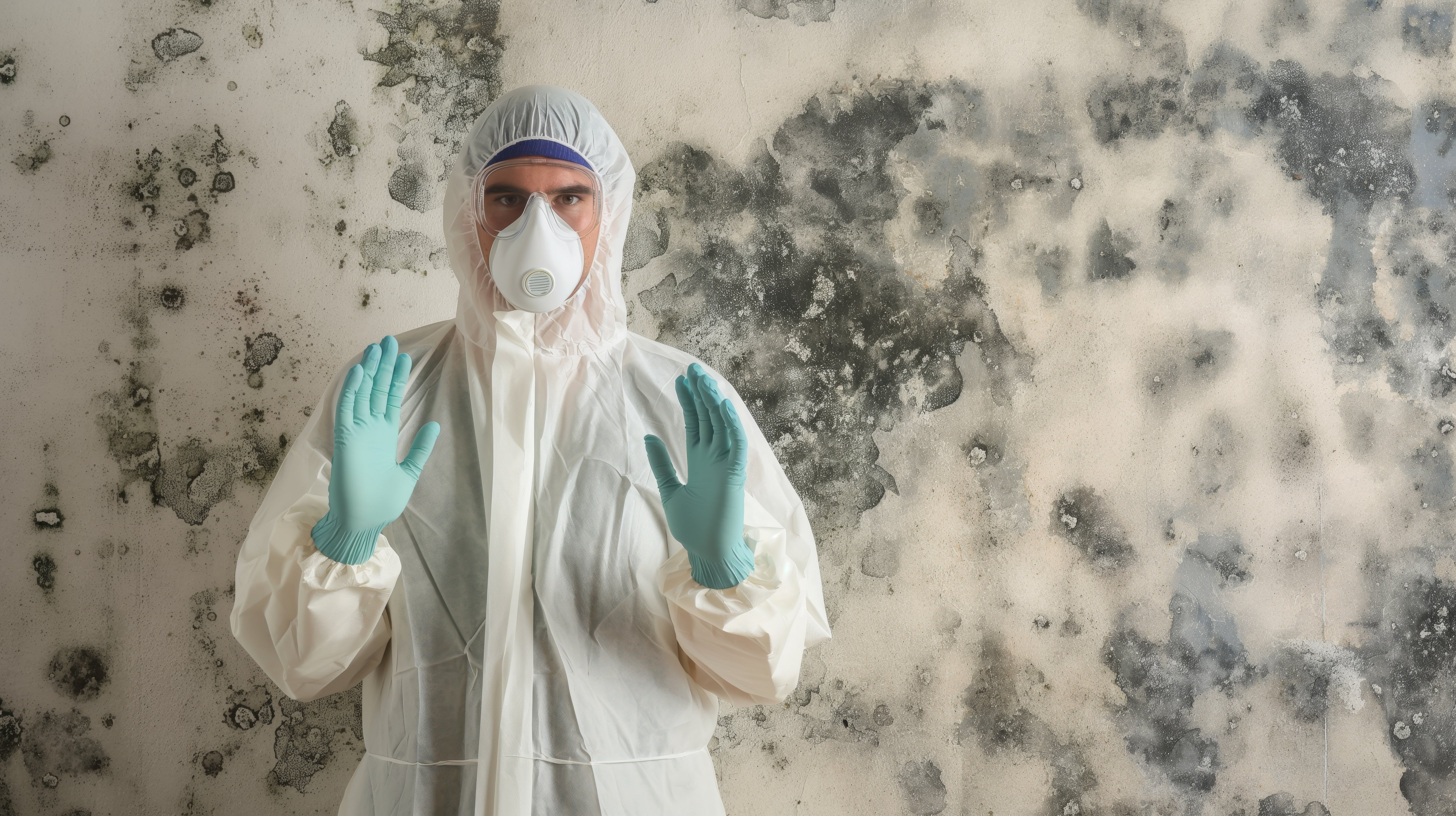
The American Council of Accredited Certifications (ACAC) offers the industry's most prestigious third-party accredited credentials for mold remediation professionals. In 2026, the ACAC remains the only certifying body in the indoor environmental field whose programs are independently accredited by the Council of Engineering and Scientific Specialty Boards (CESB), ensuring that mold remediators meet rigorous standards of experience, knowledge, and ethical conduct.
Selecting the right certification through the American Council of Accredited Certifications (ACAC) is a critical step for professionals seeking to demonstrate high-level competency in mold remediation. Unlike many organizations that combine training and testing, the ACAC is a "certifying body" only. This separation of powers means they do not provide the training for their own exams, which eliminates conflicts of interest and ensures that the certification is a true measure of an individual's professional experience and mastery of industry standards, such as the IICRC S520.
The Role of the ACAC in the Mold Remediation Industry
The American Council of Accredited Certifications (ACAC) serves as an independent board that validates the skills of indoor environmental professionals. In an industry often crowded with "weekend certifications" that require only a few hours of online coursework, the ACAC stands apart by requiring documented field experience before an applicant can even sit for an exam.
For the year 2026, the ACAC continues to uphold its status as the "gold standard" because its programs are accredited by the Council of Engineering and Scientific Specialty Boards (CESB). This accreditation is vital because it signifies that the ACAC follows ISO/IEC 17024 standards for personnel certification. When an insurance company, a state regulatory board, or a high-end commercial client requires a "board-certified" professional, they are almost universally referring to an ACAC certificant.
The ACAC does not operate as a trade association; it is a non-profit certifying body. This distinction is important for consumers and professionals alike. Because the ACAC does not sell training materials or equipment, its examinations are designed to test the candidate’s comprehensive knowledge of the entire field, rather than their ability to memorize a specific instructor's curriculum.
Tiered Certifications for Mold Remediation Professionals
The ACAC offers three primary tiers of certification specifically for the mold remediation sector. Each tier is designed to reflect the professional's level of experience and their role within a project, from residential field technicians to high-level project supervisors overseeing multi-million dollar commercial abatements.
Certified Residential Mold Remediator (CRMR)
The CRMR is the entry-level board certification for those focusing on residential structures. While it is the "starting" point for ACAC mold remediation credentials, it still requires two years of documented field experience. In 2026, this certification is widely recognized by residential insurance adjusters and property management firms as proof that the technician understands the fundamentals of containment, pressure differentials, and HEPA filtration within a home environment.
Certified Mold Remediator (CMR)
The CMR is the standard professional-level certification. It is intended for individuals who perform or supervise mold remediation in both residential and commercial settings. Applicants must demonstrate at least two years of field experience in mold remediation. The CMR exam covers a broad spectrum of technical topics, including microbiology, building science, and the legal aspects of remediation.
Certified Mold Remediation Supervisor (CMRS)
The CMRS is the highest level of remediation certification offered by the ACAC. It is designed for senior project managers and business owners who oversee complex remediation projects. To qualify for the CMRS, a candidate must document at least five years of field experience. This certification is often required for large-scale government contracts and complex litigation cases where expert testimony is required.
The Value of Third-Party Accreditation (CESB)
One of the most frequent questions from professionals is why they should pursue an ACAC certification over others. The answer lies in the Council of Engineering and Scientific Specialty Boards (CESB).
CESB accreditation ensures that the ACAC operates with a high degree of integrity. To maintain this accreditation, the ACAC must prove that its exams are psychometrically sound—meaning they are statistically valid and reliable measures of knowledge. Furthermore, the ACAC must maintain a strict "arm’s length" relationship between the certification board and any training providers.
In the current 2026 regulatory environment, many states have moved toward mandatory licensing for mold professionals. In states like Florida, Texas, and New York, the ACAC certifications are often recognized as a pathway to licensure because the state boards trust the rigorous vetting process the ACAC employs.
Eligibility Requirements and the Application Process
Obtaining a certification from the American Council of Accredited Certifications is not as simple as paying a fee and taking a test. The ACAC employs a multi-step verification process to ensure that only qualified individuals carry their credentials.
Experience Verification
The most significant hurdle for many applicants is the experience requirement. Applicants must submit a detailed "Affidavit of Experience" that lists specific projects, dates, and the nature of the work performed. For the CMR and CMRS, this experience must be verified by a supervisor or a client. This prevents individuals with no field experience from bypassing the practical requirements of the trade.
Education and Training
While the ACAC does not provide training, they do require that applicants have a baseline understanding of the industry. Most candidates attend a third-party prep course that covers the IICRC S520 Standard and Reference Guide for Professional Mold Remediation, as well as EPA guidelines and OSHA safety regulations.
The Application Fee Structure
As of 2026, the application and examination fees are structured to cover the administrative costs of the board and the proctoring of the exam.
- Application Fee: Usually ranges from $300 to $500 depending on the tier.
- Examination Fee: Often included in the initial application, but retakes involve additional costs.
- Annual Maintenance: Certificants must pay an annual fee to keep their status active.
Examination Content and Technical Depth
The ACAC exams are notoriously difficult because they do not rely on "common sense" answers. They require a deep understanding of building science and the physical behavior of fungal spores.
Key areas covered in the mold remediation exams include:
- Containment Strategies: The design and implementation of Source Containment, Local Containment, and Full Containment.
- Pressure Differentials: How to use air pressure (negative pressure) to prevent the cross-contamination of "clean" areas of a building.
- Microbiology: Understanding the different types of mold (e.g., Stachybotrys, Aspergillus, Penicillium) and their health effects.
- Personal Protective Equipment (PPE): Proper selection and fit-testing of respirators, suits, and gloves.
- Biocides and Antimicrobials: The legal and practical application of chemicals in the remediation process.
- Post-Remediation Verification (PRV): Understanding how a project is "cleared" by a third-party industrial hygienist.
The exam for the CMRS (Supervisor) level includes additional sections on project management, contract law, and insurance liability, reflecting the higher level of responsibility held by these professionals.
Comparison of ACAC Mold Remediation Certifications (2026 Standards)
| Certification Tier | Title | Experience Required | Target Audience | Primary Focus |
|---|---|---|---|---|
| CRMR | Certified Residential Mold Remediator | 2 Years | Residential Techs | Home-based mold cleanup and containment. |
| CMR | Certified Mold Remediator | 2 Years | Field Professionals | Commercial and residential remediation projects. |
| CMRS | Certified Mold Remediation Supervisor | 5 Years | Project Managers | Large-scale project oversight and expert consulting. |
| CIEC | Certified Indoor Environmental Consultant | 8 Years | Consultants | High-level investigation and protocol development. |
Recertification and Continuing Education
A certification from the American Council of Accredited Certifications is not a lifetime award. To ensure that professionals stay current with evolving technology and standards, the ACAC requires recertification every two years.
In 2026, the requirements for recertification include:
- Continuing Education Units (CEUs): Certificants must earn 40 hours of relevant continuing education every two years. This can include attending industry conferences, completing advanced training courses, or participating in webinars.
- Professional Activity: Proof that the individual is still actively working in the field of mold remediation or indoor environmental consulting.
- Recertification Fee: A standard fee must be paid to the ACAC to process the renewal and issue new credentials.
Failure to meet these requirements results in the expiration of the certification. Once expired, a professional cannot use the ACAC initials or logo and may have to retake the examination to regain their status.
Why Consumers Should Demand ACAC-Certified Contractors
For property owners, mold is a significant health and financial risk. Hiring a contractor who holds an ACAC certification provides a layer of protection that "uncertified" or "self-certified" contractors cannot offer.
- Verified Expertise: You know the contractor has at least 2 to 5 years of experience.
- Ethics and Integrity: ACAC certificants agree to abide by a strict Code of Ethics. If a contractor violates these ethics, their certification can be revoked by the board.
- Insurance Compliance: Many high-end homeowners' insurance policies and commercial liability policies have "mold riders" that require work to be performed by board-certified professionals to ensure the claim remains valid.
- Scientific Approach: ACAC professionals are trained to follow the science. They prioritize finding the moisture source and physically removing the mold rather than simply "spraying and praying" with ineffective chemicals.
Navigating the ACAC Portal and Verification Tools
One of the most useful features of the ACAC website in 2026 is the "Verify a Certificant" tool. This allows clients, employers, and government agencies to enter a professional's name or certification number to see if their status is "Active."
Professionals use the portal to track their CEUs, pay annual fees, and download digital versions of their certificates for use in bid proposals. The ACAC has streamlined this process to ensure that verification is instantaneous, which is crucial when a contractor is at a job site trying to prove their credentials to a building inspector.
Common Mistakes When Applying for ACAC Certification
Many qualified professionals fail to achieve ACAC certification on their first attempt, not because they lack knowledge, but because of errors in the application process.
- Inadequate Experience Documentation: Simply stating you "did mold work" is insufficient. The ACAC requires a breakdown of your specific role in projects.
- Underestimating the Exam: Because the ACAC is an independent body, the exam covers a wider breadth of knowledge than a single training course might provide. Professionals should study multiple industry standards, not just one manual.
- Missing Deadlines: The application window for certain exam cycles can be tight. In 2026, it is recommended to start the application process at least 90 days before you intend to sit for the exam.
Frequently Asked Questions
What is the difference between IICRC and ACAC certifications?
The IICRC (Institute of Inspection, Cleaning and Restoration Certification) is primarily a training-based organization. You take a class and then take a test based on that class. The ACAC is a board-certifying body that requires years of experience and is accredited by the CESB. While the IICRC is excellent for technicians learning the trade, the ACAC is often preferred for supervisors, consultants, and experts due to its third-party accreditation and experience requirements.
Does ACAC certification expire?
Yes, ACAC certifications expire every two years. To maintain the certification, you must provide proof of 40 hours of continuing education (CEUs) and pay a recertification fee. This ensures that all board-certified professionals are up-to-date with the latest 2026 industry standards and technologies.
Can I get ACAC certified without field experience?
No. All ACAC mold remediation certifications (CRMR, CMR, and CMRS) require a minimum of two to five years of documented field experience. The ACAC does not offer "trainee" certifications for those who have never worked in the field. This requirement is central to their CESB accreditation.
Is the ACAC exam taken online or at a testing center?
As of 2026, ACAC exams are typically taken at authorized computer-based testing centers (such as those operated by Prometric or similar vendors) or through a strictly proctored online environment. This ensures the integrity of the testing process and prevents cheating.
Are ACAC certifications recognized internationally?
Yes, the ACAC is recognized globally, particularly in countries that follow North American indoor air quality (IAQ) standards. Because of its CESB and ISO-compliant structure, international firms often seek ACAC-certified professionals for consulting and high-level remediation projects in Canada, the Middle East, and Europe.
Practical Recommendations for Candidates
If you are a mold remediation professional in 2026 looking to elevate your career, the first step is to honestly assess your experience level. If you have been in the field for at least two years, the Certified Mold Remediator (CMR) is the most versatile and valuable credential you can pursue.
Before applying, ensure your project logs are detailed and your references are ready to vouch for your work. Invest in a comprehensive study guide that covers the IICRC S520 and the EPA's "Mold Remediation in Schools and Commercial Buildings." Once you achieve certification, display the ACAC logo prominently on your marketing materials and website, as it serves as a powerful differentiator in a competitive market.
For consumers, always ask for a contractor's ACAC certification number and verify it through the official council website before signing a contract. This simple step can save you from costly, ineffective remediation and ensure your property is restored to a safe, healthy condition.