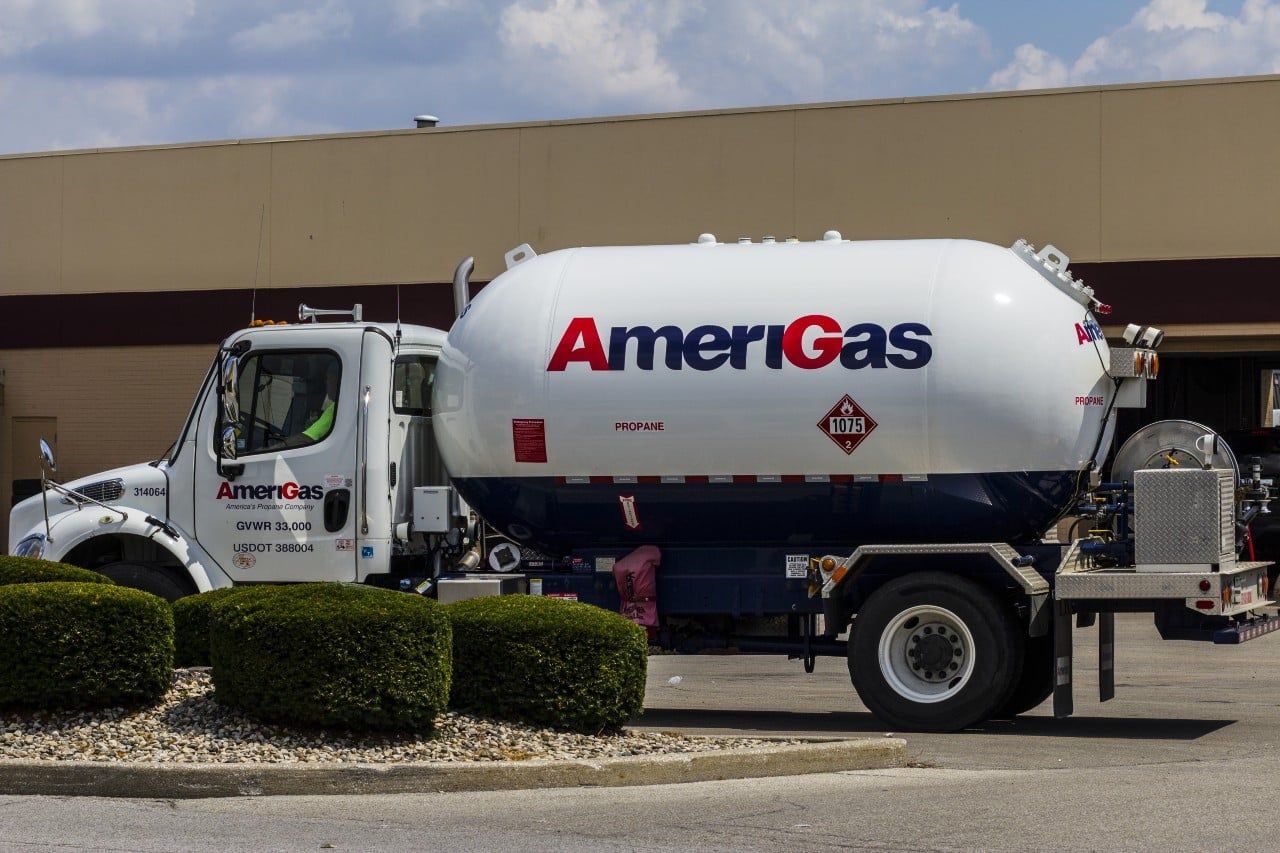
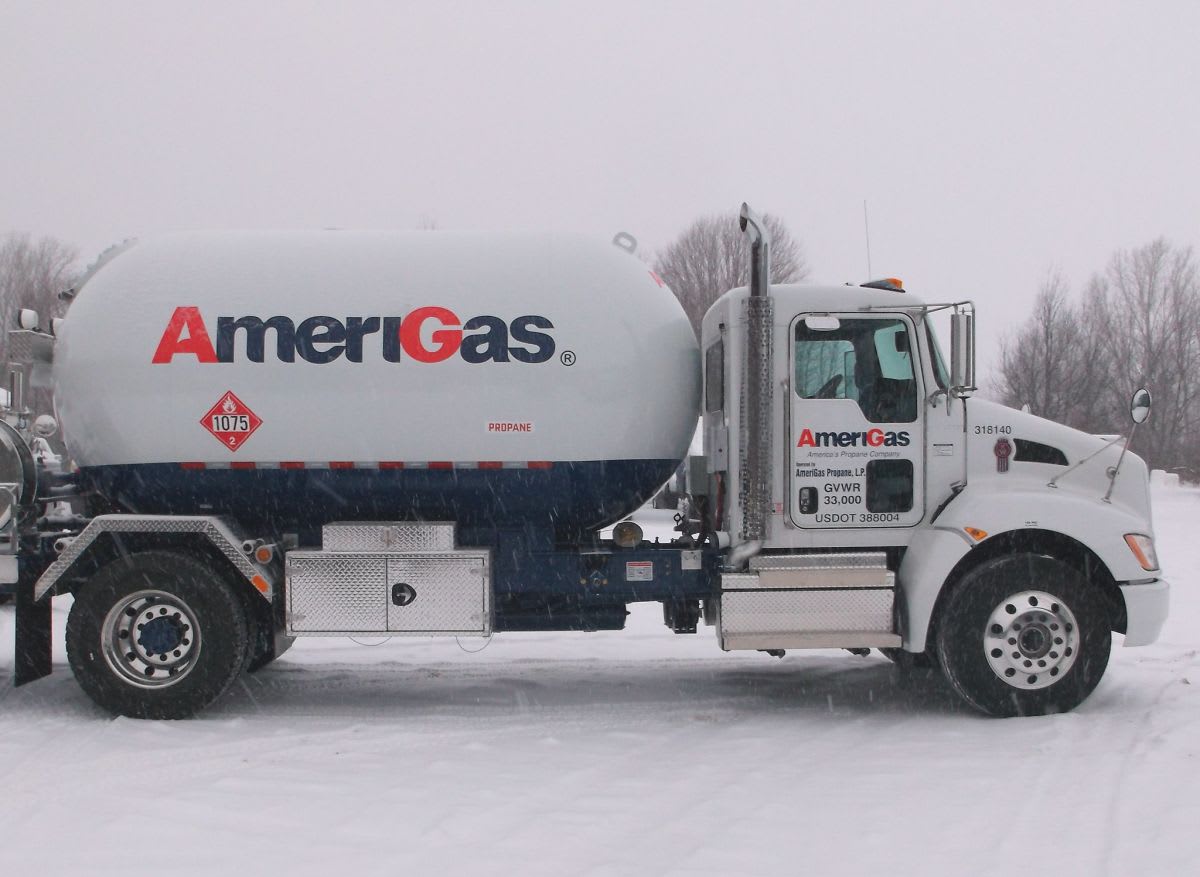
AmeriGas Propane is the largest retail propane distributor in the United States, serving over one million residential, commercial, and agricultural customers across all 50 states. As of 2026, the company continues to provide essential energy solutions, including tank installation, reliable fuel delivery, and comprehensive maintenance services for home heating, cooking, and industrial operations.
Understanding the Role of AmeriGas in the U.S. Energy Landscape
AmeriGas Propane, a subsidiary of UGI Corporation, occupies a dominant position in the American energy sector. Unlike natural gas, which relies on fixed pipeline infrastructure, propane is a portable, high-energy-density fuel that is essential for rural and suburban areas where utility gas lines do not reach. In 2026, the company’s logistics network remains the most extensive in the nation, comprising thousands of distribution locations and a massive fleet of delivery trucks.
The primary appeal of choosing a national provider like AmeriGas lies in the reliability of supply. While local "mom-and-pop" propane companies may offer competitive localized service, a national entity has the infrastructure to move inventory across state lines during extreme weather events or supply chain disruptions. This scale ensures that residential heating remains uninterrupted even during peak winter demand.
Residential Propane Services and Applications
For homeowners, propane is often a preferred alternative to electricity for high-demand appliances due to its efficiency and lower carbon footprint compared to coal-fired grid power. AmeriGas categorizes its residential services into several key areas:
Home Heating and Water Heating
Propane furnaces generally have a longer lifespan than electric heat pumps and provide "warmer" air (usually delivered at 120°F to 140°F). AmeriGas provides the fuel necessary to run high-efficiency furnaces and boilers. Additionally, tankless propane water heaters have become a standard recommendation in 2026 due to their ability to provide endless hot water while occupying significantly less space than traditional tanks.
Cooking and Outdoor Living
Chef-grade gas ranges require the precise temperature control that only a flame can provide. Beyond the kitchen, AmeriGas supports the growing trend of outdoor living spaces. This includes fueling outdoor kitchens, patio heaters, fire pits, and pool heaters. The company offers specialized small-tank services for these applications, distinct from the large primary tanks used for home heating.
Whole-Home Standby Generators
With the increasing frequency of grid instability, many homeowners have turned to propane-powered standby generators. Unlike gasoline or diesel generators, propane does not degrade over time while sitting in a tank. AmeriGas coordinates with electrical contractors to ensure that generator tanks are appropriately sized to provide 7 to 10 days of continuous power during an outage.
The MyAmeriGas Digital Platform and 2026 Technology
In 2026, the customer experience is defined by the MyAmeriGas digital portal. The company has moved away from traditional paper billing and phone-based ordering toward a fully integrated IoT (Internet of Things) ecosystem.
- Smart Tank Monitoring: Most new installations now include a wireless tank monitor. These devices use ultrasonic or pressure-based sensors to transmit real-time fuel levels to the AmeriGas dispatch center and the customer's smartphone app.
- Predictive Delivery Algorithms: By combining real-time tank data with local weather forecasts (heating degree days), the AmeriGas system automatically schedules deliveries when a tank reaches approximately 20% to 30% capacity. This eliminates the need for customers to manually check gauges.
- Paperless Account Management: Customers can view historical usage patterns, download tax documents for energy credits, and pay invoices via the mobile app.
Propane Tank Sizes and Technical Specifications
Choosing the right tank size is critical for both safety and cost-efficiency. AmeriGas offers a variety of tank configurations, which can be installed either above-ground or underground. Underground tanks are increasingly popular in 2026 as they preserve the aesthetic of the property, with only a small green dome visible for refilling.
| Tank Size (Gallons) | Common Dimensions (Approx.) | Primary Use Cases |
|---|---|---|
| 120 Gallons | 4' 6" H x 30" D | Hot water, cooking, or fireplaces; not for whole-home heat. |
| 250 Gallons | 7' 10" L x 30" D | 1-2 moderate appliances or small home supplemental heat. |
| 500 Gallons | 9' 10" L x 37" D | Standard size for whole-home heating and multiple appliances. |
| 1,000 Gallons | 16' 2" L x 41" D | Large estates, commercial heating, or high-demand generators. |
Note: Propane tanks are typically filled to only 80% of their total capacity to allow for liquid expansion due to temperature changes.
Delivery Options: Automatic vs. Will Call
AmeriGas offers two primary delivery models, and understanding the difference is essential for avoiding "run-out" fees or emergency delivery surcharges.
- Automatic Delivery: This is the most common selection. AmeriGas takes responsibility for monitoring your fuel levels. In most cases, the company offers a "No Run-Out Guarantee" for customers on this plan. If the company fails to deliver and the customer runs out of gas, they typically waive the required leak check fee and provide a credit.
- Will Call: The customer is responsible for monitoring the gauge on the tank. When the gauge reads 30%, the customer must contact AmeriGas to schedule a delivery. The risk of Will Call is that during peak season, delivery windows can extend to 10-14 days. If a tank runs dry, federal safety regulations require a certified technician to perform a Leak Check before the system can be re-pressurized, which incurs an additional cost.
Pricing Structures and Contract Types
Propane pricing is notoriously volatile as it is a byproduct of both natural gas processing and crude oil refining. To help consumers manage costs, AmeriGas offers several pricing programs:
- Market Price: The price fluctuates based on daily energy market movements. This is the "default" for many customers but offers the least protection against winter price spikes.
- Locked-In/Pre-Buy: Customers can purchase their estimated annual gallons during the summer months when prices are historically lower. This "locks in" the rate for the entire winter season.
- Guaranteed Price Cap: For a small annual fee, AmeriGas sets a "ceiling" on the price per gallon. If market prices drop, the customer pays the lower price; if they skyrocket, the customer is protected by the cap.
- Monthly Payment Plans: Rather than paying $800 for a single delivery in January, the estimated annual cost is divided into 12 equal monthly installments, aiding in household budgeting.
Safety Protocols and Emergency Procedures
Propane is a safe and efficient fuel when handled correctly, but it requires strict adherence to safety standards established by the Propane Education & Research Council (PERC).
What to do if you smell gas: Propane has a distinct odorant added to it—mercaptan—which smells like rotten eggs or a dead animal. If this odor is detected:
- Extinguish all smoking materials and open flames.
- Immediately get everyone out of the building or area.
- Do not operate any electric switches, thermostats, or phones, as these can create a spark.
- Turn off the main gas supply valve on the propane tank if it is safe to do so.
- Report the leak by calling 911 or the AmeriGas emergency line from a neighbor’s phone.
- Do not return to the area until a qualified service technician or emergency responder confirms it is safe.
AmeriGas technicians are trained to perform Gas System Safety Checks, which involve inspecting the tank, piping, regulators, and appliances to ensure the entire system is gastight. In 2026, these inspections are often documented digitally, with reports sent directly to the customer's email.
Sustainability and Renewable Propane (rLPG)
As the United States moves toward "Net Zero" goals, AmeriGas has invested heavily in Renewable Propane (rLPG). As of 2026, this product is becoming more widely available in specific markets, particularly on the West Coast and in the Northeast.
Renewable propane is chemically identical to conventional propane but is produced from biomass, vegetable oils, and other waste residues. It offers a significantly lower carbon intensity score while remaining compatible with all existing propane appliances and tanks. Customers interested in reducing their environmental impact can often opt into programs that blend traditional propane with renewable sources.
Comparing AmeriGas to Competitors
While AmeriGas is the largest, it competes with other national entities like Suburban Propane and Ferrellgas, as well as local cooperatives.
- AmeriGas vs. Local Dealers: Local dealers often provide more personalized service and may have lower "delivery fees." However, AmeriGas typically offers superior digital tools and a more robust emergency response network.
- Leasing vs. Owning the Tank: Most AmeriGas customers lease their tanks. This means AmeriGas is responsible for the maintenance and repair of the tank and regulator. If you own your tank, you have the freedom to shop around for the lowest price per gallon from any supplier, but you are responsible for all maintenance and safety compliance costs.
Frequently Asked Questions
Why does my propane price change between deliveries?
Propane is a commodity influenced by global supply and demand, weather patterns, and the cost of crude oil. Unless you are on a "Fixed Price" or "Price Cap" plan, your rate will fluctuate based on the current market value at the time of delivery.
What is the "Leak Check" fee, and is it mandatory?
If your propane tank runs completely empty, the pressure in the lines drops. This can cause seals to dry out or allow air into the system. Under NFPA 54 (National Fuel Gas Code), a leak test is mandatory whenever the gas supply has been interrupted. AmeriGas charges a fee for this service because it requires a technician to enter the home and inspect every appliance.
Can I use AmeriGas for my business or farm?
Yes. AmeriGas has dedicated divisions for commercial and agricultural use. This includes fueling forklifts (cylinder exchange programs), heating commercial greenhouses, and providing autogas for vehicle fleets. They offer bulk storage solutions and customized delivery schedules for high-volume users.
How do I switch to AmeriGas from another provider?
Switching usually involves AmeriGas installing one of their tanks on your property and disconnecting the previous supplier's tank. In 2026, many states have simplified this process through "Tank Swap" programs where AmeriGas coordinates the transition to minimize service downtime.
Is propane safer than natural gas?
Both are safe when handled properly. A key difference is that propane is stored as a liquid under pressure, and it is heavier than air. If propane leaks, it tends to collect in low areas (like basements), whereas natural gas is lighter than air and rises. This is why propane sensors are often placed low on the wall.
Final Recommendation for New Customers
If you are considering AmeriGas Propane in 2026, the most effective way to manage costs and ensure reliability is to enroll in Automatic Delivery coupled with a Smart Tank Monitor. While "Will Call" may seem to offer more control, the risk of a run-out—especially during a cold snap—far outweighs the nominal benefits. For those concerned about price volatility, contacting an AmeriGas representative during the late summer months to discuss "Pre-Buy" or "Price Cap" options is the most proactive strategy for long-term savings.