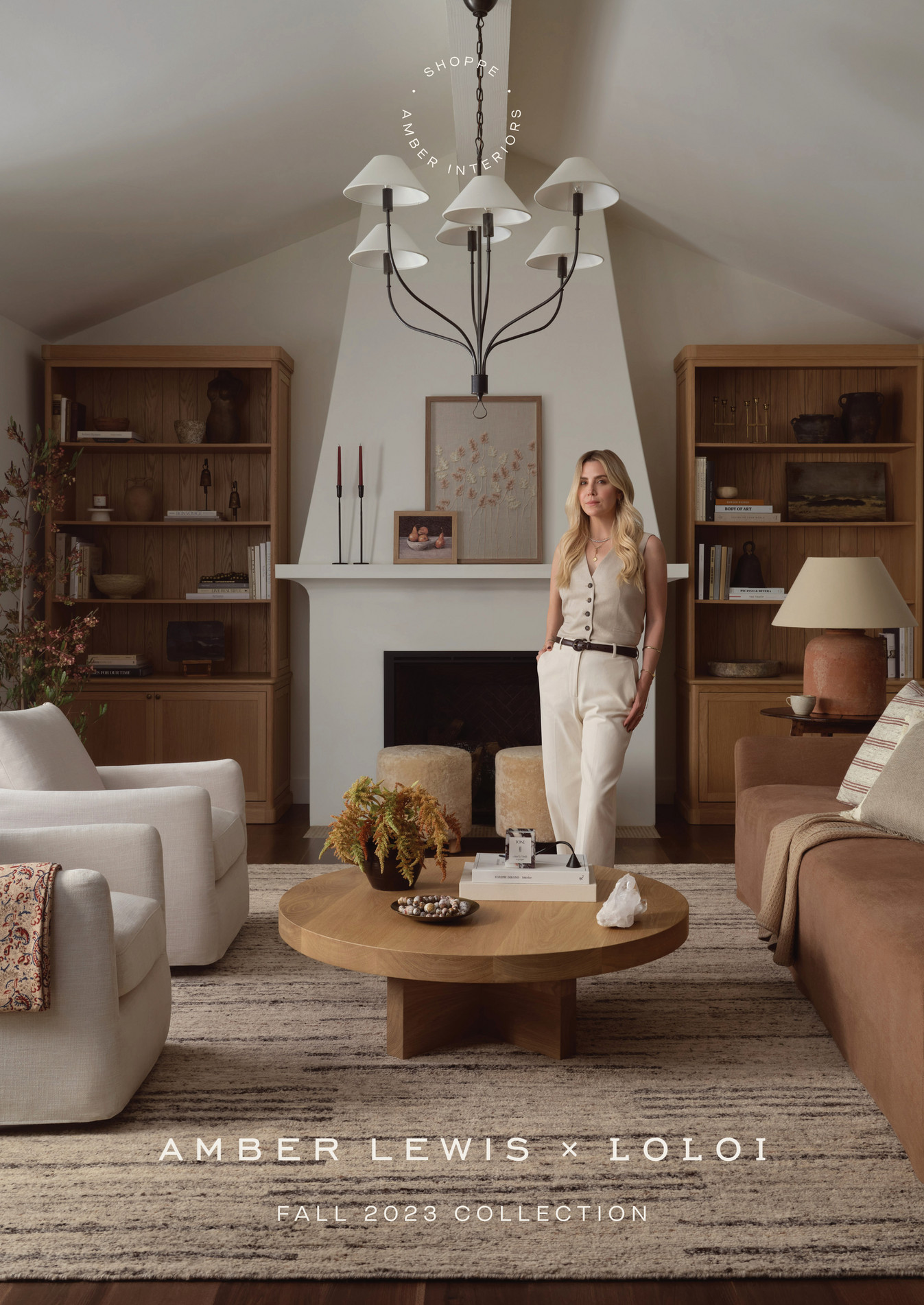
As of 2026, Amber Lewis has an estimated net worth of $10 million to $15 million. This valuation is driven by her multi-faceted lifestyle empire, which includes her high-end design firm Amber Interiors, a successful multi-location retail brand Shoppe Amber Interiors, two bestselling books, and lucrative long-term licensing partnerships with global brands like Anthropologie and Loloi Rugs.
Amber Lewis is widely recognized as the pioneer of the "California Cool" aesthetic—a design language characterized by light-filled spaces, layered textures, and a seamless blend of vintage and modern elements. However, her financial success is not merely a product of her eye for design. It is the result of a deliberate, decade-long transition from a solo interior design blog to a vertically integrated lifestyle brand. By controlling the design process, the retail channel, and the product manufacturing through licensing, Lewis has built a resilient financial model that transcends the traditional fee-for-service limitations of interior design.
The Evolution of the Amber Interiors Brand
To understand Amber Lewis's net worth in 2026, one must look at the trajectory of her career, which began in the early 2010s. Unlike many legacy designers who relied on high-society networking, Lewis utilized digital media to democratize her brand while keeping her services premium.
From Blogging to Business
Lewis started her blog, "All Sorts Of," as a way to document her own home renovations and design thoughts. This digital footprint served as an early engine for organic growth. By the time social media platforms like Instagram became central to the design industry, Lewis already had a dedicated following. This audience provided the initial customer base for her retail ventures, significantly lowering her customer acquisition costs compared to competitors.
Establishing the Design Firm
The core of her professional identity remains Amber Interiors, a full-service residential design firm based in Los Angeles. The firm handles large-scale renovations and new builds, primarily for high-net-worth individuals. In the luxury design market of 2026, top-tier designers like Lewis typically command project fees that can range from mid-five figures to over six figures, plus a percentage of the total construction and furnishing budget.
The firm’s portfolio includes properties in some of California’s most expensive real estate markets, including Malibu, Calabasas, and the Pacific Palisades. The revenue from these projects provides the capital necessary to fuel her more scalable retail and licensing ventures.
Shoppe Amber Interiors: The Retail Powerhouse
The most significant contributor to the growth of Amber Lewis’s net worth over the last five years has been the expansion of Shoppe Amber Interiors. While many designers maintain a small curated collection of items, Lewis built a robust retail infrastructure.
Physical Storefronts and E-commerce
By 2026, Shoppe Amber Interiors has established a significant physical presence with multiple locations across California and a sophisticated e-commerce platform. These stores serve as more than just retail outlets; they are brand touchpoints that allow customers to experience the "California Cool" lifestyle firsthand.
- Pacific Palisades: A flagship location that caters to an affluent demographic.
- Calabasas and Marin County: Locations that target high-income residential areas.
- Newport Beach: Tapping into the Orange County luxury market.
The e-commerce arm of the business scales far beyond these physical locations, shipping curated furniture, textiles, and home décor globally. The margins on high-end furniture retail are typically much higher than those in consulting, contributing significantly to the company’s bottom line.
Inventory and Curation Strategy
A key factor in the profitability of Shoppe Amber Interiors is the mix of "Ready to Ship" inventory and custom-made pieces. By stocking high-turnover items like candles, pillows, and small décor alongside high-ticket items like sofas and dining tables, the business maintains a healthy cash flow.
Licensing and Product Partnerships
In the world of interior design, true wealth is often built through licensing. Licensing allows a designer to lend their name and aesthetic to a manufacturer in exchange for royalties on every unit sold. This is a form of passive income that scales without requiring the designer to manage day-to-day operations or inventory for those specific lines.
Loloi Rugs
One of Lewis's most enduring and profitable partnerships is with Loloi Rugs. These collections bring her signature weathered, vintage-inspired look to a broader price point. In 2026, these rug collections remain staples in both designer and consumer markets, providing a consistent stream of royalty income.
Anthropologie and Four Hands
The Amber Lewis for Anthropologie collaboration is a primary example of how she has successfully reached a mass-aspirational audience. These collections often sell out quickly, leveraging Anthropologie’s massive retail footprint. Similarly, her partnership with Four Hands, a leading furniture manufacturer, allows her designs to be sold through thousands of independent retailers and showrooms worldwide.
| Revenue Stream | Business Model | Scale Potential | Impact on Net Worth |
|---|---|---|---|
| Amber Interiors | Service-based / Project fees | Low (Limited by time) | High (Prestige/Authority) |
| Shoppe Amber Interiors | Retail / E-commerce | High (Inventory-based) | Very High (Primary Wealth Driver) |
| Licensing (Loloi/Anthro) | Royalty-based | Infinite (Passive) | High (Stability/Margin) |
| Publishing/Media | Royalties / Sponsorships | Medium | Moderate (Brand Marketing) |
The Impact of Bestselling Publications
Amber Lewis has authored two major books that have solidified her place as an industry authority: Made for Living (2020) and Call It Home: The Art of Family-Centered Design (2023).
As of 2026, these books continue to serve as "evergreen" marketing tools. In the publishing world, design books are often used as high-end business cards. While the direct royalties from book sales contribute to her net worth, the indirect value is much higher. A published author in the design space can command higher speaking fees, more expensive project rates, and better terms in licensing negotiations. These publications have ensured that the "Amber Lewis" brand is synonymous with the modern California aesthetic in the minds of both consumers and industry peers.
Strategic Real Estate Investments
Like many high-earning professionals in the design and architecture space, a portion of Amber Lewis’s net worth is likely tied to real estate. Lewis has documented the renovation of her own homes, which often involves purchasing properties in desirable Los Angeles neighborhoods, increasing their value through high-end design, and either holding them as high-equity assets or selling them for a significant profit.
In the 2026 real estate market, these "design-forward" homes carry a premium. Buyers are often willing to pay a "curation tax" to own a home that has been personally touched by a designer of her caliber. This cycle of renovation and appreciation is a classic wealth-building strategy for interior designers.
Factors Influencing Net Worth Valuation
When analyzing a private business owner’s net worth, several variables must be considered. While the $10 million to $15 million range is a conservative estimate based on her visible assets and business performance, several factors could influence this:
- Overhead and Operational Costs: Maintaining multiple retail locations in California involves significant rent, staffing, and insurance costs.
- Private Equity and Ownership: It is not publicly disclosed if Lewis has taken on outside investment to fuel the expansion of Shoppe Amber Interiors. If she retains 100% ownership, her personal net worth is higher; if she has investors, her equity share may be lower but the company’s valuation may be higher.
- Market Fluctuations: The luxury home goods market is sensitive to broader economic trends. However, by diversifying into lower-priced décor and textiles (via Anthropologie and Loloi), Lewis has hedged against downturns in the high-end renovation market.
Frequently Asked Questions
How did Amber Lewis become famous?
Amber Lewis rose to prominence through her blog and Instagram account, where she shared her unique "California Cool" design style. Her ability to blend vintage finds with modern luxury resonated with a wide audience, leading to high-profile client projects and the eventual launch of her retail brand, Shoppe Amber Interiors.
What is the main source of Amber Lewis's income?
While she began as a service-based interior designer, her primary income sources in 2026 are her retail business (Shoppe Amber Interiors) and her various licensing deals. These models allow for greater scalability than traditional design fees alone.
Does Amber Lewis own Shoppe Amber Interiors?
Yes, Amber Lewis is the founder and creative force behind Shoppe Amber Interiors. The brand is a core component of her business empire, operating both physical storefronts and a global e-commerce site.
What are Amber Lewis’s books?
Amber Lewis has published two highly successful design books: Made for Living: Collected Interiors for All Sorts of Styles and Call It Home: The Art of Family-Centered Design. Both books focus on her design philosophy and provide practical advice for creating layered, lived-in spaces.
Where is Amber Interiors located?
Amber Interiors and the headquarters for Shoppe Amber Interiors are located in the Los Angeles area. She operates multiple retail locations throughout California, including the Pacific Palisades and Marin County.
What is the "California Cool" style?
"California Cool" is a design aesthetic popularized by Lewis that emphasizes natural light, neutral color palettes, organic textures (like wood, linen, and stone), and a mix of vintage and contemporary furniture. The goal is to create a home that feels both sophisticated and effortlessly comfortable.
Final Recommendation for Aspiring Designers
The financial success of Amber Lewis provides a blueprint for modern creative entrepreneurs. Her net worth is a testament to the power of brand verticalization. For those looking to emulate her success, the key takeaway is to not rely solely on one-on-one consulting fees.
To build significant wealth in the design industry, one must find ways to "productize" their aesthetic. This involves creating a retail channel to capture furniture sales that would otherwise go to third parties and pursuing licensing deals to reach a global market. By moving from a designer to a brand, Lewis has ensured that her influence—and her income—will continue to grow well beyond her individual billable hours.