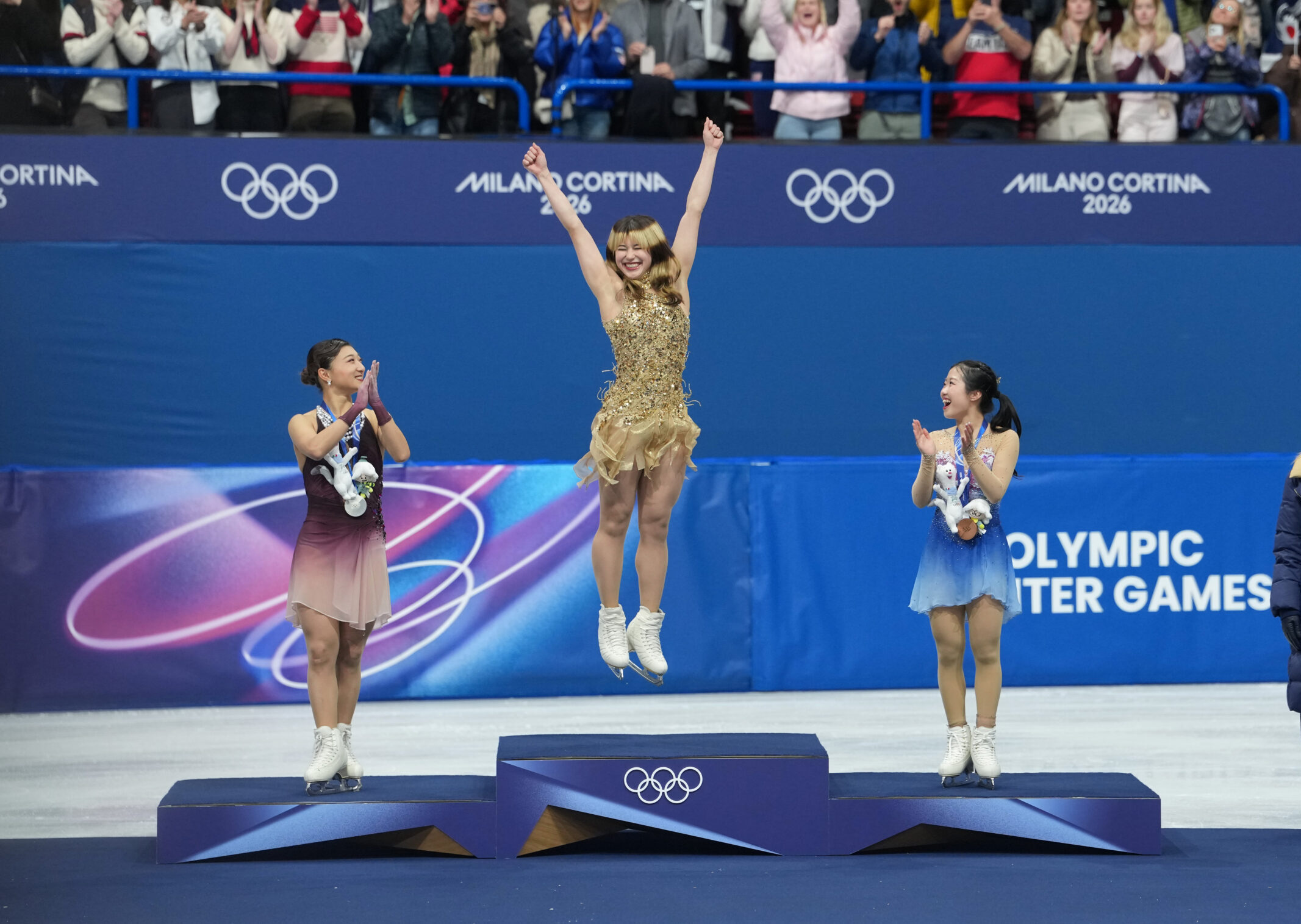
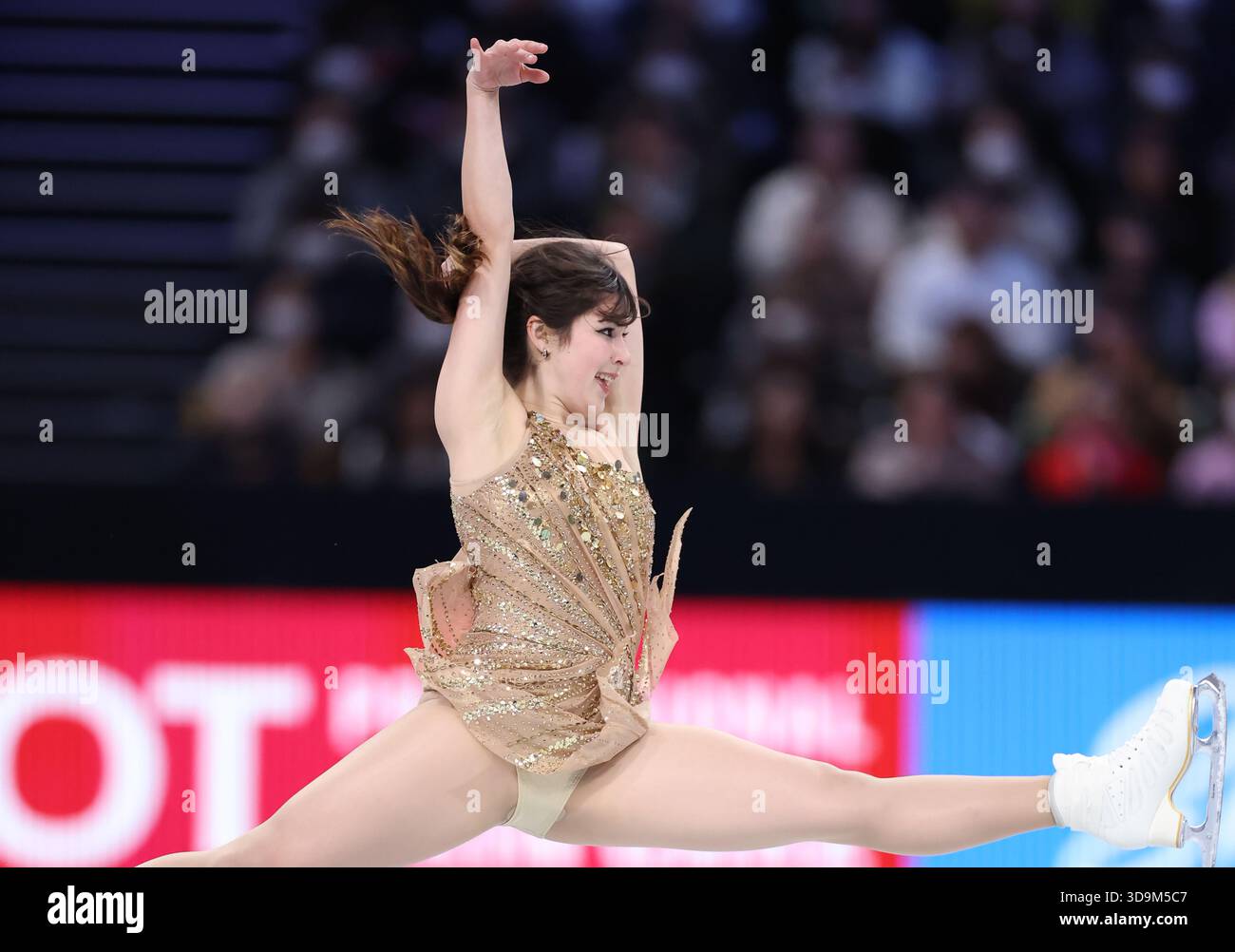
The connection between two-time U.S. national figure skating champion Alysa Liu and disco legend Donna Summer represents a compelling fusion of high-performance athletics and timeless pop culture. When Liu selected Donna Summer’s iconic 1978 arrangement of "MacArthur Park" for her competitive free skate during her high-profile return to figure skating, she highlighted how disco’s dramatic orchestration, infectious rhythm, and vocal intensity elevate modern figure skating choreography.
The Intersection of Figure Skating and Disco Royalty
The pairing of an elite figure skater with music by Donna Summer brings together two distinct legacies defined by breakthroughs, artistic expression, and enduring popular appeal. Understanding why this musical choice resonated across the sports and entertainment worlds requires examining both the trajectory of Alysa Liu’s career and the lasting influence of Donna Summer's music.
- ALYSA LIU (ELITE FIGURE SKATER)
- Youngest U.S. Champion (Age 13)
- World Bronze Medalist & Olympian
- Known for Technical Precision & Expression
- PERFORMING TO MUSIC BY
- DONNA SUMMER (QUEEN OF DISCO)
- "MacArthur Park Suite" & Disco Classics
- Dramatic Tempo Shifts & Powerful Vocals
- High-Energy Rhythm Perfect for Skating
- ICE SKATING ARTISTRY
- Dynamic Step Sequences & Edge Control
- High Program Component Scores (PCS)
- Crowd Engagement & Musicality
Alysa Liu’s Path to World-Class Prominence
Alysa Liu burst onto the international figure skating scene as one of the most prodigiously talented American skaters of her generation. At just 13 years old, she made history in 2019 by becoming the youngest skater ever to win the U.S. Figure Skating Championships senior ladies title. She successfully defended her title in 2020, cementing her status as a pioneer in American women's skating by landing clean triple Axels and quadruple Lutz jumps in competition.
After representing the United States at the 2022 Beijing Winter Olympics—where she finished seventh—and earning a bronze medal at the 2022 World Figure Skating Championships, Liu announced a surprising retirement from competitive skating at age 16. Her departure allowed her to pursue higher education and personal growth outside the grueling demands of elite sport. However, in early 2024, Liu announced her decision to return to elite competition for the 2024–2025 season, setting her sights on the 2026 Milano-Cortina Winter Olympic Games.
Her comeback required not only re-establishing her technical jump repertoire but also reinventing her artistic identity on the ice—a transformation anchored by her music selection.
The Legacy and Musical Power of Donna Summer
Donna Summer, universally recognized as the "Queen of Disco," revolutionized popular music in the late 1970s alongside producer Giorgio Moroder. Summer's recordings transformed disco from a club phenomenon into a global pop force. Beyond infectious dance beats, her music was characterized by sweeping orchestral arrangements, grand dramatic arcs, and incredible vocal power.
Summer’s multi-movement tracks, particularly her epic recording of Jimmy Webb's "MacArthur Park," provided a ideal template for dramatic storytelling. The "MacArthur Park Suite" begins as a contemplative, romantic ballad, builds through shimmering orchestral passages, and explodes into an unstoppable, fast-tempo disco rhythm. This dynamic range makes her catalog extraordinarily well-suited for elite figure skating programs, which require variations in speed, mood, and intensity to fulfill international judging criteria.
Dissecting the Program: Skating to "MacArthur Park"
Selecting the right music for a competitive figure skating program is a strategic decision governed by technical requirements and artistic judgment. The choice of Donna Summer’s "MacArthur Park" for a free skate program serves as a masterclass in musical construction for the ice.
| 0:00 - 0:45 | 0:45 - 2:30 | 2:30 - 3:30 | 3:30 - 4:00 |
|---|---|---|---|
| Slow Ballad Intro | Up-Tempo Disco Beat | Choreographic Seq. | Climactic Finale |
| Deep Edges & Spins | Major Jump Passes | Fast Step Sequence | Final Combination |
| Emotional Pitch | High Acceleration | Maximum Energy | Terminal Spin |
The Musical Structure of "MacArthur Park"
Written by Jimmy Webb and originally recorded by Richard Harris, "MacArthur Park" is famous for its intricate, multi-part structure and poetic lyrics. Donna Summer’s 1978 disco reimagining, featured on her live album Live and More, took the composition to new heights, topping the Billboard Hot 100 chart.
For a four-minute figure skating free skate, the track offers natural thematic transitions:
- The Orchestral Prelude: Soft strings and soaring, melodic vocals allow the skater to establish deep edge work, dramatic posture, and emotional connection during the opening seconds.
- The Rhythm Transition: The entry of the disco beat provides an immediate boost in energy, matching the momentum required for entrance into difficult jump elements.
- The High-Energy Midsection: Up-tempo percussion and brass stabs sustain high skating speeds across the full surface of the rink, keeping the performance dynamic.
- The Dramatic Climax: Ascending vocal lines and driving bass beats propel the program toward its final choreographic sequence and closing spin combination.
Aligning Technical Elements with Musical Beats
Under the International Skating Union (ISU) Judging System, every technical element—jumps, spins, and step sequences—must be integrated naturally into the accompanying music. The distinct musical markers in Donna Summer’s track assist skaters in timing their technical execution:
- Jump Pass Introductions: The driving, predictable rhythm of disco allows skaters to sync their crossover speed and pick-up steps with the beat, establishing consistent rhythm for triple and quad takeoff edges.
- Spin Sequences: The long, sustained vocal notes in Summer's chorus complement extended position holds in layback, Camel, and sit spins, enhancing the aesthetic presentation.
- Choreographic Step Sequence: The complex brass and synth hooks offer ideal accent points for sharp upper-body movements, quick direction changes, and musical accents that earn higher Grade of Execution (GOE) scores from judges.
Technical and Artistic Demands of Disco Music on Ice
While high-energy disco tracks like those of Donna Summer are crowd-pleasers, they impose unique physical and artistic demands on elite skaters. Skating to modern dance beats requires exceptional conditioning, precise timing, and expressive performance skills.
Edge Control and Step Sequence Precision
Skating to high-BPM (beats per minute) tracks requires rapid footwork and exceptional blade management. Skaters must execute complex turns—such as brackets, rockers, counters, and twizzles—on deep edges while maintaining a direct connection to the music's cadence.
If a skater falls behind the driving beat of a Donna Summer track, the disconnect between movement and music becomes immediately obvious to judges and audiences alike. Consequently, choreography set to disco demands crisp upper-body movements, isolations, and rhythmic knee bends that match the beat without sacrificing ice coverage or speed.
- TECHNICAL AND ARTISTIC INTEGRATION
- TECHNICAL EXECUTION
- Precise Edge Angles
- Clean Jump Takeoffs & Landings
- Centered Spin Sequences
- High Skating Speed & Flow
- ARTISTIC EXPRESSION
- Musical Interpretation
- Expressive Performance
- Distinct Body Isolations
- Rhythmic Step Alignment
- TECHNICAL EXECUTION
Program Component Scores (PCS) Impact
Judges evaluate figure skating performances across two major scoring categories: the Technical Element Score (TES) and the Program Component Score (PCS). The PCS evaluates three primary areas:
- Composition: The layout, originality, and structure of the movement patterns across the ice surface.
- Presentation: Expressiveness, projection to the audience, body alignment, and commitment to the performance narrative.
- Skating Skills: Overall edge quality, power, multidirectional skating, flow, and control over deep edges.
Using Donna Summer’s music offers significant advantages in Presentation and Composition when executed with confidence. Disco music naturally encourages outgoing performance qualities, facial expression, and audience engagement. When an athlete like Alysa Liu combines technical difficulty with the infectious energy of a Donna Summer classic, the potential for high PCS marks increases significantly.
Program Choices in Competitive Figure Skating
To appreciate why a Donna Summer program stands out on the international stage, it helps to compare it against other traditional music genres commonly used in competitive figure skating.
| Music Category | Typical Musical Examples | Key Strengths | Main Challenges | PCS Presentation Potential |
|---|---|---|---|---|
| 70s Disco / Pop Royalty | Donna Summer ("MacArthur Park", "Last Dance") | High energy, clear rhythm, strong crowd connection, dynamic tempo shifts. | Demands relentless stamina; risk of rushing footwork; high movement density required. | Very High (Expressive & Engaging) |
| Classical Orchestral | Tchaikovsky (Swan Lake), Rachmaninoff | Dramatic narrative, classic aesthetic, familiar phrasing for jump entry setups. | Can feel repetitive; requires pristine posture and refined classical line extension. | Moderate to High (Traditional) |
| Film Soundtracks | Hans Zimmer (Inception), John Williams | Epic scale, clear emotional arc, big dynamic swells for technical climaxes. | Can overpower smaller performers if expression is passive or muted. | High (Dramatic Narrative) |
| Modern Acoustic / Vocal | Laufey, Billie Eilish, Classical Crossover | Intimate tone, subtle musical nuances, distinct artistic branding. | Harder to build high-speed momentum; fewer dramatic tempo changes for jump setups. | Moderate to High (Artistic & Intimate) |
The Evolution of Vocal Music Rules in Figure Skating
Alysa Liu’s choice to skate to Donna Summer’s powerful vocal tracks reflects a major shift in international figure skating regulations. For decades, competitive figure skaters were largely restricted to instrumental music, with vocal tracks strictly prohibited in official competition outside of ice dance.
- 1990s - 2014: Instrumental Only (Vocal Tracks Prohibited in Singles/Pairs)
- 2014 - Present: ISU Lifted Restrictions on Lyrics & Vocals
- Modern Era: Skaters Integrate Pop, Disco, Rock, and Jazz Classics
The 2014 ISU Rule Change
Following the 2014 Sochi Winter Olympics, the International Skating Union updated its regulations to allow music with lyrics across all disciplines, including Men’s Singles, Women’s Singles, and Pair Skating. The primary goal of this policy change was to modernize the sport, attract younger audiences, and offer skaters greater artistic freedom.
This rule change opened the door for classic disco, pop, and rock tracks. Artists like Donna Summer—whose songs blend full orchestral backings with world-class vocal performances—became ideal candidates for program music. Skaters can now harness both the instrumental complexity of the music and the emotional resonance of the vocals to connect with both the judges and the audience.
Modernizing Figure Skating Performance Aesthetics
The inclusion of vocal-driven disco tracks has broadened the artistic diversity seen in ISU Grand Prix events, World Championships, and the Winter Olympic Games. Skaters are no longer limited to traditional balletic or classical themes. They can express joy, playfulness, and soulfulness, transforming competitive programs into theatrical, high-energy entertainment.
Choreographic Strategy Behind Alysa Liu's Comeback
A successful comeback at the elite level requires careful physical conditioning, mental preparation, and strategic program planning. For Alysa Liu, returning to competition in 2024 meant building a presentation style that reflected her maturity as a adult skater, moving beyond the junior-level image of her early national titles.
- COMEBACK STRATEGY
- TECHNICAL REBUILD
- Restoring Triple Axel
- Re-establishing Spins
- Edgework Efficiency
- ARTISTIC REINVENTION
- Maturity in Movement
- Up-Tempo Music Choice
- High PCS Target
- MENTAL WELLNESS
- Balanced Training
- Joyful On-Ice Presence
- Long-Term Sustainability
- TECHNICAL REBUILD
Working with Elite Choreographers
Constructing a program to Donna Summer’s music requires collaborating with top figure skating choreographers to build a layout that satisfies ISU guidelines while showcasing the skater's individual strengths. Choreographers structure the routine to ensure that:
- High-difficulty jump passes are positioned during sections with clear, steady beats to help with timing.
- The mandatory Choreographic Sequence utilizes the full emotional peak of Summer’s vocals, featuring dramatic spirals, hydroblades, and expressive arm movements.
- Spin combinations are strategically timed to coincide with musical transitions or vocal holds, maximizing visual impact.
Balancing Technical Difficulty and Stamina
Executing a clean free skate program requires immense cardiovascular endurance. Donna Summer's tracks, particularly fast-paced disco anthems, demand non-stop movement and high energy throughout the entire four-minute performance.
To maintain jump consistency under physical exhaustion, Liu’s training regime focused on high-intensity endurance work. Skaters must train to perform difficult triple-triple jump combinations and deep edge work late in the routine, even as the tempo speeds up toward the finale.
Frequently Asked Questions
Why did Alysa Liu choose Donna Summer's music for her competitive program?
Alysa Liu selected Donna Summer's "MacArthur Park" to showcase a mature, vibrant, and energetic artistic style during her return to competitive figure skating. Donna Summer’s music offers a unique combination of rich orchestration, driving dance rhythms, and powerful vocals, allowing Liu to highlight her athletic speed, technical execution, and musical expressiveness.
Are skaters allowed to use music with lyrics in ISU competitions?
Yes. The International Skating Union (ISU) officially allowed music with lyrics and vocal tracks for all figure skating disciplines starting in the 2014–2015 season. Prior to this rule change, only instrumental music was permitted in singles and pairs events.
What makes Donna Summer's "MacArthur Park" well-suited for figure skating?
"MacArthur Park," particularly the arrangement produced by Giorgio Moroder and sung by Donna Summer, features distinct tempo changes—transitioning from a slow, dramatic orchestral introduction into an up-tempo, high-energy disco track. This structure naturally mirrors the required flow of a competitive free skate, providing appropriate sections for jump setups, step sequences, and spinning climaxes.
What are Alysa Liu’s major figure skating accomplishments?
Alysa Liu became the youngest U.S. Women’s National Champion in history at age 13 in 2019 and defended her title in 2020. She was the first American woman to land a triple Axel and a quadruple Lutz in the same program in international competition. She represented Team USA at the 2022 Beijing Winter Olympics, placing 7th, and won the bronze medal at the 2022 World Figure Skating Championships before stepping away and returning to competition in 2024.
How do judges score a program choreographed to high-tempo disco music?
Judges evaluate disco-themed programs using the standard ISU Judging System, assessing both the Technical Element Score (TES) and Program Component Score (PCS). To score well in PCS, the skater must demonstrate that their edge work, body speed, isolations, and performance energy are precisely aligned with the fast tempo, avoiding rushed technical movements or disconnected musical timing.
Strategic Recommendations for Program Music Selection
For figure skaters, coaches, and choreographers choosing program music for competitive routines, the successful fusion of Alysa Liu’s athletic performance and Donna Summer’s dynamic disco catalog offers valuable practical insights:
- Leverage Dynamic Contrast: Select music tracks that feature distinct changes in tempo, mood, and instrumentation. Dynamic contrast makes it easier to plan jump entries during steady-beat sections while preserving slow, melodic passages for expressive footwork and spins.
- Prioritize Personal Connection: Skaters perform best when they genuinely feel connected to their music. Up-tempo genres like disco require high energy and outward projection; choosing tracks the skater loves ensures authentic expression and audience engagement.
- Map Technical Elements to Musical Cues: Work with professional music editors to craft seamless cuts that fit ISU time limits (e.g., 2 minutes 40 seconds for short programs; 4 minutes for free skates). Ensure major jump setups align with predictable drum beats or basslines to support precise takeoff timing.
- Train for Tempo-Specific Conditioning: When committing to a high-BPM track like a Donna Summer disco classic, incorporate targeted cardio conditioning into off-ice training to ensure jump execution remains crisp through the final minute of the program.