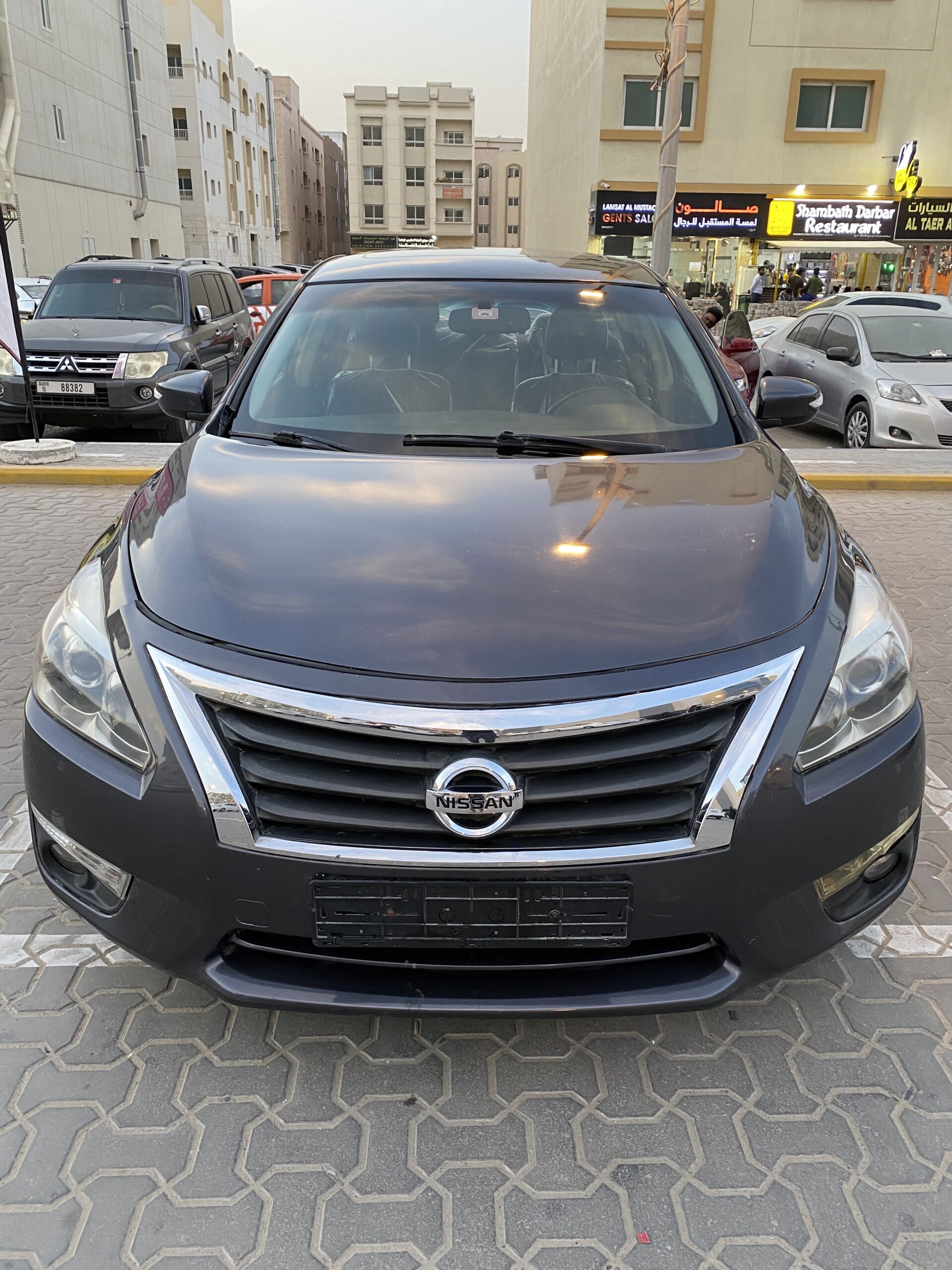
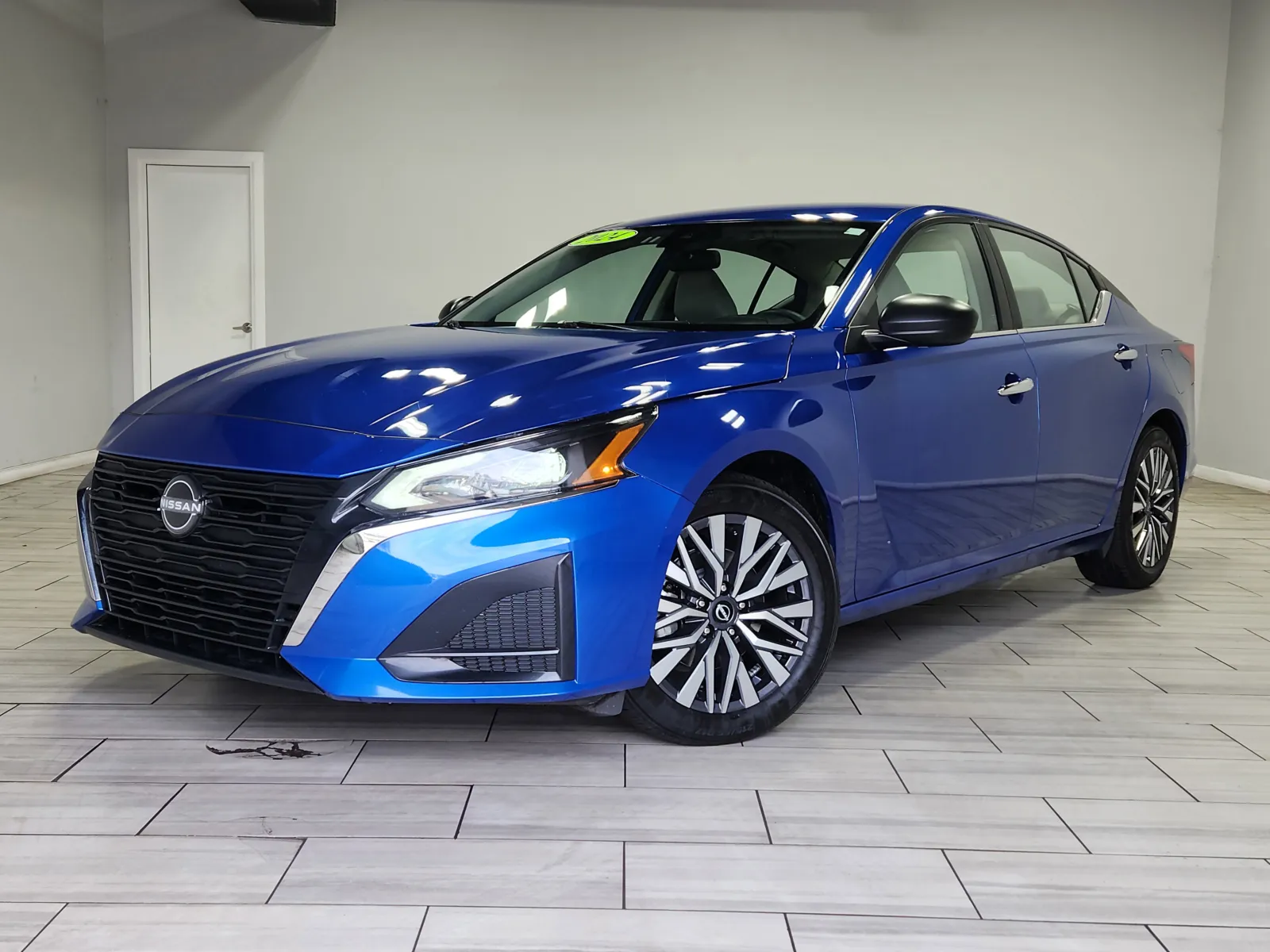
In the context of the Nissan Altima, SV stands for Standard Value. It represents the mid-tier trim level designed to offer a balance between the affordability of the base S model and the premium features found in higher trims like the SR or SL. It is widely considered the "sweet spot" for most sedan buyers.
The Nissan Altima has long been a staple of the mid-size sedan market, known for its comfortable ride, impressive fuel efficiency, and accessible technology. However, for a first-time buyer or someone looking to upgrade, the alphabet soup of trim designations—S, SV, SR, SL, and Platinum—can be confusing. Understanding the "SV" meaning is the first step in determining if this specific configuration meets your daily driving needs and long-term budget.
As we look at the automotive landscape in 2026, the Altima SV remains a critical high-volume seller. While automotive trends have leaned heavily toward electrification and SUVs, the mid-size sedan continues to provide a lower center of gravity, better aerodynamics, and superior highway fuel economy. The SV trim, specifically, is engineered to provide the features that 21st-century drivers consider "essential" rather than "luxury," making it a pragmatic choice for commuters and small families alike.
The Philosophy of "Standard Value"
When Nissan labels a vehicle as "SV," the goal is to provide a package that includes the most requested features without the high price tag associated with leather upholstery or advanced performance modifications. In the 2026 market, "Standard Value" implies a vehicle that is fully connected and safe, moving away from the "rental car" feel of base-level trims.
The SV trim is strategically positioned. If the "S" trim is the bare-bones entry point, the SV is where the car begins to feel modern. It replaces basic steel wheels with alloy, upgrades the infotainment interface, and adds convenience features that change the daily experience of the driver. For Nissan, the SV is the volume leader; it is the trim they expect the majority of customers to drive off the lot.
Key Features of the Nissan Altima SV
Choosing the SV trim brings a significant jump in equipment over the base S model. While specific packages can vary based on regional availability and year-over-year updates, the core DNA of the SV trim focuses on three pillars: connectivity, driver assistance, and interior comfort.
Enhanced Infotainment and Connectivity
In 2026, a car's value is often measured by its screen size and software compatibility. The Altima SV typically features a larger touchscreen display than the S model—often an 8-inch or available 12.3-inch unit. This system includes:
- Wired and Wireless Integration: Standard Apple CarPlay and Android Auto allow for seamless navigation and media streaming.
- SiriusXM Satellite Radio: Usually included as a standard feature on the SV, providing a wider range of entertainment than standard FM/AM.
- Multiple USB Ports: Increased charging options, including USB-A and USB-C ports for both front and rear passengers.
Driver-Assist Technology: Nissan Safety Shield 360
Safety is a primary driver of the "Value" in Standard Value. The SV trim comes standard with Nissan Safety Shield 360, a suite of six advanced active safety technologies. These systems use a combination of radar, sonar, and cameras to monitor the vehicle's surroundings.
- Automatic Emergency Braking with Pedestrian Detection: Monitors the speed and distance between you and the car ahead.
- Rear Automatic Braking: Helps detect stationary objects behind the vehicle and can automatically apply brakes to prevent a collision.
- Blind Spot Warning: Provides an alert if a vehicle is detected in your blind spot area.
- Rear Cross Traffic Alert: Essential for backing out of parking spaces, this system warns you of vehicles approaching from either side.
- Lane Departure Warning: Vibrates the steering wheel if you begin to drift out of your lane.
- High Beam Assist: Automatically switches to low beams when it detects an oncoming vehicle.
Interior Comfort and Convenience
The SV trim upgrades the "tactile" experience of the car. Instead of the manual seat adjustments found in base models, the SV usually provides an 8-way power-adjustable driver's seat. This allows for much finer control over seating position, which is vital for preventing fatigue on long commutes. Additionally, the inclusion of the Nissan Intelligent Key with Push Button Ignition means the driver never has to take the key out of their pocket to enter or start the vehicle.
Comparing the Altima SV to Other Trims
To truly understand the value of the SV, it must be viewed in the context of the entire Altima lineup. Each step up or down changes the vehicle's character, price point, and target audience.
| Feature | Altima S (Base) | Altima SV (Mid) | Altima SR (Sport) | Altima SL (Luxury) |
|---|---|---|---|---|
| Wheels | 16" Steel w/ Covers | 17" Aluminum-alloy | 19" Aluminum-alloy | 19" Aluminum-alloy |
| Infotainment | 7" Touchscreen | 8" or 12.3" Touchscreen | 8" or 12.3" Touchscreen | 12.3" Touchscreen |
| Seating | Cloth (Manual) | Cloth (Power Driver) | Sport Cloth/Prima-Tex | Leather-appointed |
| Sunroof | Not Available | Optional | Optional | Standard |
| Suspension | Standard | Standard | Sport-tuned | Standard |
| ProPILOT Assist | No | Optional | Optional | Standard |
SV vs. S: Is the Upgrade Worth It?
For most buyers, the jump from S to SV is the most justifiable price increase in the lineup. The S trim is often targeted at fleet buyers (like rental agencies) where the lowest possible acquisition cost is the only priority. For a private owner, the SV adds the power seat, alloy wheels, and advanced infotainment that make the car feel like a 2026 vehicle rather than a relic of the past decade.
SV vs. SR: Comfort vs. Style
The SR (Sport Rally) trim is often priced similarly to the SV but targets a different demographic. While the SV focuses on a smooth, comfortable ride, the SR adds a sport-tuned suspension, paddle shifters, and darker aesthetic accents. If you prefer a firmer ride and "curb appeal," the SR is the choice. If you prefer a softer, more traditional sedan experience, the SV is superior.
SV vs. SL: The Luxury Threshold
The SL trim moves the Altima into near-luxury territory. It includes leather seats, a premium Bose sound system, and a 360-degree camera system. While these features are desirable, they push the price significantly higher. The SV remains the choice for the budget-conscious buyer who wants modern tech without paying for luxury materials.
Performance and Mechanical Specifications
Regardless of the "SV" badge, the mechanical heart of the vehicle remains focused on efficiency. In 2026, the Altima SV is typically powered by a 2.5-liter DOHC 16-valve 4-cylinder engine.
This engine is paired with Nissan’s Xtronic CVT (Continuously Variable Transmission). Unlike traditional automatic transmissions with fixed gears, the CVT can infinitely vary its gear ratios to keep the engine in its most efficient power band. For the SV driver, this results in smooth acceleration and competitive fuel economy, often reaching up to 39 MPG on the highway.
The SV is also the entry point for Nissan’s Intelligent All-Wheel Drive (AWD) system in many regions. While the base S is strictly front-wheel drive, the SV can be configured with AWD. This system constantly monitors road conditions and can distribute power between the front and rear wheels to provide traction in snow or rain. For drivers in northern climates, the "SV AWD" configuration is frequently the most popular version of the car.
Long-Term Ownership and Resale Value
When purchasing a vehicle, the "meaning" of a trim level also extends to its future value. Because the SV is the most popular trim, it tends to have the highest liquidity on the used car market.
- Depreciation Curves: Base trims (S) often depreciate quickly because they lack the features used-car buyers want. High-end trims (SL/Platinum) depreciate heavily because the premium for leather and sunroofs doesn't always hold up on the secondary market. The SV sits in the middle, retaining a higher percentage of its original MSRP.
- Insurance Costs: The SV trim is generally affordable to insure. Because it includes the Safety Shield 360 suite, many insurance providers offer discounts for the active safety features that help prevent accidents.
- Maintenance: Since the SV uses the standard 2.5L engine and 17-inch tires, maintenance costs are lower than the SR trim, which uses more expensive 19-inch tires and, in some historical models, a more complex VC-Turbo engine.
Common Questions About the Altima SV
Does the Nissan Altima SV have a sunroof?
A power sliding glass moonroof is not usually standard on the SV trim, but it is a very common option. Most dealerships order SV models with a "Premium Package" that adds the moonroof, heated front seats, and integrated turn signals on the side mirrors. If you are looking at a base SV without packages, it will likely have a solid roof.
Is ProPILOT Assist included on the SV?
ProPILOT Assist, Nissan’s hands-on driver assist system that helps with steering, braking, and acceleration on the highway, is typically an optional upgrade for the SV. It is part of the SV Premium Package. While the SV has the sensors for emergency braking, the semi-autonomous highway driving features require this additional package.
What is the difference between SV and SV Premium?
The "SV" is the standalone trim. The "SV Premium" is the SV trim with a specific factory-installed package. This package usually includes a 12.3-inch HD color touchscreen, wireless Apple CarPlay, wireless phone charging, a leather-wrapped steering wheel, and heated front seats. For 2026, many buyers find that the SV Premium provides almost everything the higher SL trim offers but at a lower price point.
Does the Altima SV have leather seats?
No, the Altima SV comes standard with cloth seat trim. If you require leather, you would need to move up to the SL or Platinum trims. However, the cloth used in the SV is a durable, high-quality material designed for easy cleaning and long-term wear.
Can I get a Turbo engine in the SV trim?
Historically, Nissan reserved the 2.0-liter Variable Compression Turbo (VC-Turbo) engine for the SR trim. The SV is almost exclusively paired with the naturally aspirated 2.5-liter engine. While the 2.5L has less horsepower than the Turbo, it offers better fuel economy and lower long-term maintenance complexity.
Practical Recommendation: Who Should Buy the Altima SV?
The Nissan Altima SV is the ideal choice for a specific type of driver: the pragmatic commuter. If you spend 30 to 60 minutes in your car every day, you need a seat that supports your back, a radio that connects to your smartphone without a struggle, and safety systems that protect you during heavy traffic.
If you are a student or a budget-first buyer, the S trim might save you a few thousand dollars, but you will likely regret the lack of connectivity and seat comfort within the first year. Conversely, if you are looking for a luxury experience, the SL is impressive, but you are essentially paying a significant premium for leather and a name-brand stereo.
For the vast majority of drivers in 2026, the Altima SV with the Premium Package represents the best return on investment. It provides the safety of AWD, the convenience of ProPILOT Assist, and the modern feel of a large touchscreen, all while maintaining the fuel efficiency and reliability that have made the Altima a mainstay of the Nissan brand for decades.
Before making a final decision, verify the specific year and package details of the vehicle you are considering. Automotive manufacturers occasionally shift standard features between trims during mid-cycle refreshes. However, the core identity of the SV as the "Standard Value" leader remains the most consistent aspect of Nissan's marketing strategy.