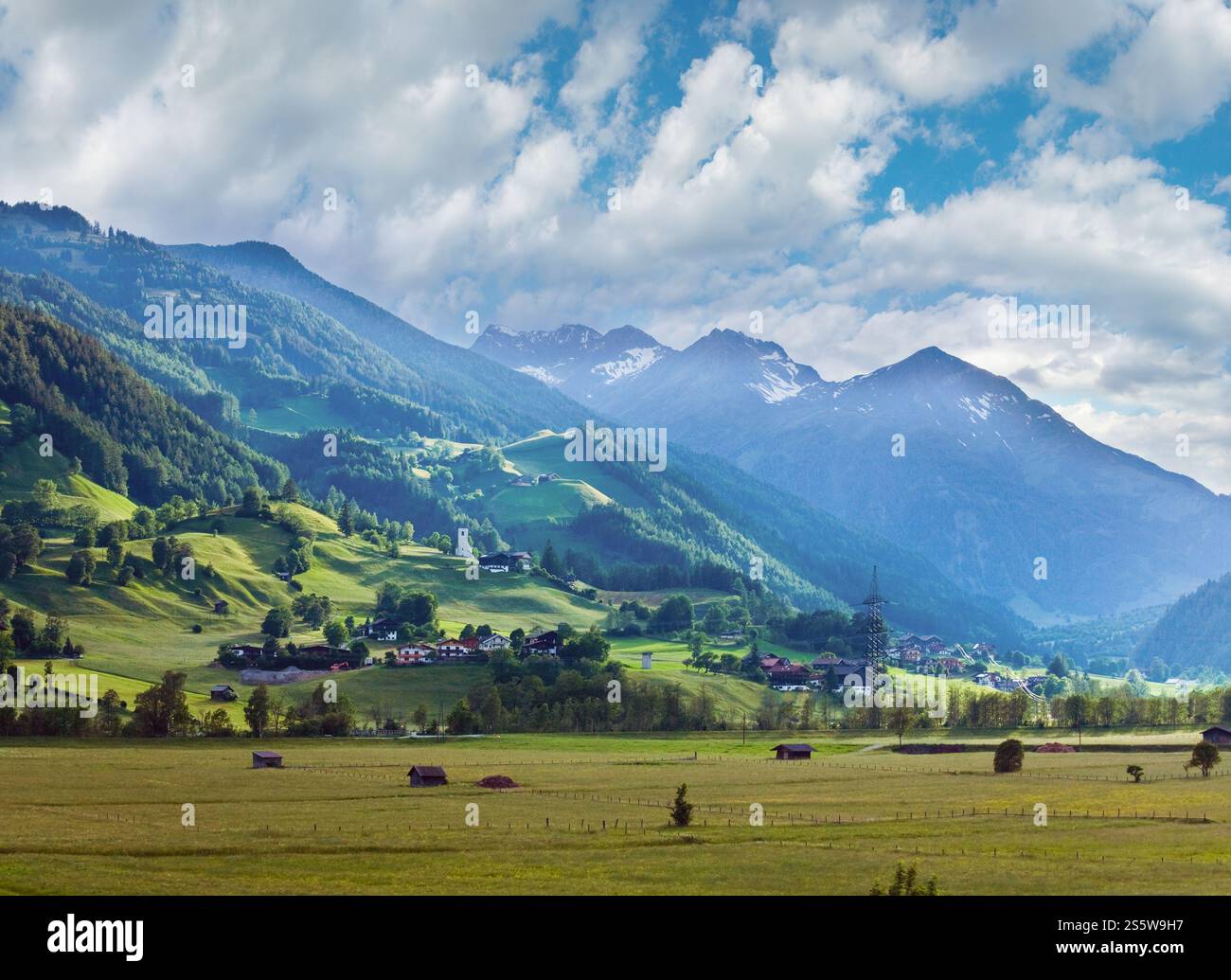
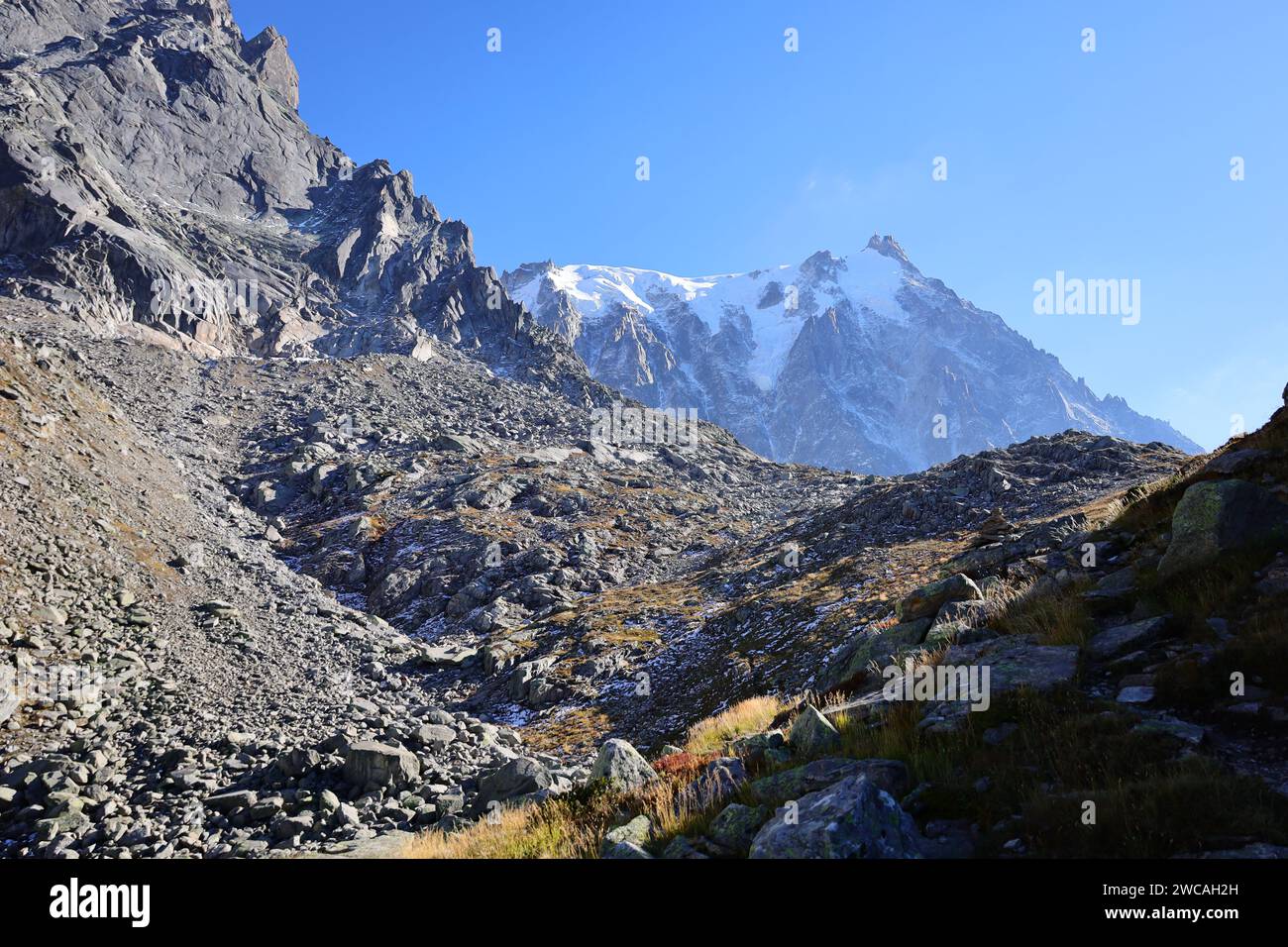
The Alps are Europe's highest and most extensive mountain range, stretching approximately 1,200 kilometers across eight countries: France, Switzerland, Italy, Monaco, Liechtenstein, Austria, Germany, and Slovenia. They serve as a crucial climate divide, a major water source for the continent, and a world-renowned destination for mountaineering, winter sports, and biodiversity.
The Geographic and Geopolitical Scope of the Alpine Arc
The Alps represent a crescent-shaped geographic feature that dominates South-Central Europe. This massive mountain system is not a single ridge but a complex network of sub-ranges, valleys, and high plateaus. As of 2026, the Alpine Convention—an international treaty for the sustainable development of the Alps—recognizes a specific perimeter that covers about 190,000 square kilometers.
The range is traditionally divided into the Western Alps and the Eastern Alps. The division line generally follows the path from Lake Constance through the Rhine Valley to Lake Como. The Western Alps, primarily located in France, Italy, and Switzerland, are known for higher elevations and steeper, more rugged peaks. The Eastern Alps, spanning Austria, Germany, Italy, Slovenia, and Liechtenstein, are broader and slightly lower on average, though no less spectacular in their limestone formations.
The Eight Alpine Nations
Each country contributing to the Alpine arc offers a distinct cultural and geological flavor:
- Austria (28.7% of the range): Holding the largest share of the Alps, Austria’s landscape is defined by the Eastern Alps, including the High Tauern and the Tyrol region.
- Italy (27.2%): Italy boasts the dramatic Dolomites, a UNESCO World Heritage site, and the southern slopes of the highest massifs.
- France (21.4%): Home to Mont Blanc, the highest peak in the range, and the expansive Vanoise and Ecrins national parks.
- Switzerland (13.2%): Though it holds a smaller percentage of the landmass, Switzerland is synonymous with the Alps, featuring the iconic Matterhorn and the Bernese Oberland.
- Germany (5.8%): Centered in Bavaria, the German Alps include the Zugspitze, the country’s highest point.
- Slovenia (3.3%): The Julian Alps in the northwest offer a rugged, limestone beauty that is increasingly popular for eco-tourism.
- Liechtenstein and Monaco: While small, these nations are geographically or politically tied to the Alpine identity, with Liechtenstein being entirely mountainous.
Geological Origins and the Orogeny of the Alps
Understanding the Alps requires looking back roughly 770 million years, though the primary "Alpine Orogeny" occurred during the Tertiary period (about 65 to 2 million years ago). The range was formed by the colossal collision of the African and Eurasian tectonic plates. This northward movement of the African plate caused the Tethys Ocean floor to close, crumpling the Earth's crust and thrusting massive layers of rock upward.
The geological composition of the Alps is diverse. You will find crystalline rocks (granite and gneiss) in the central massifs, which are the "roots" of the mountains exposed by erosion. Surrounding these are layers of sedimentary rock, such as limestone and dolomite. This distinction is most visible in the contrast between the dark, jagged granite of the Mont Blanc massif and the pale, vertical towers of the Italian Dolomites.
Glaciation has played a significant role in shaping the modern Alpine landscape. During the various ice ages, massive glaciers carved out the "U-shaped" valleys that characterize the region today. These valleys now host Europe’s most famous lakes, such as Lake Geneva, Lake Maggiore, and Lake Garda, which were formed by glacial terminal moraines.
Iconic Peaks and Major Massifs
The Alps contain hundreds of peaks exceeding 3,000 meters, but the "Four-Thousanders" (peaks above 4,000 meters) are the ultimate prize for mountaineers. There are 82 official peaks in this category.
Mont Blanc (4,807m / 15,771ft)
Located on the border between France and Italy, Mont Blanc is the monarch of the range. It is a massive dome of ice and rock that serves as the birthplace of modern mountaineering. In 2026, Chamonix (France) and Courmayeur (Italy) remain the primary hubs for those attempting the summit or trekking the famous Tour du Mont Blanc.
The Matterhorn (4,478m / 14,692ft)
Straddling the border of Switzerland and Italy, the Matterhorn is perhaps the most recognizable mountain in the world due to its near-perfect pyramidal shape. Its four steep faces point toward the cardinal directions. The town of Zermatt, which sits at its base, remains car-free to preserve the pristine mountain environment.
The Zugspitze (2,962m / 9,718ft)
While not a four-thousander, the Zugspitze is the highest point in Germany and a marvel of accessibility. It features a high-tech cable car and a cogwheel train that allows visitors to experience high-alpine environments without a strenuous climb. It also hosts Germany’s highest church and a research station monitoring atmospheric changes.
Climate, Ecology, and the 2026 Environmental Outlook
The Alps function as a "giant water tower" for Europe. They provide up to 90% of the water for the lowlands, feeding major rivers like the Rhine, Rhône, Danube, and Po. However, the ecosystem is fragile.
Alpine Flora and Fauna
Life in the Alps is stratified by altitude. In the lower valleys, deciduous forests prevail, giving way to coniferous forests (larch, pine, and spruce) as elevation increases. Above the tree line, you find the Alpine Tundra, characterized by hardy species like the Edelweiss and Alpine Rose.
The fauna is equally specialized. The Alpine Ibex, once nearly extinct, has seen a successful recovery across the range. Other notable residents include the Chamois (a goat-antelope), the Golden Eagle, and the Alpine Marmot. Conservation efforts in 2026 continue to focus on creating "green corridors" to allow these species to migrate safely between fragmented habitats.
The Impact of Climate Change
By 2026, the effects of global warming are increasingly evident in the Alps. Glaciers, such as the Aletsch in Switzerland (the largest in the Alps), are retreating at an accelerated pace. This has led to several logistical and safety changes for hikers and climbers:
- Permafrost Degradation: As the ground thaws at high altitudes, rockfalls have become more frequent, requiring the temporary closure of certain traditional climbing routes.
- Snow Reliability: Ski resorts below 1,500 meters are increasingly diversifying into year-round "mountain parks" as consistent natural snowfall becomes less predictable.
- Water Management: Shifts in snowmelt patterns are impacting hydroelectric power generation and agricultural irrigation in the surrounding European plains.
Infrastructure: Tunnels, Passes, and Railways
The Alps have historically been a formidable barrier to trade and travel. Over centuries, humans have engineered incredible solutions to traverse the range.
Modern Tunnels
The Gotthard Base Tunnel in Switzerland remains the world's longest and deepest railway tunnel. It allows high-speed trains to pass under the heart of the Alps at sea level, drastically reducing transit times between Northern and Southern Europe. Similarly, the Mont Blanc Tunnel and the Fréjus Road Tunnel provide critical links for road freight and tourism between France and Italy.
Historic Passes
Before tunnels, mountain passes were the only way across. The Great St. Bernard Pass (2,469m) has been used since the Bronze Age and is famous for the hospice founded by St. Bernard of Menthon. The Stelvio Pass in Italy, with its 48 hairpin turns, is a legendary destination for cyclists and driving enthusiasts.
Scenic Railways
The Alps host some of the most beautiful rail journeys in the world. The Glacier Express and the Bernina Express in Switzerland are renowned for their panoramic windows and engineering feats, including spiraling viaducts and steep gradients that require no rack-and-pinion system.
Comparison of Key Alpine Regions
| Region | Primary Country | Key City/Hub | Notable Peak | Primary Appeal |
|---|---|---|---|---|
| Bernese Oberland | Switzerland | Interlaken | Eiger / Jungfrau | Iconic vistas, rack railways |
| The Dolomites | Italy | Cortina d'Ampezzo | Marmolada | Unique limestone, via ferrata |
| Tyrol | Austria | Innsbruck | Grossglockner | Alpine culture, family skiing |
| Savoy Alps | France | Chamonix | Mont Blanc | Glacial scenery, extreme sports |
| Bavarian Alps | Germany | Garmisch-Partenkirchen | Zugspitze | Accessibility, beer gardens |
| Julian Alps | Slovenia | Bled | Triglav | Pristine lakes, emerald rivers |
Planning Your Visit: Requirements and Logistics
Visiting the Alps in 2026 requires careful planning regarding timing, gear, and administrative requirements.
Best Time to Visit
- Winter (December to March): Ideal for skiing, snowboarding, and Christmas markets. High-altitude resorts often remain open for skiing until early May.
- Summer (June to September): The peak season for hiking, mountain biking, and paragliding. High-altitude trails are usually clear of snow by late June.
- Shoulder Seasons (April-May & October-November): Many mountain huts and cable cars close for maintenance. However, the valleys are beautiful for quiet walks and lower-cost accommodation.
Entry Requirements
Most Alpine countries are part of the Schengen Area. In 2026, non-EU citizens who previously enjoyed visa-free travel (such as Americans, Canadians, and British citizens) must ensure they have a valid ETIAS (European Travel Information and Authorisation System) approval before arrival. Always verify the latest entry rules on official government portals like the European Union's migration and affairs website.
Safety and Equipment
Mountain weather is notoriously volatile. Even in summer, temperatures can drop below freezing at high altitudes within minutes.
- Navigation: While apps like Outdooractive and Komoot are excellent, always carry a physical topographic map and compass in remote areas.
- Insurance: Ensure your travel insurance covers "search and rescue" and high-altitude activities. Standard policies often exclude sports above 2,000 meters.
- Hut Bookings: If you plan on doing multi-day treks like the Walker’s Haute Route, mountain huts (refuges/cabanes) often book out six to nine months in advance for the summer season.
FAQ: Frequently Asked Questions
Which country has the most of the Alps?
Austria contains the largest portion of the Alpine range, covering nearly 29% of the total area. It is followed closely by Italy. While Switzerland is the most "mountainous" in terms of its national identity and percentage of its own land covered by the range, it actually ranks fourth in terms of total Alpine surface area.
Can you see the Alps from a distance?
Yes, the Alps are visible from surprisingly long distances due to their height. On clear days, the peaks can be seen from the Black Forest in Germany, the Jura Mountains in France, and even from the top of the Milan Cathedral in Italy. The "Föhn" wind, a warm downslope wind, often clears the atmosphere, making the mountains appear much closer than they are.
What is the "Alpine Convention"?
The Alpine Convention is an international territorial treaty signed by the Alpine countries and the European Union. Its goal is to protect the natural environment of the Alps while promoting sustainable development. In 2026, its work focuses heavily on "Climate-neutral Alps," aiming to reduce the carbon footprint of tourism and transport within the region.
Are the Alps still growing?
Geologically, yes. The collision between the African and Eurasian plates continues to push the mountains upward at a rate of about 1 to 2 millimeters per year. However, this growth is largely offset by the rate of erosion caused by weathering, ice, and water, meaning the net height of the range remains relatively stable over human timescales.
Is it expensive to visit the Alps?
Costs vary significantly by country. Switzerland is generally the most expensive for accommodation, food, and transport. Austria and Italy offer a wide range of mid-tier options, while the French Alps have everything from budget hostels to ultra-luxury chalets in Courchevel. Slovenia often provides the best value for travelers seeking a rugged Alpine experience at a lower price point.
Final Recommendations for Travelers
If you are planning your first trip to the Alps, focus on a single region rather than trying to cross the entire range. For a quintessential "Alpine" experience with high-end infrastructure, the Jungfrau Region in Switzerland is unmatched. For those seeking dramatic landscapes and unique geology, the Italian Dolomites offer some of the best hiking and photography opportunities in the world. Always check local weather forecasts via services like MeteoBlue or national weather agencies (Météo-France, MeteoSwiss) before heading into the mountains, and respect the "Leave No Trace" principles to preserve this majestic range for future generations.