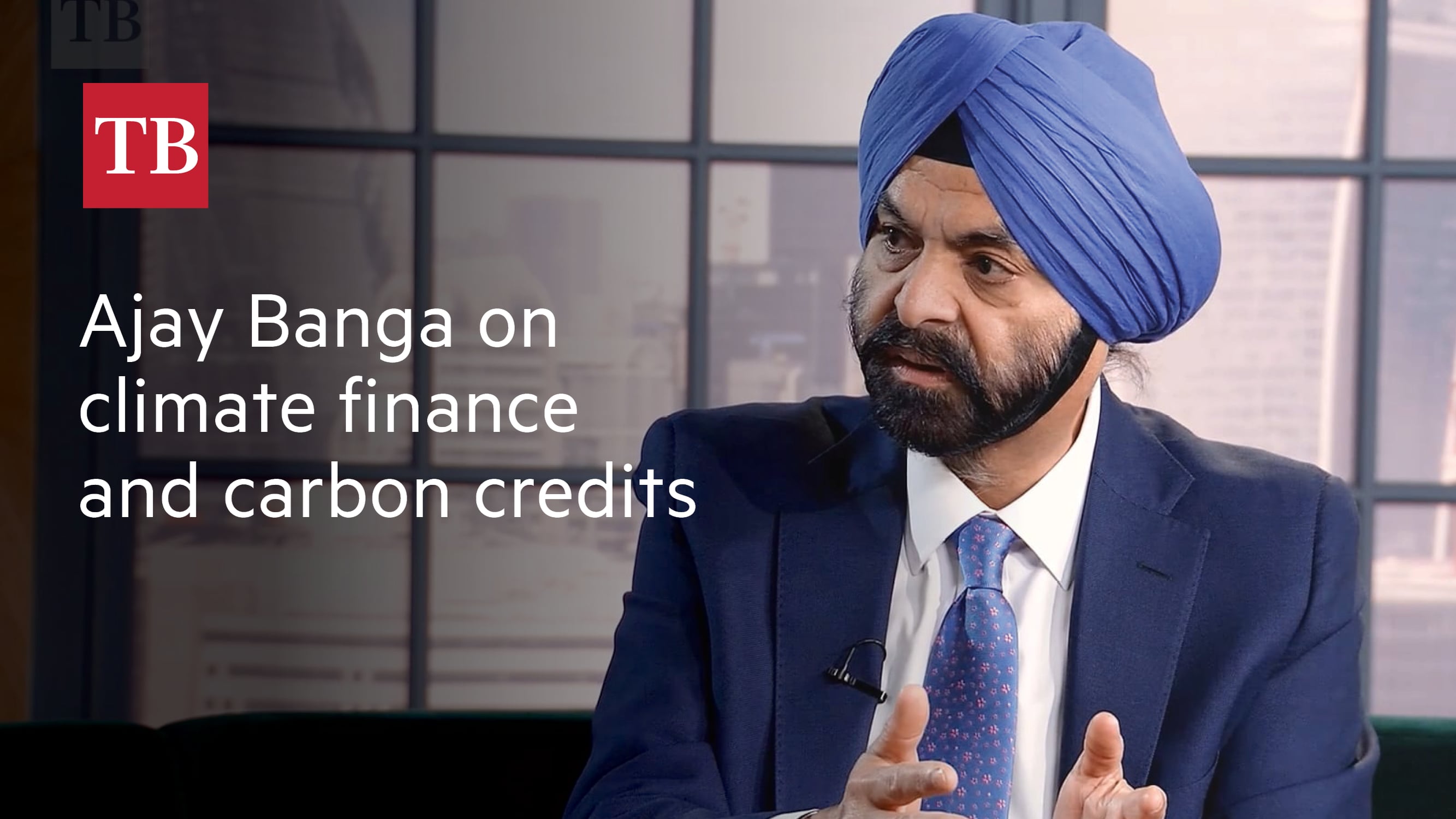
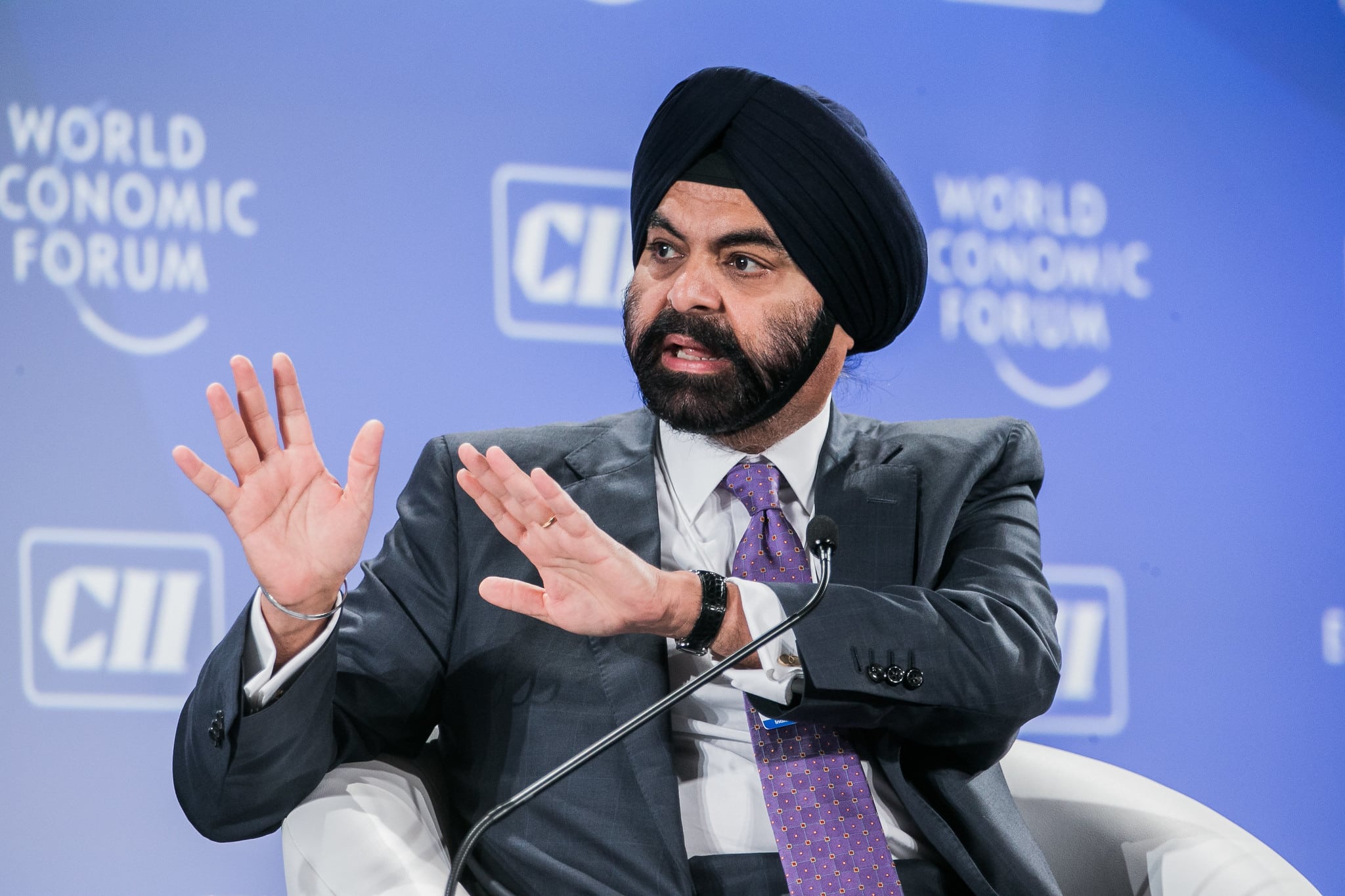
As of 2026, Ajay Singh Banga’s estimated net worth is approximately $280 million to $320 million. The vast majority of this wealth was accumulated during his decade-long tenure as CEO of Mastercard, supplemented by high-level roles at Citigroup, General Atlantic, and various corporate board positions.
Ajay Banga’s transition from the heights of the private financial sector to the presidency of the World Bank Group marks one of the most significant career shifts in global economics. To understand his current financial standing, one must analyze the components of executive compensation in the S&P 500, the performance of Mastercard stock during his leadership, and the financial disclosures necessitated by his move into public service.
The Foundation of Wealth: The Mastercard Era (2010–2021)
The most significant contributor to Ajay Banga’s net worth is his eleven-year stint as the Chief Executive Officer of Mastercard. When Banga took the helm in July 2010, Mastercard was a major player in the payments industry, but it had not yet achieved the dominant, tech-forward market position it holds today.
During his leadership, Mastercard’s revenue tripled, and its net income rose significantly. More importantly for his personal wealth, the company’s stock price (MA) saw an extraordinary ascent. Between 2010 and his departure as Executive Chairman in late 2021, the stock price increased by over 1,500%.
Executive Compensation Structure
Like most top-tier CEOs, Banga’s compensation was not merely a salary. It consisted of a complex mix of:
- Base Salary: Typically ranging from $1.2 million to $1.5 million annually.
- Annual Cash Incentives: Performance-based bonuses that often doubled his base pay.
- Equity Awards: Restricted Stock Units (RSUs) and Stock Options. This was the primary vehicle for his wealth creation.
By the time Banga stepped down as CEO in December 2020 (moving to Executive Chairman), his annual total compensation package was frequently valued between $18 million and $24 million. SEC filings from that period reveal that Banga held hundreds of thousands of shares and exercisable options. Even after standard divestments and tax obligations, the appreciation of the remaining equity forms the bedrock of his current $300 million-range valuation.
The General Atlantic and Boardroom Influence
After transitioning out of the day-to-day operations at Mastercard, Banga joined the global growth equity firm General Atlantic as Vice Chairman. In the private equity and venture capital space, compensation for a person of Banga’s stature typically includes a significant stake in the firm’s performance, known as carried interest, in addition to a substantial base draw.
His time at General Atlantic was relatively short (roughly early 2022 to mid-2023) due to his nomination to the World Bank, but it added a final private-sector "booster" to his liquidity.
Furthermore, Banga has served on the boards of several major corporations, including:
- Exor: The holding company controlled by the Agnelli family (owners of Ferrari and Stellantis).
- Dow Inc.: The chemical giant.
- The American Red Cross: Though often a volunteer-focused role, high-level governance often leads to expansive networking and adjacent opportunities.
Board members of companies like Dow or Exor typically receive annual retainers and equity grants ranging from $250,000 to $400,000 per year. Over a decade of cumulative board service, these positions contributed several million dollars to his total assets.
Financial Disclosures and the World Bank Presidency
In June 2023, Ajay Banga became the 14th President of the World Bank. This role requires a high degree of transparency and the mitigation of potential conflicts of interest. Upon his nomination by the United States, Banga had to undergo rigorous ethics reviews and financial disclosure processes.
World Bank Compensation
The World Bank President’s salary is public knowledge. As of 2026, the base salary for the President of the International Bank for Reconstruction and Development (IBRD) is approximately $590,000 to $630,000 per year. This is supplemented by a significant "duty allowance" (roughly $350,000+) and a contribution to a retirement plan.
While this is a prestigious and high-paying role by public sector standards, it is a massive "pay cut" compared to his $20 million+ annual earnings at Mastercard. This shift demonstrates that Banga’s current net worth is a reflection of his past earnings and investment growth rather than his current government-adjacent salary.
Divestment and Ethics Agreements
To avoid conflicts of interest while leading a multilateral development bank that influences global markets, Banga was required to divest from specific holdings or place assets in blind trusts. The liquidating of concentrated stock positions—specifically Mastercard shares—likely resulted in a significant cash pile, which, if reinvested into diversified, low-conflict indices (like Treasuries or broad-market ETFs), would continue to grow at market rates through 2026.
Estimated Asset Breakdown (2026)
The following table provides a breakdown of the estimated components of Ajay Banga’s wealth, based on historical SEC filings and standard appreciation for high-net-worth individuals.
| Asset Type | Estimated Value (2026) | Primary Source |
|---|---|---|
| Publicly Traded Securities | $180M - $210M | Remaining Mastercard stock, diversified ETFs, and legacy equity from board service. |
| Real Estate Holdings | $25M - $40M | Properties in New York, Connecticut, and potentially India. |
| Cash and Liquid Reserves | $40M - $50M | Proceeds from stock sales, bonuses, and private equity draws. |
| Private Equity & Other | $15M - $20M | Legacy interests from General Atlantic and private investments. |
| Total Estimated Net Worth | ~$280M - $320M | Cumulative Career Earnings |
Early Career and Educational Context
Ajay Banga’s financial journey is a classic example of the "global Indian CEO" phenomenon. Born in Pune, India, his father was a lieutenant general in the Indian Army. This background instilled a sense of discipline but did not provide the kind of inherited wealth often seen in Western billionaire circles.
He was educated at:
- St. Stephen’s College, Delhi: BA in Economics.
- Indian Institute of Management (IIM), Ahmedabad: MBA (PGP).
His wealth-building started slowly at Nestlé India, where he spent 13 years learning the ropes of consumer goods. He then moved to PepsiCo, where he played a pivotal role in launching their fast-food franchises in India during the liberalization era.
The real inflection point in his net worth occurred when he joined Citigroup in 1996. Over 13 years at Citi, he rose to become the CEO of Citigroup Asia Pacific. It was at Citi that he entered the realm of multi-million dollar annual bonuses and stock options, setting the stage for his recruitment by Mastercard.
Real Estate and Lifestyle
Unlike some tech billionaires, Banga is not known for ostentatious displays of wealth. However, his lifestyle reflects his status as a global financial elite.
- New York/Metropolitan Area: Banga has long maintained a primary residence in the New York City area, specifically in affluent parts of Connecticut or Westchester County, which are standard for Manhattan-based executives.
- India Properties: Like many successful members of the Indian diaspora, he likely maintains family or investment properties in India, though these are rarely disclosed publicly.
- The "Turbaned CEO": Banga has often spoken about his identity. His wealth has allowed him to become a major philanthropist, focusing on financial inclusion and climate finance—themes he has carried into his World Bank presidency.
The Impact of Inflation and Market Performance
In 2026, we must account for the economic conditions of the mid-2020s. Following the volatility of 2022-2023, the equity markets have generally trended upward. For an individual with a portfolio heavily weighted in blue-chip stocks (like Mastercard) and diversified indices, the natural compounding of wealth over the last five years has likely offset any lack of "new" high-level private salary.
Even a conservative 7% annual return on $200 million in invested assets generates $14 million per year—more than enough to cover lifestyle expenses and philanthropic goals while still growing the principal.
Philanthropic Commitments
Ajay Banga’s net worth is also being actively diminished by his charitable contributions. He and his wife, Ritu Banga, are involved in several initiatives. His focus areas include:
- The Cyber Readiness Institute: Co-founded to help small businesses.
- Economic Opportunity: Supporting education and entrepreneurship in underserved communities.
- Climate Resilience: Since taking over the World Bank, he has been a vocal advocate for private sector capital being used for "green" transitions, often putting his own institutional weight (and occasionally personal advocacy) behind these causes.
Frequently Asked Questions
1. Is Ajay Banga a billionaire?
No. While extremely wealthy, Banga’s net worth is estimated to be in the $280 million to $320 million range. He is a "centimillionaire," but he does not reach the $1 billion threshold typical of founders like Elon Musk or Jeff Bezos. His wealth is consistent with that of a highly successful professional CEO rather than a company founder.
2. How much does Ajay Banga make as World Bank President?
As of 2026, his annual salary at the World Bank is approximately $600,000, plus allowances. While this is a high salary for a public servant, it is a significant decrease from the $20 million+ he earned annually in the private sector.
3. Did Ajay Banga sell his Mastercard stock?
Upon becoming World Bank President, Banga was required to adhere to strict ethics guidelines. This often involves divesting from stocks that could cause a conflict of interest or placing them in a blind trust. It is highly likely he sold a significant portion of his Mastercard holdings in 2023 to comply with these rules.
4. What was his highest-earning year?
His highest-earning years were likely 2019 and 2020 at Mastercard, where the combination of base pay, cash bonuses, and the vesting of long-term stock incentives brought his total compensation to over $23 million per year.
5. What are his main sources of wealth?
The primary sources are his 11 years as CEO/Executive Chairman of Mastercard, over a decade of executive roles at Citigroup, his tenure at General Atlantic, and several lucrative corporate board seats.
Final Perspective
Ajay Banga’s net worth of roughly $300 million in 2026 is a testament to a 40-year career that spanned the globe—from the consumer markets of India to the boardrooms of Wall Street and finally to the helm of international development. His wealth was built on the back of the "fintech" revolution long before that term became common, as he transitioned Mastercard from a credit card company into a global technology giant.
For those looking to understand the financial trajectory of a top-tier global executive, Banga’s profile illustrates that the most substantial wealth is not built through salary alone, but through long-term equity performance and the disciplined management of stock-based compensation over decades.