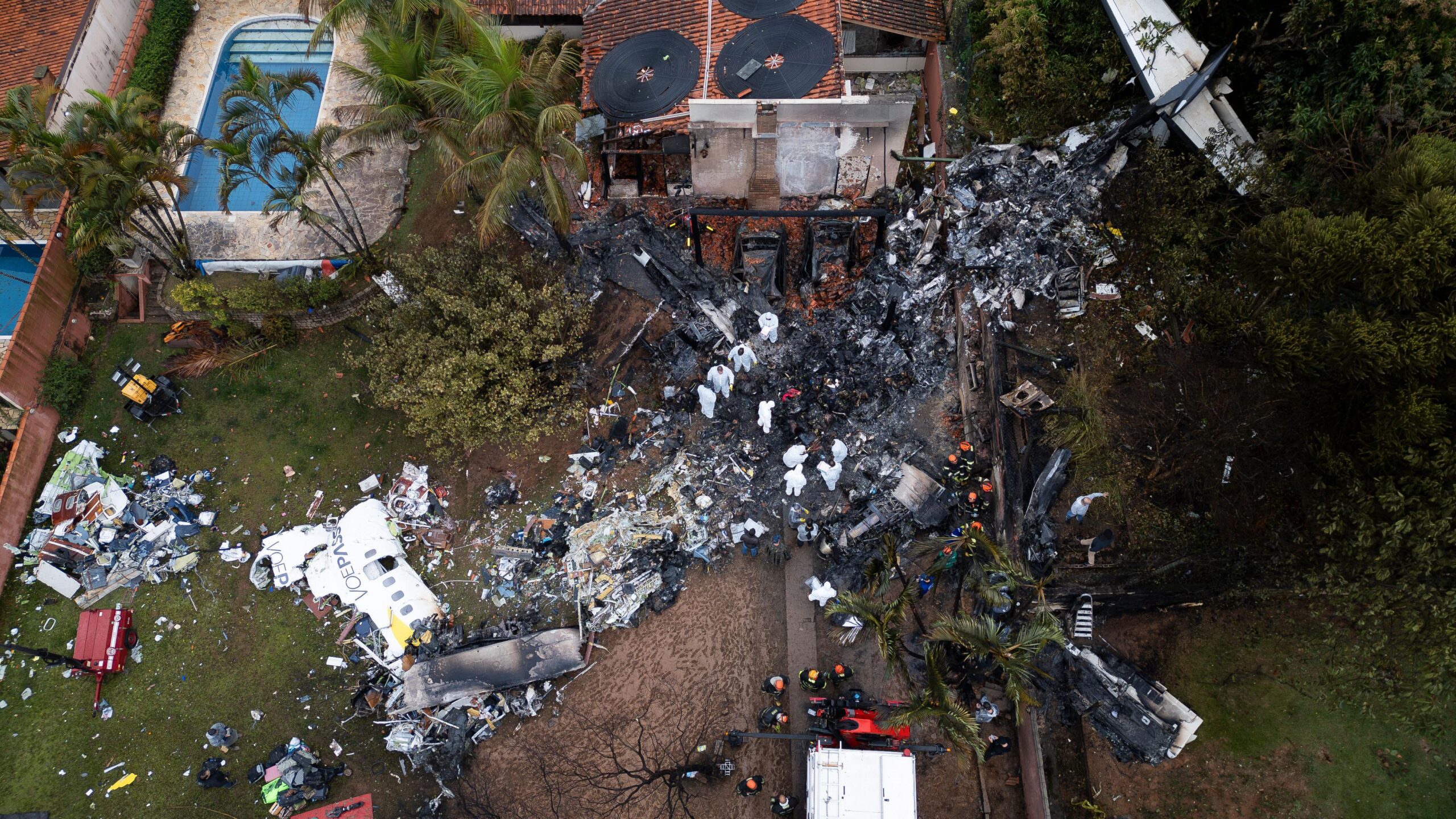
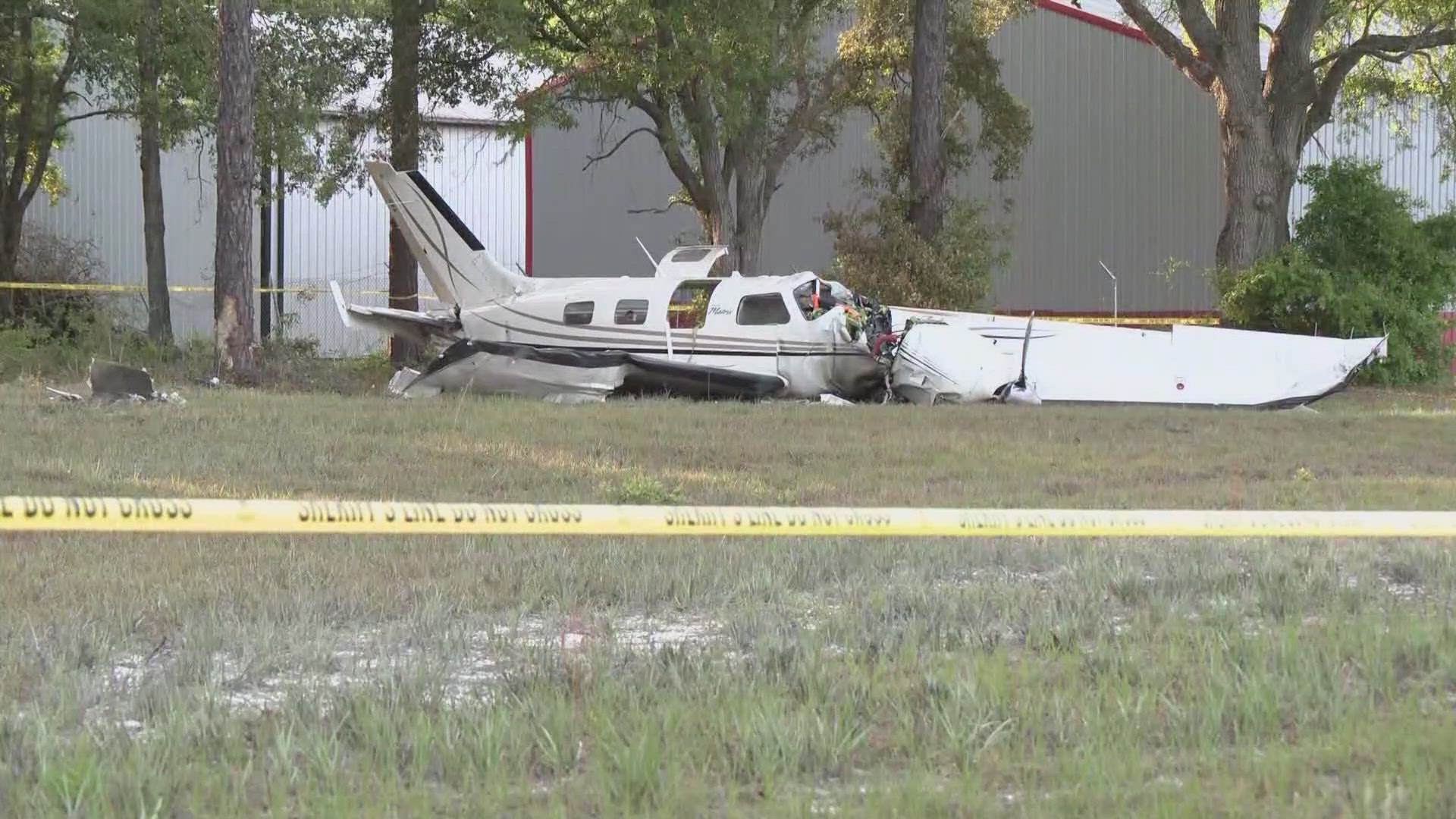
Aircraft crash victims and their surviving families face an immediate convergence of emergency response, forensic identification, and complex multi-jurisdictional legal proceedings. Following an aviation disaster, international treaties, federal statutes, and specialized disaster response agencies govern everything from immediate humanitarian assistance and passenger manifest verification to victim recovery, accident investigation, and financial compensation claims.
The Immediate Response: Family Assistance and Humanitarian Care
The initial 72 hours following an aviation accident represent the most chaotic period for the families of aircraft crash victims. To prevent the disorganization historically seen in commercial disasters, standardized humanitarian protocols now dictate how commercial airlines, local authorities, and national transportation safety bureaus respond.
The Role of Transportation Safety Authorities
In the United States, the response framework is guided by the Aviation Disaster Family Assistance Act of 1996. This legislation designated the National Transportation Safety Board (NTSB) as the primary federal coordinator coordinating family assistance after a major domestic civil aviation accident. Within the agency, the Transportation Disaster Assistance (TDA) division serves as the liaison between surviving families, the air carrier, and the investigative teams.
Internationally, the International Civil Aviation Organization (ICAO) establishes global standards through ICAO Doc 9998 (Policy on Assistance to Aircraft Accident Victims and their Families) and Annex 9 (Facilitation). ICAO mandates that contracting states establish clear legislative frameworks requiring airlines and national governments to implement victim assistance plans before disasters happen.
Family Assistance Centers (FACs)
When a mass-casualty commercial aviation disaster occurs, the operating carrier and local emergency management agencies establish a secured Family Assistance Center (FAC), typically in close proximity to the accident site or departure/arrival hubs. The FAC serves several critical functions:
- Protection of Privacy: Securing surviving family members from unvetted media inquiries, unauthorized legal solicitation, and public intrusion.
- Official Status Briefings: Delivering verified, non-public updates directly from safety investigators before technical details are released at press conferences.
- Logistical Provisioning: Covering emergency travel, lodging, immediate subsistence funds, and translation services for family members traveling to the scene.
- Specimen Collection: Housing the technical staff responsible for gathering ante-mortem reference materials necessary for the victim identification process.
Disaster Victim Identification (DVI) Protocols
The recovery and identification of aircraft crash victims is one of the most demanding forensic tasks in modern science. High-velocity impacts, thermal damage, and open-environment exposure often compromise biological evidence.
Forensic teams globally adhere to standard protocols established by the International Criminal Police Organization (Interpol) for Disaster Victim Identification (DVI). The DVI process operates through four distinct phases:
[Phase 1: Scene Processing] ➔ [Phase 2: Post-Mortem Data] ➔ [Phase 3: Ante-Mortem Data] ➔ [Phase 4: Reconciliation]
1. Scene Processing and Recovery
Specialized recovery teams grid the crash site, methodically logging, tagging, and photographing biological remains and personal effects. This phase uses GPS mapping and three-dimensional spatial analysis to preserve evidentiary integrity for both forensic identification and accident reconstruction.
2. Post-Mortem (PM) Data Collection
At the designated mortuary facility, forensic pathologists, odontologists, and anthropologists document the recovered remains. The team records primary identifiers (friction ridge skin/fingerprints, dental morphology, and bone structures) along with secondary identifiers (tattoos, surgical implants, unique scars, and clothing fragments).
3. Ante-Mortem (AM) Data Collection
Concurrently, trained family liaison officers collect comparison data from the victims' families at the Family Assistance Center or remotely. This includes:
- Dental and medical radiographs (X-rays, CT scans).
- Records of unique prosthetics, pacemakers, or orthopedic implants carrying traceable serial numbers.
- Known fingerprint repositories (government registries, employment files).
- Reference DNA samples, usually acquired via buccal swabs from first-degree biological relatives (parents, children, full siblings) or direct personal items belonging to the victim (such as toothbrushes or hairbrushes).
4. Reconciliation and Identification Board
In the final phase, an independent identification board systematically matches PM forensic findings with verified AM records. To maintain global scientific integrity, positive identification requires either verified matching of primary scientific identifiers (DNA profiling, comparative dental analysis, or fingerprint ridge analysis) or a distinct combination of verifiable medical identifiers, such as matching orthopedic serial numbers.
Legal Frameworks Governing Passenger Rights and Compensation
Determining compensation for aircraft crash victims and their estates depends heavily on whether the flight was purely domestic, governed by international treaty, or conducted under general aviation (private flight) regulations.
The Montreal Convention of 1999 (MC99)
For international passenger flights between participating countries, the Montreal Convention of 1999 provides the foundational liability framework. MC99 superseded the older Warsaw Convention system, establishing a modern, pro-passenger liability regime.
Key provisions of the Montreal Convention include:
- Two-Tier Liability System (Article 21):
- First Tier (Strict Liability): The carrier cannot exclude or limit its liability for damages arising out of the death or bodily injury of a passenger up to a statutory cap, expressed in Special Drawing Rights (SDRs)—an artificial currency defined by the International Monetary Fund (IMF). As of the statutory inflation reviews, this strict-liability cap stands at 128,821 SDRs (approximately $170,000 to $175,000 USD, subject to exchange rates). For damages up to this threshold, the airline cannot contest liability, provided the accident occurred onboard the aircraft or during embarking/disembarking.
- Second Tier (Fault-Based Liability): For provable compensatory damages exceeding the strict-liability threshold, recovery is theoretically unlimited. However, the airline can avoid liability exceeding 128,821 SDRs if it proves that the damage was not caused by its negligence, wrongful act, or omission, or was solely caused by the negligence or wrongful act of a third party (such as air traffic control or a component manufacturer).
- Advance Payments (Article 28): In the immediate aftermath of an accident resulting in death or injury, the carrier is required to make advance payments to victims or their beneficiaries to meet immediate economic needs. These advance disbursements do not constitute an admission of fault and are offset against any ultimate settlement or judgment.
- Jurisdiction (The "Fifth Jurisdiction," Article 33): MC99 allows claimants to file an action in the passenger's country of principal and permanent residence, provided the carrier operates passenger flights to that country and conducts business there from premises leased or owned by the airline or an allied code-share partner.
Domestic Aviation Accidents in the United States
If an accident involves a purely domestic route inside the United States on a domestic carrier, the Montreal Convention does not apply. Instead, liability is governed by state tort law, common carrier standards, and applicable federal preemption doctrines.
Under US domestic law:
- Airlines are classified as common carriers, which subjects them to the highest duty of care for passenger safety. Any proven deviation from that standard creates liability for compensatory damages.
- Damages generally fall under two headings: wrongful death (losses suffered by surviving family members, including financial support, companionship, and guidance) and survival actions (compensation for the victim's pre-impact terror, pain, and suffering before death).
- Unlike the Montreal Convention, domestic claims allow for punitive damages under state law if the plaintiff demonstrates gross negligence, willful misconduct, or deliberate corporate malfeasance.
Comparison of Legal Frameworks for Passenger Claims
The legal pathway for recovery changes radically depending on the flight profile, jurisdiction, and applicable treaty status.
| Legal Dimension | Montreal Convention 1999 (MC99) | Warsaw Convention (Legacy Systems) | US Domestic Tort Law |
|---|---|---|---|
| Primary Scope | International flights between treaty signatories | Flights between non-MC99 treaty signatories | Purely domestic flights within the United States |
| Initial Liability Cap | Strict liability up to 128,821 SDRs (approx. $170,000+ USD) | Capped at historical levels (~$10,000 to $75,000 USD) | No statutory cap; determined by jury or settlement |
| Above-Cap Liability | Unlimited, unless carrier proves lack of negligence | Barred, unless "willful misconduct" is proven | Unlimited compensatory damages |
| Fifth Jurisdiction | Available (victim's permanent residence) | Not recognized | Governed by traditional venue and minimum contacts |
| Punitive Damages | Explicitly Prohibited (Compensatory only) | Prohibited | Permissible upon proving gross negligence or malice |
| Statute of Limitations | Strict 2-year cutoff from arrival/scheduled arrival date | Strict 2-year cutoff | Varies by state (typically 1 to 3 years) |
Liability Beyond the Airline: Product and Third-Party Claims
While the operating carrier is typically the primary respondent in legal claims, aviation disasters rarely involve single points of failure. In-depth technical investigations often reveal complex mechanical, operational, or maintenance contributions that trigger liability against non-carrier entities.
1. Aircraft and Component Manufacturers
If mechanical failure, design defects, uncommanded flight control inputs, or battery thermal runaways caused or contributed to the crash, the aircraft manufacturer and its subsystem suppliers face product liability claims.
- Design Defects: The underlying architecture of the aircraft, avionics software, or propulsion systems failed to perform safely under foreseeable conditions.
- Failure to Warn: The manufacturer possessed data indicating technical flaws or anomalous handling characteristics but failed to distribute service bulletins, revision updates, or appropriate emergency procedures to operators.
Product liability claims against manufacturers fall outside the procedural caps of international conventions, making them critical for securing comprehensive recoveries, especially when punitive standards apply.
2. Maintenance and Repair Organizations (MROs)
Major airlines frequently contract heavy airframe maintenance, avionics overhauls, and engine servicing to specialized third-party repair stations. If an outsourced maintenance provider fails to correctly tension flight control cables, misses structural fatigue cracking during mandatory non-destructive inspections, or uses unapproved parts, it can be held directly liable for resulting disasters.
3. Air Traffic Control and State Agencies
When an accident involves mid-air collisions, spatial disorientation triggered by vectoring into severe weather, or runway incursions due to controller error, sovereign entities may bear liability. In the United States, claims against federal air traffic controllers must proceed under the Federal Tort Claims Act (FTCA), which imposes strict administrative notice requirements, short statutory deadlines, and bench trials without juries.
Practical Guidance: Critical Actions for Surviving Families
Families handling the sudden loss or catastrophic injury of an aircraft crash victim must navigate complex administrative, forensic, and legal decisions during acute trauma. Taking structured, intentional steps helps safeguard both the family's welfare and future legal accountability.
1. Exercise Caution Regarding Early Contact and Offers
Air carriers, their third-party adjusters, and insurers typically move quickly to establish relationships with families.
- Accept Emergency Family Assistance Funds: Taking immediate statutory subsistence money (such as advance payments under MC99 or statutory carrier assistance) is generally safe, provided the paperwork clearly states it is an unconditional advance and not a full settlement waiver.
- Do Not Sign Blanket Releases: Never sign liability waivers, non-disclosure agreements (NDAs), or general releases without independent legal review. Early settlement offers rarely account for full life-care costs, extensive economic support loss, or the potential for third-party product liability claims.
2. Recognize and Report Unlawful Solicitation
In the United States, the federal Disaster Assistance and Relief Act (enforced through 49 U.S.C. § 1136) contains an anti-solicitation provision, commonly called the "solicitation restriction." Attorneys and their intermediaries are legally prohibited from unsolicited contact with victims and their families for 45 days following an air accident. Unsolicited approaches by investigators, attorneys, or third-party brokers within this window violate federal law and state bar ethics rules.
3. Preserve Critical Documentation
Begin systematically gathering records to verify identity, financial status, and the immediate impact of the loss:
- Passports, birth certificates, marriage licenses, and divorce decrees.
- Recent federal and state tax returns, employment contracts, bonus schedules, and pension statements to establish lost future earning capacity.
- Personal communications, travel itineraries, text messages, and digital logs relating to the flight and itinerary.
- Medical, psychological, and out-of-pocket expenses directly tied to the accident.
4. Consult Qualified Aviation Counsel
Aviation litigation requires specialized knowledge of international treaties, engineering, federal aviation regulations, multi-district litigation (MDL) consolidation procedures, and forensic pathology. Families should retain legal representation experienced in handling major transport-category crashes, with the financial resources to litigate against multi-billion-dollar manufacturers and global insurance consortia.
Frequently Asked Questions
Can an airline escape liability under the Montreal Convention if the crash was caused by bad weather?
No. Under the first tier of the Montreal Convention, the airline is strictly liable for proven passenger damages up to 128,821 SDRs (Special Drawing Rights), regardless of whether the weather was severe or unexpected. For damages exceeding that amount, the airline can avoid liability only if it proves that it took all reasonable steps to avoid the weather hazard, that the flight crew exercised reasonable care under the circumstances, or that the fault lay entirely with another party, such as air traffic control giving erroneous storm data.
How are the personal effects and belongings of crash victims handled?
Under federal regulations and ICAO guidelines, airlines and investigating agencies must catalog, photograph, and secure all personal effects found at the accident site. Items with no evidentiary or hazardous-material value are cleaned, sanitized, and returned to designated next of kin through the Family Assistance Center or a specialized crisis recovery contractor. Belongings critical to the technical safety investigation may be retained in government custody until the formal probe concludes.
Can an injured passenger recover damages for emotional trauma alone?
Under the Montreal Convention, the answer is generally no. The treaty requires an "accident causing bodily injury or death." International courts have ruled that pure psychological injury (such as post-traumatic stress disorder) is compensable only if it directly flows from an accompanying physical injury sustained during the accident. Under domestic US tort law, however, state laws vary; some allow independent claims for negligent infliction of emotional distress, and survival actions frequently permit recovery for the passenger's pre-impact terror immediately preceding the crash.
What is the difference between an NTSB/ICAO investigation and a legal investigation?
Safety investigations carried out by agencies like the NTSB, the UK Air Accidents Investigation Branch (AAIB), or the French Bureau of Enquiry and Analysis for Civil Aviation Safety (BEA) are purely technical and aimed at preventing future accidents. By law (such as 49 U.S.C. § 1154 in the US), the formal, final probable-cause determinations made by these agencies cannot be admitted as evidence in a civil lawsuit for damages. Legal teams conduct their own parallel discovery, hiring independent aeronautical engineers and experts to establish civil fault and financial liability.
How long do families have to file a claim following an aircraft accident?
For international flights subject to the Montreal Convention, there is a strict two-year statute of limitations running from the date of arrival at the destination, or from the date on which the aircraft ought to have arrived, or from the date on which the carriage stopped. This deadline cannot be paused (tolled) by local procedural rules, even for minor children. For domestic flights or non-carrier product liability suits, filing deadlines vary based on state laws, making immediate legal consultation critical.
Next Steps for Affected Families
If you or your family members are dealing with the aftermath of an aviation accident, your immediate priority should be personal physical and emotional stability within the Family Assistance Center or a secure private environment. Designate one trusted family member or professional advisor to serve as the point of contact for the air carrier, federal liaisons, and medical authorities.
Before committing to any formal settlements, releasing personal property rights, or waiving future litigation, retain experienced, accredited aviation legal counsel. Doing so ensures your rights under applicable federal statutes and international treaties are fully protected, preserves critical evidence, and provides an objective buffer during this difficult period.