An air conditioner experts guide provides homeowners and facility managers with professional strategies for selecting, maintaining, and troubleshooting cooling systems. By understanding proper sizing calculations, routine preventive maintenance schedules, and advanced diagnostic techniques, users can maximize energy efficiency, prevent costly mid-summer breakdowns, and extend the lifespan of their HVAC equipment.
Navigating the world of home cooling can often feel overwhelming. With an array of system types—ranging from central air conditioning units and ductless mini-splits to heat pumps and window units—homeowners frequently struggle to identify the ideal setup for their specific climate, home layout, and budget. Furthermore, modern HVAC technology incorporates complex electronic controls, variable-speed compressors, and strict environmental refrigerant regulations that require professional insight to navigate safely and efficiently. This guide consolidates expert-level knowledge to help you make informed decisions regarding your climate control infrastructure.
Understanding Air Conditioning System Types
Selecting the correct air conditioning system depends on your home’s architectural layout, existing ductwork, and regional climate. Professionals evaluate several distinct categories of cooling equipment to match specific structural requirements.
Central Air Conditioning Systems
Central air conditioning systems remain the most common choice for medium to large single-family homes. These split systems feature an outdoor compressor and condenser unit paired with an indoor evaporator coil, utilizing the home's forced-air duct distribution network to circulate conditioned air.
- Pros: Even cooling throughout the entire home, hidden mechanical components, and integration with whole-home air filtration and humidity control accessories.
- Cons: High initial installation costs, potential energy losses through unsealed or uninsulated ductwork, and reliance on a single centralized zone.
Ductless Mini-Split Heat Pumps
Ductless mini-splits have gained immense popularity for homes without existing ductwork, home additions, or targeted room-by-room climate control. These systems consist of an outdoor compressor connected via refrigerant lines to one or more indoor air-handling units.
- Pros: Highly customizable multi-zone temperature control, exceptional energy efficiency ratings (often featuring high SEER2 metrics), and simple installation without major construction.
- Cons: Visible indoor wall-mounted heads and a higher upfront equipment cost per square foot compared to standard window units.
Packaged Units and Heat Pumps
In packaged units, all essential components—compressor, condenser, and evaporator—are housed in a single cabinet typically located outdoors on the roof or concrete slab. Air-source heat pumps function similarly to standard air conditioners during summer by absorbing indoor heat and releasing it outside, but they can also reverse the cycle in winter to provide efficient heating.
Key Technical Metrics and System Sizing
One of the most frequent mistakes homeowners and amateur installers make is miscalculating the required cooling capacity of an air conditioner. An oversized unit will cool a space too quickly without removing adequate humidity, leaving the indoor air feeling clammy and causing short-cycling that wears out the compressor prematurely. Conversely, an undersized unit will run continuously, failing to reach the target thermostat setting while driving up utility bills.
Cooling Capacity Measured in BTUs
Cooling capacity is measured in British Thermal Units (BTUs) per hour, often expressed colloquially as "tons" of refrigeration, where one ton equals 12,000 BTUs per hour. As a general rule of thumb, residential spaces require approximately 20 BTUs of cooling capacity per square foot of living space. However, this baseline must be adjusted upward or downward based on several structural variables:
- Ceiling Height: Rooms with vaulted or ceilings exceeding standard 8-foot heights require proportionately higher BTU capacity.
- Sun Exposure: South-facing and west-facing rooms that receive direct, intense solar radiation need increased cooling power.
- Insulation Levels: Modern double-pane windows and high-density wall and attic insulation drastically reduce cooling loads compared to older, drafty construction.
- Climate Zone: Homes located in hot, humid southern climates require significantly more cooling capacity than identical structures in mild northern regions.
Understanding Efficiency Ratings (SEER2 and EER2)
The Seasonal Energy Efficiency Ratio (SEER) and Energy Efficiency Ratio (EER)—along with their updated regulatory counterparts, SEER2 and EER2—measure the electrical efficiency of air conditioning equipment under specific testing protocols.
| Metric | Description | Minimum Federal Standard (North) | High-Efficiency Benchmark |
|---|---|---|---|
| SEER2 | Measures seasonal cooling efficiency across varying outdoor temperatures. | 13.4 to 15.2 (Region Dependent) | 18.0 to 26.0+ |
| EER2 | Measures cooling efficiency at a specific, high outdoor temperature (95°F). | 11.7 | 13.0 to 16.0+ |
Choosing a unit with a higher SEER2 rating requires a larger upfront financial investment, but it delivers substantial long-term electricity savings, particularly in regions with extended cooling seasons and high utility rates.
Routine Preventive Maintenance Schedule
Preventive maintenance is the single most effective way to preserve system efficiency, prevent sudden failures, and maintain indoor air quality. While complex diagnostic tasks require a certified HVAC technician, homeowners can manage several vital upkeep procedures.
Monthly Air Filter Replacement
The air filter prevents dust, pet dander, pollen, and airborne debris from accumulating on the delicate evaporator coil. A clogged filter restricts airflow, forcing the blower motor to work harder, which spikes energy consumption and can freeze the coil. Check your filter monthly, especially during peak cooling and heating seasons, and replace disposable pleated filters or clean permanent filters as recommended by the manufacturer.
Seasonal Coil and Condensate Drain Care
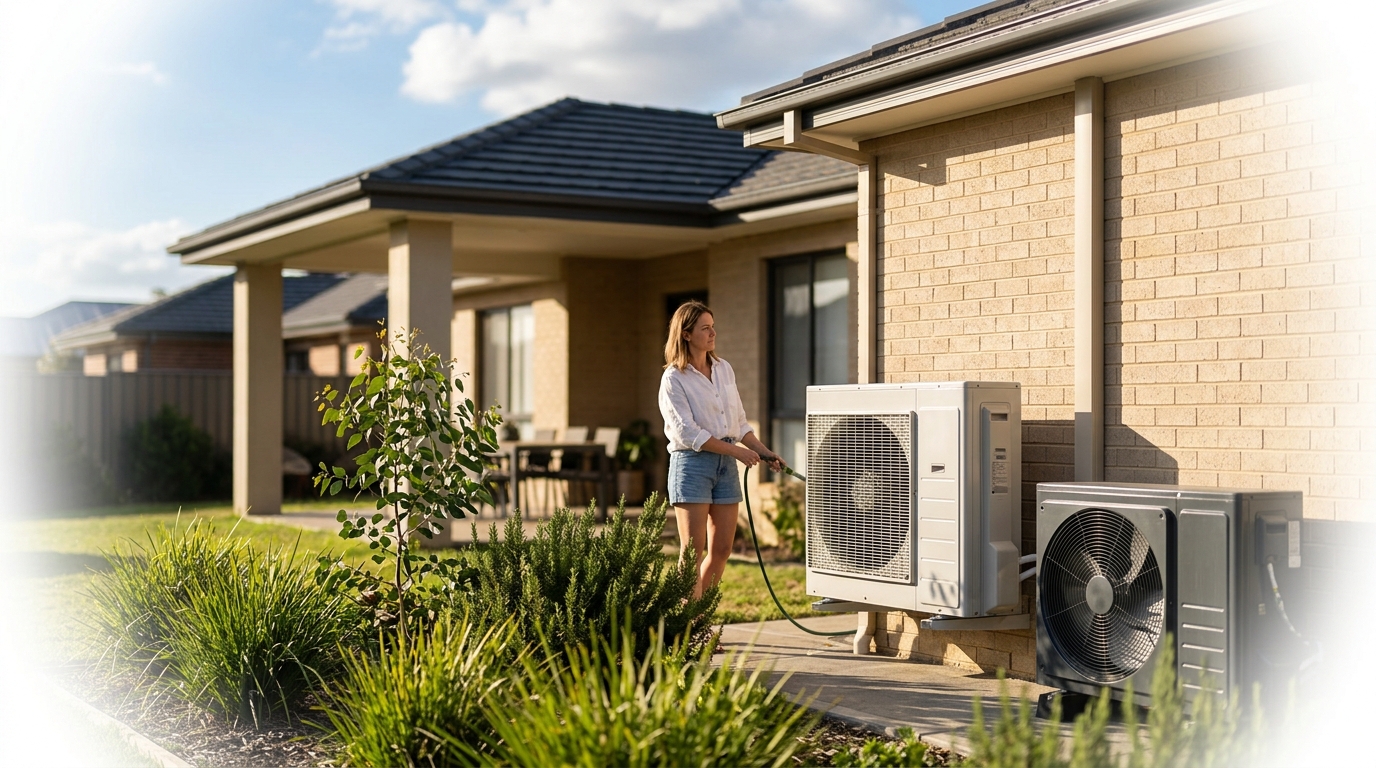
Outdoor condenser coils gather dirt, grass clippings, and cottonwood seeds blown by wind or drawn in by the fan blades. This layer of debris acts as an insulator, preventing heat from dissipating properly.
- Safety First: Always shut off power to the air conditioning unit at the outdoor disconnect box before performing any cleaning.
- Gentle Rinsing: Using a standard garden hose with a spray nozzle, gently wash away debris from the outside-in, taking care not to bend the fragile aluminum cooling fins.
- Condensate Line Maintenance: Indoor evaporator coils produce condensation that drains through a PVC pipe. Pour a cup of distilled white vinegar or an approved algaecide down the condensate drain line tee once a month during summer to prevent clogs caused by algae and mold growth.
Professional Diagnostic and Troubleshooting Guidance
When an air conditioner fails to perform, systematic troubleshooting can help you identify whether the issue is a simple fix or requires professional intervention.
Common Symptoms and Potential Causes
- Air Conditioner Blows Room-Temperature Air: Verify that the thermostat is set to "Cool" and the temperature is set below room temperature. Check the outdoor unit to ensure the fan is spinning. If the outdoor unit is silent while the indoor blower runs, the problem may stem from a tripped circuit breaker, a failed capacitor, or a malfunctioning thermostat wire.
- Water Leaking Inside the Home: This typically indicates a clogged condensate drain line or a rusted, overflowing drain pan. Turn off the system immediately to prevent water damage to drywall and flooring, and clear the blockage using a wet/dry shop vacuum or pipe brush.
- Ice Formation on the Evaporator Coil or Refrigerant Lines: Ice forms when airflow is severely restricted (due to a dirty filter or closed vents) or when the system suffers from low refrigerant charge. Turn the system off, switch the thermostat fan setting to "On" to accelerate melting, and call a professional technician to check for refrigerant leaks.
When to Call a Certified HVAC Professional
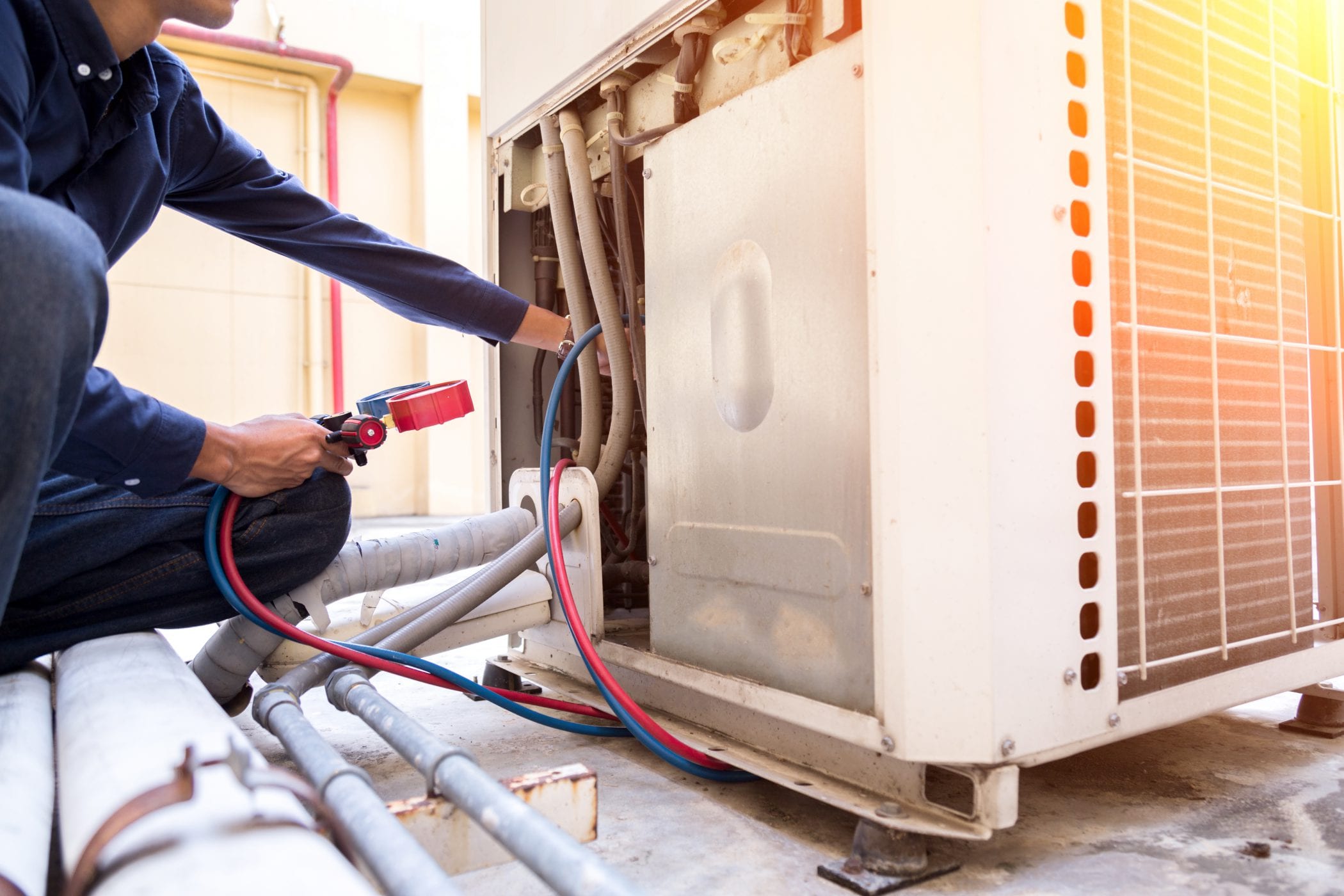
Certain HVAC maintenance and repair tasks carry legal and safety risks. Under Section 608 of the Clean Air Act enforced by the U.S. Environmental Protection Agency (EPA), handling refrigerants—such as R-410A or older regulated compounds—requires formal Section 608 Technician Certification. Homeowners should never attempt to gauge refrigerant pressures, recharge a system, or weld refrigerant tubing without proper credentials. Furthermore, electrical repairs involving high-voltage contactors, capacitors, and compressor terminals should always be entrusted to licensed electricians or HVAC specialists to prevent electrical shock, fire hazards, or permanent equipment damage.
Frequently Asked Questions
How often should I replace my air conditioner's air filter?
Standard one-inch pleated air filters should typically be inspected monthly and replaced every 60 to 90 days. Homes with multiple pets, residents with severe allergies, or dusty rural environments may require monthly filter replacements to maintain optimal airflow and indoor air quality.
What is the average lifespan of a central air conditioning system?
With routine professional maintenance and prompt repairs, a standard residential central air conditioning system lasts between 12 and 15 years. Units located in coastal environments subject to salt spray or regions with extreme, year-round cooling demands may experience a shorter operational lifespan closer to 10 years.
Is it better to repair or replace an aging air conditioner?
Professionals often apply the "Rule of 5,000" when advising clients. Multiply the estimated cost of the repair by the age of the equipment in years. If the resulting figure exceeds $5,000, replacement is generally the more cost-effective long-term investment, especially if the unit uses older, phased-out refrigerants or falls below modern efficiency standards.
Why is my utility bill suddenly higher during the summer?
A sudden spike in summer electricity bills often points to declining system efficiency caused by a dirty air filter, blocked outdoor condenser coils, low refrigerant levels, or a failing compressor working overtime to maintain indoor temperatures. Scheduling a professional tune-up can restore peak operating efficiency.
Next Steps for Homeowners
To ensure your home remains comfortable and your cooling equipment operates at peak efficiency, begin by verifying the cleanliness of your current air filter and checking the perimeter of your outdoor condenser unit for obstructions. If your system is over a decade old or struggling to keep up with regional cooling demands, schedule an inspection with a licensed HVAC professional to evaluate your ductwork, assess refrigerant charge, and discuss high-efficiency upgrade options tailored to your home.