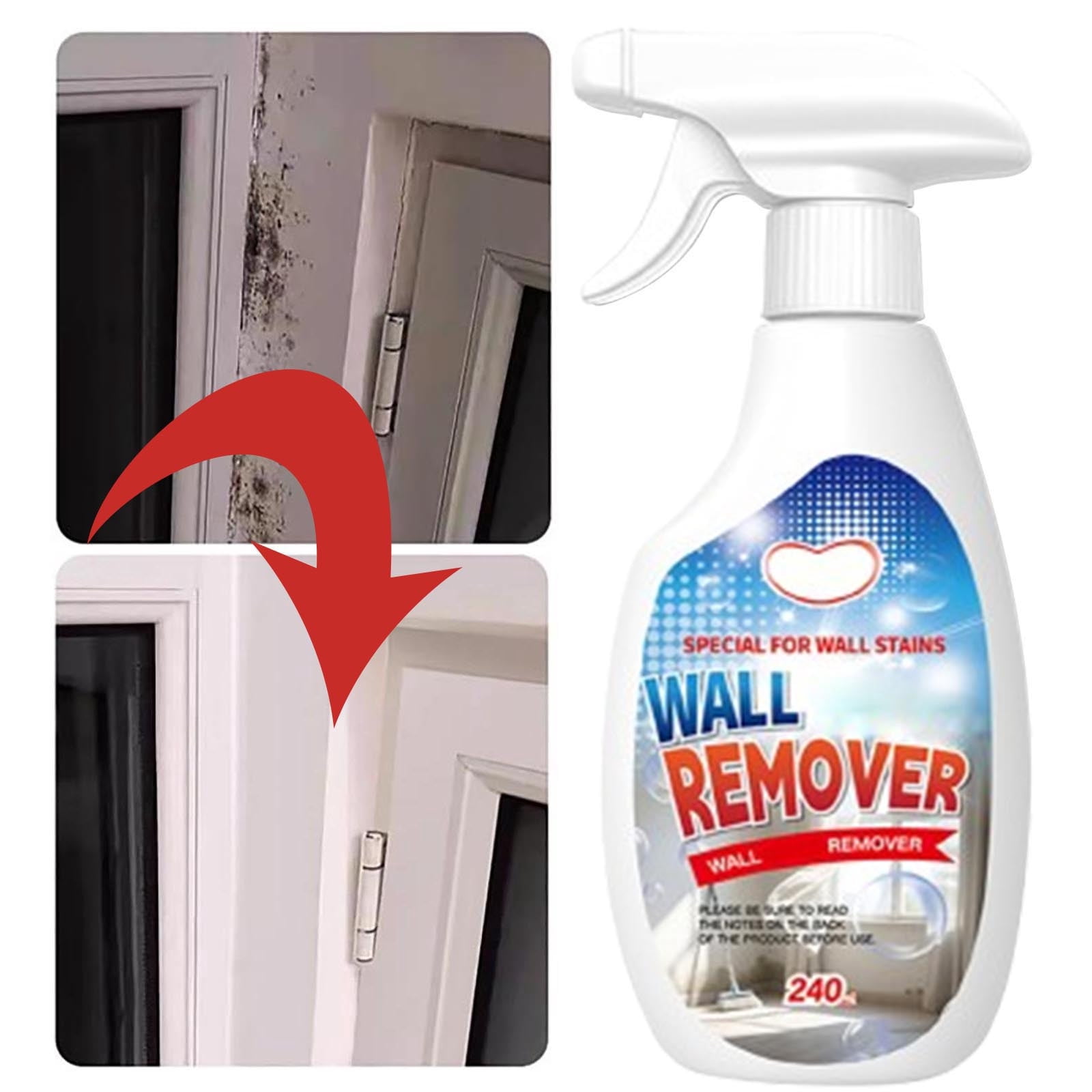
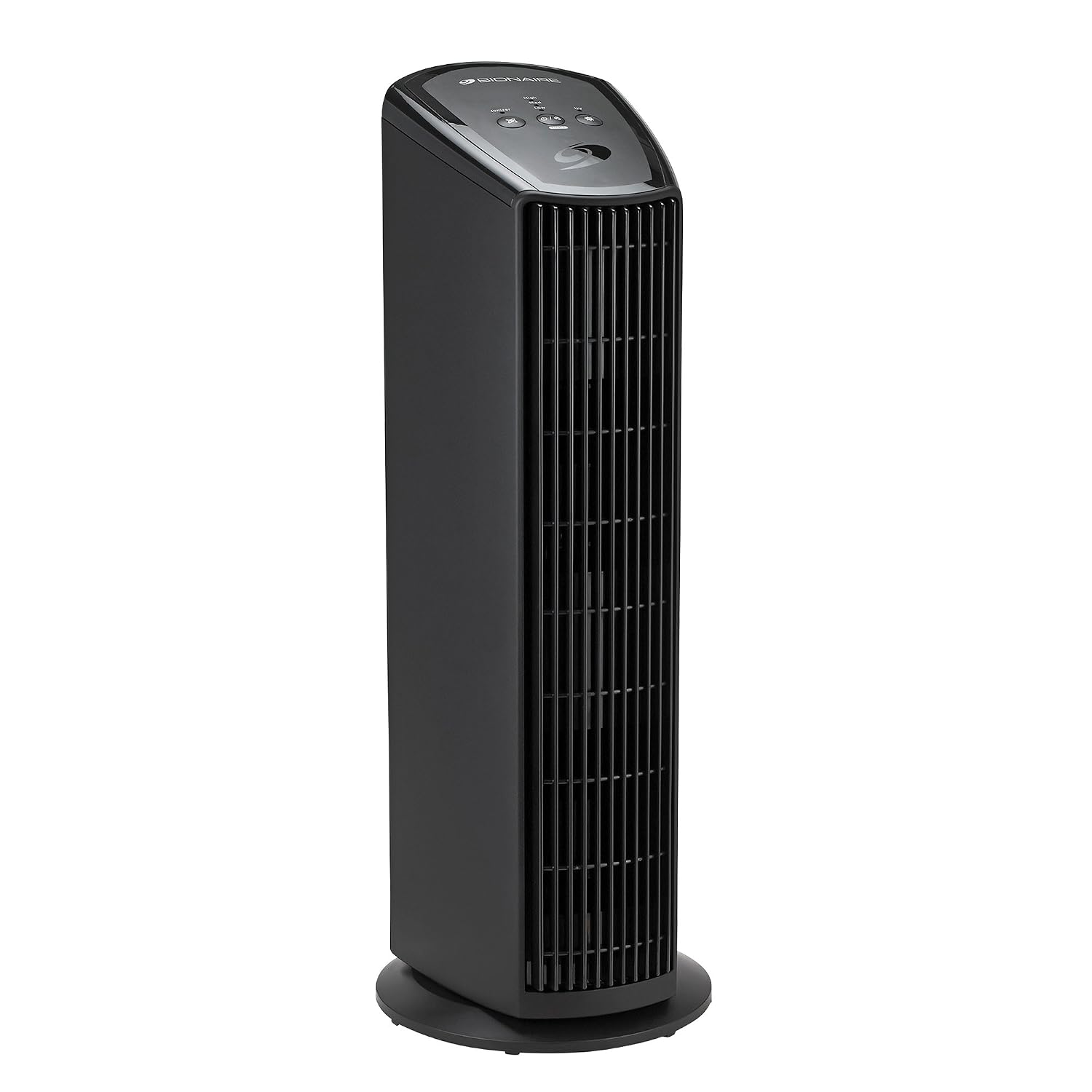
Air cleaners can reduce airborne mold spores in an indoor space, but they cannot eliminate mold infestations, treat mold growing on surfaces, or solve the underlying moisture issues that cause mold growth. While high-efficiency particulate air (HEPA) purifiers capture floating spores effectively, mold must grow and colonize on organic materials, meaning that filtration only addresses a secondary symptom rather than the root cause of indoor air quality problems.
Understanding the Nature of Indoor Mold
Mold consists of microscopic fungi that reproduce by releasing spores into the environment. These spores are ubiquitous outdoors and inevitably enter buildings through open doors, windows, HVAC systems, and on clothing or pets. Once inside, mold spores remain dormant until they encounter three essential conditions: organic food sources (such as drywall, wood, carpet, or paper), appropriate temperatures, and, most critically, moisture.
When excess moisture accumulates due to plumbing leaks, roof defects, high relative humidity, or condensation, mold spores begin to germinate and colonize. Active mold growth produces millions of new spores, fragments, and microbial volatile organic compounds (mVOCs), which are released into the indoor air. Inhaling these particles can trigger allergic reactions, asthma attacks, and other respiratory irritation, prompting many occupants to seek technological solutions like air cleaners to improve indoor air quality.
How Air Cleaners Function Against Mold Spores
To understand how air purifiers handle mold, it is necessary to examine the mechanics of air filtration technologies. Not all consumer air cleaning devices operate on the same scientific principles, and their efficacy varies widely based on their design and filtration medium.
True HEPA Filtration Mechanics
The gold standard for particle filtration is a True HEPA (High-Efficiency Particulate Air) filter. According to standards established by the United States Department of Energy (DOE) and adopted globally, a HEPA filter must capture at least 99.97% of airborne particles down to 0.3 microns in size.
Mold spores typically range from 1 to 100 microns in diameter, making them physically larger than the 0.3-micron threshold. Because HEPA filters rely on a dense web of randomly arranged fiberglass or synthetic fibers that trap particles through impaction, interception, and diffusion, they capture mold spores passing through the airflow with high efficiency.
However, a HEPA filter only captures spores that are currently suspended in the air. It has zero effect on mold colonies attached to baseboards, hidden inside wall cavities, or embedded in soft furnishings.
Technologies with Limited or Risky Efficacy
Beyond mechanical filtration, many commercial air cleaners utilize alternative technologies that interact with mold differently:
- Carbon Filters: Activated carbon is designed to absorb gases, odors, and chemical vapors (including mVOCs produced by mold). It does not capture solid particulate matter like spores unless paired with a particle filter.
- Ionic and Ozone Generators: These devices release charged ions or ozone gas into the air to clump particles together or chemically alter molecules. While some ions cause particles to settle out of the air, ozone generators purposefully produce ozone, a lung irritant that the United States Environmental Protection Agency (EPA) warns can cause health adverse effects at concentrations exceeding safe indoor thresholds, without reliably destroying mold sources.
- UV-C Germicidal Lamps: Ultraviolet-C light can neutralize microorganisms by disrupting their DNA. Some air cleaners incorporate UV-C bulbs inside the unit. While UV-C can kill spores that pass in close proximity to the light, the exposure time inside a fast-moving air stream is often too brief to achieve total eradication unless the airflow is carefully engineered. Furthermore, UV-C does not remove dead spores or mycotoxins from the air or surfaces.
Key Limitations of Air Cleaners in Mold Remediation
Relying on an air cleaner as a standalone remedy for indoor mold creates a false sense of security. Several distinct limitations restrict their utility in comprehensive mold management.
The Source Control Problem
Air purifiers are mobile appliances that treat the air volume of a room, but they do not interact with the surfaces where mold thrives. If a leaky pipe behind a kitchen sink or a compromised roof shingle feeds a thriving mold colony, new spores will continuously enter the indoor air faster than any portable appliance can filter them. Remediation requires locating and eliminating the moisture source, physically removing contaminated non-porous and semi-porous materials, and thoroughly cleaning structural components.
Spatial and Airflow Constraints
Air cleaners operate within defined Clean Air Delivery Rate (CADR) parameters. A portable unit placed in a living room cannot capture spores originating from a damp basement or an unventilated attic unless continuous, whole-house air exchange is active. Furthermore, blocked airflow, closed interior doors, and oversized rooms drastically reduce the effective coverage area of any standalone device.
The Mycotoxin and Fragment Dilemma
While intact spores are readily trapped by HEPA filters, mold also releases microscopic cell fragments and mycotoxins—toxic chemical compounds produced by certain fungi. Some fragments are small enough to pass through lower-grade filters, and while True HEPA filters capture most fragments, dead mold on a surface continues to shed allergens. Furthermore, if a HEPA filter becomes damp due to high indoor humidity, the trapped organic material can actually become a breeding ground for new mold growth inside the machine itself.
| Air Cleaner Feature / Technology | Effectiveness Against Mold Spores | Primary Limitation |
|---|---|---|
| True HEPA Filtration | High for suspended spores | Zero impact on surface mold or moisture sources |
| Activated Carbon | Moderate for mVOCs (odors) | Ineffective at capturing solid spores without a pre-filter |
| UV-C Light Chambers | Moderate (if dwell time is sufficient) | Does not remove dead spores or structural contamination |
| Ozone Generators | Low to None (not recommended) | Generates harmful lung irritants; ineffective at surface removal |
Integrating Air Cleaners into a Broader Mitigation Strategy
Despite their limitations, air cleaners play a valuable supporting role within a comprehensive indoor environmental control plan. When deployed correctly, they complement physical remediation efforts.
Phase 1: Moisture Identification and Remediation
Before purchasing or deploying air filtration equipment, property owners must address the root cause of humidity or water intrusion. This involves inspecting plumbing, checking crawlspaces, ensuring proper grading around building foundations, and maintaining functional exhaust fans in high-moisture zones like bathrooms and kitchens.
Phase 2: Professional Containment and Cleanup
For extensive mold growth (typically defined by industry guidelines as areas exceeding 10 square feet), professional remediation is necessary. Technicians use negative air machines equipped with HEPA filtration to ensure that spores disturbed during physical cleaning and removal do not spread to uncontaminated areas of the building.
Phase 3: Supplemental Air Filtration
Once active growth has been remediated and moisture levels are stabilized (ideally maintaining indoor relative humidity between 30% and 50%), portable True HEPA air cleaners can be introduced to capture residual background spores, pollen, and dust. Proper sizing is essential: select a unit with a CADR rated for the square footage of the target space, and ensure filters are inspected and replaced according to the manufacturer's maintenance schedule to prevent internal moisture accumulation.
Frequently Asked Questions
Can an air purifier completely remove mold from a house?
No. An air purifier can only filter airborne spores that pass through its internal filter. It cannot eliminate mold growing on building materials, furniture, or HVAC ducts, nor can it stop mold from reproducing at its source.
What type of filter is best for trapping mold spores?
A True HEPA filter is the most effective filtration medium for mold spores. Because mold spores generally range from 1 to 100 microns in size, a filter that captures 99.97% of particles down to 0.3 microns will trap them successfully.
Can running an air purifier cause mold to grow inside the machine?
Yes, if the indoor relative humidity remains consistently high (above 60%) and the unit operates in a damp environment, moisture can accumulate within the filter media. Organic dust and trapped spores can then germinate inside the appliance, turning the air cleaner into a secondary mold source.
Are ozone-producing air cleaners safe to use for mold?
Medical and environmental health agencies, including the EPA, advise against using ozone generators in occupied spaces. Ozone is a respiratory irritant that can aggravate asthma and other lung conditions without providing reliable, long-term mold destruction.
How often should air purifier filters be replaced when dealing with mold?
In environments recovering from mold issues, filters should be inspected frequently and replaced according to the manufacturer guidelines—typically every 6 to 12 months for HEPA filters, or sooner if airflow diminishes or anmusty odor develops.
Practical Next Actions
If you suspect or observe mold in an indoor environment, prioritize physical inspection and moisture control over appliance purchases. Measure relative humidity using a hygrometer to ensure levels remain below 50%. For minor surface patches on non-porous materials, clean with appropriate detergents and water, drying the area completely. For widespread contamination, structural water damage, or if occupants experience unexplained chronic respiratory symptoms, consult a certified indoor environmental professional or mold remediation specialist to conduct a comprehensive assessment.