"Ain't No Mountain High Enough" is a quintessential karaoke anthem available through platforms like KaraFun, YouTube (Sing King), and Smule. To perform it successfully, singers must choose between the 1967 upbeat duet by Marvin Gaye and Tammi Terrell or the 1970 dramatic solo version by Diana Ross, ensuring they match the key and vocal range.
As of 2026, "Ain't No Mountain High Enough" remains one of the most requested tracks in karaoke bars and private singing suites worldwide. Originally penned by the legendary songwriting duo Nickolas Ashford and Valerie Simpson, the song has transcended its 1960s Motown roots to become a symbol of resilience, connection, and vocal prowess. Whether you are preparing for a wedding performance, a corporate team-building event, or a casual night out with friends, understanding the nuances of this track is essential for a memorable performance.
The song exists in two primary arrangements that offer vastly different karaoke experiences. The original 1967 version by Marvin Gaye and Tammi Terrell is a high-energy, call-and-response duet that requires chemistry and timing. The 1970 re-imagining by Diana Ross is a sweeping, orchestral solo piece that emphasizes dramatic storytelling and vocal dynamics. This guide provides a comprehensive breakdown of how to find the best tracks, master the vocal requirements, and deliver a performance that captures the soul of Motown.
Choosing the Right Version for Your Voice
Before you step up to the microphone, the most critical decision is which version of the song you intend to sing. Most karaoke systems will offer both, but they are not interchangeable.
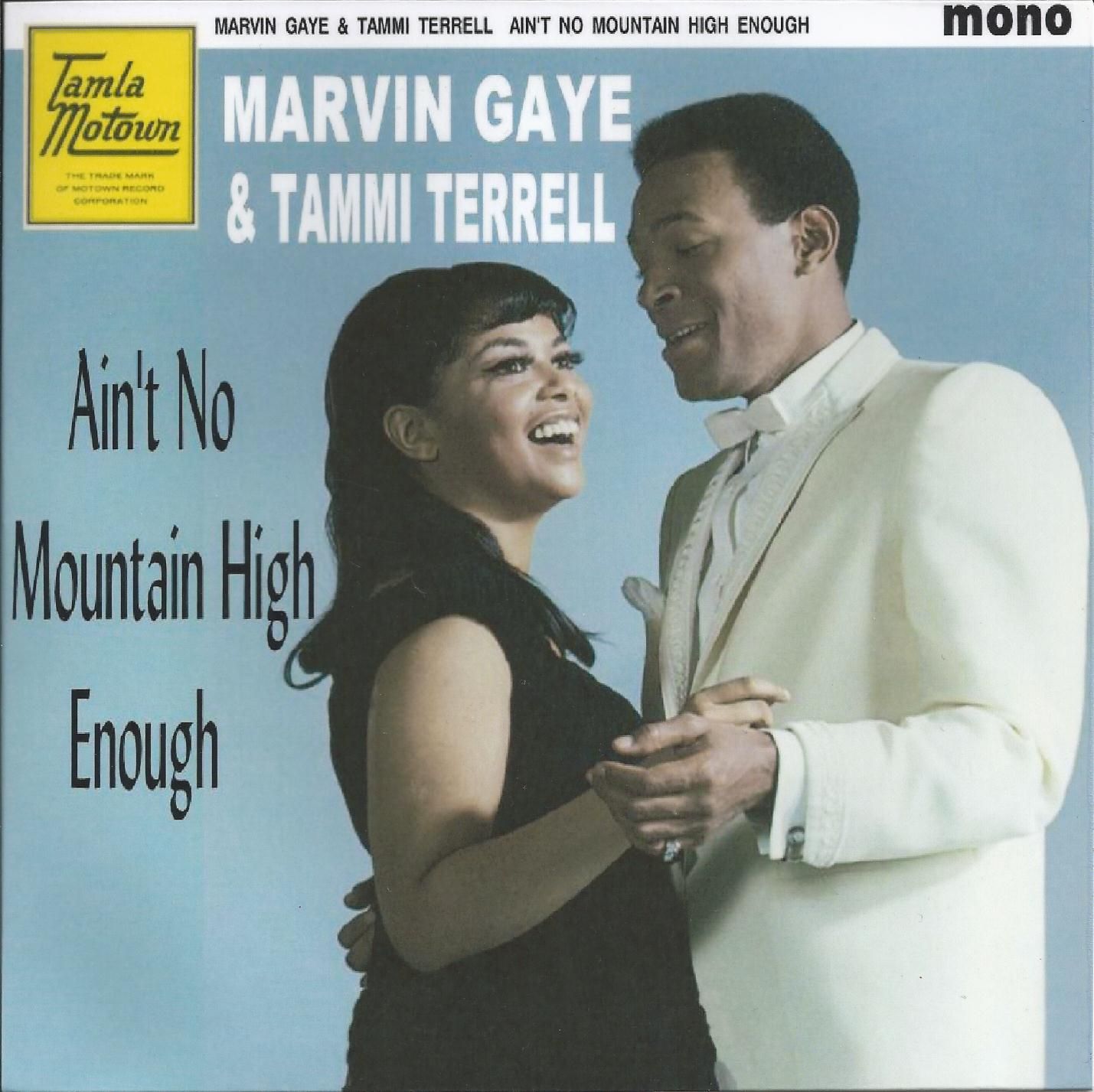
The Marvin Gaye & Tammi Terrell Duet (1967)
This version is the standard for pairs. It is characterized by its driving "four-on-the-floor" Motown beat and a bright, brassy arrangement.
- Vocal Range: Tammi’s part is a soulful soprano/mezzo-soprano, while Marvin’s part fits a high baritone or tenor.
- Dynamic: It is a conversation. The singers trade lines rapidly, especially during the verses, which requires excellent breath control and a shared sense of rhythm.
- Difficulty: Moderate. The challenge lies in the interplay between the two voices and staying on beat during the syncopated chorus.
The Diana Ross Solo Version (1970)
If you are performing alone, the Diana Ross version is often the preferred choice, though it is significantly longer and more structured like a "movement" than a standard pop song.
- Vocal Range: It begins with a lower-register spoken-word section and builds into a soaring gospel-influenced climax.
- Dynamic: This version is theatrical. It starts slow and ethereal, with Ross nearly whispering the lyrics, before erupting into a powerful finale.
- Difficulty: High. It requires the ability to sustain long notes and manage a slow-build crescendo without losing the audience's attention during the spoken-word segments.
Technical Specifications for the Performance
To truly master "Ain't No Mountain High Enough" in a karaoke setting, you need to understand the musical architecture of the track. Even if you aren't a trained musician, knowing these specifications helps you adjust your settings in modern 2026 karaoke apps.
Key and Pitch Adjustments
The Marvin Gaye and Tammi Terrell version is traditionally recorded in the key of B minor (transitioning into D major). For many casual singers, the "high" notes in the chorus ("...high enough, mountain high!") can be a strain.
- Pro Tip: If using a digital karaoke interface, consider dropping the key by one or two semitones (flat) if you find the chorus out of your comfortable range. This allows you to maintain the energy without cracking on the high notes.
Tempo and Rhythm
The duet version clocks in at approximately 129–131 BPM (Beats Per Minute). It is essential to stay "ahead" of the beat. Motown music relies on a forward-leaning energy. If you drag your vocals behind the rhythm, the song loses its celebratory feel. The Diana Ross version is more complex, starting at a much slower tempo and gradually accelerating into the gospel finale.
Where to Find High-Quality Karaoke Tracks in 2026
The quality of your backing track significantly impacts your performance. A thin, MIDI-sounding track can make even a great singer sound amateur.
Professional Subscription Services
- KaraFun: Often considered the gold standard for home and professional use, KaraFun offers high-fidelity recreations of both the duet and solo versions. In 2026, their interface allows for easy switching between lead vocals, backing vocals, and custom key adjustments.
- Sunfly Karaoke: If you are looking for the "classic" karaoke bar sound, Sunfly provides tracks that are very faithful to the original Motown studio recordings.
Free and App-Based Options
- YouTube (Sing King & Karaoke Version): YouTube remains a primary source for free tracks. Channels like Sing King provide high-definition lyric videos. However, be wary of "unfiltered" versions where the original vocals are simply suppressed by AI; these often leave "ghost" artifacts in the audio.
- Smule and StarMaker: These apps are ideal for virtual duets. If you want to sing the Marvin Gaye part but don't have a partner, these platforms allow you to join a "collab" with a singer from anywhere in the world.
AI-Enhanced Custom Tracks
By 2026, many singers use AI vocal removers like Moises or LALAL.AI. These tools allow you to upload the original 1967 recording and strip out the vocals while keeping the original Motown studio instruments. This provides the most authentic sound possible, featuring the actual "Funk Brothers" (the Motown house band) playing behind you.
Vocal Techniques for "Ain't No Mountain High Enough"
Mastering the notes is only half the battle; capturing the "soul" of the track requires specific vocal techniques.
The "Call and Response" Precision
In the duet version, the transition between the male and female lines is almost instantaneous. To avoid missing your cue:
- Watch the progress bar: Don't just watch the words; watch the rhythm indicators.
- Microphone Discipline: Bring the mic to your mouth before your line starts. Many singers lose the first word of their phrase because they are too slow to reposition the microphone.
Handling the "Power Chorus"
The chorus is where most singers struggle. The phrase "Ain't no mountain high enough" requires a "mix voice"—a blend of chest and head voice.
- Breath Support: Take a deep diaphragmatic breath during the short instrumental break just before the chorus.
- Vowel Shaping: For the word "High," try to shape your mouth in a vertical oval rather than a wide smile. This prevents the note from sounding "flat" or "shrill."
The Spoken Word Sections (Diana Ross Style)
If you choose the Ross version, the intro is a monologue. Do not try to "sing" these lines. Speak them with rhythm and breathiness. The goal is to create intimacy before the music swells. If you are too loud or too "musical" during the intro, the later transition to full singing won't have the same emotional impact.
Comparison of Karaoke Track Providers
| Provider | Audio Quality | Customization | Best For... | Estimated Cost (2026) |
|---|---|---|---|---|
| KaraFun | High (Studio Re-recorded) | Key, Tempo, Backing Vocals | Parties & Home Practice | $9.99/month |
| YouTube | Variable | None (unless using extensions) | Quick, free access | Free |
| Sunfly | Professional Standard | Limited | Serious performers | $2.00 per track |
| Smule | Good (Social Optimized) | Vocal Effects/Filters | Duets with strangers | Free / $40 yearly VIP |
| Apple Music Sing | Original Masters | Real-time vocal reduction | Practicing with original artist | Included with subscription |
Equipment and Setup for the Best Experience
To do justice to a Motown classic, your hardware matters as much as your software.
Microphones
For a song with this much dynamic range, a dynamic microphone like the Shure SM58 is the industry standard. It handles the high-pressure "shouting" of the chorus without distorting, yet it is sensitive enough to catch the nuances of the verses. If you are singing the duet, ensure you have two identical mics to keep the volume levels consistent between partners.
Sound Monitoring
The most common mistake in karaoke is not being able to hear yourself over the music. If you are setting this up at home in 2026, use a small mixer that allows you to balance the "Music In" and "Vocal In" levels. You want your vocals to sit "on top" of the track, not buried within it.
Lighting and Atmosphere
While not technical, the "Ain't No Mountain High Enough" karaoke experience is improved by lighting. This is an upbeat, optimistic song. Warm, bright lighting or a simple disco ball effect can help shift your mindset from "person reading lyrics" to "performer delivering a message."
Common Mistakes and How to Avoid Them
Even seasoned singers can trip up on this track. Here are the most frequent pitfalls:
- Starting Too Early: In the Marvin/Tammi version, there is a distinct drum fill. Wait for the final snare hit before coming in with "Listen, baby."
- Over-Singing the Verses: The verses are meant to be light and conversational. If you use 100% of your vocal power in the first verse, you will have nowhere to go when the chorus hits, and you will likely fatigue your voice.
- Ignoring the Partner: If singing the duet, look at your partner! The song is about a bond between two people. Staring at the screen for the entire three minutes kills the energy of the performance.
- The "Wind" and "Valley" Confusion: Many singers mix up the lyrics in the second verse ("Ain't no wind, ain't no rain..."). Follow the screen closely, as the order of "wind," "rain," and "valley" varies between the 1967 and 1970 versions.
Frequently Asked Questions
Is "Ain't No Mountain High Enough" a hard song to sing for beginners?
The song is considered "intermediate." While the melody is intuitive and well-known, the vocal range required for the chorus and the fast-paced nature of the duet version can be challenging for absolute beginners. However, because it is so well-loved, audiences are usually very forgiving and will often sing along to help you.
Which version is better for a wedding karaoke set?
The Marvin Gaye and Tammi Terrell version is almost always better for weddings. It is shorter, more upbeat, and encourages dancing. The Diana Ross version is quite long (over six minutes in some edits) and can feel a bit too dramatic for a high-energy reception.
Can I sing the duet version as a solo?
Yes, but it requires stamina. You will be singing both the male and female parts with very little time to breathe between lines. If you choose to do this, it is highly recommended to use a track that includes "guide vocals" or "backing vocals" to fill in the gaps and give your voice a rest during the choruses.
What should I do if I forget the lyrics during the spoken part?
In the Diana Ross version, the spoken intro is flexible. As long as you maintain the "mood" of the song—expressing devotion and loyalty—you can paraphrase the lyrics. The most important thing is to stay in character and transition smoothly when the singing starts.
Is there a modern version of the karaoke track?
Many 2026 karaoke libraries include "Modern Pop" remixes or "Acoustic" versions of the song. While these can be fun, the "Classic Motown" arrangement remains the crowd favorite because of its iconic bassline and horn section.
Practical Recommendation for Your Next Session
If you are planning to perform "Ain't No Mountain High Enough" at your next karaoke outing, start by practicing with the KaraFun or YouTube "Sing King" version at home. Focus specifically on the transition between the verse and the chorus. If you are singing the duet, choose a partner whose vocal range complements yours; for example, a deeper-voiced male paired with a higher-voiced female creates the classic Motown contrast. Finally, remember that this song is about joy. Don't worry about hitting every note perfectly—focus on the energy and the connection with your audience, and you’ll have the room singing along by the second chorus.