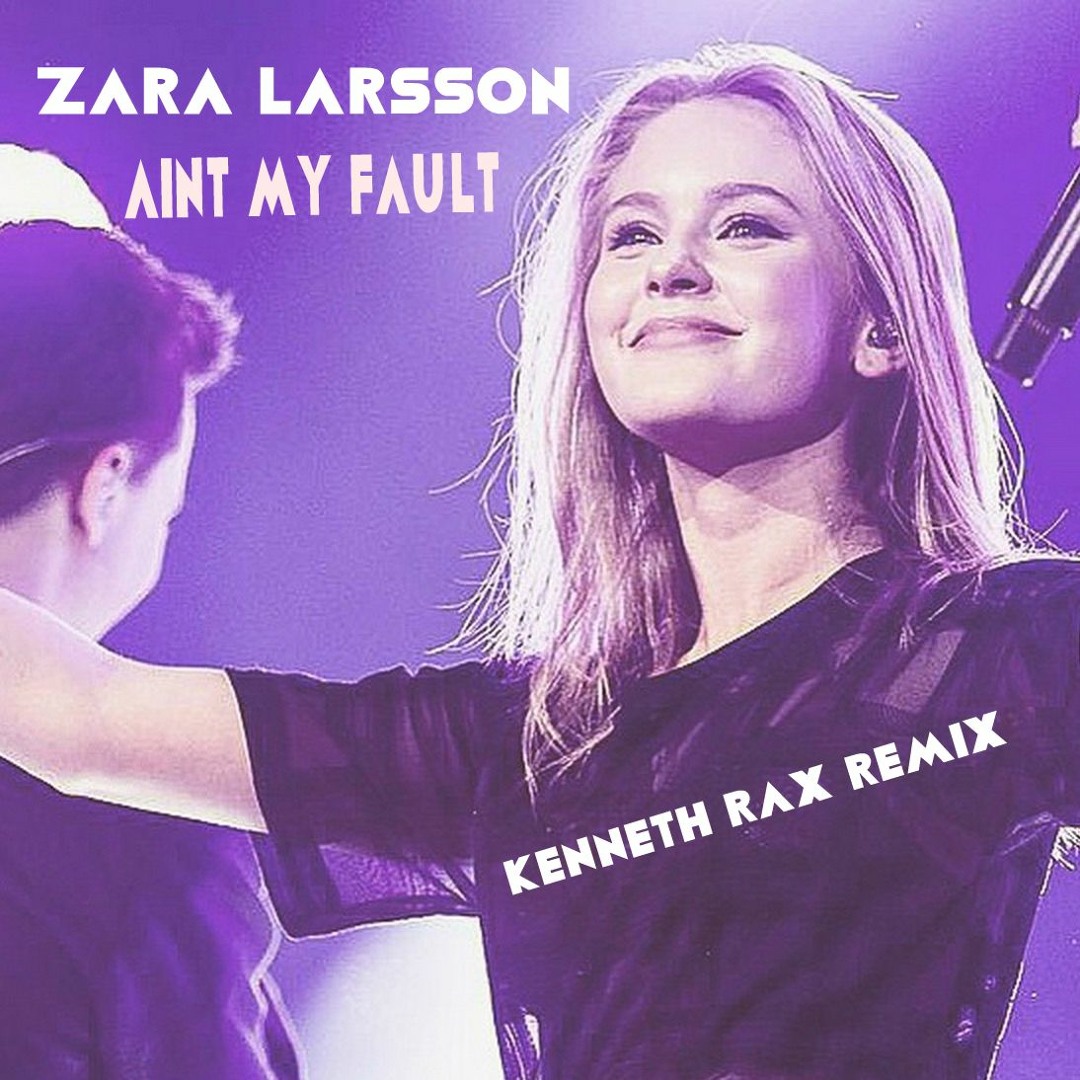
While several tracks share the title, the most prominent "Ain't My Fault" songs are the 2016 pop anthem by Swedish singer Zara Larsson and the 2016 country-rock hit by the American duo Brothers Osborne. Both tracks serve as definitive examples of high-energy, unapologetic songwriting within their respective genres, dominating charts and remaining recurrent favorites a decade later in 2026.
Understanding the "Ain't My Fault" Phenomenon
In the mid-2010s, the phrase "Ain't My Fault" became a recurring motif in popular music, appearing across multiple genres almost simultaneously. Despite sharing a title, the songs by Zara Larsson and Brothers Osborne offer vastly different sonic experiences and lyrical narratives. To understand the impact of these tracks, one must look at the production, the shift in lyrical intent during the writing process, and how they have aged as "modern classics" in the landscape of 2026.
The Zara Larsson version is a masterclass in trap-influenced pop, characterized by its aggressive brass sections and assertive vocal delivery. Conversely, the Brothers Osborne track is a gritty, blues-infused country-rock anthem that leans into a "bad boy" persona. Understanding which version a listener is searching for requires a look at the specific production styles and the cultural context of their releases.
Zara Larsson’s "Ain't My Fault": A Pop Powerhouse
Released on September 2, 2016, Zara Larsson’s "Ain't My Fault" served as a pivotal moment in her transition from a regional Swedish star to a global pop force. It was the lead single (initially intended as such) for her second studio album, So Good, which eventually saw its full release in 2017.
The Writing and Evolution of Lyrics
The creation of the song involved a collaboration between Larsson, the highly acclaimed British singer-songwriter MNEK, and American songwriter Mack. Interestingly, the song’s original premise was significantly different from the final version. In early drafts, the lyrics were framed from the perspective of a girl talking to another girl about stealing her boyfriend.
However, Larsson felt that this "girl-on-girl" conflict didn't align with her personal values or her public image as a feminist. Consequently, the lyrics were rewritten to be more about a woman acknowledging her own irresistible energy and shifting the "blame" onto the person who is attracted to her. This change was crucial; it transformed the song from a potentially controversial narrative into an empowering anthem about confidence and self-assurance.
The hook—"It ain't my fault you got caught in my patterns"—became a defining line of 2016 pop culture, emphasizing a playful lack of accountability for the reaction of others.
Musical Composition and Production
Produced by MNEK and Mike Spencer, the track is noted for its high-tempo, "staccato" energy. It operates at a BPM of approximately 126, making it a staple for dance floors and workout playlists.
Technical highlights include:
- The Horn Section: The use of synthesized brass hits gives the song a cinematic, urgent feel.
- Vocal Layering: MNEK’s production style is visible in the intricate vocal stacks and harmonies that support Larsson’s powerful lead.
- Trap Influences: The percussion utilizes rapid-fire hi-hats and deep 808 kicks, blending traditional pop with the burgeoning trap-pop movement of the era.
Music Video and Visual Identity
The music video, directed by Emil Nava, further solidified the song's status. Filmed in a luxurious mansion, it features Larsson and a troupe of dancers performing sharp, high-energy choreography. The visual aesthetic—heavy on streetwear-influenced high fashion and bold lighting—captured the "cool girl" essence that Larsson was known for. By 2026, the video has amassed hundreds of millions of views, remaining a reference point for pop choreography.
Brothers Osborne’s "Ain't My Fault": A Country-Rock Staple
While Larsson was dominating the pop charts, Brothers Osborne (siblings T.J. and John Osborne) were carving out a different space with their own "Ain't My Fault," released in May 2016 as part of their debut album, Pawn Shop.
Lyrical Narrative and Themes
Unlike the flirtatious pop of Larsson, the Brothers Osborne version is about a series of unfortunate (and often hilarious) events caused by a night of heavy drinking and poor decision-making. The song is written from the perspective of a narrator who blames everything—from the whiskey to the music—for his rowdy behavior, except for himself.
The lyrics follow a "blame game" structure:
- "Blame it on the whiskey / Blame it on the smoke"
- "Blame it on the beer / Blame it on the booze"
This relatable, tongue-in-cheek approach resonated deeply with country music fans, making it a "rowdy" anthem played at tailgate parties and bars across the United States.
Instrumental Prowess
One of the reasons this song stood out in 2016 was John Osborne’s virtuosic guitar work. The song features a driving, bluesy riff that anchors the entire track. It concludes with an extended guitar solo that showcases the technical skill rarely found in mainstream "Bro-Country" of that period. T.J. Osborne’s baritone vocals provide a grounded, gritty texture that complements the aggressive instrumentation.
Critical Reception and Awards
The Brothers Osborne track was a critical success, often cited as one of the best country songs of 2016. It reached the Top 20 on the Billboard Country Airplay charts and won the CMA Award for Music Video of the Year. Its longevity is proven by its continued presence on "Essential Country" playlists a decade later.
Comparative Analysis: Pop vs. Country
Despite sharing a title, the two songs target different demographics and serve different emotional purposes. Below is a comparison of the technical and commercial aspects of both hits.
| Feature | Zara Larsson Version | Brothers Osborne Version |
|---|---|---|
| Release Year | 2016 | 2016 |
| Genre | Pop / Trap-Pop | Country-Rock / Blues-Rock |
| BPM (Tempo) | 126 BPM | 134 BPM |
| Primary Theme | Empowerment & Attraction | Rowdy Behavior & Deflection |
| Key Instrument | Synthesized Brass / 808s | Electric Guitar (Telecaster) |
| Peak Chart Position | #13 (UK), #76 (US Billboard) | #14 (US Country Airplay) |
| RIAA Certification | Platinum (multiple countries) | Platinum (United States) |
| Primary Songwriter(s) | Zara Larsson, MNEK, Mack | John Osborne, T.J. Osborne, Lee Miller |
Historical Precedents: Silkk the Shocker
While the 2016 tracks are the most likely subjects of modern searches, music historians and hip-hop fans may also recall the 1999 track "It Ain't My Fault" by Silkk the Shocker (featuring Mystikal).
This version was a massive hit in the late 90s, peaking at number 18 on the Billboard Hot 100. It utilized a distinct New Orleans "bounce" influence and a catchy, repetitive hook. The 2016 Zara Larsson track actually faced some early comparisons to the cadence of the Silkk the Shocker version, though Larsson’s team maintained that the similarities were purely coincidental results of the trap-pop genre's rhythmic conventions.
Cultural Impact and Legacy in 2026
As of 2026, "Ain't My Fault" (specifically the Larsson version) is viewed as a definitive artifact of the mid-2010s "Empowerment Pop" era. It helped pave the way for other Swedish artists to find success on American and British radio and established MNEK as one of the most sought-after producers in the world.
For Brothers Osborne, their song remains a cornerstone of their live sets. It is often used as the "closer" for their concerts, featuring extended jam sessions that highlight the brothers' musical chemistry.
Why These Songs Persist
The longevity of both tracks can be attributed to three factors:
- Relatable Hooks: The phrase "Ain't my fault" is a universal idiom, making the songs easy to remember and sing along to.
- High Energy: Both songs are high-octane tracks that work well in social settings, from clubs to sporting events.
- Cross-Platform Performance: In the decade since their release, both songs have performed exceptionally well on streaming platforms like Spotify and YouTube, consistently appearing in "Throwback" and "Best of the 2010s" playlists.
Technical Aspects: Audio Engineering and Mixing
For students of music production, "Ain't My Fault" (Larsson) is often studied for its "wall of sound" approach to pop. The mixing engineer, Mike Spencer, had to balance the heavy low-end of the 808s with the piercing frequencies of the brass stabs.
The Brothers Osborne track, mixed by Jay Joyce, is a study in "live" feel. Unlike many country tracks of the era that were heavily quantized and polished, "Ain't My Fault" retains a sense of room acoustics and "dirt," making the guitars feel like they are being played in a smoky bar rather than a sterile studio.
Usage in Media and Synchronizations
Both songs have enjoyed significant success in TV, film, and commercials.
- Larsson's Version: Has been used in numerous fashion commercials, reality TV transitions (such as Love Island), and video games like Just Dance.
- Brothers Osborne's Version: Is frequently used in collegiate and professional football broadcasts, usually during transitions to commercial breaks or after a particularly "rowdy" play on the field.
Frequently Asked Questions
Did Zara Larsson sample Silkk the Shocker?
No, there is no official sample of Silkk the Shocker’s 1999 song in Zara Larsson’s 2016 track. While the rhythmic delivery of the hook shares some similarities due to the nature of the trap-pop genre, the songs were composed independently. Larsson’s track was written in a studio session with MNEK and Mack specifically for her second album.
Which "Ain't My Fault" song was more successful?
Success depends on the metric. In terms of global pop chart presence and international certifications (UK, Europe, Australia), Zara Larsson’s version was more successful. However, within the United States, the Brothers Osborne version has had greater longevity on country radio and remains a massive digital seller within the country music genre.
What is the meaning behind the Zara Larsson lyrics?
Originally, the song was about "stealing" a boyfriend, but the lyrics were rewritten to be about a woman who is not apologizing for being attractive or having a magnetic personality. The song is about a woman telling a man that if he gets in trouble for looking at her or being attracted to her, it isn't her responsibility.
Are there other songs with the same name?
Yes, besides Larsson, Brothers Osborne, and Silkk the Shocker, several other artists have songs with this title, including Mitch Rossell and several independent artists. However, the 2016 releases by Larsson and Brothers Osborne remain the most searched and commercially significant versions.
Who produced the Zara Larsson version?
The song was produced by MNEK (Uzoechi Emenike) and Mike Spencer. MNEK is a Grammy-nominated producer and artist known for his work with Beyoncé, Dua Lipa, and Little Mix.
Conclusion: Which Version Should You Listen To?
Choosing which "Ain't My Fault" to add to your playlist depends entirely on your mood and genre preference. If you are looking for a high-energy pop song with a trap beat and powerful female vocals, Zara Larsson's 2016 hit is the definitive choice. It remains a pinnacle of mid-2010s pop production.
On the other hand, if you prefer electric guitar riffs, gritty vocals, and a "wild night out" narrative, the Brothers Osborne version is a staple of modern country-rock. Both songs have stood the test of time, proving that a great hook and a relatable sentiment can transcend genre boundaries and maintain relevance for over a decade.
Next Action: For listeners interested in the production of these tracks, comparing the Official Music Video of Zara Larsson with the Brothers Osborne Live Performances provides an excellent study in how two different genres approach the concept of "troublemaking" through music.