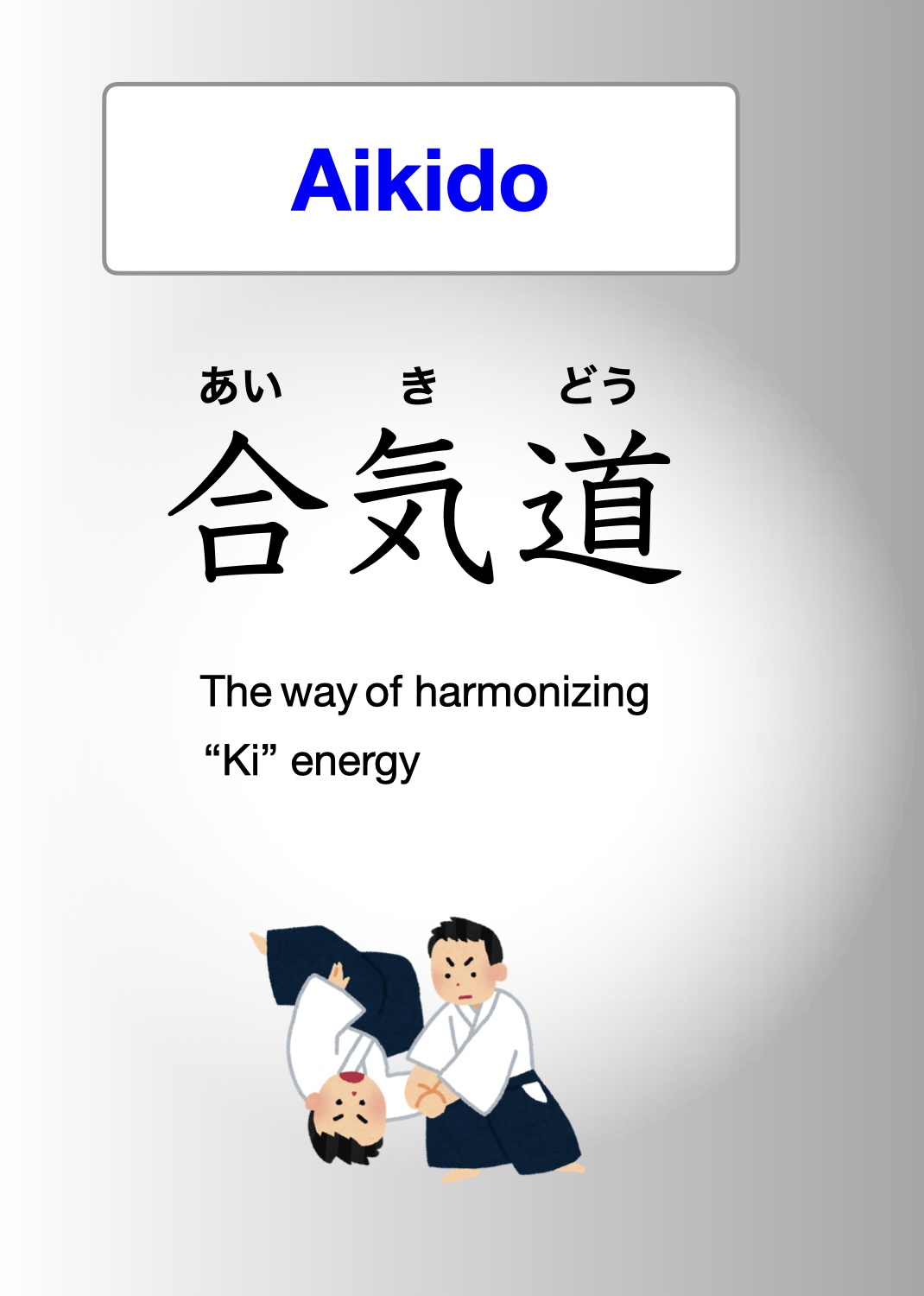
Aikido and Judo represent two distinct yet complementary Japanese martial arts that seek to foster physical, mental, and spiritual equilibrium. While both share historical roots in traditional jujutsu, they diverge significantly in their tactical philosophies: Judo emphasizes the application of leverage and timing to achieve decisive throws, while Aikido focuses on harmonizing with an aggressor’s energy to neutralize conflict through joint locks and redirection.
Historical Context and Philosophical Foundations
The lineage of both Aikido and Judo is inextricably linked to the modernization of Japan during the late 19th and early 20th centuries. Judo was founded by Jigoro Kano in 1882. Kano, a scholar and educator, sought to modernize the chaotic, lethal techniques of classical jujutsu into a systematic method for physical education and character development. He distilled the art into Seiryoku Zenyo (maximum efficiency, minimum effort) and Jita Kyoei (mutual welfare and benefit). In the Judo dojo, these principles are practiced through randori (free sparring), which tests the practitioner’s ability to apply technique against a fully resisting opponent.
Aikido, developed by Morihei Ueshiba in the early 20th century, emerged from a synthesis of his mastery of Daito-ryu Aiki-jujutsu and his deep spiritual convictions. Ueshiba’s philosophy shifted the martial paradigm away from victory over others and toward victory over oneself. Aikido, or the "Way of Harmonizing Energy," views conflict as a symptom of a lack of balance. The practitioner aims to enter the attacker's line of force, absorb their momentum, and redirect it, rendering the physical confrontation unnecessary or futile without causing lasting harm to the aggressor.
Technical Divergence: The Mechanics of Balance
The mechanics of balance in these two arts reflect their unique strategic goals. In Judo, balance is both a target and a commodity. The concept of kuzushi (unbalancing) is the foundational requirement for any successful throw. To execute a technique like osoto gari or seoi nage, the practitioner must systematically break the opponent’s posture, shifting their center of gravity to create a vulnerability. The technical depth of Judo is found in this precise manipulation of physics—using the body as a lever to displace another human being who is actively fighting to maintain their own stability.
Aikido utilizes a different set of mechanics centered on ma-ai (spatial distance) and irimi (entering). Rather than breaking an opponent’s balance through raw leverage, the Aikidoka seeks to "blend" with the incoming force. By stepping into the empty space created by an attacker’s momentum, the practitioner uses rotational force to lead the attacker into a circular path. This relies heavily on the use of the core and the maintenance of one's own center, or hara. The goal is not to force the attacker to fall, but to invite them to lose their footing through their own over-extension.
Comparison Table: Approaches to Conflict
| Feature | Judo | Aikido |
|---|---|---|
| Primary Objective | Neutralize opponent via throw/pin | Neutralize attack via redirection |
| Philosophical Focus | Maximum efficiency in competition | Harmonization with opponent energy |
| Training Method | High-intensity sparring (randori) | Repetitive pattern drills (kata) |
| Tactical Nature | Confrontational/Aggressive stance | Reactive/Evasive movement |
| Primary Goal | Victory through physical mastery | Peace through conflict resolution |
The Role of Physical and Mental Conditioning
Both arts require significant physical conditioning, though the nature of that conditioning differs based on the training environment. Judo is highly aerobic and requires explosive power, muscular endurance, and high levels of grip strength. Because Judo involves falling—frequently and from significant heights—practitioners must master ukemi (break-falling techniques) as an essential prerequisite for safety. In 2026, the global standard for Judo remains focused on competitive development, leading to athletes who possess elite anaerobic capacity and specialized coordination.
Aikido practitioners also prioritize ukemi, but the focus is often on fluid, circular motion rather than the jarring impact frequently associated with competitive throwing. Conditioning in an Aikido dojo emphasizes flexibility, spinal mobility, and the ability to remain calm under the pressure of an incoming strike. The mental aspect of Aikido is deeply rooted in meditative practice, encouraging the student to observe the internal state of the attacker and the environment, ensuring that the response remains proportional and centered.
Bridging the Paths: Integration and Synergy
For many practitioners, Judo and Aikido are not mutually exclusive but are rather two sides of the same coin. A student who begins with Judo gains a visceral understanding of weight, leverage, and the reality of a resisting opponent. This provides a "hard" foundation of martial competence. Moving to Aikido, that same student can refine the "soft" aspects of movement—learning to move with greater economy and grace.
Conversely, an Aikido practitioner who integrates Judo concepts may find their techniques becoming more robust and effective. While Aikido is often criticized for its lack of full-contact resistance training in some schools, the integration of Judo’s emphasis on randori can ensure that the Aikidoka’s movements remain functional in dynamic, unpredictable scenarios. Together, they offer a complete education in human kinetics and conflict management.
Choosing Your Path: Practical Considerations
When selecting between Judo and Aikido, consider your personal objectives for training:
- Competitive Drive: If you are motivated by testing your skills against a resisting opponent in a structured, objective environment, Judo is the superior choice. Its Olympic history and rigorous tournament circuits provide a clear metric for success and improvement.
- Conflict De-escalation: If your interest lies in the philosophical, non-aggressive resolution of physical confrontation, Aikido provides a framework for managing force without the primary goal of domination.
- Physical Limitations: Both arts require healthy joints, but Judo’s high-impact nature can be harder on the knees and shoulders over time compared to the generally more fluid movements of Aikido. Always consult a medical professional if you have pre-existing injuries before beginning either discipline.
- Community Culture: Spend time observing classes. Judo clubs often feel like intense training camps, while Aikido dojos may focus more on meditative rhythm and repetitive discipline. Find the environment that best aligns with your personality and learning style.
Frequently Asked Questions
Is Judo more effective for self-defense than Aikido? Judo is generally considered more effective for self-defense in the short term because it demands that practitioners test their techniques against fully resisting opponents. This builds "pressure-tested" skill. Aikido is effective, but it requires significantly longer periods of practice to reach a level where the techniques can be applied under real-world stress.
Can a beginner participate in both arts simultaneously? Yes, though it is physically demanding. If you are new to martial arts, it is often recommended to focus on one for the first six to twelve months to build foundational movement patterns. Once you have developed a base of ukemi and core stability, adding a second art can be highly beneficial for your overall growth.
Do I need to be in peak physical condition to start? No. Both Judo and Aikido are progressive arts. Any reputable dojo will offer beginners a path that builds conditioning gradually. You do not get in shape to start; you start to get in shape. Consistency is far more important than your initial level of fitness.
How does the belt system function in these arts? Both use the kyu (lower) and dan (higher) ranking systems, originally popularized by Jigoro Kano. While the specific testing requirements vary by organization, the belt system serves to track progress and instill a sense of incremental goal-setting for the student.
Is there a spiritual component to these practices? Judo is often viewed as a secular educational system, though it carries a deep ethical code. Aikido is frequently more explicitly spiritual, drawing from the religious and philosophical background of its founder, Morihei Ueshiba. Whether you choose to engage with the spiritual aspects is a matter of personal preference.
Taking the Next Step
To begin your journey into either of these paths, your first action should be to identify a local, accredited dojo. Look for organizations affiliated with national governing bodies, such as the International Judo Federation for Judo or recognized Aikido associations like the Aikikai Foundation. Contact a local school to ask if you can observe a session or participate in a trial class. Watching the interaction between instructors and students will tell you more about the culture and pedagogical style of the school than any website can convey. By stepping onto the mat, you move beyond theory and begin the personal work of cultivating your own balance.